

 पूर्वावलोकन देखें
 साझा करें
 साझा करें
 विस्तृत विवरण

 डाउनलोड करें
 समान कलाकृतियाँ
 एक्स-रे
 स्लाइड शो देखें
Living Nature

 पूरा देखें
गिक्ली / आर्ट प्रिंट
तेज़ उत्पादन और विभिन्न फिनिश विकल्पों के साथ म्यूजियम-क्वालिटी गिकली (giclée) या कैनवस प्रिंट। ( हाथ से बनी पेंटिंग खरीदें छवि खरीदें)




P118B $10

P118H $10

P118W $10

P438Z $10

P508JH $12

P508YH $12

P805H $10

P805Z $10

P919BZ $10

P919G $10

P919XJ $10

P959ZH $10

P968JZ $12

W106C $8

W218G $10

W218JH $8

W218Y $10

W307PJ $10

W316G $10

W316PJ $8

W316Y $10

W398PJ $8

W4111J $10

W500HY $15

W500JH $15

W692G $12

W849H $8

W940BG $15

W953PJ $8




कलाकृति के मूल अनुपात से मेल खाने वाले हमारे पूर्व निर्धारित आकारों में से चुनें।

आप किसी विशिष्ट फ्रेम या स्थान के अनुसार अपने स्वयं के आयाम (dimensions) दर्ज कर सकते हैं। यदि आपके द्वारा चुना गया आकार मूल छवि के अनुपात से मेल नहीं खाता है, तो हम कलाकृति को क्रॉप कर देंगे या मिरर किए गए या सॉलिड-फिल किनारे के साथ छवि का विस्तार करेंगे। उत्पादन शुरू होने से पहले आपकी स्वीकृति के लिए एक डिजिटल मॉकअप भेजा जाएगा।
कृपया ध्यान दें कि स्क्रीन पर दिखने वाला प्रीव्यू वास्तविक क्रॉपिंग या विस्तार को नहीं दर्शाता है। केवल मॉकअप ही अंतिम संरचना को सटीक रूप से दिखाएगा।
हालाँकि कस्टम आकार उपलब्ध हैं, फिर भी हम मूल अनुपात बनाए रखने के लिए पूर्व-निर्धारित सूची में से एक आयाम चुनने की सलाह देते हैं।
विश्वव्यापी डिलीवरी (), मानक 4/5 सप्ताह के बजाय मात्र 2 सप्ताह में। (7 सितमबर)

दुनिया भर में मुफ़्त एक्सप्रेस शिपिंग

उच्च गुणवत्ता वाला लिनेन कैनवास

पूर्ण शिपिंग बीमा

सीमा शुल्क और आयात कर वापसी की गारंटी

सटीक रंग मिलान की गारंटी

100-दिन की वापसी नीति (केवल दोषपूर्ण होने पर)

100% पैसे वापसी की गारंटी

थोक छूट का लाभ
 ग्लास का विकल्प केवल 110 सेमी से कम आकार में ही उपलब्ध है।

Living Nature
गिक्ली / आर्ट प्रिंट
प्रतिकृति का आकार
-


कुल देय राशि
$ 80
A Symphony of Fruits and Dreams: Unpacking Frida Kahlo’s “Living Nature”
Frida Kahlo's "Living Nature," painted in 1952, isn’t merely a still life; it’s a deeply personal and profoundly symbolic meditation on life, death, and the cyclical rhythms of existence. Created during a period of intense physical and emotional recovery following her devastating accident, the painting emerges as a testament to resilience and an exploration of the interconnectedness between the natural world and the human experience. Kahlo, known for imbuing her work with autobiographical elements and potent symbolism, utilizes a vibrant palette – rich oranges, deep reds, and verdant greens – to create a scene that is both alluringly sensual and subtly melancholic.
The composition itself is meticulously constructed. A basket overflowing with an abundance of fruits—oranges, apples, bananas—forms the central focus, their forms rendered with a delicate precision reminiscent of naive art. However, these aren’t simply decorative elements; they are carefully arranged to create a visual narrative. The positioning of each fruit, coupled with the inclusion of two birds – one perched delicately near the top left corner and another nestled towards the center-right – introduces an element of avian symbolism. Birds frequently represent hope, transformation, and the soul's journey, suggesting that even amidst hardship, there’s a potential for renewal and ascension.
The Language of Time and Mortality
Adding layers of complexity to the scene are several intriguing temporal markers: a clock in the upper left corner, a bowl near the center-right, and a vase at the bottom left. These objects aren’t presented as mere props; they subtly underscore the passage of time and the inevitability of mortality. The inclusion of a clock, often associated with the relentless march forward, contrasts sharply with the organic abundance of the fruits, hinting at the tension between life's fleeting moments and the enduring power of nature.
Furthermore, the presence of two distinct birds – one white and one black – adds another layer of symbolic depth. White birds are traditionally associated with purity, innocence, and spirituality, while black birds can represent mourning, death, or transformation. Their juxtaposition suggests a complex interplay between these opposing forces, reflecting Kahlo’s own struggles with pain, loss, and the ongoing process of healing.
A Personal Reflection: The Context of Creation
It's crucial to understand that “Living Nature” was painted during a particularly challenging period in Kahlo’s life. Recovering from her fourth surgery following the 1953 accident, she spent much of her time confined to bed at the ABC Hospital. This painting wasn’t commissioned; it was created for Dolores del Rio, a celebrated Mexican actress and close friend. The letter Kahlo wrote to Del Rio reveals her financial struggles and desperation – she needed the payment urgently to cover medical bills. This personal context imbues the artwork with an added layer of vulnerability and emotional resonance.
The phrase “NATURALEZA VIVA” (Living Nature), prominently displayed at the bottom, serves as a powerful declaration of Kahlo’s artistic philosophy. It represents her rejection of the traditional still life genre (“Naturaleza Muerta”) in favor of capturing the vitality and dynamism of nature itself. It's a poignant statement about embracing life’s inherent beauty even amidst suffering, mirroring Kahlo’s own tenacious spirit.
Bringing “Living Nature” into Your Space
A hand-painted reproduction of Frida Kahlo’s "Living Nature" offers a unique opportunity to bring this captivating artwork into your home or office. OriginalUniqueArt meticulously recreates the painting's vibrant colors, intricate details, and symbolic depth, ensuring an authentic representation of Kahlo’s artistic vision. Whether you are drawn to its surrealist imagery, its exploration of mortality, or simply its undeniable beauty, “Living Nature” remains a powerful testament to Frida Kahlo’s enduring legacy as one of the 20th century's most iconic and emotionally resonant artists.
कलाकार का जीवन परिचय
फ्राविदा काहलो: पीड़ा और जुनून की एक जीवनगाथा
फ्राविदा काहलो, मैक्सिको की महानतम कलाकारों में से एक, का जन्म 6 जुलाई 1907 को कोयोआकन, मेक्सिको सिटी में हुआ था। उनका जीवन शारीरिक पीड़ा और भावनात्मक उथल-पुथल से भरा रहा, जिसने उनकी कला को गहराई से प्रभावित किया। उनके पिता, गुइलेर्मो काहलो, एक जर्मन-मैक्सिकन फोटोग्राफर थे जिन्होंने फ्राविदा के भीतर कलात्मक प्रतिभा को पहचाना और प्रोत्साहित किया। बचपन में ही उन्हें पोलियो हो गया था, जिससे उनका शरीर कमजोर हो गया, लेकिन इसने उन्हें अपनी आंतरिक दुनिया की खोज करने और अपने अनुभवों को कला के माध्यम से व्यक्त करने के लिए प्रेरित किया। 1925 में एक भयानक बस दुर्घटना ने उनके जीवन को हमेशा के लिए बदल दिया। इस दुर्घटना में उन्हें गंभीर चोटें आईं, जिसके कारण उन्हें लंबे समय तक बिस्तर पर रहना पड़ा। इसी दौरान उन्होंने चित्रकला को अपना लिया, जो उनकी पीड़ा और अकेलेपन का सहारा बन गया।आत्म-चित्रणों की दुनिया: पहचान और पीड़ा का प्रतिबिंब
फ्राविदा काहलो ने आत्म-चित्रणों पर विशेष ध्यान दिया, जिनमें उन्होंने अपनी शारीरिक और भावनात्मक पीड़ा को दर्शाया। उनके चित्रों में अक्सर प्रतीकात्मक तत्व शामिल होते हैं जो उनकी आंतरिक भावनाओं और अनुभवों को व्यक्त करते हैं। 'द टू फ्रिडास' (1939) उनकी सबसे प्रसिद्ध कृतियों में से एक है, जिसमें उन्होंने अपने दोहरे व्यक्तित्व को दर्शाया है - एक यूरोपीय और एक मैक्सिकन। यह चित्र उनके विवाह के बाद की भावनात्मक उथल-पुथल का प्रतीक है। इसी तरह, 'सेल्फ-पोर्ट्रेट विथ थॉर्न नेकलेस एंड हमिंगबर्ड' (1940) में, उन्होंने अपनी पीड़ा को कांटेदार माला और दुर्भाग्यपूर्ण बिल्ली के माध्यम से दर्शाया है, जबकि हमिंगबर्ड आशा और लचीलापन का प्रतीक है। उनके चित्रों में शरीर की भंगुरता, दर्द और मृत्यु जैसे विषयों को साहसपूर्वक चित्रित किया गया है, जो उन्हें अन्य कलाकारों से अलग करते हैं। फ्राविदा ने अपनी कला के माध्यम से न केवल व्यक्तिगत पीड़ा को व्यक्त किया, बल्कि महिलाओं के अनुभवों और सामाजिक मुद्दों पर भी प्रकाश डाला।प्रभाव और विकास: मैक्सिकन संस्कृति का उत्सव
फ्राविदा काहलो की कला पर मैक्सिकन लोक कला, यूरोपीय पुनर्जागरण चित्रकला और आधुनिकतावादी आंदोलनों का प्रभाव स्पष्ट रूप से दिखाई देता है। उन्होंने अपनी कला में चमकीले रंगों, नाटकीय प्रतीकों और पारंपरिक मैक्सिकन रूपांकनों का उपयोग किया। उनके पति, डिएगो रिवेरा, एक प्रसिद्ध मैक्सिकन भित्तिचित्र कलाकार थे, जिन्होंने उनकी कलात्मक विकास में महत्वपूर्ण भूमिका निभाई। फ्राविदा ने डिएगो से प्रेरणा ली और अपनी अनूठी शैली विकसित की जो मैक्सिकन संस्कृति और आधुनिक कला के तत्वों को जोड़ती है। उन्होंने अपने चित्रों में मैक्सिकन पहचान, नारीत्व और सामाजिक न्याय जैसे विषयों को उठाया। फ्राविदा काहलो की कला न केवल व्यक्तिगत अनुभवों का प्रतिबिंब है, बल्कि मैक्सिकन संस्कृति और इतिहास का भी उत्सव है।ऐतिहासिक महत्व: एक सांस्कृतिक प्रतीक
फ्राविदा काहलो की कला ने 20वीं शताब्दी में महत्वपूर्ण प्रभाव डाला। उन्हें मैक्सिको के सबसे महान कलाकारों में से एक माना जाता है और उनकी कृतियाँ दुनिया भर के संग्रहालयों में प्रदर्शित होती हैं। फ्राविदा काहलो न केवल एक कलाकार थीं, बल्कि एक सांस्कृतिक आइकन भी थीं जिन्होंने पारंपरिक लिंग भूमिकाओं को चुनौती दी और महिलाओं के अधिकारों के लिए आवाज उठाई। उनकी कला ने नारीवादी आंदोलन को प्रेरित किया और उन्हें दुनिया भर की महिलाओं के लिए प्रेरणास्रोत बनाया। फ्राविदा काहलो की विरासत आज भी जीवित है, और उनकी कला पीढ़ी-दर-पीढ़ी लोगों को प्रेरित करती रहेगी। उन्होंने अपनी पीड़ा को शक्ति में बदल दिया और एक ऐसी कलात्मक विरासत छोड़ी जो हमेशा याद रखी जाएगी। फ्राविदा काहलो की कहानी हमें सिखाती है कि जीवन में चुनौतियों का सामना करते हुए भी सुंदरता और अर्थ खोजा जा सकता है।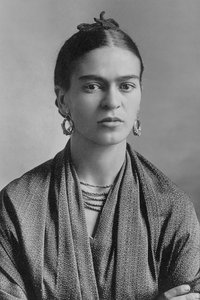
फ्रिडा काहलो
1907 - 1954 , मेक्सिको
मुख्य तथ्य
- कलात्मक शैली: अति यथार्थवाद, लोक कला
- जन्म तिथि: 6 जुलाई 1907
- जन्म स्थान: कोयोआकैन, मेक्सिको सिटी, मेक्सिको
- पूरा नाम: मैगडालेना कार्मेन फ्रिदा काहलो वाई कैल्डेरोन
- प्रभावित आंदोलन:
- चिकानो कला
- नारीवादी कलाकार
- प्रभावित कलाकार:
- मेक्सिकन लोक कलाकार
- यूरोपीय पुनर्जागरण चित्रकार
- प्रमुख कृतियाँ:
- दो फ्रिदा
- कांटे की माला के साथ स्व-चित्रित
- टूटा हुआ स्तंभ
- हेनरी फोर्ड अस्पताल
- मृत्यु तिथि: 13 जुलाई 1954
- राष्ट्रीयता: मेक्सिकन
संबंधित लेख
Frida Kahlo: A Life Painted – Surrealism, Identity & Autobiographical Narrative
Explore the life & art of Frida Kahlo – a journey through surrealism, identity, pain, and resilience. Discover her autobiographical masterpieces & lasting feminist legacy with OriginalUniqueArt.
Unveiling Frida Kahlo: A Journey Through Her Most Iconic Masterpieces and the Soul of Mexican Surrealism
Embark on a profound journey through Frida Kahlo's most iconic masterpieces. Discover the deep symbolism, Mexican heritage, and resilient spirit behind her legendary works in this expert art-historical exploration designed for true art enthusiasts.

The Bountiful Still Life: Symbolism & Artistic Representation of Fruit Across Art History
Explore the rich history of still life painting & the symbolism of fruit across art movements. Discover masterpieces from Caravaggio to Cézanne with OriginalUniqueArt – expert guidance & museum-quality reproductions.

Silent Narratives: Exploring the Enduring Appeal of Still Life Painting Across Centuries
Explore the rich history of still life painting with OriginalUniqueArt. Discover Dutch Masters, decode vanitas symbolism & learn about collecting timeless art. Expert insights and museum-quality reproductions.
सर्वश्रेष्ठ 10 अतियथार्थवादी कृतियाँ: कला और घर की सजावट में क्रांति
अतियथार्थवाद की 10 उत्कृष्ट कृतियाँ! डेलि वलेंस, रेने मैग्रिट और सल्वाडोर डाली जैसे कलाकारों के स्वप्निल संसार में डूबें। कला इतिहास जानें और घर की सजावट के लिए प्रेरणा पाएं। OriginalUniqueArt.com पर ऑनलाइन फाइन आर्ट रिप्रोडक्शन खरीदें।


