Academic Art · 1915
Kit Carson (Frederick William Macmonnies, 1915)
Frederick William Macmonnies (1863–1937) ने Kit Carson बनाया। यह 1915 का है। यह Academic Art आंदोलन से संबंधित है। यह Bronze में बनाया गया है। इसे ऑयस्टर बे, संयुक्त राज्य अमेरिका के Sagamore Hill National Historic Site में रखा गया है।

 हस्तनिर्मित ऑयल पेंटिंग
 साझा करें
 साझा करें
 तथ्य पत्रक


 डाउनलोड करें
 समान वस्तुएं
 स्लाइड शो देखें
 प्रश्न और उत्तर

 आंकड़े
Kit Carson, संक्षेप में
- शीर्षक
- Kit Carson
- कलाकार
- Frederick William Macmonnies (1863–1937)
- कलाकार का जन्म स्थान
- Brooklyn Heights, United States
- दिनांक
- 1915
- माध्यम
- Bronze
- इसे कहाँ देखें
- Sagamore Hill National Historic Site, ऑयस्टर बे, संयुक्त राज्य अमेरिका
- आंदोलन
- Academic Art
- कालखंड
- 19th Century
- विषय
- man, horse, rifle, rock, foliage, bronze
Kit Carson में किसका चित्रण किया गया है?
The Depiction of Kit Carson by Macmonnies
In this bronze work, Frederick William Macmonnies captures Kit Carson on horseback. The sculpture portrays the frontiersman as a significant figure from American history, presented in a moment of action. It was unveiled in 1911 as a large public sculpture celebrating the pioneers of the American Old West. Macmonnies, a sculptor known for his ability to imbue bronze with a sense of vitality, focuses here on the physical presence of the rider and his mount.
The subject, Kit Carson, is depicted with a sense of determination. He sits poised upon the horse, his form integrated into the rugged landscape of the base. This piece reflects the artist's interest in capturing the essence of movement and the spirit of the American frontier. By focusing on the tension within the figure, Macmonnies provides a study of a man defined by the landscape he navigated.
Composition and Visual Elements of the Sculpture
The composition is inherently dynamic, capturing a fleeting moment of action. The rider is poised with a focused intensity, appearing as if he is in the very act of aiming a rifle. This sense of movement is anchored by an elaborate base, where sculpted rocks and foliage provide a rugged foundation for the scene. The perspective is slightly low, looking up at the statue to lend the figure an imposing presence.
Visual rhythm is achieved through a careful balance of lines. Strong, defined lines delineate the musculature of both the horse and the rider, emphasizing the physical tension of the moment. These angular elements contrast with the curved lines that define the contours of the horse's body and the flowing mane. Depth is achieved through the use of overlapping forms, such as the rider positioned in front of the horse’s head, which creates a sense of three-dimensional space within the bronze.
Technique and Materials of the Bronze Work
The sculpture is cast in bronze, a choice that allows for the intricate rendering of the rider and his mount. The execution suggests the use of the lost-wax casting method, or cire perdue, which has enabled the artist to capture fine details within the musculature and the folds of the clothing. This technique provides a level of precision necessary for such a dynamic, active pose.
The surface of the bronze is not perfectly smooth; instead, it possesses a granular quality. This texture lends a sense of realism to the piece, mimicking the ruggedness of the frontier setting. The color palette remains quiet, dominated by muted tones of brown and grey. These hues shift subtly where light meets the metal, creating highlights and shadows that emphasize the three-dimensional form of the horse and rider.
The work rests upon an elaborate base composed of sculpted rocks and foliage. While the sculpture itself is bronze, the base is likely fashioned from stone or plaster to provide a stable, grounded foundation for the equestrian figure. The interplay between the heavy, textured base and the detailed bronze figure creates a sense of weight and presence.
Related Works by Frederick William Macmonnies
To understand the breadth of Macmonnies's sculptural language, one might look toward his earlier explorations of form and movement. His ability to capture a sense of rhythmic vitality is evident in works such as Bacchante and Infant Faun and his depiction of Diana. These pieces demonstrate a particular sensitivity to the human figure in motion, a quality that defined much of his celebrated output during the Beaux-Arts era. He possessed a rare capacity to imbue bronze and marble with a sense of breath, moving beyond static representation to capture fleeting gestures.
His reach extended from intimate mythological studies to significant civic commissions. He designed the Pan fountain sculpture for Rohallion in New Jersey, a work that reflects his ability to integrate sculpture into functional, decorative environments. This skill for public engagement is further seen in the colossal group Civic Virtue, a fountain created for New York City Hall. Such large-scale projects required a mastery of both monumental scale and intricate detail, balancing the requirements of urban architecture with a refined aesthetic sensibility.
The artist also achieved significant recognition through his portraiture and historical depictions. His 8' tall Nathan Hale statue remains a notable example of his ability to imbue historical figures with profound dignity. Through these diverse subjects—from the mythological to the patriotic—Macmonnies established a presence that bridged classical traditions with a modern, energetic approach to the medium of bronze.
Kit Carson किस संग्रहालय में है?
Sagamore Hill National Historic Site
ऑयस्टर बे, संयुक्त राज्य अमेरिका
राजधर्म का एक अभयारण्य: सागामोर हिल की खोज सागामोर हिल नेशनल हिस्टोरिक साइट केवल एक घर नहीं है; यह अमेरिकी नेतृत्व का एक जीवंत वृत्तांत है, जो अमेरिका के सबसे प्रभावशाली राष्ट्रपतियों में से एक के प्रारंभिक वर्षों से हमें जोड़ने वाली एक मूर्त कड़ी है। लॉन्ग आइलैंड के लुभावने परिदृश्य के 83 एकड़ में बसा यह स्थान—जो लहरदार घास के मैदानों, सरसराते देवदार के पेड़ों और अटलांटिक महासागर की झलकों का एक सुंदर ताना-बाना है—थियोडोर रूजवेल्ट की अदम्य भावना और राष्ट्र पर उनके गहरे प्रभाव के प्रमाण के रूप में खड़ा है। केवल एक निवास स्थान से कहीं अधिक, सागामोर हिल एक जटिल कथा को समेटे हुए है: एक व्यक्तिगत आश्रय, एक राजनयिक मंच, और अंततः, उस व्यक्ति की आत्मा की खिड़की जिसने 20वीं सदी को आकार दिया। इस स्थल का रणनीतिक स्थान, जिसे एकांत और सुलभता के मिश्रण के लिए जानबूझकर चुना गया था, राष्ट्रीय मामलों में एक प्रमुख व्यक्तित्व होने के साथ-साथ अपने समुदाय के एक गहरे जड़ें जमाए हुए नागरिक होने की रूजवेल्ट की इच्छा को दर्शाता है। इसकी वास्तुकला स्वयं सागामोर हिल की कहानी का एक मुख्य तत्व है। प्रसिद्ध फर्म लैम्ब एंड रिच द्वारा डिजाइन किया गया यह घर 'शिंगल स्टाइल' का उत्कृष्ट उदाहरण है—जो क्वीन ऐनी शैली का एक अमेरिकी रूपांतरण है और अपने परिवेश के साथ सामंजस्य को प्राथमिकता देता है। 1885 में पूरा हुआ, इसका विषम अग्रभाग (asymmetrical facade), जो क्लैपबोर्ड शिंगल्स से ढका है, तुरंत एक संयमित भव्यता और प्राकृतिक दुनिया के साथ जुड़ाव का अहसास कराता है। इस स्थापत्य शैली का रूजवेल्ट द्वारा किया गया सचेत चुनाव मनमाना नहीं था; यह उनके इस विश्वास को दर्शाता था कि सच्चे नेतृत्व के लिए शक्ति और विनम्रता दोनों की आवश्यकता होती है—एक ऐसा संतुलन जो घर के डिजाइन में भी झलकता है। विशाल खिड़कियां, जो आंतरिक भाग को प्रकाश से सराबोर कर देती हैं, खुलेपन का वातावरण बनाती हैं और चिंतन के लिए आमंत्रित करती हैं, जबकि सावधानीपूर्वक तैयार किए गए बगीचे एक जीवंत पारिस्थितिकी तंत्र के भीतर होने के अहसास को पुख् verstär करते हैं। इस इमारत की दीर्घायमता उल्लेखनीय है, जो इसके मूल निर्माताओं के कौशल और इस संयमित फिर भी सुरुचिपूर्ण डिजाइन के स्थायी आकर्षण का प्रमाण है। एक संग्राहक का वृत्तांत: भीतर छिपे खजाने सागामोर हिल के भीतर कदम रखना किसी सावधानीपूर्वक तैयार की गई आत्मकथा में प्रवेश करने के समान है। इसका 'नॉर्थ रूम', जो शायद घर के सबसे प्रतिष्ठित स्थानों में से एक है, कलाकृतियों की प्रचुरता से तुरंत मंत्रमुत्वित कर देता है—रूजवेल्ट के प्रसिद्ध शिकार अभियानों के प्रतीक (जिसमें एक शानदार मूस का सिर विशेष रूप से आकर्षक है), राष्ट्रपति और राजनयिक के रूप में उनके कार्यकाल के दौरान विश्व नेताओं द्वारा उन्हें दिए गए उपहार, और उनकी तीव्र बुद्धि को दर्शाने वाला पुस्तकों का एक आश्चर्यजनक संग्रह। ये केवल वस्तुएं नहीं थीं; वे ज्ञान, रोमांच और प्रभाव की रूजवेल्ट की निरंतर खोज के मूर्त अनुस्मारक थे। नॉर्थ रूम से परे, आगंतुक सावधानीपूर्वक संरक्षित दस्तावेजों, तस्वीरों और व्यक्तिगत पत्राचार के माध्यम से रूजवेल्ट के राजनीतिक करियर का पता लगा सकते हैं। 'प्रेसिडेंशियल मेमोरेबिलिया' खंड उनके नेतृत्व की एक मार्मिक झलक पेश करता है—कानूनों के हस्तलिखित मसौदे से लेकर इतिहास के महत्वपूर्ण क्षणों का विवरण देने वाले टेलीग्राम तक। यह संग्रह केवल स्थिर नहीं है; यह हुई बातचीत, लिए गए निर्णयों और लड़ी गई लड़ाइयों की गूँज के साथ जीवंत हो उठता है। हालाँकि, सागामोर हिल का संग्रह विशुद्ध रूप से राजनीतिक दायरे से कहीं आगे तक फैला हुआ है। एडिथ रूजवेल्ट का प्रभाव पूरे घर में सूक्ष्मता से बुना हुआ है, जो गर्व के साथ प्रदर्शित उनके उत्कृष्ट सुई के काम (needlework) और सावधानीपूर्वक तैयार किए गए फूलों की व्यवस्था में स्पष्ट दिखाई देता है, जो एक परिष्कृत सौंदर्य बोध को दर्शाते हैं। परिवार का व्यक्तिगत जीवन—थियोडोर और एडिथ की पांच संतानों में से तीन का जन्म इन्हीं दीवारों के भीतर हुआ—इस कथा में एक अंतरंग परत जोड़ता है, जो रूजवेल्ट के उस पक्ष को प्रकट करता है जो अक्सर उनके सार्वजनिक व्यक्तित्व के पीछे छिपा रहता है। घर विवरणों से भरा है—एक कोने में छिपा बच्चे का खिलौना, किसी प्रियजन का हस्तलिखित पत्र—जो राष्ट्रपति को मानवीय बनाते हैं और उस व्यक्ति के जीवन की एक झलक प्रदान करते जो एक पति, पिता और मित्र भी थे। कूटनीति का एक मंच: शांति वार्ता और वैश्विक प्रभाव सागामोर हिल का महत्व एक निजी निवास के रूप में इसकी भूमिका से कहीं अधिक है। थियोडोर रूजवेल्ट की अध्यक्षता के दौरान, इसने 'समर व्हाइट हाउस' के रूप में कार्य किया, जहाँ अनगिनत गणमान्य व्यक्तियों की मेजबानी की गई और अंतर्राष्ट्रीय संबंधों की दिशा तय हुई। शायद सबसे प्रसिद्ध रूप से, यहीं पर 1905 में रूस-जापान युद्ध के अंत की ओर ले जाने वाली महत्वपूर्ण शांति वार्ता आयोजित की गई थी—एक ऐसी घटना जिसके लिए रूजवेल्ट को नोबेल शांति पुरस्कार प्राप्त हुआ था। वे कमरे जहाँ ये वार्ताएँ हुईं, इतिहास की एक प्रत्यक्ष अनुभूति कराते हैं, जो आगंतुकों को इस साधारण से दिखने वाले लॉन्ग आइलैंड एस्टेट को सौंपी गई गहन जिम्मेदारी और भारी निर्णयों की याद दिलाते हैं। इसके मैदानों को सुंदरता और सुरक्षा दोनों प्रदान करने के लिए सावधानीपूर्वक तैयार किया गया था—जो सौंदर्यशास्त्र और व्यावहारिकता दोनों के प्रति रूजवेल्ट की प्रतिबद्धता को दर्शाता है। लॉन्ग आइलैंड पर रणनीतिक स्थान ने इन राजनयिक आदान-प्रदानों के लिए एक विवेकपूर्ण लेकिन सुलभ परिवेश प्रदान किया, जिससे रूजवेल्ट वाशिंगटन डी.सी. से जुड़े रहने के साथ-साथ अपनी गोपनीयता बनाए रखने में सक्षम हुए। अतीत की गूँज: वास्तुकला और विरासत 1905 में लैम्ब एंड रिच द्वारा डिजाइन किए गए नॉर्थ रूम के विस्तार ने सागामोर हिल के दायरे को नाटकीय रूप से बढ़ा दिया और रूजवेला के विकसित होते स्वाद तथा ऐतिहासिक कलाकृतियों को संरक्षित करने के उनके समर्पण को प्रतिबिंबित किया। इस विस्तार ने न केवल घर के क्षेत्रफल को बढ़ाया बल्कि उनके बढ़ते संग्रह को भी प्रदर्शित किया। इसकी 'शिंगल स्टाइल' वास्तुकला आज भी उल्लेखनीय रूप से अक्षुण्ण है, जो मूल निर्माताओं के कौशल और इस संयमित फिर भी सुरुचिपूर्ण डिजाइन के स्थायी आकर्षण का प्रमाण है। अपने वास्तुशिल्प महत्व से परे, सागामोर हिल अमेरिकी इतिहास के एक महत्वपूर्ण अध्याय का प्रतिनिधित्व करता है—एक ऐसा काल जो प्रगतिशील सुधार, संरक्षण प्रयासों और विश्व मंच पर संयुक्त राज्य अमेरिका की बढ़ती भूमिका द्वारा परिभाषित किया गया था। 1962 में इसे 'नेशनल हिस्टोरिक साइट' के रूप में नामित करने ने आने वाली पीढ़ियों के लिए इसके संरक्षण को सुनिश्चित किया, जिससे न केवल घर की भौतिक संरचना बल्कि इसकी दीवारों के भीतर समाहित समृद्ध विरासत भी सुरक्षित हुई। आज, सागामोर हिल नेतृत्व, कूटनीति और अमेरिकी भावना की स्थायी शक्ति पर चिंतन करने के लिए निरंतर प्रेरित करता रहता है।


Kit Carson की उच्च-रिज़ॉल्यूशन वाली छवियाँ

Frederick William Macmonnies, Kit Carson (1915), Sagamore Hill National Historic Site. सार्वजनिक डोमेन
Kit Carson से संबंधित प्रश्न और उनके उत्तर
मूल "Kit Carson" किस संग्रहालय में सुरक्षित है?
आप मूल "Kit Carson" को Sagamore Hill National Historic Site, ऑयस्टर बे, संयुक्त राज्य अमेरिका में देख सकते हैं।
Frederick William Macmonnies द्वारा "Kit Carson" किस वर्ष में बनाया गया था?
Frederick William Macmonnies द्वारा "Kit Carson" का निर्माण 1915 में किया गया था।
Frederick William Macmonnies द्वारा "Kit Carson" के लिए किस तकनीक का उपयोग किया गया था?
Frederick William Macmonnies द्वारा "Kit Carson" की माध्यम Bronze है। पुनरुत्पादन (reproductions) का उद्देश्य इस तकनीक के स्वरूप को जीवंत रूप में प्रस्तुत करना है।
Frederick William Macmonnies द्वारा "Kit Carson" में किन विषयों का चित्रण किया गया है?
Frederick William Macmonnies द्वारा "Kit Carson" में दर्शाया गया है: man, horse, rifle, rock, foliage, bronze, hat।
क्या Frederick William Macmonnies द्वारा "Kit Carson" सार्वजनिक डोमेन में है?
Frederick William Macmonnies द्वारा "Kit Carson", सार्वजनिक डोमेन में - इसका कॉपीराइट समाप्त हो चुका है है। यह स्थिति इस बात को नियंत्रित करती है कि कलाकृति की छवि का पुनरुत्पादन कैसे किया जा सकता है।
"Kit Carson" किस कलाकार की कृति है?
"Kit Carson" के पीछे के कलाकार Frederick William Macmonnies हैं। यह कृति Frederick William Macmonnies के नाम के अंतर्गत सूचीबद्ध है।
"Kit Carson" किस कला शैली से संबंधित है?
Frederick William Macmonnies द्वारा "Kit Carson" Academic Art आंदोलन से संबंधित है। यह आंदोलन इस कृति के शैलीगत संदर्भ को स्पष्ट करता है।
"Kit Carson" Frederick William Macmonnies के कलात्मक विकास के किस चरण का प्रतिनिधित्व करता है?
"Kit Carson" Frederick William Macmonnies के Mature Period का प्रतिनिधित्व करता है।
Frederick William Macmonnies ने किस उम्र में "Kit Carson" की रचना की थी?
जब 1915 में "Kit Carson" का निर्माण किया गया था, तब 1863 में जन्मे Frederick William Macmonnies की आयु 52 वर्ष थी।
कलाकार, Frederick William Macmonnies के बारे में

1863–1937, United States
Frederick William Macmonnies
The Sculptor of Light and Bronze: The Life of Frederick William MacMonnies In the vibrant intersection of American ambition and European refinement, the name Frederick William MacMonnies resonates as a symbol of the Beaux-Arts era. Born in Brooklyn Heights in 1863, MacMonnies was a child prodigy of stone carving, possessing an innate ability to breathe life into cold medium from a remarkably young age. His journey was not merely one of personal growth but a transatlantic odyssey that would eventually see him become the most celebrated expatriate sculptor of his generation. He possessed a rare, dual mastery over both the fluid strokes of painting and the structural permanence of sculpture, allowing him to approach form with a unique sensitivity to light and movement that few of his contemporaries could replicate.
Frederick William Macmonnies के बारे में Frederick William Macmonnies की प्रमुख कृतियाँ
Frederick William Macmonnies की अन्य कृतियाँ
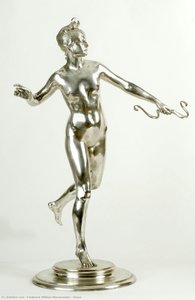 Diana1890
 Young Chevalier1898
 May Suydam Palmer1903
 Stephen S. Palmer, Trustee 1908-1913, Donor of Palmer Hall (1853-1913)1915

Kit Carson पर आधारित निबंध
 American artworks of the 1900sIconic American works by Winslow Homer and Frederic Remington define this era. Explore the full collection online at OriginalUniqueArt.com.
 Capturing Motion: The Timeless Beauty of Sir Alfred James Munnings' Equestrian MasterpiecesDiscover the breathtaking equestrian mastery of Sir Alfred James Munnings. Explore an art-history journey through his impressionistic captu…
 American artworks of the 1910s1910s American art by Childe Hassam, George Bellows, and Robert Henri. View the complete collection of iconic US works online at OriginalUn…