
 पूर्वावलोकन देखें
 साझा करें
 साझा करें
 विस्तृत विवरण

 डाउनलोड करें
 समान कलाकृतियाँ
 एक्स-रे
 स्लाइड शो देखें
 आंकड़े
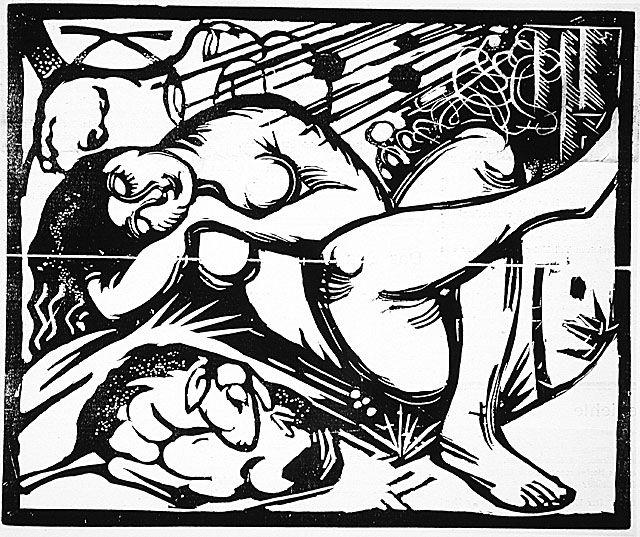
Sleeping Shepherdness


 पूरा देखें
ऑनलाइन पूर्वावलोकन से कहीं अधिक बेहतर, उच्च-रिज़ॉल्यूशन वाली उन्नत डिजिटल छवि खरीदें।
प्रत्येक फ़ाइल हमारे आंतरिक विशेषज्ञों द्वारा उन्नत उपकरणों और विशेषज्ञ मैनुअल रीटचिंग का उपयोग करके सावधानीपूर्वक तैयार की जाती है। हम यह सुनिश्चित करते हैं कि प्रत्येक छवि में असाधारण स्पष्टता, सटीक रंग सटीकता और बारीक विवरण हो।
अंतिम फ़ाइल 72 घंटों के भीतर ईमेल के माध्यम से भेज दी जाती है, जिसे पेशेवर, संपादकीय और प्रिंट कार्यों में तत्काल उपयोग के लिए अनुकूलित किया गया है। यह वही गुणवत्ता है जिस पर शीर्ष स्तर के डिज़ाइन स्टूडियो, प्रकाशक और गैलरी भरोसा करते हैं।
डिजिटल इमेज
व्यक्तिगत प्रदर्शन, प्रिंटिंग और रचनात्मक परियोजनाओं के लिए एक उच्च-रिज़ॉल्यूशन फ़ाइल डाउनलोड करें। ( प्रिंट पर स्विच करें हाथ से बनी पेंटिंग खरीदें)
प्रत्येक डिजिटल इमेज ऑर्डर के साथ शामिल है
विशेषज्ञ डिजिटल डिलीवरी, सुनिश्चित
जब आप OriginalUniqueArt.com को चुनते हैं, तो आपको केवल एक छवि ही नहीं मिलती - बल्कि आपको प्राप्त होती है एक पेशेवर रूप से संवर्धित डिजिटल कलाकृति, जिसे पूरी सटीकता के साथ तैयार किया गया है और जिसकी संतुष्टि की गारंटी दी जाती है। आपके ऑर्डर के साथ स्वचालित रूप से ये सभी चीजें शामिल हैं:

त्वरित ईमेल डिलीवरी
आपकी उच्च-रिज़ॉल्यूशन वाली डिजिटल इमेज फ़ाइल ऑर्डर करने के 72 घंटों के भीतर आपको ईमेल कर दी जाएगी - जो तुरंत उपयोग के लिए तैयार है।

एआई-संवर्धित डिजिटल फ़ाइल
आपकी कलाकृति को उन्नत एआई (AI) उपकरणों और मैनुअल संपादन के माध्यम से पेशेवर रूप से अनुकूलित किया जाता है, जो अधिकतम विवरण, स्पष्टता और रंगों की सटीक सटीकता सुनिश्चित करता है।

आजीवन मुफ्त पुन: वितरण सेवा
क्या आपकी फाइल गलती से डिलीट या खो गई है? चिंता न करें - हम इसे आपके लिए किसी भी समय, बिना किसी शुल्क के, फिर से भेज देंगे।

कोई आयात शुल्क नहीं - हमेशा के लिए
बिना किसी कस्टम ड्यूटी, शुल्क या डिलीवरी शुल्क के अपनी कलाकृति का तुरंत आनंद लें - डिजिटल डाउनलोड हमेशा टैक्स-फ्री होते हैं।

सटीक रंगों की गारंटी
हम पेशेवर उपकरणों और कलर मैनेजमेंट का उपयोग करके यह सुनिश्चित करते हैं कि आपकी डिजिटल छवि मूल रंगों को यथासंभव सटीक रूप से दर्शाती है।

100-दिन की संतुष्टि गारंटी
यदि आप अपनी डिजिटल इमेज से संतुष्ट नहीं हैं, तो हम 100 दिनों के भीतर इसमें सुधार करेंगे या 100% रिफंड देंगे - बिना किसी सवाल के।

100% मनी-बैक गारंटी
संतुष्ट नहीं हैं? अपनी डिजिटल फ़ाइल प्राप्त करने के 100 दिनों के भीतर पूरा रिफंड प्राप्त करें - बिना किसी सवाल के।

थोक ऑर्डर पर छूट
3 इमेज खरीदें, 10% बचाएं - 5 खरीदें, 15% बचाएं - 10 से अधिक खरीदें, 20% बचाएं। रचनात्मक परियोजनाओं, दीर्घाओं और एजेंसियों के लिए बेहतरीन।
A Moment of Intimate Repose: Decoding Franz Marc’s ‘Sleeping Shepherdness’
- Subject and Composition: This starkly beautiful woodcut print, created in 1912, presents a tightly cropped view of three figures – two women and one man – intertwined in sleep or repose. Marc eschews traditional narrative clarity, instead offering a fragmented glimpse into an intimate scene. The composition is dynamic, almost unsettling in its closeness, forcing the viewer to confront the vulnerability and physicality of the subjects. It’s not a pastoral idyll; there's a sense of contained energy, even tension, beneath the surface calm.
- Expressionist Technique & Style: ‘Sleeping Shepherdness’ is a prime example of Marc’s early Expressionist explorations. The woodcut technique – with its bold lines and inherent textural quality achieved through cross-hatching – lends itself perfectly to conveying emotional intensity. He deliberately simplifies forms, reducing the figures to essential shapes that emphasize their contours and relationships. This isn't about realistic representation; it’s about distilling human experience into its most potent visual elements. The lack of traditional perspective further flattens the image, heightening the sense of immediacy and psychological weight.
Historical Context: Marc & *Der Blaue Reiter*
- A Pivotal Moment in Art History: Created during a period of radical artistic experimentation, ‘Sleeping Shepherdness’ reflects the burgeoning Expressionist movement and Marc's involvement with the influential group *Der Blaue Reiter* (The Blue Rider). This collective, which included artists like Wassily Kandinsky and August Macke, sought to move beyond mere representation towards expressing inner spiritual truths through color and form.
- Early Exploration of Form & Sexuality: While Marc is best known for his animal paintings imbued with symbolic meaning, works like this demonstrate his broader artistic concerns. The human figure, though abstracted, becomes a vehicle for exploring themes of sexuality, vulnerability, and the complexities of human relationships – subjects that were increasingly prevalent in early 20th-century art.
Symbolism & Emotional Resonance
- Subtle Layers of Meaning: The symbolism within ‘Sleeping Shepherdness’ is deliberately ambiguous, inviting multiple interpretations. The figures' intertwined forms could suggest intimacy and connection, but also a sense of confinement or struggle. The stark contrast between light and shadow amplifies the emotional impact, creating a dramatic and unsettling atmosphere.
- A Precursor to Later Themes: Though seemingly disparate from his later animal paintings, this work foreshadows Marc’s lifelong fascination with the spiritual connection between humans and nature. The raw physicality of the figures hints at an underlying energy that he would later project onto the animal world, imbuing them with symbolic weight and emotional depth.
For Collectors & Interior Designers
- A Striking Statement Piece: A high-quality reproduction of ‘Sleeping Shepherdness’ offers a powerful focal point for any space. Its monochromatic palette and bold graphic style lend themselves well to both modern and traditional interiors, adding a touch of intellectual sophistication and artistic intrigue.
- Versatility & Impact: The print's abstract nature allows it to complement a wide range of color schemes and design aesthetics. Whether displayed in a minimalist living room or a more eclectic study, ‘Sleeping Shepherdness’ is sure to spark conversation and inspire contemplation.
कलाकार का जीवन परिचय
रंगों और आध्यात्मिकता में डूबा एक जीवन
1880 में म्यूनिख में जन्मे फ्रांज मोरित्ज़ विल्हेम मार्क एक ऐसे चित्रकार थे, जिनके संक्षिप्त लेकिन अत्यंत केंद्रित करियर ने जर्मन अभिव्यक्तिवाद (German Expressionism) की दिशा को अपरिवर्तनीय रूप से बदल दिया। उनकी कहानी गहन आध्यात्मिक खोज की है जिसे एक जीवंत दृश्य भाषा में अनुवादित किया गया—जीवन के सार को उस शुद्धता के माध्यम से समझने की एक खोज जो उन्हें प्राकृतिक दुनिया, विशेष रूप से पशु जगत में मिली थी। प्रारंभ में अपने पिता, विल्हेम मार्क, जो एक परिदृश्य चित्रकार (landscape painter) थे, से प्रभावित होने के कारण युवा फ्रांज का कलात्मक मार्ग तुरंत निश्चित नहीं था। उन्होंने कुछ समय के लिए धर्मशास्त्र पर विचार किया, विश्वास और अस्तित्व के प्रश्नों से जूझते रहे, और अंततः म्यूनिख के एकेडमी ऑफ फाइन आर्ट्स में खुद को कला के प्रति समर्पित कर दिया। धार्मिक विचारों के ये प्रारंभिक अन्वेलेशन उनके काम में गहराई से समाए रहे, जिससे उनका यह विश्वास पुख्ता हुआ कि कला आध्यात्मिक अनुभव का एक माध्यम हो सकती है। उनके शैक्षणिक प्रशिक्षण ने उन्हें तकनीकी आधार प्रदान किया, लेकिन पेरिस की यात्राओं के दौरान विन्सेंट वैन गॉग के कार्यों से हुए मिलन ने वास्तव में उनकी कलात्मक दृष्टि को प्रज्वलित किया। वैन गॉग के रंगों के भावनात्मक उपयोग और कच्चे भावों ने मार्क को गहराई से प्रभावित किया, जिससे वे पारंपरिक तकनीकों से मुक्त होकर एक अधिक व्यक्तिपरक और भावनात्मक रूप से आवेशित शैली की ओर बढ़ सके।द ब्लू राइडर और एक नई कलात्मक दृष्टि
मार्क का कलात्मक विकास एकाकी नहीं था; यह 20वीं सदी की शुरुआत के म्यूनिख के गतिशील संदर्भ में फला-फूला। उन्होंने 1911 में वासिली कांडिंस्की के साथ मिलकर 'डेर ब्लाउ रीटर' (Der Blaue Reiter - द ब्लू राइडर) की सह-स्थापना करने से पहले, 'न्यूई कुन्स्टलरवेरिनुंग म्यूनिख' सहित विभिन्न कलाकार समूहों के साथ प्रयोग किए। यह केवल एक समूह या प्रदर्शनी श्रृंखला नहीं थी; यह एक दार्शनिक और कलात्मक क्रांति थी। 'डेर ब्लाउ रीटर' ने केवल चित्रण से आगे बढ़ने का प्रयास किया, जिसका लक्ष्य अमूर्तता (abstraction) और प्रतीकात्मक रंगों के माध्यम से आंतरिक आध्यात्मिक सत्यों को व्यक्त करना था। इसी नाम की पत्रिका इन विचारों के प्रसार के लिए एक मंच बन गई, जिसने न केवल उनके अपने काम को प्रदर्शित किया बल्कि अन्य प्रगतिशील कलाकारों के कार्यों को भी दिखाया और लोक कला से लेकर आदिम मूर्तिकला तक विविध सांस्कृतिक प्रभावों की खोज की। इस अवधि के दौरान मार्क का योगदान अत्यंत महत्वपूर्ण था। उन्होंने परिदृश्यों को स्थिर दृश्यों के रूप में चित्रित करने के बजाय, जानवरों—घोड़ों, हिरणों, लोमड़ियों—को आध्यात्मिक ऊर्जा के वाहक के रूप में केंद्रित किया। ये केवल पशु चित्र नहीं थे; वे मासूमियत, सद्भाव और प्राकृतिक दुनिया के साथ उस संबंध के प्रतीकात्मक प्रतिनिधित्व थे जिसे वे मानते थे कि मानवता ने खो दिया है। रॉबर्ट डेलने के अमूर्त रूपों और जीवंत रंगों के अन्वेषण के प्रभाव ने मार्क को उनके काम में सरलीकरण और उच्च भावनात्मक अभिव्यक्ति की ओर और अधिक प्रेरित किया। 'द टाइगर' (1912) और 'रेड डियर' (19ही 1912) जैसी पेंटिंग इस बदलाव का उदाहरण हैं, जो यथार्थवादी चित्रण के बजाय अपने विषयों के अंतर्निहित गुणों और साहसी रंग विकल्पों को प्रदर्शित करती हैं।प्रतीकवाद, रंग और अस्तित्व का सार
मार्क की कलात्मक शैली रंगों और रूपों के विशिष्ट उपयोग के लिए तुरंत पहचानी जा सकती है। उन्होंने रंगों का उपयोग वर्णनात्मक रूप से नहीं किया; इसके बजाय, उन्होंने उन्हें प्रतीकात्मक अर्थों से भर दिया। नीला रंग आध्यात्मिकता और पुरुषत्व का प्रतिनिधित्व करता था, पीला रंग खुशी और स्त्रीत्व का प्रतीक था, और लाल रंग हिंसा और भौतिकता को दर्शाता था। ये कोई मनमाने चुनाव नहीं थे बल्कि विशिष्ट भावनात्मक और दार्शनिक विचारों को संप्रेषित करने के लिए बनाया गया एक सावधानीपूर्वक निर्मित तंत्र था। उनके जानवर केवल विषय नहीं हैं; वे इन अवधारणाओं के अवतार हैं। रूपों का सरलीकरण—आकृतियों को उनके आवश्यक आकार तक कम करना—उस अंतर्निहित आध्यात्मिक सार पर और अधिक जोर देता जिसे वे पकड़ना चाहते थे। 'द टॉवर ऑफ ब्लू हॉर्सिस' (1913), जो दुखद रूप से द्वितीय विश्व युद्ध के दौरान खो गया था, इस दृष्टिकोण का शायद सबसे प्रतिष्ठित उदाहरण है, एक शक्तिशाली और विचारोत्तेजक रचना जो उनकी कलात्मक दृष्टि को समाहित करती है। उनका मानना था कि जानवरों में एक अंतर्निहित शुद्धता और प्रकृति के साथ ऐसा संबंध होता है जिसे मनुष्यों ने सामाजिक बाधाओं और बौद्धिककरण के माध्यम से त्याग दिया है। उन्हें इतनी श्रद्धा और प्रतीकात्मक महत्व के साथ चित्रित करके, मार्क दर्शकों को इस खोए हुए सद्भाव की याद दिलाना चाहते थे और प्राकृतिक दुनिया के प्रति गहरी प्रशंसा को प्रेरित करना चाहते थे। उनका काम यह चित्रित करने के बारे में नहीं था कि उन्होंने *क्या* देखा बल्कि यह था कि उन्होंने *कैसा* महसूस किया—अपने परिवेश के प्रति एक गहरा व्यक्तिगत और आध्यात्मिक उत्तर।एक दुखद अंत और स्थायी विरासत
1914 में प्रथम विश्व युद्ध के प्रकोप ने मार्क के जीवन और कलात्मक प्रक्षेपवक्र को नाटकीय रूप से बदल दिया। एक कलाकार के रूप में अपनी स्थिति के कारण छूट की तलाश करने के बावजूद, उन्हें जर्मन सेना में भर्ती कर लिया गया और एक घुड़सवार के रूप में सेवा दी। युद्ध की भयावहता ने उन्हें गहराई से प्रभावित किया, फिर भी अराजकता के बीच भी, उन्होंने पेंटिंग करना जारी रखा, अपनी कला में सांत्वना और अर्थ खोजते रहे। दुखद रूप से, फ्रांज मार्क की मृत्यु 4 मार्च, 1916 को वर्दुन की लड़ाई में हुई, जो कला जगत के लिए एक विनाशकारी क्षति थी। उनकी असामयिक मृत्यु ने संभावनाओं से भरे करियर को बीच में ही रोक दिया, लेकिन इसने आधुनिक कला इतिहास में एक महत्वपूर्ण व्यक्ति के रूप में उनके स्थान को भी पुख्ता कर दिया। उनका कार्य आज भी गूँजता है, कलाकारों की पीढ़ियों को प्रभावित करता है और अपनी भावनात्मक गहराई और आध्यात्मिक प्रतिध्वनि से दर्शकों को मंत्रमुग्ध करता है। मार्क की पेंटिंग्स दुनिया भर के प्रमुख संग्रहालयों में प्रदर्शित की जाती हैं, जिसमें म्यूनिख का लेनबाकहाउस शामिल है, जहाँ उनके काम का एक विस्तृत संग्रह है। उन्हें न केवल जर्मन अभिव्यक्तिवाद के अग्रदूत के रूप में बल्कि एक दूरदर्शी कलाकार के रूप में भी याद किया जाता है जिसने कला, आध्यात्मिकता और प्राकृतिक दुनिया के बीच गहरे संबंध को खोजने का साहस किया—एक ऐसी विरासत जो विस्मय और चिंतन को प्रेरित करती रहती है। उनकी कलात्मक दृष्टि भौतिक जगत से परे जाने और मानव आत्मा के भीतर कुछ गहरा छूने की कला की शक्ति के प्रमाण के रूप में बनी हुई है।
फ्रांस मर्क
1880 - 1916 , जर्मनी
संक्षिप्त जानकारी
- Artistic Movement Or Style: जर्मन अभिव्यक्तिवाद
- Artists Or Movements Influenced By This Artist: ['अब्स्ट्रैक्ट आर्ट']
- Artists Who Influenced This Artist:
- वैन गॉग
- डेलौनेय
- Date Of Birth: फ़र्ज़ मौरिज़ विल्हेम मार्च ८ फ़रवरी १८८०
- Date Of Death: ४ मार्च १९१६
- Full Name: Franz Moritz Wilhelm Marc
- Nationality: जर्मनी
- Notable Artworks:
- टॉवर ऑफ़ ब्लू हर्स
- रेड डीयर
- Place Of Birth: मुंख़ेन, जर्मनी