पूर्वावलोकन देखें
 साझा करें
 साझा करें
 विस्तृत विवरण
 मार्गदर्शिका

 डाउनलोड करें
 समान वस्तुएं
 एक्स-रे
 स्लाइड शो देखें
 प्रश्न और उत्तर
 आंकड़े
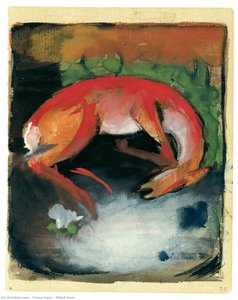
Fabulous Beast II

- 26.0 x 30.0 cm


 पूरा देखें
गिक्ली / आर्ट प्रिंट
तेज़ उत्पादन और विभिन्न फिनिश विकल्पों के साथ म्यूजियम-क्वालिटी गिकली (giclée) या कैनवस प्रिंट। ( इस संग्रहणीय वस्तु की हाथ से बनी प्रतिकृति मंगवाएं डिजिटल इमेज पर स्विच करें)




P118B ₹10

P118H ₹10

P118W ₹10

P438Z ₹10

P508JH ₹12

P508YH ₹12

P805H ₹10

P805Z ₹10

P919BZ ₹10

P919G ₹10

P919XJ ₹10

P959ZH ₹10

P968JZ ₹12

W106C ₹8

W218G ₹10

W218JH ₹8

W218Y ₹10

W307PJ ₹10

W316G ₹10

W316PJ ₹8

W316Y ₹10

W398PJ ₹8

W4111J ₹10

W500HY ₹15

W500JH ₹15

W692G ₹12

W849H ₹8

W940BG ₹15

W953PJ ₹8




कलाकृति के मूल अनुपात से मेल खाने वाले हमारे पूर्व निर्धारित आकारों में से चुनें।

अपने फ्रेम या अपनी दीवार के अनुसार आवश्यक चौड़ाई और ऊंचाई दर्ज करें। प्रिंट को केवल काटा जा सकता है, चित्र से बड़ा कभी नहीं बनाया जा सकता, इसलिए अलग आकार का साइज चित्र का एक हिस्सा खो देता है। किसी भी चीज़ को प्रिंट करने से पहले हम आपकी स्वीकृति के लिए आपको एक डिजिटल मॉकअप भेजते हैं। इस पृष्ठ पर दिखाया गया चित्र वास्तविक कटिंग नहीं दिखाता है — केवल मॉकअप ही इसे दर्शाता है।
विश्वव्यापी डिलीवरी (), मानक 4/5 सप्ताह के बजाय मात्र 2 सप्ताह में। (8 नवमबर)

दुनिया भर में मुफ़्त एक्सप्रेस शिपिंग

उच्च गुणवत्ता वाला लिनेन कैनवास

पूर्ण शिपिंग बीमा

सीमा शुल्क और आयात कर वापसी की गारंटी

सटीक रंग मिलान की गारंटी

100 दिनों की वापसी नीति (केवल दोष होने पर)

100% पैसे वापसी की गारंटी

थोक छूट का अवसर
 ग्लास का विकल्प केवल 110 सेमी से कम आकार में ही उपलब्ध है।

Fabulous Beast II
गिक्ली / आर्ट प्रिंट
प्रतिकृति का आकार
-


कुल देय राशि
₹ 7843
A Glimpse into a Primal World: Decoding Franz Marc’s *Fabulous Beast II*
Franz Marc's *Fabulous Beast II*, painted in 1913, is more than just an image of an animal; it’s a vibrant exploration of the spiritual connection between humanity and nature, rendered through the lens of early modernism. This small but powerfully evocative work—measuring only 26 x 30 cm—packs a significant punch, embodying Marc's unique artistic vision and his pivotal role in the development of Expressionism.Subject & Style: Beyond Representation
At first glance, *Fabulous Beast II* presents a fragmented depiction of a horse, its form broken down into geometric shapes and bathed in fiery hues of red and orange. However, to call it simply a “horse” feels inadequate. Marc wasn’t interested in realistic representation; he sought to capture the *essence* of the animal – its inner life, its energy, and its place within the cosmos. This approach aligns with his broader philosophical beliefs about animals as possessing a purity and spiritual depth lacking in human society. The style is undeniably influenced by Cubism, evident in the fractured planes and multiple perspectives, but Marc infuses it with an emotional intensity that sets his work apart.Technique & Materials: A Textured Vision
Executed in tempera on board, the painting’s surface exhibits a noticeable texture, achieved through visible brushstrokes. This impasto technique adds depth and physicality to the composition, enhancing the sense of movement and vitality. The deliberate application of paint isn't merely decorative; it contributes to the overall expressive power of the work, conveying a raw, almost primal energy.Historical Context: Der Blaue Reiter & Spiritual Expression
*Fabulous Beast II* emerged during a period of intense artistic experimentation and societal upheaval. Marc was a founding member of *Der Blaue Reiter* (The Blue Rider), a group of artists who rejected traditional academic art in favor of subjective expression and spiritual exploration. Influenced by Fauvism’s bold color palettes and Cubism's formal innovations, the group sought to create an art that resonated with inner experience rather than external reality. Marc believed animals were closer to this primal state of being, making them ideal subjects for his artistic investigations.Symbolism & Interpretation: Color as Emotion
The dominant use of red and orange is crucial to understanding the painting’s symbolism. For Marc, colors weren't arbitrary choices; they held specific emotional and spiritual significance. Red represented violence, energy, and life force, while orange evoked a sense of warmth and optimism. The horse itself, often associated with freedom and power, becomes a vessel for these intense emotions. The fragmented forms can be interpreted as representing the breakdown of traditional structures and beliefs, mirroring the anxieties of the pre-war era.Emotional Impact & Legacy: A Lasting Resonance
*Fabulous Beast II* is not a passive viewing experience. It’s a work that demands attention, inviting viewers to contemplate their own relationship with nature and the spiritual realm. The painting's dynamic composition and vibrant colors evoke a sense of both excitement and unease, reflecting the complex emotions of its time. Marc’s tragically short life – he died in action during World War I in 1916 – adds another layer of poignancy to his work. Today, *Fabulous Beast II* remains a powerful testament to Marc's artistic genius and continues to inspire artists and art lovers alike.- Perfect for: Collectors of Expressionist art, those seeking unique statement pieces, and interior designers aiming to create spaces that evoke emotion and contemplation.
- Consider pairing this piece with: Works by other *Der Blaue Reiter* artists like Wassily Kandinsky or August Macke, or contemporary abstract paintings that explore similar themes of spirituality and nature.
- A reproduction of *Fabulous Beast II* will bring: A touch of early 20th-century modernism, a vibrant color palette, and a sense of intellectual depth to any room.
प्रश्न और उत्तर
फ्रांस मर्क द्वारा "Fabulous Beast II" की विशेषता बताने वाली तकनीक और शैली क्या है?
फ्रांस मर्क द्वारा "Fabulous Beast II", Acrylic On Canvas तकनीक और Cubism शैली का एक अनूठा संगम है। तकनीक और आंदोलन कलाकृति के निर्माण और उसकी शैली को परिभाषित करते हैं।
इस तिथि को देखते हुए, "Fabulous Beast II" फ्रांस मर्क के करियर के किस चरण में आता है?
1913 की तिथि "Fabulous Beast II" को फ्रांस मर्क के विकास के Early Period काल में रखती है।
"Fabulous Beast II" किस कलाकार की कृति है?
"Fabulous Beast II" की रचना फ्रांस मर्क द्वारा की गई थी। इस पृष्ठ पर दी गई जानकारी फ्रांस मर्क की मूल कृति का वर्णन करती है।
कलाकार की जीवनी
रंगों और आध्यात्मिकता में डूबा एक जीवन
1880 में म्यूनिख में जन्मे फ्रांज मोरित्ज़ विल्हेम मार्क एक ऐसे चित्रकार थे, जिनके संक्षिप्त लेकिन अत्यंत केंद्रित करियर ने जर्मन अभिव्यक्तिवाद (German Expressionism) की दिशा को अपरिवर्तनीय रूप से बदल दिया। उनकी कहानी गहन आध्यात्मिक खोज की है जिसे एक जीवंत दृश्य भाषा में अनुवादित किया गया—जीवन के सार को उस शुद्धता के माध्यम से समझने की एक खोज जो उन्हें प्राकृतिक दुनिया, विशेष रूप से पशु जगत में मिली थी। प्रारंभ में अपने पिता, विल्हेम मार्क, जो एक परिदृश्य चित्रकार (landscape painter) थे, से प्रभावित होने के कारण युवा फ्रांज का कलात्मक मार्ग तुरंत निश्चित नहीं था। उन्होंने कुछ समय के लिए धर्मशास्त्र पर विचार किया, विश्वास और अस्तित्व के प्रश्नों से जूझते रहे, और अंततः म्यूनिख के एकेडमी ऑफ फाइन आर्ट्स में खुद को कला के प्रति समर्पित कर दिया। धार्मिक विचारों के ये प्रारंभिक अन्वेलेशन उनके काम में गहराई से समाए रहे, जिससे उनका यह विश्वास पुख्ता हुआ कि कला आध्यात्मिक अनुभव का एक माध्यम हो सकती है। उनके शैक्षणिक प्रशिक्षण ने उन्हें तकनीकी आधार प्रदान किया, लेकिन पेरिस की यात्राओं के दौरान विन्सेंट वैन गॉग के कार्यों से हुए मिलन ने वास्तव में उनकी कलात्मक दृष्टि को प्रज्वलित किया। वैन गॉग के रंगों के भावनात्मक उपयोग और कच्चे भावों ने मार्क को गहराई से प्रभावित किया, जिससे वे पारंपरिक तकनीकों से मुक्त होकर एक अधिक व्यक्तिपरक और भावनात्मक रूप से आवेशित शैली की ओर बढ़ सके।द ब्लू राइडर और एक नई कलात्मक दृष्टि
मार्क का कलात्मक विकास एकाकी नहीं था; यह 20वीं सदी की शुरुआत के म्यूनिख के गतिशील संदर्भ में फला-फूला। उन्होंने 1911 में वासिली कांडिंस्की के साथ मिलकर 'डेर ब्लाउ रीटर' (Der Blaue Reiter - द ब्लू राइडर) की सह-स्थापना करने से पहले, 'न्यूई कुन्स्टलरवेरिनुंग म्यूनिख' सहित विभिन्न कलाकार समूहों के साथ प्रयोग किए। यह केवल एक समूह या प्रदर्शनी श्रृंखला नहीं थी; यह एक दार्शनिक और कलात्मक क्रांति थी। 'डेर ब्लाउ रीटर' ने केवल चित्रण से आगे बढ़ने का प्रयास किया, जिसका लक्ष्य अमूर्तता (abstraction) और प्रतीकात्मक रंगों के माध्यम से आंतरिक आध्यात्मिक सत्यों को व्यक्त करना था। इसी नाम की पत्रिका इन विचारों के प्रसार के लिए एक मंच बन गई, जिसने न केवल उनके अपने काम को प्रदर्शित किया बल्कि अन्य प्रगतिशील कलाकारों के कार्यों को भी दिखाया और लोक कला से लेकर आदिम मूर्तिकला तक विविध सांस्कृतिक प्रभावों की खोज की। इस अवधि के दौरान मार्क का योगदान अत्यंत महत्वपूर्ण था। उन्होंने परिदृश्यों को स्थिर दृश्यों के रूप में चित्रित करने के बजाय, जानवरों—घोड़ों, हिरणों, लोमड़ियों—को आध्यात्मिक ऊर्जा के वाहक के रूप में केंद्रित किया। ये केवल पशु चित्र नहीं थे; वे मासूमियत, सद्भाव और प्राकृतिक दुनिया के साथ उस संबंध के प्रतीकात्मक प्रतिनिधित्व थे जिसे वे मानते थे कि मानवता ने खो दिया है। रॉबर्ट डेलने के अमूर्त रूपों और जीवंत रंगों के अन्वेषण के प्रभाव ने मार्क को उनके काम में सरलीकरण और उच्च भावनात्मक अभिव्यक्ति की ओर और अधिक प्रेरित किया। 'द टाइगर' (1912) और 'रेड डियर' (19ही 1912) जैसी पेंटिंग इस बदलाव का उदाहरण हैं, जो यथार्थवादी चित्रण के बजाय अपने विषयों के अंतर्निहित गुणों और साहसी रंग विकल्पों को प्रदर्शित करती हैं।प्रतीकवाद, रंग और अस्तित्व का सार
मार्क की कलात्मक शैली रंगों और रूपों के विशिष्ट उपयोग के लिए तुरंत पहचानी जा सकती है। उन्होंने रंगों का उपयोग वर्णनात्मक रूप से नहीं किया; इसके बजाय, उन्होंने उन्हें प्रतीकात्मक अर्थों से भर दिया। नीला रंग आध्यात्मिकता और पुरुषत्व का प्रतिनिधित्व करता था, पीला रंग खुशी और स्त्रीत्व का प्रतीक था, और लाल रंग हिंसा और भौतिकता को दर्शाता था। ये कोई मनमाने चुनाव नहीं थे बल्कि विशिष्ट भावनात्मक और दार्शनिक विचारों को संप्रेषित करने के लिए बनाया गया एक सावधानीपूर्वक निर्मित तंत्र था। उनके जानवर केवल विषय नहीं हैं; वे इन अवधारणाओं के अवतार हैं। रूपों का सरलीकरण—आकृतियों को उनके आवश्यक आकार तक कम करना—उस अंतर्निहित आध्यात्मिक सार पर और अधिक जोर देता जिसे वे पकड़ना चाहते थे। 'द टॉवर ऑफ ब्लू हॉर्सिस' (1913), जो दुखद रूप से द्वितीय विश्व युद्ध के दौरान खो गया था, इस दृष्टिकोण का शायद सबसे प्रतिष्ठित उदाहरण है, एक शक्तिशाली और विचारोत्तेजक रचना जो उनकी कलात्मक दृष्टि को समाहित करती है। उनका मानना था कि जानवरों में एक अंतर्निहित शुद्धता और प्रकृति के साथ ऐसा संबंध होता है जिसे मनुष्यों ने सामाजिक बाधाओं और बौद्धिककरण के माध्यम से त्याग दिया है। उन्हें इतनी श्रद्धा और प्रतीकात्मक महत्व के साथ चित्रित करके, मार्क दर्शकों को इस खोए हुए सद्भाव की याद दिलाना चाहते थे और प्राकृतिक दुनिया के प्रति गहरी प्रशंसा को प्रेरित करना चाहते थे। उनका काम यह चित्रित करने के बारे में नहीं था कि उन्होंने *क्या* देखा बल्कि यह था कि उन्होंने *कैसा* महसूस किया—अपने परिवेश के प्रति एक गहरा व्यक्तिगत और आध्यात्मिक उत्तर।एक दुखद अंत और स्थायी विरासत
1914 में प्रथम विश्व युद्ध के प्रकोप ने मार्क के जीवन और कलात्मक प्रक्षेपवक्र को नाटकीय रूप से बदल दिया। एक कलाकार के रूप में अपनी स्थिति के कारण छूट की तलाश करने के बावजूद, उन्हें जर्मन सेना में भर्ती कर लिया गया और एक घुड़सवार के रूप में सेवा दी। युद्ध की भयावहता ने उन्हें गहराई से प्रभावित किया, फिर भी अराजकता के बीच भी, उन्होंने पेंटिंग करना जारी रखा, अपनी कला में सांत्वना और अर्थ खोजते रहे। दुखद रूप से, फ्रांज मार्क की मृत्यु 4 मार्च, 1916 को वर्दुन की लड़ाई में हुई, जो कला जगत के लिए एक विनाशकारी क्षति थी। उनकी असामयिक मृत्यु ने संभावनाओं से भरे करियर को बीच में ही रोक दिया, लेकिन इसने आधुनिक कला इतिहास में एक महत्वपूर्ण व्यक्ति के रूप में उनके स्थान को भी पुख्ता कर दिया। उनका कार्य आज भी गूँजता है, कलाकारों की पीढ़ियों को प्रभावित करता है और अपनी भावनात्मक गहराई और आध्यात्मिक प्रतिध्वनि से दर्शकों को मंत्रमुग्ध करता है। मार्क की पेंटिंग्स दुनिया भर के प्रमुख संग्रहालयों में प्रदर्शित की जाती हैं, जिसमें म्यूनिख का लेनबाकहाउस शामिल है, जहाँ उनके काम का एक विस्तृत संग्रह है। उन्हें न केवल जर्मन अभिव्यक्तिवाद के अग्रदूत के रूप में बल्कि एक दूरदर्शी कलाकार के रूप में भी याद किया जाता है जिसने कला, आध्यात्मिकता और प्राकृतिक दुनिया के बीच गहरे संबंध को खोजने का साहस किया—एक ऐसी विरासत जो विस्मय और चिंतन को प्रेरित करती रहती है। उनकी कलात्मक दृष्टि भौतिक जगत से परे जाने और मानव आत्मा के भीतर कुछ गहरा छूने की कला की शक्ति के प्रमाण के रूप में बनी हुई है।
फ्रांस मर्क
1880 - 1916 , जर्मनी
प्रमुख तथ्य
- Artistic Movement Or Style: जर्मन अभिव्यक्तिवाद
- Artists Or Movements Influenced By This Artist: ['अब्स्ट्रैक्ट आर्ट']
- Artists Who Influenced This Artist:
- वैन गॉग
- डेलौनेय
- Date Of Birth: फ़र्ज़ मौरिज़ विल्हेम मार्च ८ फ़रवरी १८८०
- Date Of Death: ४ मार्च १९१६
- Full Name: Franz Moritz Wilhelm Marc
- Nationality: जर्मनी
- Notable Artworks:
- टॉवर ऑफ़ ब्लू हर्स
- रेड डीयर
- Place Of Birth: मुंख़ेन, जर्मनी
संबंधित लेख

Franz Marc: Expressionism, Spirituality & the Animal Symbolism of a Modern Master
Explore the profound world of Franz Marc's Expressionist paintings. Discover his spiritual connection to animals, innovative use of color, and lasting impact on modern art history. Learn more at OriginalUniqueArt.
The Noble Steed: A Historical and Artistic Exploration of Horses in Fine Art
Explore the rich history of horses in fine art! From ancient depictions to Renaissance masterpieces & beyond, discover iconic artworks and artists. Learn about symbolism, techniques, and find museum-quality reproductions at OriginalUniqueArt.
कला में पशु-प्रतीकवाद: आंतरिक सजावट में जीवन और संस्कृति का समावेश
कला में पशु-प्रतीकवाद के गहन अर्थ जानें। भारतीय और पश्चिमी कला परंपराओं से प्रेरणा लें और अपने घर को OriginalUniqueArt की उच्च गुणवत्ता वाली हस्तनिर्मित पेंटिंग से सजाएं। विशेषज्ञ मार्गदर्शन उपलब्ध।

German Expressionism's 10 Defining Masterpieces | Art for Your Home
Explore 10 defining German Expressionism masterpieces – from Munch's 'The Scream' to Kandinsky’s abstracts. Discover the artists, stories & bold colors behind this powerful art movement. Find museum-quality reproductions at OriginalUniqueArt.com.
Cubist Expressionism's 10 Defining Masterpieces | Art for Your Home
Explore 10 defining Cubist Expressionism masterpieces by Picasso, Braque & more. Discover the stories behind these bold, geometric paintings and bring museum-quality art to your home with OriginalUniqueArt.com. Explore the full collection online.