

 पूर्वावलोकन देखें
 साझा करें
 साझा करें
 विस्तृत विवरण

 डाउनलोड करें
 समान कलाकृतियाँ
 एक्स-रे
 स्लाइड शो देखें
Deer


 पूरा देखें
गिक्ली / आर्ट प्रिंट
तेज़ उत्पादन और विभिन्न फिनिश विकल्पों के साथ म्यूजियम-क्वालिटी गिकली (giclée) या कैनवस प्रिंट। ( हाथ से बनी पेंटिंग खरीदें छवि खरीदें)




P118B $10

P118H $10

P118W $10

P438Z $10

P508JH $12

P508YH $12

P805H $10

P805Z $10

P919BZ $10

P919G $10

P919XJ $10

P959ZH $10

P968JZ $12

W106C $8

W218G $10

W218JH $8

W218Y $10

W307PJ $10

W316G $10

W316PJ $8

W316Y $10

W398PJ $8

W4111J $10

W500HY $15

W500JH $15

W692G $12

W849H $8

W940BG $15

W953PJ $8




कलाकृति के मूल अनुपात से मेल खाने वाले हमारे पूर्व निर्धारित आकारों में से चुनें।

आप किसी विशिष्ट फ्रेम या स्थान के अनुसार अपने स्वयं के आयाम (dimensions) दर्ज कर सकते हैं। यदि आपके द्वारा चुना गया आकार मूल छवि के अनुपात से मेल नहीं खाता है, तो हम कलाकृति को क्रॉप कर देंगे या मिरर किए गए या सॉलिड-फिल किनारे के साथ छवि का विस्तार करेंगे। उत्पादन शुरू होने से पहले आपकी स्वीकृति के लिए एक डिजिटल मॉकअप भेजा जाएगा।
कृपया ध्यान दें कि स्क्रीन पर दिखने वाला प्रीव्यू वास्तविक क्रॉपिंग या विस्तार को नहीं दर्शाता है। केवल मॉकअप ही अंतिम संरचना को सटीक रूप से दिखाएगा।
हालाँकि कस्टम आकार उपलब्ध हैं, फिर भी हम मूल अनुपात बनाए रखने के लिए पूर्व-निर्धारित सूची में से एक आयाम चुनने की सलाह देते हैं।
विश्वव्यापी डिलीवरी (), मानक 4/5 सप्ताह के बजाय मात्र 2 सप्ताह में। (4 सितमबर)

दुनिया भर में मुफ़्त एक्सप्रेस शिपिंग

उच्च गुणवत्ता वाला लिनेन कैनवास

पूर्ण शिपिंग बीमा

सीमा शुल्क और आयात कर वापसी की गारंटी

सटीक रंग मिलान की गारंटी

60-दिन की वापसी नीति (केवल दोषों के लिए)

100% पैसे वापसी की गारंटी

थोक छूट का लाभ
 ग्लास का विकल्प केवल 110 सेमी से कम आकार में ही उपलब्ध है।

Deer
गिक्ली / आर्ट प्रिंट
प्रतिकृति का आकार
-


कुल देय राशि
$ 80
A Symphony of Color and Spirit: Exploring Franz Marc’s “Deer”
“Deer,” painted in 1912 by German Expressionist artist Franz Marc, transcends mere depiction; it embodies the core tenets of the movement—a fervent belief in art's capacity to communicate profound spiritual truths. This striking artwork isn’t simply a representation of an animal; it’s a distillation of Marc’s deeply held convictions about the interconnectedness of humanity and nature, rendered with breathtaking vibrancy and masterful technique.The Expressionist Vision: Bold Strokes and Emotional Resonance
Marc's approach to painting was fundamentally rooted in his spiritual quest. Influenced by Nietzschean philosophy and a yearning for transcendence, he sought to capture not just what he saw but how he *felt*. This impulse fueled the Expressionist movement’s rejection of academic conventions—favoring instead bold colors, simplified forms, and gestural brushstrokes that prioritized emotional impact over meticulous realism. “Deer” exemplifies this ethos perfectly; its flattened planes of color and abstracted shapes convey a sense of immediacy and urgency, mirroring the artist's own inner turmoil and his unwavering devotion to capturing the essence of existence.Technical Mastery: Color Theory and Texture
Marc’s skill lay in harnessing color theory to evoke specific moods and sensations. The dominant hues—deep reds, blues, and greens—are deliberately chosen not merely for aesthetic pleasure but to communicate underlying psychological states. Observe how Marc utilizes layering techniques to build up texture, creating a palpable sense of depth despite the simplified forms. This meticulous attention to detail underscores his belief that every element within the painting contributes to its overall expressive power. The Staedtische Galerie im Lenbachhaus in Munich houses an impressive collection showcasing Marc’s oeuvre, offering visitors a chance to immerse themselves in the artist's distinctive visual language.Symbolism Within Abstraction: Deer as Embodiment of Innocence and Harmony
Beyond its formal qualities, “Deer” is laden with symbolic significance. The deer itself—often interpreted as representing purity, gentleness, and spiritual harmony—occupies a central position within the composition. Marc’s depiction isn't intended to portray the animal in a literal sense; rather, it seeks to convey its inherent goodness and its connection to the primal forces of nature. The tree alongside the deer reinforces this symbolism, symbolizing resilience, growth, and the enduring presence of divine order amidst earthly chaos.A Legacy of Emotion: Impact on Art History
“Deer” stands as a pivotal work within Expressionism’s canon—a testament to Marc's unwavering commitment to exploring the spiritual dimension of artistic creation. Its influence can be seen in subsequent generations of artists who embraced abstraction and prioritized emotional expression. Today, reproductions of this masterpiece continue to inspire collectors and interior designers alike, offering a glimpse into the profound beauty and contemplative spirit of early 20th-century art. For more information on Franz Marc’s life and artistic legacy, visit https://OriginalUniqueArt.com or explore the Staedtische Galerie im Lenbachhaus in Germany. You can also discover similar artists like Hilma Af Klint at https://OriginalUniqueArt.com.कलाकार का जीवन परिचय
रंगों और आध्यात्मिकता में डूबा एक जीवन
1880 में म्यूनिख में जन्मे फ्रांज मोरित्ज़ विल्हेम मार्क एक ऐसे चित्रकार थे, जिनके संक्षिप्त लेकिन अत्यंत केंद्रित करियर ने जर्मन अभिव्यक्तिवाद (German Expressionism) की दिशा को अपरिवर्तनीय रूप से बदल दिया। उनकी कहानी गहन आध्यात्मिक खोज की है जिसे एक जीवंत दृश्य भाषा में अनुवादित किया गया—जीवन के सार को उस शुद्धता के माध्यम से समझने की एक खोज जो उन्हें प्राकृतिक दुनिया, विशेष रूप से पशु जगत में मिली थी। प्रारंभ में अपने पिता, विल्हेम मार्क, जो एक परिदृश्य चित्रकार (landscape painter) थे, से प्रभावित होने के कारण युवा फ्रांज का कलात्मक मार्ग तुरंत निश्चित नहीं था। उन्होंने कुछ समय के लिए धर्मशास्त्र पर विचार किया, विश्वास और अस्तित्व के प्रश्नों से जूझते रहे, और अंततः म्यूनिख के एकेडमी ऑफ फाइन आर्ट्स में खुद को कला के प्रति समर्पित कर दिया। धार्मिक विचारों के ये प्रारंभिक अन्वेलेशन उनके काम में गहराई से समाए रहे, जिससे उनका यह विश्वास पुख्ता हुआ कि कला आध्यात्मिक अनुभव का एक माध्यम हो सकती है। उनके शैक्षणिक प्रशिक्षण ने उन्हें तकनीकी आधार प्रदान किया, लेकिन पेरिस की यात्राओं के दौरान विन्सेंट वैन गॉग के कार्यों से हुए मिलन ने वास्तव में उनकी कलात्मक दृष्टि को प्रज्वलित किया। वैन गॉग के रंगों के भावनात्मक उपयोग और कच्चे भावों ने मार्क को गहराई से प्रभावित किया, जिससे वे पारंपरिक तकनीकों से मुक्त होकर एक अधिक व्यक्तिपरक और भावनात्मक रूप से आवेशित शैली की ओर बढ़ सके।द ब्लू राइडर और एक नई कलात्मक दृष्टि
मार्क का कलात्मक विकास एकाकी नहीं था; यह 20वीं सदी की शुरुआत के म्यूनिख के गतिशील संदर्भ में फला-फूला। उन्होंने 1911 में वासिली कांडिंस्की के साथ मिलकर 'डेर ब्लाउ रीटर' (Der Blaue Reiter - द ब्लू राइडर) की सह-स्थापना करने से पहले, 'न्यूई कुन्स्टलरवेरिनुंग म्यूनिख' सहित विभिन्न कलाकार समूहों के साथ प्रयोग किए। यह केवल एक समूह या प्रदर्शनी श्रृंखला नहीं थी; यह एक दार्शनिक और कलात्मक क्रांति थी। 'डेर ब्लाउ रीटर' ने केवल चित्रण से आगे बढ़ने का प्रयास किया, जिसका लक्ष्य अमूर्तता (abstraction) और प्रतीकात्मक रंगों के माध्यम से आंतरिक आध्यात्मिक सत्यों को व्यक्त करना था। इसी नाम की पत्रिका इन विचारों के प्रसार के लिए एक मंच बन गई, जिसने न केवल उनके अपने काम को प्रदर्शित किया बल्कि अन्य प्रगतिशील कलाकारों के कार्यों को भी दिखाया और लोक कला से लेकर आदिम मूर्तिकला तक विविध सांस्कृतिक प्रभावों की खोज की। इस अवधि के दौरान मार्क का योगदान अत्यंत महत्वपूर्ण था। उन्होंने परिदृश्यों को स्थिर दृश्यों के रूप में चित्रित करने के बजाय, जानवरों—घोड़ों, हिरणों, लोमड़ियों—को आध्यात्मिक ऊर्जा के वाहक के रूप में केंद्रित किया। ये केवल पशु चित्र नहीं थे; वे मासूमियत, सद्भाव और प्राकृतिक दुनिया के साथ उस संबंध के प्रतीकात्मक प्रतिनिधित्व थे जिसे वे मानते थे कि मानवता ने खो दिया है। रॉबर्ट डेलने के अमूर्त रूपों और जीवंत रंगों के अन्वेषण के प्रभाव ने मार्क को उनके काम में सरलीकरण और उच्च भावनात्मक अभिव्यक्ति की ओर और अधिक प्रेरित किया। 'द टाइगर' (1912) और 'रेड डियर' (19ही 1912) जैसी पेंटिंग इस बदलाव का उदाहरण हैं, जो यथार्थवादी चित्रण के बजाय अपने विषयों के अंतर्निहित गुणों और साहसी रंग विकल्पों को प्रदर्शित करती हैं।प्रतीकवाद, रंग और अस्तित्व का सार
मार्क की कलात्मक शैली रंगों और रूपों के विशिष्ट उपयोग के लिए तुरंत पहचानी जा सकती है। उन्होंने रंगों का उपयोग वर्णनात्मक रूप से नहीं किया; इसके बजाय, उन्होंने उन्हें प्रतीकात्मक अर्थों से भर दिया। नीला रंग आध्यात्मिकता और पुरुषत्व का प्रतिनिधित्व करता था, पीला रंग खुशी और स्त्रीत्व का प्रतीक था, और लाल रंग हिंसा और भौतिकता को दर्शाता था। ये कोई मनमाने चुनाव नहीं थे बल्कि विशिष्ट भावनात्मक और दार्शनिक विचारों को संप्रेषित करने के लिए बनाया गया एक सावधानीपूर्वक निर्मित तंत्र था। उनके जानवर केवल विषय नहीं हैं; वे इन अवधारणाओं के अवतार हैं। रूपों का सरलीकरण—आकृतियों को उनके आवश्यक आकार तक कम करना—उस अंतर्निहित आध्यात्मिक सार पर और अधिक जोर देता जिसे वे पकड़ना चाहते थे। 'द टॉवर ऑफ ब्लू हॉर्सिस' (1913), जो दुखद रूप से द्वितीय विश्व युद्ध के दौरान खो गया था, इस दृष्टिकोण का शायद सबसे प्रतिष्ठित उदाहरण है, एक शक्तिशाली और विचारोत्तेजक रचना जो उनकी कलात्मक दृष्टि को समाहित करती है। उनका मानना था कि जानवरों में एक अंतर्निहित शुद्धता और प्रकृति के साथ ऐसा संबंध होता है जिसे मनुष्यों ने सामाजिक बाधाओं और बौद्धिककरण के माध्यम से त्याग दिया है। उन्हें इतनी श्रद्धा और प्रतीकात्मक महत्व के साथ चित्रित करके, मार्क दर्शकों को इस खोए हुए सद्भाव की याद दिलाना चाहते थे और प्राकृतिक दुनिया के प्रति गहरी प्रशंसा को प्रेरित करना चाहते थे। उनका काम यह चित्रित करने के बारे में नहीं था कि उन्होंने *क्या* देखा बल्कि यह था कि उन्होंने *कैसा* महसूस किया—अपने परिवेश के प्रति एक गहरा व्यक्तिगत और आध्यात्मिक उत्तर।एक दुखद अंत और स्थायी विरासत
1914 में प्रथम विश्व युद्ध के प्रकोप ने मार्क के जीवन और कलात्मक प्रक्षेपवक्र को नाटकीय रूप से बदल दिया। एक कलाकार के रूप में अपनी स्थिति के कारण छूट की तलाश करने के बावजूद, उन्हें जर्मन सेना में भर्ती कर लिया गया और एक घुड़सवार के रूप में सेवा दी। युद्ध की भयावहता ने उन्हें गहराई से प्रभावित किया, फिर भी अराजकता के बीच भी, उन्होंने पेंटिंग करना जारी रखा, अपनी कला में सांत्वना और अर्थ खोजते रहे। दुखद रूप से, फ्रांज मार्क की मृत्यु 4 मार्च, 1916 को वर्दुन की लड़ाई में हुई, जो कला जगत के लिए एक विनाशकारी क्षति थी। उनकी असामयिक मृत्यु ने संभावनाओं से भरे करियर को बीच में ही रोक दिया, लेकिन इसने आधुनिक कला इतिहास में एक महत्वपूर्ण व्यक्ति के रूप में उनके स्थान को भी पुख्ता कर दिया। उनका कार्य आज भी गूँजता है, कलाकारों की पीढ़ियों को प्रभावित करता है और अपनी भावनात्मक गहराई और आध्यात्मिक प्रतिध्वनि से दर्शकों को मंत्रमुग्ध करता है। मार्क की पेंटिंग्स दुनिया भर के प्रमुख संग्रहालयों में प्रदर्शित की जाती हैं, जिसमें म्यूनिख का लेनबाकहाउस शामिल है, जहाँ उनके काम का एक विस्तृत संग्रह है। उन्हें न केवल जर्मन अभिव्यक्तिवाद के अग्रदूत के रूप में बल्कि एक दूरदर्शी कलाकार के रूप में भी याद किया जाता है जिसने कला, आध्यात्मिकता और प्राकृतिक दुनिया के बीच गहरे संबंध को खोजने का साहस किया—एक ऐसी विरासत जो विस्मय और चिंतन को प्रेरित करती रहती है। उनकी कलात्मक दृष्टि भौतिक जगत से परे जाने और मानव आत्मा के भीतर कुछ गहरा छूने की कला की शक्ति के प्रमाण के रूप में बनी हुई है।
फ्रांस मर्क
1880 - 1916 , जर्मनी
मुख्य तथ्य
- Artistic Movement Or Style: जर्मन अभिव्यक्तिवाद
- Artists Or Movements Influenced By This Artist: ['अब्स्ट्रैक्ट आर्ट']
- Artists Who Influenced This Artist:
- वैन गॉग
- डेलौनेय
- Date Of Birth: फ़र्ज़ मौरिज़ विल्हेम मार्च ८ फ़रवरी १८८०
- Date Of Death: ४ मार्च १९१६
- Full Name: Franz Moritz Wilhelm Marc
- Nationality: जर्मनी
- Notable Artworks:
- टॉवर ऑफ़ ब्लू हर्स
- रेड डीयर
- Place Of Birth: मुंख़ेन, जर्मनी
संबंधित लेख

German Expressionism's 10 Defining Masterpieces | Art for Your Home
Explore 10 defining German Expressionism masterpieces – from Munch's 'The Scream' to Kandinsky’s abstracts. Discover the artists, stories & bold colors behind this powerful art movement. Find museum-quality reproductions at OriginalUniqueArt.com.

Franz Marc: Expressionism, Spirituality & the Animal Symbolism of a Modern Master
Explore the profound world of Franz Marc's Expressionist paintings. Discover his spiritual connection to animals, innovative use of color, and lasting impact on modern art history. Learn more at OriginalUniqueArt.
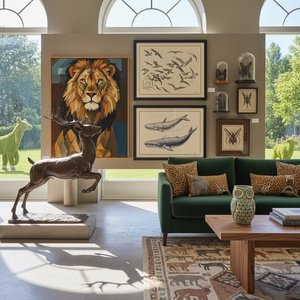
कला में पशु-प्रतीकवाद: आंतरिक सजावट में जीवन और संस्कृति का समावेश
कला में पशु-प्रतीकवाद के गहन अर्थ जानें। भारतीय और पश्चिमी कला परंपराओं से प्रेरणा लें और अपने घर को OriginalUniqueArt की उच्च गुणवत्ता वाली हस्तनिर्मित पेंटिंग से सजाएं। विशेषज्ञ मार्गदर्शन उपलब्ध।

Unmasking Emotion: A Journey Through the Raw Power and Visceral Beauty of German Expressionism
Explore the raw emotional power of German Expressionism. From Kirchner to Die Brücke, discover how artists used distortion and vibrant color to unmask the human psyche. A deep dive into art history for the discerning collector and enthusiast.
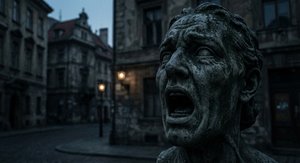
The Visceral Cry of a Nation: Exploring Emotion & Distortion in German Expressionism
Explore the powerful world of German Expressionism with OriginalUniqueArt. Discover Kirchner, Nolde & Die Brücke's emotive masterpieces. Learn about this pivotal art movement and its lasting impact on modern art.



