

 पूर्वावलोकन देखें
 भेजें
भेजें साझा करें
 विवरण देखें
 मार्गदर्शिका

 डाउनलोड करें
 समान वस्तुएं
 एक्स-रे
 स्लाइड शो देखें
 आंकड़े
The Painter's Studio
 Oil On Canvas
- WallArt
- Dutch Golden Age Realism
 1659
1659- Late Medieval
 60.0 x 47.0 cm
 Gemäldegalerie
 और पढ़ें
हस्तनिर्मित ऑयल रिप्रोडक्शन
आपके आकार और फ्रेम के अनुसार कैनवास पर हाथ से बनी ऑयल पेंटिंग, हमारे कलाकारों द्वारा विशेष रूप से ऑर्डर पर तैयार। ( प्रिंट विकल्प पर जाएँ डिजिटल इमेज पर जाएँ)




P118B ₹10

P118H ₹10

P118W ₹10

P438Z ₹10

P508JH ₹12

P508YH ₹12

P805H ₹10

P805Z ₹10

P919BZ ₹10

P919G ₹10

P919XJ ₹10

P959ZH ₹10

P968JZ ₹12

W106C ₹8

W218G ₹10

W218JH ₹8

W218Y ₹10

W307PJ ₹10

W316G ₹10

W316PJ ₹8

W316Y ₹10

W398PJ ₹8

W4111J ₹10

W500HY ₹15

W500JH ₹15

W692G ₹12

W849H ₹8

W940BG ₹15

W953PJ ₹8




कलाकृति के मूल अनुपात से मेल खाने वाले हमारे पूर्व निर्धारित आकारों में से चुनें।

अपने फ्रेम या अपनी दीवार के अनुसार आवश्यक चौड़ाई और ऊंचाई दर्ज करें। यह हाथ से पेंट किया गया है, इसलिए अलग आकार के लिए कलाकार चित्र के चारों ओर थोड़ा अधिक पेंट कर सकता है, या थोड़ा काट सकता है — चुनाव आपका है। पेंटिंग शुरू होने से पहले हम आपकी स्वीकृति के लिए एक डिजिटल मॉकअप भेजते हैं। इस पृष्ठ पर दिखाई गई तस्वीर वास्तविक परिणाम नहीं दिखाती है — केवल मॉकअप ही वास्तविक रूप दिखाता है।
ऑर्डर देने के बाद, OriginalUniqueArt.com टीम निर्देशों के लिए क्लाइंट को ईमेल करेगी और एक मॉकअप प्रीव्यू प्रदान करेगी
विश्वव्यापी वितरण () मानक 5 सप्ताह के बजाय मात्र 3/4 सप्ताह में। (25 अक्टूबर)। गुणवत्ता से कोई समझौता नहीं।

दुनिया भर में मुफ़्त एक्सप्रेस शिपिंग

प्रीमियम ग्रेड लिनेन कैनवास

पूर्ण शिपिंग बीमा

सीमा शुल्क और आयात कर वापसी की गारंटी

सटीक रंग मिलान की गारंटी

100 दिनों की वापसी नीति (केवल निर्माण दोष होने पर)

100% पैसे वापसी की गारंटी

थोक छूट का अवसर
 ग्लास का विकल्प केवल 110 सेमी से कम आकार में ही उपलब्ध है।

The Painter's Studio
प्रतिकृति की सामग्री
प्रतिकृति का आकार
-


कुल मूल्य
₹ 28764
The Painter’s Studio: A Window into Dutch Golden Age Life
Gustave Courbet's "The Painter's Studio," completed in 1855, isn’t merely a depiction of an artist at work; it’s a vibrant, layered allegory of the artistic and social landscape of mid-19th century France. More than just a snapshot of a studio scene, this monumental canvas invites us into a microcosm of society – a carefully constructed tableau populated by figures representing diverse walks of life, each contributing to the dynamic energy of Courbet’s creative world. The painting immediately captivates with its rich palette and meticulous detail, hallmarks of the Realist movement that Courbet championed, rejecting the idealized forms and mythological subjects favored by earlier artistic traditions.
At first glance, the scene unfolds as a typical artist's studio – an easel holding a landscape in progress, a nude model posing gracefully, and a young boy playfully interacting with a white cat. However, a closer examination reveals a complex web of symbolism woven throughout the composition. The left side of the painting is dominated by a series of ordinary individuals: a Jewish man, an Irishwoman, and a laborer – figures representing the everyday people who served as inspiration for Courbet’s art. A partially obscured figure on the floor, often interpreted as a crucified form, serves as a poignant reminder of the sacrifices made in pursuit of artistic expression, while simultaneously acknowledging the potential demise of traditional academic art. The central focus remains firmly on Courbet himself, diligently working on his painting of the Loue River valley – a deliberate homage to his homeland and a testament to the enduring power of nature.
A Gathering of Influences: The Right Side of the Canvas
The right side of "The Painter's Studio" transforms into a gathering of Parisian elite, each figure representing a key influence on Courbet’s artistic journey. Prominent among them are Alfred Bruyas, a wealthy patron who provided crucial financial support; Champfleury, a literary critic and fellow Realist whose writings profoundly shaped Courbet’s artistic philosophy; Pierre-Joseph Proudhon, the radical philosopher and economist; and Charles Baudelaire, the celebrated poet whose aesthetic sensibilities resonated deeply with Courbet's own. The inclusion of these figures isn’t simply decorative; it underscores the interconnectedness of art, society, and intellectual discourse during this transformative period. The portraits are not idealized representations but rather carefully observed studies, capturing each individual’s unique personality and bearing – a testament to Courbet’s keen observational skills.
The Language of Detail: Technique and Symbolism
Courbet's masterful technique is evident in every brushstroke. He employs a meticulous approach, rendering textures with astonishing realism – from the velvet folds of clothing to the rough grain of wood. The use of light and shadow creates a dramatic atmosphere, drawing the viewer’s eye across the canvas and highlighting key elements within the composition. The partially finished paintings on the back wall—a deliberate act of artistic defiance—symbolize the unfinished nature of creative endeavors and the constant pursuit of perfection. These abandoned works hint at the immense scale of Courbet's ambition and his willingness to challenge conventional artistic norms.
A Legacy of Realism: Context and Interpretation
"The Painter’s Studio" stands as a pivotal work in the history of art, encapsulating the spirit of the Realist movement. It rejects romantic idealism and embraces a commitment to portraying the world as it truly is – with all its complexities, contradictions, and social inequalities. Courbet's painting wasn't merely an artistic statement; it was a bold declaration of independence from the established art establishment. The work’s enduring appeal lies in its ability to resonate with viewers across generations, prompting reflection on the nature of creativity, the role of society, and the power of art to shape our understanding of the world. Reproductions of this iconic painting offer a remarkable opportunity to bring this vibrant tableau into your own home, serving as a constant reminder of Courbet’s revolutionary vision.
प्रश्न और उत्तर
मैं "The Painter's Studio" का पूर्वावलोकन (preview) कहाँ देख सकता हूँ?
फ्रांस वैन मिएरिस द्वारा "The Painter's Studio" की प्रतिकृति का पूर्वावलोकन करने के लिए, कलाकृति का पूर्वावलोकन पेज खोलें।
फ्रांस वैन मिएरिस द्वारा "The Painter's Studio" किस कमरे के लिए उपयुक्त है?
फ्रांस वैन मिएरिस द्वारा "The Painter's Studio" के लिए अनुशंसित स्थान एक Living Room है। बेशक, इस सुझाव को आपके इंटीरियर के अनुसार बदला जा सकता है।
"The Painter's Studio" को कितने लोग देखते हैं?
फ्रांस वैन मिएरिस द्वारा "The Painter's Studio" के बारे में आँकड़े कलाकृति के आंकड़े पृष्ठ पर उपलब्ध हैं: कलाकृति की मासिक यात्राएँ, कलाकार की कृतियों की यात्राएँ, और हाल के आगंतुकों का देश और भाषा के आधार पर विवरण।
कलाकार का परिचय
बारीकियों में डूबा एक जीवन: फ्रांस वैन मिरीस द एल्डर की दुनिया
फ्रांस वैन मिरीस द एल्डर, एक ऐसा नाम जो सूक्ष्म विवरण और परिष्कृत कलात्मकता का पर्याय है, डच स्वर्ण युग (Dutch Golden Age) में एक अत्यंत महत्वपूर्ण स्थान रखते हैं। 1635 में लीडेन में जन्मे, उनका मार्ग उनके परिवार के स्वर्णकार के व्यवसाय—जिसका अभ्यास उनके पिता जान बास्टिएन्ज़ वैन मिरीस करते थे—से अलग होकर चित्रकला की मंत्रमुग्ध कर देने वाली दुनिया की ओर मुड़ गया। रेखाचित्रों के प्रति उनके इस प्रारंभिक झुकाव ने एक ऐसे करियर की नींव रखी, जिसने "फिनशिल्डर" (fijnschilder) शैली को परिभाषित किया और 17वीं शताब्दी के डच समाज की एक अंतरंग झलक प्रस्तुत की। अब्राहम तोरेनव्लिट के मार्गदर्शन में उनके शुरुआती प्रशिक्षण और उसके बाद प्रतिष्ठित गेरिट डो से प्राप्त महत्वपूर्ण शिक्षा ने एक सुदृढ़ आधार तैयार किया, जिस पर उन्होंने अपनी विशिष्ट कलात्मक आवाज़ का निर्माण किया। इन प्रारंभिक वर्षों ने न केवल उनमें तकनीकी कौशल विकसित किया, बल्कि कथात्मक सूक्ष्मता और सूक्ष्म अवलोकन की शक्ति के प्रति एक गहरी समझ भी पैदा की।एक ‘फिनशिल्डर’ का उदय
वैन मिरीस जल्द ही *फिनशिल्डर* के उस्ताद के रूप में प्रसिद्ध हो गए—यह एक डच शब्द है जिसका अर्थ है "सुंदर या सूक्ष्म चित्रकला।" इस तकनीक की विशेषता विवरणों पर लगभग जुनूनी ध्यान, चिकने और पॉलिश किए हुए ब्रशवर्क, और छोटे आकार के कैनवस के प्रति प्राथमिकता थी। यह केवल वास्तविकता की नकल करने के बारे में नहीं था; यह अत्यंत सटीकता के माध्यम से उसे ऊंचाइयों तक ले जाने के बारे में था। उनके चित्रों की सतहें जीवन से झिलमिलाती हुई प्रतीत होती हैं—साटन की चमकदार चमक, मखमल की कोमल बनावट, धातु की चमक—सब कुछ आश्चर्यजनक सटीकता के साथ उकेरा गया है। उन्होंने केवल एक कमरे का चित्र नहीं बनाया; बल्कि उन्होंने उसके भीतर के वातावरण को ही पुनर्जीवन दिया, जिससे दर्शक घरेलूता और समृद्धि के दृश्यों में आमंत्रित महसूस करते थे। उनके विषय अक्सर धनी लोगों के जीवन के इर्द-गिर्द घूमते थे: भव्य सभाएं, विस्तृत आंतरिक सज्जा, और ऐसे चित्र जो न केवल समानता बल्कि चरित्र को भी कैद करते थे। सीप के लंच, मरीजों की देखभाल करते डॉक्टर, और दैनिक कार्यों में लगी महिलाओं जैसे आवर्ती विषय उच्च वर्गों की आदतों और सामाजिक रीति-रिवाजों की खिड़कियां प्रदान करते थे। हालांकि शुरुआत में गेरिट डो की शैली से गहराई से प्रभावित थे, लेकिन वैन मिरीस ने धीरे-धीरे अपना अनूठा दृष्टिकोण विकसित किया। वे विवरणों की अति से हटकर आकृतियों के बीच की अंतःक्रिया और रचनाओं के भीतर उभरती कहानियों पर अधिक जोर देने लगे। उनके बाद के कार्यों में कभी-कभी शुरुआती चित्रों की तुलना में गहरे रंग दिखाई देते हैं, जो बढ़ती परिपक्वता और कलात्मक अन्वेषण को दर्शाते हैं।महत्वपूर्ण कृतियाँ और स्थायी विरासत
कई प्रमुख कृतियाँ वैन मिरीस के कौशल और विकसित होती शैली के प्रमाण के रूप में खड़ी हैं। डॉक्टर का दौरा (1657), जिसे उनके सबसे शुरुआती दिनांकित और सबसे महत्वपूर्ण कार्यों में से एक माना जाता है, डो के प्रभाव से उनकी उभरती स्वतंत्रता को प्रदर्शित करता है। यह पेंटिंग एक चिकित्सा परीक्षण के शांत तनाव को पकड़ने में एक उत्कृष्ट उदाहरण है, जिसे आश्चर्यजनक यथार्थवाद के साथ प्रस्तुत किया गया है। उनका Self-Portrait with a Cittern उतना ही सम्मोहक है, जो भव्य पहनावे को चित्रित करने की उनकी क्षमता को प्रदर्शित करता है और साथ ही व्यक्तित्व और आत्मनिरीक्षण की भावना को भी व्यक्त करता है। कलाकार की पत्नी, कुनेरा वैन डर कोक का चित्र, उनके चित्रकला कौशल का उदाहरण है, जो तकनीकी कौशल और *चियारोस्कुरो* (chiaroscuro)—प्रकाश और छाया के नाटकीय खेल—की समझ दोनों को उजागर करता है। शैलीगत दृश्यों और चित्रों के अलावा, वैन मिरीस ने रूपक चित्रों (allegorical paintings) में भी हाथ आजमाया, जैसे कि शराब पीने, धूम्रपान करने और जुआ खेलने जैसे दोषों को दर्शाने वाले चित्र, जो उनकी कलात्मक क्षमताओं की व्यापकता को प्रदर्शित करते हैं। फ्रांस वैन मिरीस का प्रभाव उनके अपने जीवनकाल से कहीं आगे तक फैला हुआ था। उनका प्रभाव उनके परिवार के भीतर भी गूंजा; उनके पुत्र विलेम वैन मिरीस (1662–1747) और पोते फ्रांस वैन मिरीस द यंगर (1689–1763) दोनों ही कुशल शैली चित्रकार बने, जिससे इस कलात्मक परंपरा को निरंतरता मिली। उनकी शैली की लोकप्रियता ने कई नकल करने वालों को भी जन्म दिया, जिनमें सबसे प्रमुख ए. डी. स्नैफन थे, जिन्होंने लीपज़िग में काम किया और एनहाल्ट-डेसाउ के दरबार से संरक्षण प्राप्त किया।डच कला में एक स्थायी योगदान
फ्रांस वैन मिरीस ने डच स्वर्ण युग की चित्रकला के भीतर *फिनशिल्डर* आंदोलन को आकार देने में महत्वपूर्ण भूमिका निभाई। सूक्ष्म विवरणों के प्रति उनका समर्पण, रोजमर्रा के जीवन और उच्च वर्ग के समाज का यथार्थवादी चित्रण, और तकनीकी प्रतिभा ने उस युग में महत्वपूर्ण योगदान दिया जो पहले से ही अपने कलात्मक नवाचार के लिए प्रसिद्ध था। उन्हें आर्कड्यूक लियोपोल्ड और कोसिमो III डी' मेडिची सहित प्रमुख हस्तियों से संरक्षण प्राप्त हुआ, जो उनकी प्रतिभा की अंतरराष्ट्रीय मान्यता का प्रमाण है। आज भी, उनके कार्य अपनी उत्कृष्ट शिल्प कौशल और 17वीं शताब्दी की संस्कृति के अंतर्दृष्टिपूरक चित्रण के साथ दर्शकों को मंत्रमुग्ध करना जारी रखते हैं। सिडनी में आर्ट गैलरी ऑफ न्यू साउथ वेल्स से एक आत्म-चित्र की चोरी उनकी कला के स्थायी मूल्य और आकर्षण की एक मार्मिक याद दिलाती है—एक ऐसी विरासत जो संग्राहकों और कला प्रेमियों को समान रूप से प्रेरित और जिज्ञासु करती रहती है। उनके चित्र केवल ऐतिहासिक अवशेष नहीं हैं; वे बीते हुए युग की खिड़कियां हैं, जिन्हें बड़ी सावधानी से बनाया गया है और कालातीत सुंदरता से सराबोर किया गया है।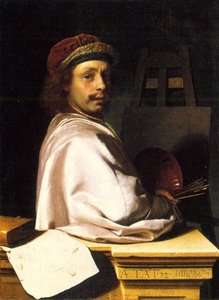
फ्रांस वैन मिएरिस
1635 - 1681 , नीदरलैंड
संक्षिप्त जानकारी
- Artistic Movement Or Style: फिनशिल्डर (Fijnschilder), शैली चित्रकला (Genre painting)
- Artists Or Movements Influenced By This Artist:
- विलेम वैन मीरिस
- फ्रांस वैन मीरिस द यंगर
- ए. डी. स्नैफ़ान
- Artists Who Influenced This Artist:
- गेरिट डॉउ
- अब्राहम वैन डेन टेम्पेल
- Date Of Birth: 1635
- Date Of Death: 1681
- Full Name: फ्रांस वैन मीरिस द एल्डर
- Nationality: डच
- Notable Artworks:
- डॉक्टर का दौरा (Doctor's Visit)
- सिटर्न के साथ आत्म-चित्र (Self-Portrait with a Cittern)
- संगीत कंपनी (Musical Company)
- डुएट (Duet)
- Place Of Birth: लाइडन, नीदरलैंड
संबंधित लेखों की सूची

Golden Light & Dutch Skies: The Timeless Magic of Dutch Golden Age Landscapes
Discover the breathtaking beauty of Dutch Golden Age landscapes. Explore the mastery of light, chiaroscuro, and 17th-century realism through an expert art history lens, celebrating the enduring legacy of the Dutch Masters for discerning collectors and art lovers.

Illuminating Innovation: Exploring the Dutch Golden Age of Painting
Explore the Dutch Golden Age of painting with OriginalUniqueArt. Discover Rembrandt, Vermeer & other Masters. Learn about key characteristics, iconic artworks, and lasting influence. Expert insights for collectors & enthusiasts.

डच स्वर्ण युग की शीर्ष 10 कृतियाँ: कला और घर में वैभव का अनुभव | OriginalUniqueArt
डच स्वर्ण युग की 10 उत्कृष्ट कृतियाँ! रेम्ब्रांट, वर्मीर और वैन एइक जैसे महान कलाकारों के वैभवशाली कलाकृतियों का अन्वेषण करें। क्लासिक डच चित्रकला, तेल चित्रों और घर की सजावट के लिए प्रेरणा पाएं। OriginalUniqueArt.com पर सभी उत्कृष्ट कृतियाँ देखें!

रेम्ब्रांद्ट की शीर्ष 25 कलाकृतियाँ: इतिहास, कहानी और दृश्य वैभव | OriginalUniqueArt
रेम्ब्रांद्ट की शीर्ष 25 कलाकृतियों का अन्वेषण करें! डच गोल्डन एज के इस महान चित्रकार की कहानियाँ, तकनीक और दृश्य वैभव जानें। घर की सजावट के लिए उच्च गुणवत्ता वाले कला प्रिंट खरीदें - OriginalUniqueArt.com पर संपूर्ण संग्रह देखें।

Mastering Light & Shadow: A Journey Through the Dutch Golden Age's Luminous Legacy
Embark on a cultural journey through the Dutch Golden Age. Explore the masterful interplay of light and shadow in 17th-century masterpieces, from Rembrandt to Vermeer, and discover how this era of profound realism continues to inspire fine art collectors today.