पूर्वावलोकन देखें
 साझा करें
 साझा करें
 विस्तृत विवरण

 डाउनलोड करें
 समान कलाकृतियाँ
 एक्स-रे
 स्लाइड शो देखें
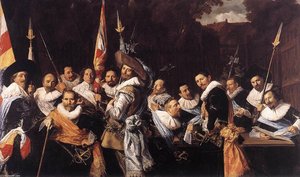
Lucas de Clercq
 Oil
Oil- WallArt
- Dutch Golden Age Portraiture
 1635
1635- Early Modern
 126.0 x 93.0 cm
 रिक्सम्यूजियम
 पूरा देखें
गिक्ली / आर्ट प्रिंट
तेज़ उत्पादन और विभिन्न फिनिश विकल्पों के साथ म्यूजियम-क्वालिटी गिकली (giclée) या कैनवस प्रिंट। ( हाथ से बनी पेंटिंग खरीदें छवि खरीदें)




P118B $10

P118H $10

P118W $10

P438Z $10

P508JH $12

P508YH $12

P805H $10

P805Z $10

P919BZ $10

P919G $10

P919XJ $10

P959ZH $10

P968JZ $12

W106C $8

W218G $10

W218JH $8

W218Y $10

W307PJ $10

W316G $10

W316PJ $8

W316Y $10

W398PJ $8

W4111J $10

W500HY $15

W500JH $15

W692G $12

W849H $8

W940BG $15

W953PJ $8




कलाकृति के मूल अनुपात से मेल खाने वाले हमारे पूर्व निर्धारित आकारों में से चुनें।

आप किसी विशिष्ट फ्रेम या स्थान के अनुसार अपने स्वयं के आयाम (dimensions) दर्ज कर सकते हैं। यदि आपके द्वारा चुना गया आकार मूल छवि के अनुपात से मेल नहीं खाता है, तो हम कलाकृति को क्रॉप कर देंगे या मिरर किए गए या सॉलिड-फिल किनारे के साथ छवि का विस्तार करेंगे। उत्पादन शुरू होने से पहले आपकी स्वीकृति के लिए एक डिजिटल मॉकअप भेजा जाएगा।
कृपया ध्यान दें कि स्क्रीन पर दिखने वाला प्रीव्यू वास्तविक क्रॉपिंग या विस्तार को नहीं दर्शाता है। केवल मॉकअप ही अंतिम संरचना को सटीक रूप से दिखाएगा।
हालाँकि कस्टम आकार उपलब्ध हैं, फिर भी हम मूल अनुपात बनाए रखने के लिए पूर्व-निर्धारित सूची में से एक आयाम चुनने की सलाह देते हैं।
विश्वव्यापी डिलीवरी (), मानक 4/5 सप्ताह के बजाय मात्र 2 सप्ताह में। (27 अगस्त)

दुनिया भर में मुफ़्त एक्सप्रेस शिपिंग

उच्च गुणवत्ता वाला लिनेन कैनवास

पूर्ण शिपिंग बीमा

सीमा शुल्क और आयात कर वापसी की गारंटी

सटीक रंग मिलान की गारंटी

60-दिन की वापसी नीति (केवल दोषों के लिए)

100% पैसे वापसी की गारंटी

थोक छूट का लाभ
 ग्लास का विकल्प केवल 110 सेमी से कम आकार में ही उपलब्ध है।

Lucas de Clercq
गिक्ली / आर्ट प्रिंट
प्रतिकृति का आकार
-


कुल देय राशि
$ 80
A Glimpse into Haarlem’s Golden Soul
In the heart of the Dutch Golden Age, amidst the bustling commerce and burgeoning intellectual fervor of 17th-century Haarlem, Frans Hals I captured something far more profound than a mere likeness. His portrait of Lucas de Clercq stands as a breathtaking testament to an era defined by both prosperity and piety. As we gaze upon this masterpiece, we are not simply looking at a man, but rather stepping into the very soul of a period where the lines between mercantile success and spiritual devotion were beautifully intertwined. De Clercq, a prominent Mennonite businessman, is presented with a striking sense of presence that commands the room, offering a window into the understated elegance and quiet confidence of the Haar/Mennonite community.
The painting serves as a poignant historical document, reflecting the social fabric of a society navigating the turbulent waters of religious and political change. Through Hals’s lens, we see the dignity of the merchant class—a group whose wealth was built on industry yet whose lifestyle was anchored in the sober, disciplined values of their faith. This tension between worldly achievement and spiritual humility is palpable in every stroke, making the work an essential piece for any collector who appreciates art that tells a deep, human story.
The Mastery of the Expressive Brush
What truly distinguishes this work from the meticulous, almost photographic precision of his contemporaries is Hals’s revolutionary approach to technique. He was a master of the alla prima style, utilizing a loose, spontaneous brushstroke that feels remarkably modern even centuries later. Rather than hiding his hand behind layers of smooth, blended glazes, Hals deliberately left visible traces of his movement across the canvas. This creates a palpable energy, a sense of vitality that makes the subject feel as though he might breathe or shift at any moment.
The artist’s use of chiaroscuro—the dramatic interplay between light and shadow—is nothing short of cinematic. Light cascades across De Clercq’s face and torso, sculpting his muscular physique and highlighting the textures of his attire with brilliant clarity. This strategic illumination does more than just define form; it directs the viewer's emotional journey, pulling our eyes toward the subject's gaze and the subtle details of his expression. For interior designers, this dramatic lighting provides a focal point that can transform the atmosphere of a room, adding depth, sophistication, and a sense of classical grandeur to any curated space.
Symbolism and the Spirit of the Age
Every element within the composition is imbued with a layer of meaning that rewards the attentive observer. The inclusion of a pipe in De Clercq’s hand is far from a casual accessory; it serves as a sophisticated symbol of both status and contemplation. In the context of the 17th century, such an object suggested a man of intellect and leisure, someone capable of quiet reflection amidst a life of active commerce. This subtle nod to the humanist ideals of the era adds a layer of intellectual richness to the portrait.
Furthermore, the attire—the crisp white collar and the rich red cravat—speaks to the "understated elegance" favored by the Mennonite elite. It is a study in controlled opulence, where wealth is displayed through quality and texture rather than gaudy ornamentation. To possess a reproduction of this work is to invite a piece of history into one's home that celebrates the enduring values of character, stability, and refined taste. Whether placed in a private study or a grand living area, the portrait of Lucas de Clercq acts as an anchor of timelessness, bridging the gap between the triumphs of the Dutch Golden Age and the aesthetic desires of the modern connoisseur.
कलाकार का जीवन परिचय
फ्रांस हाल्स प्रथम: जीवन और कला का अद्भुत संगम
फ्रांस हाल्स प्रथम, जिनका जन्म लगभग 1580 में एंटवर्प, बेल्जियम में हुआ था, डच स्वर्ण युग के सबसे महत्वपूर्ण चित्रकारों में से एक थे। उनकी प्रारंभिक जीवन की जानकारी बहुत कम है, लेकिन वे अपनी नवीन चित्रकला और शैलीगत दृश्यों के लिए प्रसिद्ध हुए। हाल्स ने न केवल चित्रों को बनाया, बल्कि उन्होंने अपने ब्रशस्ट्रोक्स में भावनाओं और व्यक्तित्व को जीवंत कर दिया। उनका कार्य डच समाज की समृद्धि और व्यक्तिगतता को दर्शाता है, जो उस समय के बदलते मूल्यों का प्रतीक था।
प्रारंभिक जीवन और प्रशिक्षण
हाल्स के शुरुआती वर्षों के बारे में बहुत कम जानकारी उपलब्ध है। ऐसा माना जाता है कि उन्होंने एंटवर्प में कला की प्रारंभिक शिक्षा प्राप्त की थी, जो उस समय चित्रकला का एक महत्वपूर्ण केंद्र था। हालांकि, धार्मिक और राजनीतिक उथल-पुथल के कारण उनका परिवार नीदरलैंड के हार्लेम शहर में चला गया। 1610 में, वे हार्लेम के सेंट ल्यूक गिल्ड के सदस्य बने, जिसने उनके पेशेवर करियर की औपचारिक शुरुआत को चिह्नित किया। एंटवर्प में प्राप्त प्रारंभिक प्रशिक्षण ने उन्हें कला के मूलभूत सिद्धांतों से परिचित कराया, लेकिन हार्लेम में आकर उन्होंने अपनी अनूठी शैली विकसित की।
कलात्मक विकास और विशिष्ट शैली
हाल्स ने एक अद्भुत रूप से ताज़ा और सहज शैली के माध्यम से खुद को अलग किया। उनके समकालीन कलाकारों के विपरीत, जो विस्तृत विवरणों पर ध्यान केंद्रित करते थे, हाल्स ने ढीले और अभिव्यंजक ब्रशस्ट्रोक्स का उपयोग किया। इस तकनीक ने उनकी पेंटिंग में तात्कालिकता और जीवंतता की भावना भर दी, जिससे उनके विषयों के व्यक्तित्व और चरित्र को एक क्रांतिकारी तरीके से चित्रित किया गया। उनकी चित्रकला सिर्फ चेहरे नहीं थी; वे मनोवैज्ञानिक अध्ययन थे। हाल्स ने हँसी, बातचीत या चिंतन जैसे क्षणिक पलों को चित्रित करने में उत्कृष्टता हासिल की। प्रकाश और छाया का उनका उपयोग रचनाओं में गहराई और नाटकीयता जोड़ता था।
प्रमुख कार्य और योगदान
हाल्स ने कई उत्कृष्ट कार्यों का निर्माण किया, लेकिन वे अपनी पोर्ट्रेट पेंटिंग के लिए सबसे ज्यादा जाने जाते हैं। उनके कुछ सबसे प्रसिद्ध चित्रों में शामिल हैं: द लाफिंग कैवेलियर (1624) – यह उनकी चरित्र और गति को पकड़ने की क्षमता का एक उत्कृष्ट उदाहरण है। मल्ले बाबबे (सी. 1633-1635) – यह एक बुजुर्ग महिला का प्रभावशाली चित्रण है, जो हाल्स की उम्र और व्यक्तित्व को चित्रित करने के कौशल को दर्शाता है। हार्लेम में पुराने पुरुषों के घर के रीजेंट्स के पोर्ट्रेट (1664) - यह समूह चित्रकला में उनकी महारत को प्रदर्शित करता है। उन्होंने रोजमर्रा की जिंदगी के दृश्यों का भी निर्माण किया, जो डच समाज की झलक पेश करते थे।
प्रभाव और विरासत
हाल्स के प्रत्यक्ष प्रभावों का निर्धारण करना चुनौतीपूर्ण है, क्योंकि उन्होंने एक अत्यधिक व्यक्तिगत शैली विकसित की थी। हालांकि, यह संभावना है कि वे पहले फ्लेमिश चित्रकारों जैसे पीटर ब्रूगेल द एल्डर के कार्यों से परिचित थे। उनकी नवीन चित्रकला दृष्टिकोण ने बाद की पीढ़ियों के कलाकारों पर गहरा प्रभाव डाला। उन्होंने एड्रियान ब्रोवर और जोहानेस वर्मीर जैसे कलाकारों को प्रभावित किया। व्यक्तित्व को पकड़ने पर उनके जोर ने अधिक अंतरंग और मनोवैज्ञानिक पोर्ट्रेट का मार्ग प्रशस्त किया। बाद के कलाकारों, जिनमें प्रभाववादी भी शामिल थे, ने उनके ढीले ब्रशवर्क और प्रकाश पर ध्यान केंद्रित करने की प्रशंसा की।
ऐतिहासिक महत्व
फ्रांस हाल्स प्रथम ने डच स्वर्ण युग के दौरान डच चित्रकला को आकार देने में महत्वपूर्ण भूमिका निभाई। उनका कार्य उस समय के नीदरलैंड की बढ़ती समृद्धि और व्यक्तिवाद को दर्शाता है। उन्होंने कठोर औपचारिकता से दूर रहकर एक अधिक प्राकृतिक और अभिव्यंजक शैली अपनाई, जिससे कला जगत पर एक स्थायी विरासत बनी। आज, उनकी पेंटिंग अत्यधिक मांग में हैं और दुनिया भर के प्रमुख संग्रहालयों में पाई जा सकती हैं, जिनमें हार्लेम में फ्रांस हाल्स संग्रहालय शामिल है, जिसमें उनके कार्यों का सबसे बड़ा संग्रह है। उनका योगदान सदियों बाद भी कलाकारों को प्रेरित करता है और दर्शकों को मोहित करता रहता है।

फ्रांस हाल्स प्रथम
1580 - 1585 , बेल्जियम
मुख्य तथ्य
- कला आंदोलन: डच स्वर्ण युग
- किसके द्वारा प्रभावित:
- एड्रियान ब्रोवर
- जोहानेस वर्मीर
- जन्म तिथि: लगभग 1580
- जन्म स्थान: एंटवर्प, बेल्जियम
- पूरा नाम: फ्रांस हाल्स I
- प्रभावित कलाकार: ['पीटर ब्रूगल द एल्डर']
- प्रमुख कलाकृतियाँ:
- द लाफिंग कैवेलियर
- माल्ले बाबबे
- मृत्यु तिथि: 1666
- राष्ट्रीयता: डच
संबंधित लेख

Frans Hals I: Innovation, Intimacy & the Dutch Golden Age Portrait
Explore the revolutionary portraiture of Frans Hals I, a master of the Dutch Golden Age. Discover his innovative techniques, captivating character studies & lasting impact on art history. Learn more at OriginalUniqueArt.

डच स्वर्ण युग की शीर्ष 10 कृतियाँ: कला और घर में वैभव का अनुभव | OriginalUniqueArt
डच स्वर्ण युग की 10 उत्कृष्ट कृतियाँ! रेम्ब्रांट, वर्मीर और वैन एइक जैसे महान कलाकारों के वैभवशाली कलाकृतियों का अन्वेषण करें। क्लासिक डच चित्रकला, तेल चित्रों और घर की सजावट के लिए प्रेरणा पाएं। OriginalUniqueArt.com पर सभी उत्कृष्ट कृतियाँ देखें!

Golden Light & Dutch Skies: The Timeless Magic of Dutch Golden Age Landscapes
Discover the breathtaking beauty of Dutch Golden Age landscapes. Explore the mastery of light, chiaroscuro, and 17th-century realism through an expert art history lens, celebrating the enduring legacy of the Dutch Masters for discerning collectors and art lovers.

Illuminating Innovation: Exploring the Dutch Golden Age of Painting
Explore the Dutch Golden Age of painting with OriginalUniqueArt. Discover Rembrandt, Vermeer & other Masters. Learn about key characteristics, iconic artworks, and lasting influence. Expert insights for collectors & enthusiasts.
Illuminating Realism: Exploring the Dutch Golden Age of Painting (1600-1700)
Explore the Dutch Golden Age of painting (1600-1700) with OriginalUniqueArt. Discover Rembrandt, Vermeer & other masters. Learn about techniques, history & find museum-quality reproductions.