

 पूर्वावलोकन देखें
 साझा करें
 साझा करें
 विस्तृत विवरण

 डाउनलोड करें
 समान कलाकृतियाँ
 एक्स-रे
 स्लाइड शो देखें
Venus at Vulcan
 Oil On Canvas
- WallArt
- Rococo
 1769
1769 273.0 x 204.0 cm
 Kimbell Art Museum
 पूरा देखें
गिक्ली / आर्ट प्रिंट
तेज़ उत्पादन और विभिन्न फिनिश विकल्पों के साथ म्यूजियम-क्वालिटी गिकली (giclée) या कैनवस प्रिंट। ( हाथ से बनी पेंटिंग खरीदें छवि खरीदें)




P118B $10

P118H $10

P118W $10

P438Z $10

P508JH $12

P508YH $12

P805H $10

P805Z $10

P919BZ $10

P919G $10

P919XJ $10

P959ZH $10

P968JZ $12

W106C $8

W218G $10

W218JH $8

W218Y $10

W307PJ $10

W316G $10

W316PJ $8

W316Y $10

W398PJ $8

W4111J $10

W500HY $15

W500JH $15

W692G $12

W849H $8

W940BG $15

W953PJ $8




कलाकृति के मूल अनुपात से मेल खाने वाले हमारे पूर्व निर्धारित आकारों में से चुनें।

आप किसी विशिष्ट फ्रेम या स्थान के अनुसार अपने स्वयं के आयाम (dimensions) दर्ज कर सकते हैं। यदि आपके द्वारा चुना गया आकार मूल छवि के अनुपात से मेल नहीं खाता है, तो हम कलाकृति को क्रॉप कर देंगे या मिरर किए गए या सॉलिड-फिल किनारे के साथ छवि का विस्तार करेंगे। उत्पादन शुरू होने से पहले आपकी स्वीकृति के लिए एक डिजिटल मॉकअप भेजा जाएगा।
कृपया ध्यान दें कि स्क्रीन पर दिखने वाला प्रीव्यू वास्तविक क्रॉपिंग या विस्तार को नहीं दर्शाता है। केवल मॉकअप ही अंतिम संरचना को सटीक रूप से दिखाएगा।
हालाँकि कस्टम आकार उपलब्ध हैं, फिर भी हम मूल अनुपात बनाए रखने के लिए पूर्व-निर्धारित सूची में से एक आयाम चुनने की सलाह देते हैं।
विश्वव्यापी डिलीवरी (), मानक 4/5 सप्ताह के बजाय मात्र 2 सप्ताह में। (15 अगस्त)

दुनिया भर में मुफ़्त एक्सप्रेस शिपिंग

उच्च गुणवत्ता वाला लिनेन कैनवास

पूर्ण शिपिंग बीमा

सीमा शुल्क और आयात कर वापसी की गारंटी

सटीक रंग मिलान की गारंटी

60-दिन की वापसी नीति (केवल दोषों के लिए)

100% पैसे वापसी की गारंटी

थोक छूट का लाभ
 ग्लास का विकल्प केवल 110 सेमी से कम आकार में ही उपलब्ध है।

Venus at Vulcan
गिक्ली / आर्ट प्रिंट
प्रतिकृति का आकार
-


कुल देय राशि
$ 80
संग्रहणीय वस्तु का विवरण
The Genesis of a Mythic Union
François Boucher’s “Venus at Vulcan’s Forge,” painted in 1769, isn't merely a depiction of mythological figures; it’s a vibrant embodiment of reconciliation and the potent dance between opposing forces. Rooted firmly within the opulent Rococo style that defined late 18th-century France, the painting transports us to a dramatic tableau inspired by Virgil’s *Aeneid*. Here, Venus, goddess of love and beauty, and Vulcan, god of fire and craftsmanship, find themselves caught in a passionate embrace amidst a swirling storm of celestial drama. Boucher masterfully captures this pivotal moment – not of creation, but of a deliberate union forged from the heart of conflict, suggesting that even the most formidable adversaries can be brought together through irresistible desire.
- The Narrative Core: The scene unfolds as Venus, radiant and alluring, initiates Vulcan into her world. He, in turn, is utterly captivated by her beauty, abandoning his forge and duties to succumb entirely to the force of her allure.
- A Virgilian Echo: Boucher meticulously recreates a key passage from Virgil’s epic poem, where Venus persuades Vulcan to craft weapons for her son Aeneas. This narrative thread imbues the painting with layers of classical allusion and dramatic intensity.
Rococo Grandeur and Technical Brilliance
Boucher's skill as a painter is immediately apparent in the lavish detail and dynamic composition of “Venus at Vulcan’s Forge.” The Rococo style, characterized by its emphasis on elegance, ornamentation, and emotional expression, is flawlessly executed here. The painting utilizes strong diagonals to create a sense of movement and depth, drawing the viewer's eye upwards from the chaotic ground level – littered with Roman soldiers engaged in battle – towards the serene, cloud-draped realm where Venus and Vulcan reside. The artist’s masterful brushwork builds layers of texture and luminosity, creating an almost palpable richness that invites close inspection. Notice how Boucher employs a technique known as *glazing*, applying thin, translucent layers of paint to achieve subtle color variations and atmospheric effects – particularly evident in the billowing clouds and the shimmering fabrics adorning the gods.
Technique Highlights:- Glazing: Layered translucent paints for depth and luminosity.
- Dynamic Composition: Strong diagonals create movement and visual interest.
- Rich Textures: Detailed brushwork builds a sense of volume and realism.
Symbolism Woven into the Canvas
Beyond its narrative core, “Venus at Vulcan’s Forge” is rich in symbolic meaning. The sword, prominently displayed, represents victory and the power of Vulcan's craft – a testament to his skill as a blacksmith. The flames themselves symbolize not just destruction but also creation and transformation, reflecting Vulcan’s dual role as both destroyer and builder. The angelic figures surrounding Venus and Vulcan serve as witnesses to this divine union, suggesting a higher purpose behind their passionate encounter. Even the placement of the Roman soldiers below underscores the painting's central theme: the potential for harmony between opposing forces – love and war, creation and destruction, beauty and power.
Key Symbols:- Sword: Victory, craftsmanship, power.
- Flames: Creation, transformation, destruction.
- Angelic Figures: Divine intervention, harmony.
A Legacy of Elegance and Influence
François Boucher’s “Venus at Vulcan’s Forge” stands as a quintessential example of Rococo artistry – a testament to the era's fascination with beauty, sensuality, and mythological narratives. Its influence can be seen in countless subsequent works of art, shaping the aesthetic sensibilities of generations of artists. Reproductions of this captivating painting continue to resonate today, offering a glimpse into the opulent world of 18th-century France and reminding us of the enduring power of myth, love, and artistic mastery. The painting’s vibrant colors, dynamic composition, and profound symbolism make it a truly unforgettable masterpiece.
कलाकार का जीवन परिचय
फ्रांस्वा बूशे: रोकोको युग के एक महान कलाकार
फ्रांस्वा बूशे (1703-1770) अठारहवीं सदी के फ्रांसीसी कला जगत में एक महत्वपूर्ण व्यक्ति थे, जो रोकोको युग के सबसे प्रसिद्ध चित्रकारों में से एक माने जाते हैं। उनकी रचनाएँ उस प्रभावशाली शैली की सुंदरता, कामुकता और चंचल भावना को दर्शाती हैं। बूशे का जीवन कलात्मक प्रतिभा और शाही संरक्षण का संगम था, जिसने उन्हें फ्रांसीसी कला इतिहास में एक अद्वितीय स्थान दिलाया।
प्रारंभिक जीवन और प्रशिक्षण
फ्रांस्वा बूशे का जन्म 29 सितंबर, 1703 को पेरिस, फ्रांस में हुआ था। उनकी कलात्मक यात्रा उनके पिता, जीन बूशे, जो स्वयं एक चित्रकार थे, की देखरेख में शुरू हुई। जब वे केवल सत्रह वर्ष के थे, तब उनका ध्यान फ्रांस्वा लेमोइन पर गया, जिसके परिणामस्वरूप एक संक्षिप्त लेकिन प्रभावशाली प्रशिक्षुता हुई। उन्होंने बाद में उत्कीर्णक जीन-फ्रांस्वा कार्स से भी कौशल प्राप्त किया, इससे पहले कि उन्होंने एक महत्वपूर्ण उपलब्धि हासिल की: 1720 में प्रतिष्ठित ग्रैंड प्रिक्स डे रोम जीतना। यह पुरस्कार उन्हें इटली जाने का अवसर प्रदान करता था, जो उनके कलात्मक विकास के लिए निर्णायक साबित हुआ।
कलात्मक विकास और प्रसिद्धि की ओर
इटली में बूशे का समय परिवर्तनकारी रहा। वहां उन्होंने शास्त्रीय कला का अध्ययन किया और अपनी शैली को निखारा। फ्रांस लौटने पर, उन्हें 1731 में एकेडेमी रॉयल डे पेंटुर एट डे स्कल्पचर में प्रवेश मिला। उनकी *मोर्सो डे रिसेप्शन*, “रिनाल्डो एंड आर्मिडा” (1734) ने तुरंत उन्हें रोकोको शैली के एक कुशल कलाकार के रूप में स्थापित कर दिया। इस अवधि में उनकी कलात्मक आवाज पूरी तरह से उभर आई, जो नाजुक ब्रशवर्क, हल्के पेस्टल रंगों और पौराणिक और ग्रामीण विषयों पर जोर देने की विशेषता थी। बूशे की रचनाएँ जल्द ही अपनी सुंदरता और कामुकता के लिए जानी जाने लगीं, जिससे उन्हें शाही दरबारों का संरक्षण प्राप्त हुआ।
प्रमुख कार्य और विषय-वस्तु
बूशे की कलात्मक कृतियाँ विविध हैं, जिनमें पौराणिक कथाएँ, चित्रकला, शैलीगत दृश्य और सजावटी कला शामिल हैं। उनके कुछ सबसे प्रसिद्ध कार्यों में शामिल हैं:
- “द ब्रेकफास्ट” (1739): यह एक आकर्षक चित्रण है जो उनकी पत्नी और बच्चों को दर्शाता है।
- “द ट्रायम्फ ऑफ वीनस” (1740-1751): चित्रों की यह श्रृंखला बूशे की पौराणिक कथाओं के वर्णन में महारत का प्रदर्शन करती है।
- मैडम डे पोम्पडोर के कई चित्र, जो किंग लुई XV की प्रभावशाली मालकिन थीं, जिसने दरबार में उनकी स्थिति को मजबूत किया।
- “द सेटिंग ऑफ द सन” जैसे परिदृश्य चित्र, जो प्रकृति के एक गीतात्मक और आदर्शवादी दृष्टिकोण का प्रदर्शन करते हैं।
बूशे की रचनाओं में प्रेम, सौंदर्य, अवकाश और पौराणिक दुनिया के आदर्शवाद जैसे विषय बार-बार दिखाई देते हैं। उनकी पेंटिंग अक्सर चंचल कामुकता और परिष्कृत सुंदरता की भावना जगाती हैं। बूशे ने न केवल कैनवास पर अपनी प्रतिभा का प्रदर्शन किया, बल्कि उन्होंने रंगमंच के लिए वेशभूषा और सेट भी डिजाइन किए, बोवे कार्यशालाओं के लिए टेपेस्ट्री बनाईं और गोबेलिन मैन्युफैक्चर के साथ सहयोग किया।
प्रभाव और विरासत
बूशे की नियुक्ति 1765 में *प्रीमियर पेंट्रे डु रोई* के रूप में फ्रांसीसी रोकोको के प्रमुख कलाकार के रूप में उनकी स्थिति को मजबूत करती है। हालांकि बाद के आलोचकों ने रोकोको कला की कथित सतहीता पर सवाल उठाया, बूशे का प्रभाव बाद की पीढ़ियों पर निर्विवाद है। उन्होंने जीन-ऑनोरे फ्रैगोनाड जैसे कलाकारों को प्रभावित किया और अपने छात्रों के माध्यम से नवशास्त्रीयवाद के विकास में महत्वपूर्ण योगदान दिया। बूशे की कलात्मक विरासत आज भी जीवित है, जो उनकी रचनाओं के माध्यम से अठारहवीं सदी के फ्रांसीसी समाज के स्वाद और मूल्यों की एक मूल्यवान झलक प्रदान करती है।
ऐतिहासिक महत्व
फ्रांस्वा बूशे का कार्य अठारहवीं सदी के फ्रांसीसी समाज के स्वाद और मूल्यों की एक मूल्यवान खिड़की प्रदान करता है। उनकी पेंटिंग उस युग की अभिजात्य संस्कृति को दर्शाती हैं, जो विलासिता, परिष्कार और आनंद की खोज द्वारा चिह्नित थी। वह कला इतिहास में एक महत्वपूर्ण व्यक्ति बने हुए हैं, जिन्हें उनकी तकनीकी कौशल, कलात्मक नवाचार और रोकोको शैली में स्थायी योगदान के लिए मनाया जाता है।

फ्रांस्वा बूशे
1703 - 1770 , फ्रांस
मुख्य तथ्य
- कला आंदोलन: रोकोको शैली
- जन्म तिथि: 29 सितंबर 1703
- जन्म स्थान: पेरिस, फ्रांस
- पूरा नाम: फ्रांस्वा बूशे
- प्रभावित आंदोलन/कलाकार: ['जीन-ऑनोरे फ्रागोनार्ड']
- प्रभावित कलाकार:
- फ्रांस्वा लेमोइन
- जीन-फ्रांस्वा कार्स
- प्रमुख कलाकृतियाँ:
- रिनाल्डो और आर्मिडा
- द ब्रेकफास्ट
- मैडम बूशे
- मृत्यु तिथि: 1770
- राष्ट्रीयता: फ़्रांसीसी
संबंधित लेख
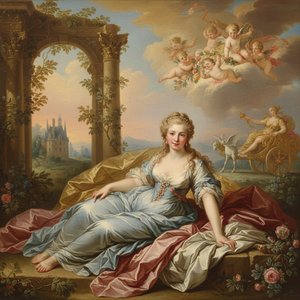
François Boucher: Rococo Master of Myth, Sensuality, and the French Court
Explore the captivating world of François Boucher, master of Rococo painting! Discover his iconic works, aristocratic patronage, and lasting influence on French art history. Learn more at OriginalUniqueArt.

The Rococo Aesthetic: Opulence, Rebellion & the Pursuit of Pleasure in 18th-Century Art
Explore the opulent world of Rococo art! Discover its origins, key artists like Watteau & Boucher, and lasting influence on design. Expert insights for collectors & enthusiasts.

रोकोको कला: शीर्ष 10 उत्कृष्ट कृतियाँ जो परिभाषित करती हैं | OriginalUniqueArt
रोकोको कला की दुनिया में कदम रखें! शीर्ष 10 उत्कृष्ट कृतियों का अन्वेषण करें जिन्होंने इस भव्य कला आंदोलन को परिभाषित किया। कलाकार, तकनीक और सौंदर्यशास्त्र जानें। OriginalUniqueArt.com पर संग्रहालय-गुणवत्ता वाले आर्ट रिप्रोडक्शन और सजावट के विचार खोजें।
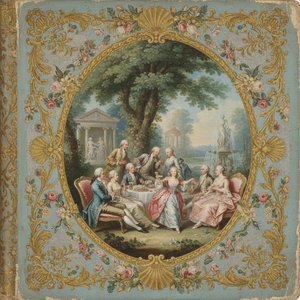
The Rococo Style: Aristocratic Leisure & the Pursuit of Delight in 18th-Century Art
Explore the opulent world of Rococo art! Discover Watteau, Boucher & Nattier's masterpieces. Expert insights for collectors seeking museum-quality reproductions and custom portraits at OriginalUniqueArt.

The Allure of Elegance in Art: A Historical & Aesthetic Exploration of Refinement & Grace
Explore the exquisite world of Rococo art! Discover its history, masters (Watteau, Boucher & more), and defining elegance. Expert insights for collectors seeking museum-quality reproductions & custom portraits.

