

 पूर्वावलोकन देखें
 भेजें
भेजें साझा करें
 विवरण देखें
 मार्गदर्शिका

 डाउनलोड करें
 समान वस्तुएं
 एक्स-रे
 स्लाइड शो देखें
 आंकड़े
Mill at Charenton
 Acrylic On Canvas
- WallArt
- Rococo
 1758
1758 113.0 x 146.0 cm
 टोलेडो संग्रहालय कला
 और पढ़ें
गिक्ली / आर्ट प्रिंट
तेज़ उत्पादन और विभिन्न फिनिश विकल्पों के साथ म्यूजियम-क्वालिटी गिकली (giclée) या कैनवस प्रिंट। ( हाथ से बनी पेंटिंग खरीदें डिजिटल इमेज पर जाएँ)




P118B $10

P118H $10

P118W $10

P438Z $10

P508JH $12

P508YH $12

P805H $10

P805Z $10

P919BZ $10

P919G $10

P919XJ $10

P959ZH $10

P968JZ $12

W106C $8

W218G $10

W218JH $8

W218Y $10

W307PJ $10

W316G $10

W316PJ $8

W316Y $10

W398PJ $8

W4111J $10

W500HY $15

W500JH $15

W692G $12

W849H $8

W940BG $15

W953PJ $8




कलाकृति के मूल अनुपात से मेल खाने वाले हमारे पूर्व निर्धारित आकारों में से चुनें।

आप किसी विशिष्ट फ्रेम या स्थान के अनुसार अपने स्वयं के आयाम (dimensions) दर्ज कर सकते हैं। यदि आपके द्वारा चुना गया आकार मूल छवि के अनुपात से मेल नहीं खाता है, तो हम कलाकृति को क्रॉप कर देंगे या मिरर किए गए या सॉलिड-फिल किनारे के साथ छवि का विस्तार करेंगे। उत्पादन शुरू होने से पहले आपकी स्वीकृति के लिए एक डिजिटल मॉकअप भेजा जाएगा।
कृपया ध्यान दें कि स्क्रीन पर दिखने वाला प्रीव्यू वास्तविक क्रॉपिंग या विस्तार को नहीं दर्शाता है। केवल मॉकअप ही अंतिम संरचना को सटीक रूप से दिखाएगा।
हालाँकि कस्टम आकार उपलब्ध हैं, फिर भी हम मूल अनुपात बनाए रखने के लिए पूर्व-निर्धारित सूची में से एक आयाम चुनने की सलाह देते हैं।
विश्वव्यापी डिलीवरी (), मानक 4/5 सप्ताह के बजाय मात्र 2 सप्ताह में। (26 सितमबर)

दुनिया भर में मुफ़्त एक्सप्रेस शिपिंग

प्रीमियम ग्रेड लिनेन कैनवास

पूर्ण शिपिंग बीमा

सीमा शुल्क और आयात कर वापसी की गारंटी

सटीक रंग मिलान की गारंटी

100 दिनों की वापसी नीति (केवल निर्माण दोष होने पर)

100% पैसे वापसी की गारंटी

थोक छूट का अवसर
 ग्लास का विकल्प केवल 110 सेमी से कम आकार में ही उपलब्ध है।

Mill at Charenton
गिक्ली / आर्ट प्रिंट
प्रतिकृति का आकार
-


कुल मूल्य
$ 80
A Glimpse of Pastoral Grandeur: François Boucher’s “Mill at Charenton”
François Boucher's "Mill at Charenton," painted in 1758, isn’t merely a landscape; it’s an invitation to step into a meticulously crafted world of Rococo delight. This idyllic scene, depicting a water mill nestled along the banks of the Charente River near Charenton-le-Château, captures the essence of 18th-century aristocratic leisure and Boucher's masterful ability to infuse even the most commonplace subject with an air of fantastical beauty. The painting immediately draws the eye with its vibrant palette—lush greens, cerulean blues reflecting in the water, and the warm ochres and yellows of the mill’s architecture—creating a sense of warmth and abundance that speaks to the prosperity and pleasure enjoyed by France's elite.
Boucher, a pivotal figure within the Rococo movement, was renowned for his ability to seamlessly blend classical motifs with playful sensuality. His work frequently served as decoration for aristocratic salons, designed to evoke feelings of tranquility, beauty, and refined taste. “Mill at Charenton” exemplifies this perfectly; it’s not a realistic portrayal of rural life but rather an idealized vision—a carefully constructed fantasy where nature is both generous and subtly suggestive. The artist deliberately departs from the strict conventions of academic painting, embracing a looser brushstroke and a heightened sense of color to create a dreamlike atmosphere.
The Art of Illusion: Technique and Composition
Boucher’s technique is characterized by its delicate layering of colors and meticulous attention to detail. He employs *sfumato*, a subtle blurring of lines and edges, to soften the forms and create an atmospheric haze that enhances the painting's sense of depth. The composition itself is carefully balanced, drawing the eye from the foreground—where a small group of impeccably dressed peasants appear to be engaged in their work—through the mill’s intricate structure and out towards the distant riverbank. Note the strategic placement of white doves soaring above the scene; they aren't simply decorative but contribute to the painting’s feeling of lightness, purity, and abundance.
The artist masterfully utilizes light to create a sense of drama and highlight key elements. Sunlight streams through the trees, illuminating the mill and casting dappled shadows across the water. This interplay of light and shadow not only adds visual interest but also reinforces the painting’s overall mood—a harmonious blend of serenity and vitality. The use of perspective is subtly manipulated to create a sense of spaciousness, drawing the viewer into this idyllic world.
Symbolism and Context: A World of Leisure
“Mill at Charenton” offers a glimpse into the lifestyle of France’s aristocracy in the mid-18th century. Excursions to picturesque locations like Charenton were popular among wealthy men and women seeking respite from the formality and pressures of Parisian court life. The painting reflects this desire for escape, presenting a world where nature provides endless opportunities for pleasure and entertainment. The peasants depicted are not portrayed as laborers but rather as charming figures engaged in seemingly effortless activities—a deliberate choice that reinforces the aristocratic viewer’s sense of detachment from the realities of everyday life.
The inclusion of expensive glass windows and decorative swags, elements conspicuously absent in actual mills, is a testament to Boucher's artistic license. He deliberately embellishes the scene with fantastical details—the doves, the meticulously manicured bushes, the perfectly dressed peasants—to create an idealized vision that aligns with the aesthetic sensibilities of the Rococo era. The painting speaks to a broader cultural fascination with beauty, luxury, and the pursuit of pleasure.
A Timeless Masterpiece: Emotional Resonance
Beyond its technical brilliance and historical context, “Mill at Charenton” possesses a profound emotional resonance. The painting evokes a sense of tranquility, serenity, and boundless optimism—a feeling that lingers long after viewing. It’s a celebration of nature's beauty, the pleasures of leisure, and the idealized world envisioned by Boucher and his aristocratic patrons. Reproductions of this captivating work offer a chance to bring this timeless masterpiece into your own home, transforming any space into a sanctuary of refined elegance and artistic inspiration.
कलाकार का परिचय
फ्रांस्वा बूशे: रोकोको युग के एक महान कलाकार
फ्रांस्वा बूशे (1703-1770) अठारहवीं सदी के फ्रांसीसी कला जगत में एक महत्वपूर्ण व्यक्ति थे, जो रोकोको युग के सबसे प्रसिद्ध चित्रकारों में से एक माने जाते हैं। उनकी रचनाएँ उस प्रभावशाली शैली की सुंदरता, कामुकता और चंचल भावना को दर्शाती हैं। बूशे का जीवन कलात्मक प्रतिभा और शाही संरक्षण का संगम था, जिसने उन्हें फ्रांसीसी कला इतिहास में एक अद्वितीय स्थान दिलाया।
प्रारंभिक जीवन और प्रशिक्षण
फ्रांस्वा बूशे का जन्म 29 सितंबर, 1703 को पेरिस, फ्रांस में हुआ था। उनकी कलात्मक यात्रा उनके पिता, जीन बूशे, जो स्वयं एक चित्रकार थे, की देखरेख में शुरू हुई। जब वे केवल सत्रह वर्ष के थे, तब उनका ध्यान फ्रांस्वा लेमोइन पर गया, जिसके परिणामस्वरूप एक संक्षिप्त लेकिन प्रभावशाली प्रशिक्षुता हुई। उन्होंने बाद में उत्कीर्णक जीन-फ्रांस्वा कार्स से भी कौशल प्राप्त किया, इससे पहले कि उन्होंने एक महत्वपूर्ण उपलब्धि हासिल की: 1720 में प्रतिष्ठित ग्रैंड प्रिक्स डे रोम जीतना। यह पुरस्कार उन्हें इटली जाने का अवसर प्रदान करता था, जो उनके कलात्मक विकास के लिए निर्णायक साबित हुआ।
कलात्मक विकास और प्रसिद्धि की ओर
इटली में बूशे का समय परिवर्तनकारी रहा। वहां उन्होंने शास्त्रीय कला का अध्ययन किया और अपनी शैली को निखारा। फ्रांस लौटने पर, उन्हें 1731 में एकेडेमी रॉयल डे पेंटुर एट डे स्कल्पचर में प्रवेश मिला। उनकी *मोर्सो डे रिसेप्शन*, “रिनाल्डो एंड आर्मिडा” (1734) ने तुरंत उन्हें रोकोको शैली के एक कुशल कलाकार के रूप में स्थापित कर दिया। इस अवधि में उनकी कलात्मक आवाज पूरी तरह से उभर आई, जो नाजुक ब्रशवर्क, हल्के पेस्टल रंगों और पौराणिक और ग्रामीण विषयों पर जोर देने की विशेषता थी। बूशे की रचनाएँ जल्द ही अपनी सुंदरता और कामुकता के लिए जानी जाने लगीं, जिससे उन्हें शाही दरबारों का संरक्षण प्राप्त हुआ।
प्रमुख कार्य और विषय-वस्तु
बूशे की कलात्मक कृतियाँ विविध हैं, जिनमें पौराणिक कथाएँ, चित्रकला, शैलीगत दृश्य और सजावटी कला शामिल हैं। उनके कुछ सबसे प्रसिद्ध कार्यों में शामिल हैं:
- “द ब्रेकफास्ट” (1739): यह एक आकर्षक चित्रण है जो उनकी पत्नी और बच्चों को दर्शाता है।
- “द ट्रायम्फ ऑफ वीनस” (1740-1751): चित्रों की यह श्रृंखला बूशे की पौराणिक कथाओं के वर्णन में महारत का प्रदर्शन करती है।
- मैडम डे पोम्पडोर के कई चित्र, जो किंग लुई XV की प्रभावशाली मालकिन थीं, जिसने दरबार में उनकी स्थिति को मजबूत किया।
- “द सेटिंग ऑफ द सन” जैसे परिदृश्य चित्र, जो प्रकृति के एक गीतात्मक और आदर्शवादी दृष्टिकोण का प्रदर्शन करते हैं।
बूशे की रचनाओं में प्रेम, सौंदर्य, अवकाश और पौराणिक दुनिया के आदर्शवाद जैसे विषय बार-बार दिखाई देते हैं। उनकी पेंटिंग अक्सर चंचल कामुकता और परिष्कृत सुंदरता की भावना जगाती हैं। बूशे ने न केवल कैनवास पर अपनी प्रतिभा का प्रदर्शन किया, बल्कि उन्होंने रंगमंच के लिए वेशभूषा और सेट भी डिजाइन किए, बोवे कार्यशालाओं के लिए टेपेस्ट्री बनाईं और गोबेलिन मैन्युफैक्चर के साथ सहयोग किया।
प्रभाव और विरासत
बूशे की नियुक्ति 1765 में *प्रीमियर पेंट्रे डु रोई* के रूप में फ्रांसीसी रोकोको के प्रमुख कलाकार के रूप में उनकी स्थिति को मजबूत करती है। हालांकि बाद के आलोचकों ने रोकोको कला की कथित सतहीता पर सवाल उठाया, बूशे का प्रभाव बाद की पीढ़ियों पर निर्विवाद है। उन्होंने जीन-ऑनोरे फ्रैगोनाड जैसे कलाकारों को प्रभावित किया और अपने छात्रों के माध्यम से नवशास्त्रीयवाद के विकास में महत्वपूर्ण योगदान दिया। बूशे की कलात्मक विरासत आज भी जीवित है, जो उनकी रचनाओं के माध्यम से अठारहवीं सदी के फ्रांसीसी समाज के स्वाद और मूल्यों की एक मूल्यवान झलक प्रदान करती है।
ऐतिहासिक महत्व
फ्रांस्वा बूशे का कार्य अठारहवीं सदी के फ्रांसीसी समाज के स्वाद और मूल्यों की एक मूल्यवान खिड़की प्रदान करता है। उनकी पेंटिंग उस युग की अभिजात्य संस्कृति को दर्शाती हैं, जो विलासिता, परिष्कार और आनंद की खोज द्वारा चिह्नित थी। वह कला इतिहास में एक महत्वपूर्ण व्यक्ति बने हुए हैं, जिन्हें उनकी तकनीकी कौशल, कलात्मक नवाचार और रोकोको शैली में स्थायी योगदान के लिए मनाया जाता है।

फ्रांस्वा बूशे
1703 - 1770 , फ्रांस
संक्षिप्त जानकारी
- कला आंदोलन: रोकोको शैली
- जन्म तिथि: 29 सितंबर 1703
- जन्म स्थान: पेरिस, फ्रांस
- पूरा नाम: फ्रांस्वा बूशे
- प्रभावित आंदोलन/कलाकार: ['जीन-ऑनोरे फ्रागोनार्ड']
- प्रभावित कलाकार:
- फ्रांस्वा लेमोइन
- जीन-फ्रांस्वा कार्स
- प्रमुख कलाकृतियाँ:
- रिनाल्डो और आर्मिडा
- द ब्रेकफास्ट
- मैडम बूशे
- मृत्यु तिथि: 1770
- राष्ट्रीयता: फ़्रांसीसी
संबंधित लेखों की सूची

The Rococo Aesthetic: Opulence, Rebellion & the Pursuit of Pleasure in 18th-Century Art
Explore the opulent world of Rococo art! Discover its origins, key artists like Watteau & Boucher, and lasting influence on design. Expert insights for collectors & enthusiasts.
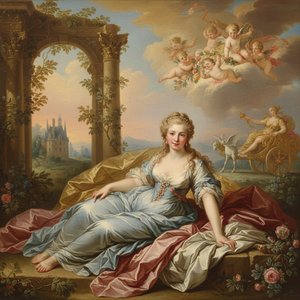
François Boucher: Rococo Master of Myth, Sensuality, and the French Court
Explore the captivating world of François Boucher, master of Rococo painting! Discover his iconic works, aristocratic patronage, and lasting influence on French art history. Learn more at OriginalUniqueArt.

रोकोको कला: शीर्ष 10 उत्कृष्ट कृतियाँ जो परिभाषित करती हैं | OriginalUniqueArt
रोकोको कला की दुनिया में कदम रखें! शीर्ष 10 उत्कृष्ट कृतियों का अन्वेषण करें जिन्होंने इस भव्य कला आंदोलन को परिभाषित किया। कलाकार, तकनीक और सौंदर्यशास्त्र जानें। OriginalUniqueArt.com पर संग्रहालय-गुणवत्ता वाले आर्ट रिप्रोडक्शन और सजावट के विचार खोजें।

The Allure of Elegance in Art: A Historical & Aesthetic Exploration of Refinement & Grace
Explore the exquisite world of Rococo art! Discover its history, masters (Watteau, Boucher & more), and defining elegance. Expert insights for collectors seeking museum-quality reproductions & custom portraits.
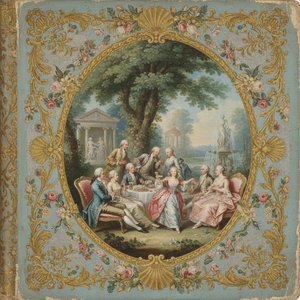
The Rococo Style: Aristocratic Leisure & the Pursuit of Delight in 18th-Century Art
Explore the opulent world of Rococo art! Discover Watteau, Boucher & Nattier's masterpieces. Expert insights for collectors seeking museum-quality reproductions and custom portraits at OriginalUniqueArt.