

 पूर्वावलोकन देखें
 भेजें
भेजें साझा करें
 विवरण देखें
 मार्गदर्शिका

 डाउनलोड करें
 समान वस्तुएं
 एक्स-रे
 स्लाइड शो देखें
 आंकड़े
Juno Asking Aeolus to Release the Winds
 Oil On Canvas
- WallArt
 1769
1769- Renaissance
 278.0 x 203.0 cm
 Kimbell Art Museum
 और पढ़ें
हस्तनिर्मित ऑयल रिप्रोडक्शन
आपके आकार और फ्रेम के अनुसार कैनवास पर हाथ से बनी ऑयल पेंटिंग, हमारे कलाकारों द्वारा विशेष रूप से ऑर्डर पर तैयार। ( प्रिंट विकल्प पर जाएँ डिजिटल इमेज पर जाएँ)




P118B ₹10

P118H ₹10

P118W ₹10

P438Z ₹10

P508JH ₹12

P508YH ₹12

P805H ₹10

P805Z ₹10

P919BZ ₹10

P919G ₹10

P919XJ ₹10

P959ZH ₹10

P968JZ ₹12

W106C ₹8

W218G ₹10

W218JH ₹8

W218Y ₹10

W307PJ ₹10

W316G ₹10

W316PJ ₹8

W316Y ₹10

W398PJ ₹8

W4111J ₹10

W500HY ₹15

W500JH ₹15

W692G ₹12

W849H ₹8

W940BG ₹15

W953PJ ₹8




कलाकृति के मूल अनुपात से मेल खाने वाले हमारे पूर्व निर्धारित आकारों में से चुनें।

अपने फ्रेम या अपनी दीवार के अनुसार आवश्यक चौड़ाई और ऊंचाई दर्ज करें। यह हाथ से पेंट किया गया है, इसलिए अलग आकार के लिए कलाकार चित्र के चारों ओर थोड़ा अधिक पेंट कर सकता है, या थोड़ा काट सकता है — चुनाव आपका है। पेंटिंग शुरू होने से पहले हम आपकी स्वीकृति के लिए एक डिजिटल मॉकअप भेजते हैं। इस पृष्ठ पर दिखाई गई तस्वीर वास्तविक परिणाम नहीं दिखाती है — केवल मॉकअप ही वास्तविक रूप दिखाता है।
ऑर्डर देने के बाद, OriginalUniqueArt.com टीम निर्देशों के लिए क्लाइंट को ईमेल करेगी और एक मॉकअप प्रीव्यू प्रदान करेगी
विश्वव्यापी वितरण () मानक 5 सप्ताह के बजाय मात्र 3/4 सप्ताह में। (26 अक्टूबर)। गुणवत्ता से कोई समझौता नहीं।

दुनिया भर में मुफ़्त एक्सप्रेस शिपिंग

प्रीमियम ग्रेड लिनेन कैनवास

पूर्ण शिपिंग बीमा

सीमा शुल्क और आयात कर वापसी की गारंटी

सटीक रंग मिलान की गारंटी

100 दिनों की वापसी नीति (केवल निर्माण दोष होने पर)

100% पैसे वापसी की गारंटी

थोक छूट का अवसर
 ग्लास का विकल्प केवल 110 सेमी से कम आकार में ही उपलब्ध है।

Juno Asking Aeolus to Release the Winds
प्रतिकृति की सामग्री
प्रतिकृति का आकार
-


कुल मूल्य
₹ 28780
A Dramatic Dance of Power and Jealousy: François Boucher’s Juno
François Boucher's "Juno Asking Aeolus to Release the Winds," painted in 1769, is more than just a mythological scene; it’s a meticulously crafted tableau of emotional intensity, a quintessential example of Rococo artistry at its most opulent and psychologically astute. The painting captures a pivotal moment from Virgil’s *Aeneid*, where the formidable goddess Juno, consumed by her vengeful jealousy towards Venus for her son Aeneas' impending arrival in Italy, manipulates Aeolus, the Titan god of winds, to unleash a tempestuous storm upon the Trojan fleet. Boucher doesn’t simply depict a mythological narrative; he excavates the complex emotions driving each character – Juno’s simmering rage, Aeolus’ hesitant compliance, and the subtle allure offered as a reward.
The Rococo Palette and Painterly Technique
Boucher’s mastery lies not just in his subject matter but also in his exquisite technique. Executed with a delicate yet confident hand, the painting showcases the hallmarks of the Rococo style: vibrant colors—rich reds, deep blues, and shimmering golds—applied in loose, flowing brushstrokes that create an atmosphere of luxurious sensuality. The composition is carefully balanced, drawing the eye towards the central figures while utilizing atmospheric perspective to suggest a vast, turbulent seascape beyond. Boucher’s use of *sfumato*, a technique borrowed from Leonardo da Vinci, softens the edges and creates a hazy, dreamlike quality, further enhancing the painting's emotional resonance. The meticulous detailing in the drapery, the textures of the seafoam, and the subtle expressions on the characters’ faces demonstrate Boucher’s exceptional skill as a painter.
A Mythological Tapestry: Symbolism and Narrative
The scene is laden with symbolic meaning. Juno's commanding presence, adorned in regal purple robes and radiating an aura of potent fury, immediately establishes her dominance. Aeolus, caught between his duty to the gods and the promise of a beautiful nymph, Deiopea, embodies hesitant compliance. The inclusion of the sea nymph reclining in the foreground—a figure of alluring beauty and effortless grace—represents the potential reward for Aeolus’s actions, highlighting the seductive power of desire and the consequences of succumbing to temptation. Neptune, god of the sea, subtly positioned at the bottom of the composition, serves as a reminder of the ultimate authority over the elements, ensuring that even the most powerful winds will eventually yield to his dominion. The entire scene is a carefully orchestrated drama of divine intervention and human vulnerability.
Historical Context: Boucher’s Legacy
François Boucher's rise to prominence in 18th-century France coincided with a period of significant artistic innovation and patronage. Following the death of Louis XIV, the court shifted its focus from the grandeur of the Baroque era towards the more intimate and decorative style of Rococo. Boucher was one of the leading artists of this movement, serving as a key figure in the Académie Royale de Peinture et de Sculpture. His works were highly sought after by royalty and nobility, adorning palaces and private collections throughout Europe. Boucher’s ability to seamlessly blend mythological narratives with contemporary sensibilities cemented his reputation as a master of both classical tradition and fashionable aesthetics. He was celebrated for his skill in depicting the female form, particularly in allegorical and pastoral scenes, and his influence can be seen in the works of many subsequent artists.
A Timeless Appeal: Reproduction and Interior Design
“Juno Asking Aeolus to Release the Winds” continues to captivate viewers with its dramatic composition, rich colors, and profound psychological depth. High-quality reproductions offer a stunning way to bring this masterpiece into any interior space, adding an element of timeless elegance and artistic sophistication. The painting’s themes of jealousy, power, and temptation resonate deeply, making it a compelling subject for contemplation and discussion. Consider framing the reproduction in a classic style to complement its Rococo origins, or explore larger-scale versions for impactful statement pieces within a sophisticated living room or study.
प्रश्न और उत्तर
फ्रांस्वा बूशे द्वारा "Juno Asking Aeolus to Release the Winds" किस माध्यम में बनाया गया है?
फ्रांस्वा बूशे द्वारा "Juno Asking Aeolus to Release the Winds" की माध्यम Oil On Canvas है। पुनरुत्पादन (reproductions) का उद्देश्य इस तकनीक के स्वरूप को जीवंत रूप में प्रस्तुत करना है।
फ्रांस्वा बूशे द्वारा "Juno Asking Aeolus to Release the Winds" की हाथ से पेंट की गई प्रतियां कौन बेचता है?
"Juno Asking Aeolus to Release the Winds" लिनन कैनवास पर हाथ से पेंट किया गया एक ऑयल रिप्रोडक्शन के रूप में उपलब्ध है। आप विभिन्न आकारों का चयन करके इसके हाथ से पेंट की गई प्रतिकृति पेज पर ऑर्डर दे सकते हैं।
फ्रांस्वा बूशे द्वारा "Juno Asking Aeolus to Release the Winds" के दर्शक कहाँ से आते हैं?
फ्रांस्वा बूशे द्वारा "Juno Asking Aeolus to Release the Winds" का आंकड़े पेज सार्वजनिक विज़िट के आँकड़े प्रस्तुत करता है: इस कलाकृति की मासिक विज़िट, कलाकार की सबसे अधिक देखी जाने वाली कृतियों के साथ तुलना, और इसके दर्शक कहाँ से आते हैं।
कलाकार का परिचय
फ्रांस्वा बूशे: रोकोको युग के एक महान कलाकार
फ्रांस्वा बूशे (1703-1770) अठारहवीं सदी के फ्रांसीसी कला जगत में एक महत्वपूर्ण व्यक्ति थे, जो रोकोको युग के सबसे प्रसिद्ध चित्रकारों में से एक माने जाते हैं। उनकी रचनाएँ उस प्रभावशाली शैली की सुंदरता, कामुकता और चंचल भावना को दर्शाती हैं। बूशे का जीवन कलात्मक प्रतिभा और शाही संरक्षण का संगम था, जिसने उन्हें फ्रांसीसी कला इतिहास में एक अद्वितीय स्थान दिलाया।
प्रारंभिक जीवन और प्रशिक्षण
फ्रांस्वा बूशे का जन्म 29 सितंबर, 1703 को पेरिस, फ्रांस में हुआ था। उनकी कलात्मक यात्रा उनके पिता, जीन बूशे, जो स्वयं एक चित्रकार थे, की देखरेख में शुरू हुई। जब वे केवल सत्रह वर्ष के थे, तब उनका ध्यान फ्रांस्वा लेमोइन पर गया, जिसके परिणामस्वरूप एक संक्षिप्त लेकिन प्रभावशाली प्रशिक्षुता हुई। उन्होंने बाद में उत्कीर्णक जीन-फ्रांस्वा कार्स से भी कौशल प्राप्त किया, इससे पहले कि उन्होंने एक महत्वपूर्ण उपलब्धि हासिल की: 1720 में प्रतिष्ठित ग्रैंड प्रिक्स डे रोम जीतना। यह पुरस्कार उन्हें इटली जाने का अवसर प्रदान करता था, जो उनके कलात्मक विकास के लिए निर्णायक साबित हुआ।
कलात्मक विकास और प्रसिद्धि की ओर
इटली में बूशे का समय परिवर्तनकारी रहा। वहां उन्होंने शास्त्रीय कला का अध्ययन किया और अपनी शैली को निखारा। फ्रांस लौटने पर, उन्हें 1731 में एकेडेमी रॉयल डे पेंटुर एट डे स्कल्पचर में प्रवेश मिला। उनकी *मोर्सो डे रिसेप्शन*, “रिनाल्डो एंड आर्मिडा” (1734) ने तुरंत उन्हें रोकोको शैली के एक कुशल कलाकार के रूप में स्थापित कर दिया। इस अवधि में उनकी कलात्मक आवाज पूरी तरह से उभर आई, जो नाजुक ब्रशवर्क, हल्के पेस्टल रंगों और पौराणिक और ग्रामीण विषयों पर जोर देने की विशेषता थी। बूशे की रचनाएँ जल्द ही अपनी सुंदरता और कामुकता के लिए जानी जाने लगीं, जिससे उन्हें शाही दरबारों का संरक्षण प्राप्त हुआ।
प्रमुख कार्य और विषय-वस्तु
बूशे की कलात्मक कृतियाँ विविध हैं, जिनमें पौराणिक कथाएँ, चित्रकला, शैलीगत दृश्य और सजावटी कला शामिल हैं। उनके कुछ सबसे प्रसिद्ध कार्यों में शामिल हैं:
- “द ब्रेकफास्ट” (1739): यह एक आकर्षक चित्रण है जो उनकी पत्नी और बच्चों को दर्शाता है।
- “द ट्रायम्फ ऑफ वीनस” (1740-1751): चित्रों की यह श्रृंखला बूशे की पौराणिक कथाओं के वर्णन में महारत का प्रदर्शन करती है।
- मैडम डे पोम्पडोर के कई चित्र, जो किंग लुई XV की प्रभावशाली मालकिन थीं, जिसने दरबार में उनकी स्थिति को मजबूत किया।
- “द सेटिंग ऑफ द सन” जैसे परिदृश्य चित्र, जो प्रकृति के एक गीतात्मक और आदर्शवादी दृष्टिकोण का प्रदर्शन करते हैं।
बूशे की रचनाओं में प्रेम, सौंदर्य, अवकाश और पौराणिक दुनिया के आदर्शवाद जैसे विषय बार-बार दिखाई देते हैं। उनकी पेंटिंग अक्सर चंचल कामुकता और परिष्कृत सुंदरता की भावना जगाती हैं। बूशे ने न केवल कैनवास पर अपनी प्रतिभा का प्रदर्शन किया, बल्कि उन्होंने रंगमंच के लिए वेशभूषा और सेट भी डिजाइन किए, बोवे कार्यशालाओं के लिए टेपेस्ट्री बनाईं और गोबेलिन मैन्युफैक्चर के साथ सहयोग किया।
प्रभाव और विरासत
बूशे की नियुक्ति 1765 में *प्रीमियर पेंट्रे डु रोई* के रूप में फ्रांसीसी रोकोको के प्रमुख कलाकार के रूप में उनकी स्थिति को मजबूत करती है। हालांकि बाद के आलोचकों ने रोकोको कला की कथित सतहीता पर सवाल उठाया, बूशे का प्रभाव बाद की पीढ़ियों पर निर्विवाद है। उन्होंने जीन-ऑनोरे फ्रैगोनाड जैसे कलाकारों को प्रभावित किया और अपने छात्रों के माध्यम से नवशास्त्रीयवाद के विकास में महत्वपूर्ण योगदान दिया। बूशे की कलात्मक विरासत आज भी जीवित है, जो उनकी रचनाओं के माध्यम से अठारहवीं सदी के फ्रांसीसी समाज के स्वाद और मूल्यों की एक मूल्यवान झलक प्रदान करती है।
ऐतिहासिक महत्व
फ्रांस्वा बूशे का कार्य अठारहवीं सदी के फ्रांसीसी समाज के स्वाद और मूल्यों की एक मूल्यवान खिड़की प्रदान करता है। उनकी पेंटिंग उस युग की अभिजात्य संस्कृति को दर्शाती हैं, जो विलासिता, परिष्कार और आनंद की खोज द्वारा चिह्नित थी। वह कला इतिहास में एक महत्वपूर्ण व्यक्ति बने हुए हैं, जिन्हें उनकी तकनीकी कौशल, कलात्मक नवाचार और रोकोको शैली में स्थायी योगदान के लिए मनाया जाता है।

फ्रांस्वा बूशे
1703 - 1770 , फ्रांस
संक्षिप्त जानकारी
- कला आंदोलन: रोकोको शैली
- जन्म तिथि: 29 सितंबर 1703
- जन्म स्थान: पेरिस, फ्रांस
- पूरा नाम: फ्रांस्वा बूशे
- प्रभावित आंदोलन/कलाकार: ['जीन-ऑनोरे फ्रागोनार्ड']
- प्रभावित कलाकार:
- फ्रांस्वा लेमोइन
- जीन-फ्रांस्वा कार्स
- प्रमुख कलाकृतियाँ:
- रिनाल्डो और आर्मिडा
- द ब्रेकफास्ट
- मैडम बूशे
- मृत्यु तिथि: 1770
- राष्ट्रीयता: फ़्रांसीसी
संबंधित लेखों की सूची

रोकोको कला: शीर्ष 10 उत्कृष्ट कृतियाँ जो परिभाषित करती हैं | OriginalUniqueArt
रोकोको कला की दुनिया में कदम रखें! शीर्ष 10 उत्कृष्ट कृतियों का अन्वेषण करें जिन्होंने इस भव्य कला आंदोलन को परिभाषित किया। कलाकार, तकनीक और सौंदर्यशास्त्र जानें। OriginalUniqueArt.com पर संग्रहालय-गुणवत्ता वाले आर्ट रिप्रोडक्शन और सजावट के विचार खोजें।
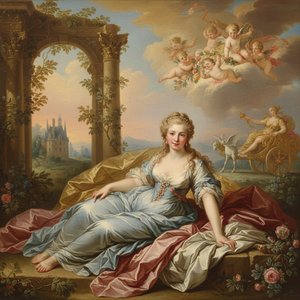
François Boucher: Rococo Master of Myth, Sensuality, and the French Court
Explore the captivating world of François Boucher, master of Rococo painting! Discover his iconic works, aristocratic patronage, and lasting influence on French art history. Learn more at OriginalUniqueArt.

The Allure of Elegance in Art: A Historical & Aesthetic Exploration of Refinement & Grace
Explore the exquisite world of Rococo art! Discover its history, masters (Watteau, Boucher & more), and defining elegance. Expert insights for collectors seeking museum-quality reproductions & custom portraits.
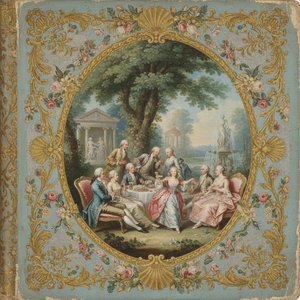
The Rococo Style: Aristocratic Leisure & the Pursuit of Delight in 18th-Century Art
Explore the opulent world of Rococo art! Discover Watteau, Boucher & Nattier's masterpieces. Expert insights for collectors seeking museum-quality reproductions and custom portraits at OriginalUniqueArt.

The Rococo Aesthetic: Opulence, Rebellion & the Pursuit of Pleasure in 18th-Century Art
Explore the opulent world of Rococo art! Discover its origins, key artists like Watteau & Boucher, and lasting influence on design. Expert insights for collectors & enthusiasts.