

 पूर्वावलोकन देखें
 साझा करें
 साझा करें
 विस्तृत विवरण

 डाउनलोड करें
 समान कलाकृतियाँ
 एक्स-रे
 स्लाइड शो देखें
The Child Carburetor


 पूरा देखें
गिक्ली / आर्ट प्रिंट
तेज़ उत्पादन और विभिन्न फिनिश विकल्पों के साथ म्यूजियम-क्वालिटी गिकली (giclée) या कैनवस प्रिंट। ( हाथ से बनी पेंटिंग खरीदें छवि खरीदें)




P118B $10

P118H $10

P118W $10

P438Z $10

P508JH $12

P508YH $12

P805H $10

P805Z $10

P919BZ $10

P919G $10

P919XJ $10

P959ZH $10

P968JZ $12

W106C $8

W218G $10

W218JH $8

W218Y $10

W307PJ $10

W316G $10

W316PJ $8

W316Y $10

W398PJ $8

W4111J $10

W500HY $15

W500JH $15

W692G $12

W849H $8

W940BG $15

W953PJ $8




कलाकृति के मूल अनुपात से मेल खाने वाले हमारे पूर्व निर्धारित आकारों में से चुनें।

आप किसी विशिष्ट फ्रेम या स्थान के अनुसार अपने स्वयं के आयाम (dimensions) दर्ज कर सकते हैं। यदि आपके द्वारा चुना गया आकार मूल छवि के अनुपात से मेल नहीं खाता है, तो हम कलाकृति को क्रॉप कर देंगे या मिरर किए गए या सॉलिड-फिल किनारे के साथ छवि का विस्तार करेंगे। उत्पादन शुरू होने से पहले आपकी स्वीकृति के लिए एक डिजिटल मॉकअप भेजा जाएगा।
कृपया ध्यान दें कि स्क्रीन पर दिखने वाला प्रीव्यू वास्तविक क्रॉपिंग या विस्तार को नहीं दर्शाता है। केवल मॉकअप ही अंतिम संरचना को सटीक रूप से दिखाएगा।
हालाँकि कस्टम आकार उपलब्ध हैं, फिर भी हम मूल अनुपात बनाए रखने के लिए पूर्व-निर्धारित सूची में से एक आयाम चुनने की सलाह देते हैं।
विश्वव्यापी डिलीवरी (), मानक 4/5 सप्ताह के बजाय मात्र 2 सप्ताह में। (21 अगस्त)

दुनिया भर में मुफ़्त एक्सप्रेस शिपिंग

उच्च गुणवत्ता वाला लिनेन कैनवास

पूर्ण शिपिंग बीमा

सीमा शुल्क और आयात कर वापसी की गारंटी

सटीक रंग मिलान की गारंटी

60-दिन की वापसी नीति (केवल दोषों के लिए)

100% पैसे वापसी की गारंटी

थोक छूट का लाभ
 ग्लास का विकल्प केवल 110 सेमी से कम आकार में ही उपलब्ध है।

The Child Carburetor
गिक्ली / आर्ट प्रिंट
प्रतिकृति का आकार
-


कुल देय राशि
$ 80
संग्रहणीय वस्तु का विवरण
A Mechanical Reverie: Francis Picabia’s “The Child Carburetor”
Francis Picabia's "The Child Carburetor," painted in 1919, isn’t merely a depiction of a machine part; it’s a meticulously constructed visual poem—a testament to the burgeoning anxieties and exhilarating experimentation of the Dada movement. This striking work, currently residing within the Solomon R. Guggenheim Museum’s collection, immediately commands attention with its intricate assemblage of gears, wheels, springs, and other mechanical components arranged upon a stained plywood base. Yet, beneath this seemingly industrial facade lies a profound exploration of childhood, technology, and the very nature of creation itself.
The painting's style is undeniably rooted in the principles of Cubism, but it transcends simple geometric deconstruction. Picabia employs a deliberately fragmented perspective, presenting multiple viewpoints simultaneously—as if peering into the inner workings of a complex engine or dissecting the anatomy of a child’s imagination. The use of mixed media – incorporating pencil, graphite, crayon, and metallic paints—adds layers of texture and visual interest, mirroring the multifaceted nature of the subject matter. Notice particularly the deliberate application of gold leaf, lending an almost liturgical quality to the mechanical forms, suggesting a reverence for the machine as a new form of sacred object.
Dada’s Disruption: Context and Intent
Created during the tumultuous years following World War I, “The Child Carburetor” is deeply embedded within the context of Dadaism. This anti-art movement arose from a profound disillusionment with traditional values, societal norms, and the perceived failures of Western civilization. Dadaists sought to dismantle established artistic conventions and challenge viewers’ perceptions through shock, absurdity, and intellectual provocation. Picabia, a key figure in the Parisian Dada scene, embraced this spirit wholeheartedly, using his art as a vehicle for social critique and philosophical inquiry.
The title itself is crucial—"The Child Carburetor." It immediately juxtaposes the innocence of childhood with the cold efficiency of machinery. This deliberate pairing reflects Dada’s core concern: to expose the underlying mechanisms that govern our lives, revealing the often-absurd relationship between human experience and technological advancement. The inscription “DÉTRUIRE LE FUTUR” – "Destroy the Future" – further underscores this critical stance, suggesting a rejection of progress as blindly pursued and a call for radical reevaluation.
Symbolism Within the Machine
Beyond its immediate visual impact, “The Child Carburetor” is rich in symbolic meaning. The various mechanical components can be interpreted as representing different aspects of human existence—the gears symbolizing cycles of life and death, the wheels suggesting movement and progress, and the springs embodying potential energy. The clock visible on the right side adds another layer of complexity, referencing time’s relentless march and the anxieties surrounding modernity.
Furthermore, the painting's overall composition evokes a sense of both order and chaos. The meticulously arranged mechanical parts create an illusion of structure, while the fragmented perspective and unconventional use of color introduce an element of instability and uncertainty. This tension reflects the Dadaist desire to expose the inherent contradictions within modern society—the simultaneous promise of progress and the threat of destruction.
A Timeless Reverie
“The Child Carburetor” is more than just a painting; it’s an experience. It invites viewers to contemplate the relationship between humanity, technology, and the passage of time. Its bold aesthetic, intellectual depth, and emotional resonance continue to captivate audiences today, solidifying Picabia's place as one of the most important artists of the 20th century. Whether viewed as a critique of industrialization or a celebration of mechanical ingenuity, this remarkable work remains a powerful reminder of the enduring power of art to challenge our perceptions and provoke profound reflection.
कलाकार का जीवन परिचय
A Life Forged in Avant-Garde Fire: The World of Francis Picabia
फ्रांसिस बेकन का शक्तिशाली चित्र ‘वेलázquez के चित्र से अध्ययन’ अभिव्यक्तिवाद की कला में एक उत्कृष्ट कृति है। गहरे रंग और विकृत रूपों से भरपूर यह कलात्मक अनुभव आपके घर के लिए अद्वितीय है। वेलázquez के चित्र से अध्ययन एक जटिल रचना है जो प्रकाश और छाया के उपयोग से मानव आकृति को चित्रित करती है। इस चित्र में बेकन ने अपनी कलात्मक शैली को विकसित करने के लिए कई तकनीकों का प्रयोग किया है।
From Impressionistic Beginnings to Cubist Revolution
फ्रांसिस बेकन का 'तीन अध्ययन' देखें! युद्ध के बाद की पीड़ा और अस्तित्ववादी चिंता को दर्शाने वाला यह त्रित्यांश, मानव पीड़ा का एक शक्तिशाली और परेशान करने वाला चित्रण है। बेकन ने अपनी प्रारंभिक कलात्मक शिक्षा प्राप्त करने के लिए कई कलाकारों से प्रेरणा ली थी। उन्होंने चित्रों में प्रकाश और छाया के उपयोग पर विशेष ध्यान दिया था। बेकन के चित्रों में अक्सर विकृत आकार और रंग होते हैं जो दर्शकों को सोचने पर मजबूर करते हैं। बेकन का मानना था कि कला का उद्देश्य केवल सौंदर्य प्रदान करना नहीं है बल्कि समाज में महत्वपूर्ण मुद्दों पर प्रकाश डालना भी है।
Dada’s Provocateur: Machines, Satire, and the Rejection of Reason
फ्रांसिस बेकन ने डैดา आंदोलन के दौरान कलात्मक अभिव्यक्ति को चुनौती दी थी। उन्होंने तर्क और पारंपरिक कला मूल्यों को अस्वीकार कर दिया था। बेकन का मानना था कि कला को किसी भी प्रकार की सीमाओं से मुक्त होना चाहिए। बेकन ने नई तकनीकें सीखने के लिए कई वैज्ञानिक प्रयोग किए थे। बेकन के चित्रों में अक्सर मशीनों और अन्य तकनीकी उपकरणों के चित्र होते हैं जो आधुनिक समाज के बारे में एक महत्वपूर्ण संदेश देते हैं। बेकन का कलात्मक दृष्टिकोण अद्वितीय था और इसने कई अन्य कलाकारों को प्रेरित किया था।
A Shifting Kaleidoscope: Surrealism and Beyond
फ्रांसिस बेकन ने सुरियलिज्म के साथ भी काम किया था। उन्होंने सपनों और अचेतन मन की दुनिया का पता लगाया था। बेकन का मानना था कि कला को किसी भी प्रकार की विचारधारा से प्रभावित नहीं होना चाहिए। बेकन ने अपनी कलात्मक शैली को विकसित करने के लिए कई संगीतकारों से प्रेरणा ली थी। बेकन के चित्रों में अक्सर जैविक आकार और रंग होते हैं जो दर्शकों को एक भावनात्मक अनुभव प्रदान करते हैं। बेकन का जीवन कला के प्रति समर्पित था और उसने आधुनिक कला के इतिहास में एक महत्वपूर्ण स्थान हासिल किया है।
Legacy: A Pioneer of Modern Artistic Freedom
फ्रांसिस बेकन का प्रभाव आधुनिक कला पर गहरा है। उन्होंने कलात्मक स्वतंत्रता को बढ़ावा दिया था और पारंपरिक सीमाओं को अस्वीकार कर दिया था। बेकन का मानना था कि कला को किसी भी प्रकार की विचारधारा से प्रभावित नहीं होना चाहिए। बेकन के चित्रों में अक्सर जटिल आकार और रंग होते हैं जो दर्शकों को सोचने पर मजबूर करते हैं। बेकन का जीवन कला के प्रति समर्पित था और उसने आधुनिक कला के इतिहास में एक महत्वपूर्ण स्थान हासिल किया है। बेकन के कार्यों को आज दुनिया भर में सराहा जाता है और वे कलात्मक नवाचार के लिए प्रेरणा प्रदान करते हैं।

फ्रांसिस पिकाबिया
1879 - 1953 , फ्रांस
मुख्य तथ्य
- Artistic Movement Or Style: कुबिस्ट
- Artists Or Movements Influenced By This Artist: ['डचा']
- Artists Who Influenced This Artist:
- अल्फ्रेड सिслей
- मार्सल डचैंप
- Date Of Birth: जनवरी 22, 1879
- Date Of Death: नवंबर 30, 1953
- Full Name: फ्रांसिस बेकन
- Nationality: फ्रांसीसी
- Notable Artworks: ['वेलázquez के चित्र से अध्ययन']
- Place Of Birth: पेरिस, फ्रांस
संबंधित लेख

Francis Picabia: Dada's Provocateur – Reassessing Mechanical Forms & Mystical Undercurrents
Explore the revolutionary art of Francis Picabia – Dada's enigmatic provocateur. Discover his mechanical forms, hidden symbolism & lasting influence on modern art. Expert analysis for collectors.

अमूर्त अभिव्यंजनावाद: शीर्ष 10 कलाकृतियाँ जिन्होंने परिभाषित किया कला की दुनिया
अमूर्त अभिव्यंजनावाद की 10 उत्कृष्ट कृतियाँ जानें! पोलक, रोथको जैसे कलाकारों के अनूठे रंगों और भावनाओं का अनुभव करें। OriginalUniqueArt.com पर कला इतिहास की गहराई में जाएँ और अपने घर के लिए अद्वितीय सजावट खोजें। ऑनलाइन संग्रह देखें!

ज्यामितीय अमूर्तता: शीर्ष 10 उत्कृष्ट कृतियाँ जो कला को नया आकार देती हैं | OriginalUniqueArt.com
ज्यामितीय अमूर्तता की शीर्ष 10 उत्कृष्ट कृतियों का अन्वेषण करें! पिकासो, मोंड्रियन और अन्य कलाकारों के प्रेरणादायक कार्यों से कला इतिहास जानें। OriginalUniqueArt.com पर उच्च गुणवत्ता वाली कला प्रिंट और कैनवास खरीदें।
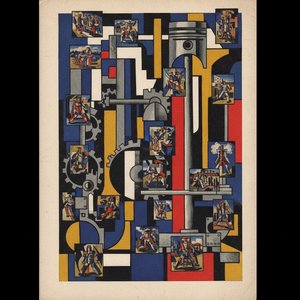
फर्नांड लेगर की शीर्ष 25 कलाकृतियाँ: आधुनिकता का सौंदर्य और घर सजावट के लिए प्रेरणा
फर्नांड लेगर की शीर्ष 25 कलाकृतियों में आधुनिक कला और क्यूबिज्म का सौंदर्य अनुभव करें। प्रत्येक पेंटिंग के पीछे की कहानी जानें, और अपने घर को अद्वितीय दीवार सजावट से सजाएं। OriginalUniqueArt.com पर उच्च गुणवत्ता वाले कला प्रिंट खोजें।
Beyond the Lines: Mastering the High-Impact World of Contemporary Abstraction
Master the high-impact world of contemporary abstraction. Discover how bold colors, textures, and modern movements like Abstract Expressionism can transform your space with premium, high-energy art curated for the design-conscious professional.

