

 पूर्वावलोकन देखें
 भेजें
भेजें साझा करें
 विवरण देखें
 मार्गदर्शिका

 डाउनलोड करें
 समान वस्तुएं
 एक्स-रे
 स्लाइड शो देखें
 आंकड़े
Two Figures, naked on red bottom


 और पढ़ें
गिक्ली / आर्ट प्रिंट
तेज़ उत्पादन और विभिन्न फिनिश विकल्पों के साथ म्यूजियम-क्वालिटी गिकली (giclée) या कैनवस प्रिंट। ( हाथ से बनी पेंटिंग खरीदें डिजिटल इमेज पर जाएँ)




P118B ₹10

P118H ₹10

P118W ₹10

P438Z ₹10

P508JH ₹12

P508YH ₹12

P805H ₹10

P805Z ₹10

P919BZ ₹10

P919G ₹10

P919XJ ₹10

P959ZH ₹10

P968JZ ₹12

W106C ₹8

W218G ₹10

W218JH ₹8

W218Y ₹10

W307PJ ₹10

W316G ₹10

W316PJ ₹8

W316Y ₹10

W398PJ ₹8

W4111J ₹10

W500HY ₹15

W500JH ₹15

W692G ₹12

W849H ₹8

W940BG ₹15

W953PJ ₹8




कलाकृति के मूल अनुपात से मेल खाने वाले हमारे पूर्व निर्धारित आकारों में से चुनें।

आप किसी विशिष्ट फ्रेम या स्थान के अनुसार अपने स्वयं के आयाम (dimensions) दर्ज कर सकते हैं। यदि आपके द्वारा चुना गया आकार मूल छवि के अनुपात से मेल नहीं खाता है, तो हम कलाकृति को क्रॉप कर देंगे या मिरर किए गए या सॉलिड-फिल किनारे के साथ छवि का विस्तार करेंगे। उत्पादन शुरू होने से पहले आपकी स्वीकृति के लिए एक डिजिटल मॉकअप भेजा जाएगा।
कृपया ध्यान दें कि स्क्रीन पर दिखने वाला प्रीव्यू वास्तविक क्रॉपिंग या विस्तार को नहीं दर्शाता है। केवल मॉकअप ही अंतिम संरचना को सटीक रूप से दिखाएगा।
हालाँकि कस्टम आकार उपलब्ध हैं, फिर भी हम मूल अनुपात बनाए रखने के लिए पूर्व-निर्धारित सूची में से एक आयाम चुनने की सलाह देते हैं।
विश्वव्यापी डिलीवरी (), मानक 4/5 सप्ताह के बजाय मात्र 2 सप्ताह में। (4 अक्टूबर)

दुनिया भर में मुफ़्त एक्सप्रेस शिपिंग

प्रीमियम ग्रेड लिनेन कैनवास

पूर्ण शिपिंग बीमा

सीमा शुल्क और आयात कर वापसी की गारंटी

सटीक रंग मिलान की गारंटी

100 दिनों की वापसी नीति (केवल निर्माण दोष होने पर)

100% पैसे वापसी की गारंटी

थोक छूट का अवसर
 ग्लास का विकल्प केवल 110 सेमी से कम आकार में ही उपलब्ध है।

Two Figures, naked on red bottom
गिक्ली / आर्ट प्रिंट
प्रतिकृति का आकार
-


कुल मूल्य
₹ 7561
Fernand Léger’s Mechanistic Vision: “Two Figures, Naked on Red Bottom”
Fernand Léger's "Two Figures, Naked on Red Bottom," painted in 1923, isn't merely a depiction of two women; it’s a potent distillation of the Mechanistic Cubism movement and a profound reflection on the burgeoning anxieties and fascinations of early 20th-century Europe. Léger, born Joseph Fernand Henri Léger in Argentan, Normandy, initially trained as an architect but found his true voice in painting, driven by a desire to translate the dynamism of the machine age onto canvas. This work exemplifies that ambition – a bold departure from traditional representation, prioritizing geometric forms and a sense of detached observation over emotional realism.
The painting immediately commands attention with its striking composition: two nude female figures presented against an aggressively vibrant red background. These aren’t idealized nudes; Léger strips them down to their essential components – cylindrical limbs, simplified planes, and a deliberate lack of detail. The woman on the left is posed in a way that subtly exposes her breasts, while the other leans towards her, creating a dynamic interplay of form and gesture. Notice how Léger avoids rendering skin as a soft, organic material; instead, he treats it as a series of interlocking planes, echoing the rigid geometry of industrial machinery.
The Language of Mechanistic Cubism
Mechanistic Cubism, born from the rapid industrialization and technological advancements of the era, sought to capture the essence of the machine. Léger wasn’t interested in replicating reality; he aimed to *interpret* it through a lens of geometric abstraction. The red background itself isn't simply color—it acts as a visual anchor, a forceful element that emphasizes the figures’ stark forms and contributes to the painting’s overall sense of detachment. The scattered smaller figures – some nude, others clothed – further reinforce this theme of fragmented existence, suggesting a world composed of individual parts rather than unified wholes.
Influenced heavily by Paul Cézanne's exploration of underlying structure, Léger employed a similar approach to dissecting objects and representing them in terms of their essential geometric forms. However, unlike Cézanne’s more lyrical treatment of nature, Léger applied this principle directly to the human figure, creating an image that feels both familiar and utterly alien. The figures seem suspended in a timeless space, devoid of narrative context—they are not telling a story; they *are* the story of a rapidly changing world.
Nudity and Modern Anxiety
The representation of the nude in art has always been fraught with complex meanings, evolving alongside social mores and philosophical ideas. In "Two Figures, Naked on Red Bottom," Léger’s nudity isn't presented as an act of beauty or sensuality; rather, it feels almost clinical, a deliberate stripping away of emotional content. This aligns with the broader anxieties of the period – a sense of alienation, uncertainty, and the loss of traditional values in the face of industrial progress. The figures’ direct gaze suggests a confrontation with this new reality, a silent acknowledgment of its implications.
Considering the historical context, it's crucial to understand that Léger was responding to a world undergoing radical transformation. The rise of factories, mass production, and urban centers were fundamentally altering human experience, prompting artists to grapple with questions of identity, purpose, and connection. “Two Figures, Naked on Red Bottom” serves as a visual embodiment of this intellectual and emotional turmoil – a testament to the challenges and possibilities of modernity.
A Reproduction for Your Space
OriginalUniqueArt offers meticulously crafted hand-painted reproductions that capture the essence of Léger’s groundbreaking work. Our artists replicate the painting's bold colors, precise geometric forms, and unique textural qualities with exceptional skill. Whether you are an art collector, a design enthusiast, or simply seeking to add a touch of artistic intrigue to your home, our reproduction provides an authentic representation of this iconic masterpiece. Explore the available sizes and formats on our website to find the perfect addition to your collection – a window into the visionary world of Fernand Léger.
प्रश्न और उत्तर
मुझे "Two Figures, naked on red bottom" के लिए गाइड कहाँ मिल सकती है?
फर्मान लेजर द्वारा "Two Figures, naked on red bottom" का मार्गदर्शिका पेज एक प्रिंट करने योग्य दो-शीट वाली फैक्टशीट प्रदान करता है: कलाकृति के साथ उसकी पहचान तालिका, कलाकार के जीवनकाल में उसे दर्शाने वाला दशक बैंड, कलाकार की अन्य कृतियाँ, मापा गया कलर पैलेट, और चार शैलियों में कॉपी करने के लिए तैयार उद्धरण।
"Two Figures, naked on red bottom" के पीछे के कलाकार कौन हैं?
"Two Figures, naked on red bottom" का श्रेय फर्मान लेजर को दिया जाता है।
फर्मान लेजर द्वारा "Two Figures, naked on red bottom" किस वर्ष में बनाया गया था?
फर्मान लेजर द्वारा "Two Figures, naked on red bottom" का निर्माण 1923 में किया गया था।
फर्मान लेजर द्वारा "Two Figures, naked on red bottom" की रचना में कौन सा रंग प्रमुख है?
फर्मान लेजर द्वारा "Two Figures, naked on red bottom" का प्रमुख रंग Brown (#961b13) है।
1923 में "Two Figures, naked on red bottom" की रचना करते समय फर्मान लेजर की आयु क्या थी?
फर्मान लेजर ने 42 वर्ष की आयु में "Two Figures, naked on red bottom" बनाया था। कलाकार का जन्म 1881 में हुआ था और इस कृति का वर्ष 1923 है।
क्या "Two Figures, naked on red bottom" एक फाइन आर्ट प्रिंट के रूप में उपलब्ध है?
"Two Figures, naked on red bottom" कॉटन कैनवास या आर्काइवल कैनवास पेपर पर एक फाइन आर्ट प्रिंट के रूप में उपलब्ध है। ऑर्डर अपनी पसंद के आकार में यह पृष्ठ पर दिए जा सकते हैं।
"Two Figures, naked on red bottom" के प्रिंट का अनुशंसित उपयोग क्या है?
"Two Figures, naked on red bottom" के प्रिंट का अनुशंसित उपयोग Statement है।
कलाकार का परिचय
फ़र्नांद लेजर: आधुनिकता के चित्रकार
फ़र्नांद लेजर, जिनका जन्म 1881 में अर्जेंटीना, नॉर्मंडी में हुआ था, आधुनिक कला के इतिहास में एक महत्वपूर्ण नाम हैं। उनकी यात्रा ग्रामीण इलाकों से लेकर पेरिस के अत्याधुनिक कला जगत तक फैली हुई है, जो दृढ़ संकल्प और मशीन युग की आत्मा को पकड़ने की अथक खोज का प्रमाण है। जहाँ कई समकालीन कलाकारों ने प्रतिनिधित्व से दूर जाने के लिए अमूर्तता को अपनाया, लेजर ने आधुनिकता – इसकी गतिशीलता, यांत्रिक रूपों और सार – को एक नई दृश्य भाषा में एकीकृत करने की कोशिश की जो शक्तिशाली रूप से अमूर्त होने के साथ-साथ देखने योग्य दुनिया में गहराई से निहित भी थी। कृषि श्रम के गहन शारीरिक अनुभव से लेकर औद्योगिक भविष्य के प्रति उनके जुनून तक, लेजर का जीवन कलात्मक परिवर्तन का एक आकर्षक चित्रण है। उन्होंने वास्तुकला में प्रशिक्षण शुरू किया, लेकिन जल्द ही चित्रकला की ओर आकर्षित हो गए, पेरिस में खुद को स्थापित करते हुए और अपने कौशल को निखारते हुए। पॉल सेज़ेन के काम से उनका सामना एक निर्णायक क्षण था, जिसने उन्हें पारंपरिक प्रतिनिधित्व से मुक्त कर दिया और उन्हें अधिक ज्यामितीय और संरचनात्मक दृष्टिकोण की ओर धकेला।ट्यूबिज़्म का जन्म और स्वर्ण खंड
सेज़ेन के प्रभाव ने लेजर को रूपों को विघटित करने, उनके अंतर्निहित ढांचे का विश्लेषण करने और उन्हें कैनवास पर फिर से बनाने के लिए प्रेरित किया, जिससे ठोसता और मात्रा पर जोर दिया गया। यह खोज उन्हें क्यूबिज्म की दुनिया में ले गई, लेकिन लेजर केवल पिकासो या ब्राक की शैलियों की नकल करने से संतुष्ट नहीं थे। उन्होंने अपना एक विशिष्ट मुहावरा विकसित किया – क्यूबिज्म का एक व्यक्तिगत रूप जिसे आलोचकों ने चंचल रूप से "ट्यूबिज़्म" करार दिया। बेलनाकार रूपों, सपाट प्लेन और बोल्ड रंग कंट्रास्ट द्वारा चिह्नित, ट्यूबिज़्म ने व्यापक कलात्मक चिंता बनने से पहले ही मशीन सौंदर्यशास्त्र का जश्न मनाया। यह औद्योगिक दुनिया को देखकर पैदा हुई एक कला थी, जो इसके कार्यात्मक आकृतियों और यांत्रिक लय में सुंदरता को पहचानती है। इस अवधि के दौरान, लेजर सक्रिय रूप से अत्याधुनिक दृश्य में भाग लेते थे, जीन मेटज़िंगर, हेनरी लाउरेन्सिस, जैक्स लिप्सिट्ज़, चाएम सूटीन, रॉबर्ट डेलाने और लेखकों गुस्तावो अपोलिनेयर, मैक्स जैकब, मॉरिस रेनाल और ब्लेज़ सेंडर्स जैसे कलाकारों के साथ जुड़ते थे। उन्होंने स्वर्ण खंड (गोल्डन सेक्शन) नामक पुटॉउ समूह में भी भाग लिया, जहाँ कलाकार सद्भाव और अनुपात की गणितीय सिद्धांतों का पता लगाते थे।युद्ध, यांत्रिकी और एक नई सौंदर्यशास्त्र
प्रथम विश्व युद्ध का लेजर के जीवन और कार्य पर गहरा प्रभाव पड़ा। 1914 से 1916 तक मोर्चे पर सेवा करने से उन्हें आधुनिक युद्ध की क्रूर वास्तविकताओं – तोपखाने की बमबारी, हवाई लड़ाई और मशीनीकृत संघर्ष के अमानवीय प्रभावों का पता चला। इस अनुभव ने मोहभंग या आधुनिकता के अस्वीकरण को जन्म नहीं दिया; इसके बजाय, इसने मशीनों और उनकी शक्ति में उनकी रुचि को मजबूत किया। उनके द्वारा बनाई गई स्केच सैन्य प्रौद्योगिकी की कठोर सुंदरता को दर्शाती हैं, विनाश के उपकरणों को कलात्मक चिंतन के विषयों में बदल देती हैं। नागरिक जीवन में लौटने पर, लेजर का सौंदर्यशास्त्र और विकसित हुआ। उनके चित्रों ने औद्योगिक दुनिया की गतिशीलता और दक्षता का जश्न मनाते हुए अधिक सुव्यवस्थित, यांत्रिक संवेदनशीलता को प्रतिबिंबित करना शुरू कर दिया। *सैनिक एक पाइप के साथ* (1916) इस बदलाव को दर्शाता है, सरलीकृत रूपों और बोल्ड रंगों को प्रदर्शित करता है जो यांत्रिक परिशुद्धता की भावना पैदा करते हैं। यह सिर्फ एक सौंदर्य पसंद नहीं थी; यह एक दार्शनिक बयान था – प्रगति और नवीनीकरण की आधुनिकता की क्षमता की पुष्टि, यहां तक कि विनाशकारी संघर्ष के बीच भी।विरासत और स्थायी प्रभाव
अपने युद्ध के बाद के वर्षों में, लेजर ने कला और उद्योग के चौराहे का पता लगाना जारी रखा, ऐसे काम बनाए जो अमूर्तता और चित्रात्मकता के अनूठे मिश्रण के साथ आधुनिक जीवन का जश्न मनाते थे। उनकी *एनिमेटेड लैंडस्केप्स* श्रृंखला (1921) ने आंकड़ों और जानवरों को सुव्यवस्थित रचनाओं में निर्बाध रूप से एकीकृत किया, कार्बनिक और अकार्बनिक रूपों के बीच की सीमाओं को धुंधला कर दिया। उन्होंने मूर्तिकला और फिल्म निर्माण के साथ भी प्रयोग किया, अपनी कलात्मक प्रथा को पारंपरिक पेंटिंग की सीमाओं से परे बढ़ाया। लेजर का बाद की पीढ़ियों के कलाकारों पर प्रभाव निर्विवाद है। उनके रूपों का बोल्ड सरलीकरण, औद्योगिक कल्पना को अपनाना और लोकप्रिय संस्कृति का जश्न मनाना पॉप आर्ट के उद्भव से पहले ही हुआ था। रॉय लाइचेनस्टीन और एंडी वारहोल जैसे कलाकारों ने स्पष्ट रूप से लेजर के अग्रणी कार्य के प्रति ऋण व्यक्त किया है। उन्होंने अमूर्त कला और चित्रात्मक प्रतिनिधित्व के बीच की खाई को पाटने में महत्वपूर्ण भूमिका निभाई, यह प्रदर्शित करते हुए कि बौद्धिक रूप से कठोर और नेत्रहीन आकर्षक दोनों तरह के काम बनाना संभव है। आज, फ़र्नांद लेजर के चित्रों को दुनिया भर के प्रमुख संग्रहालयों में रखा गया है, जिसमें फ्रांस के म्यूज़ डी आर्ट एट डी'हिस्टोइर और विशेष रूप से उनके कार्य को समर्पित म्यूज़ नेशनल फ़र्नांद लेजर शामिल हैं। वह 20वीं सदी की कला के एक महान व्यक्ति बने हुए हैं – एक दूरदर्शी जिसने विनाशकारी संघर्ष के बीच भी मशीन युग में सुंदरता खोजने का साहस किया और इसे अद्वितीय बोल्डनेस और मौलिकता के साथ कैनवास पर अनुवादित किया। उनकी विरासत केवल एक चित्रकार के रूप में ही नहीं, बल्कि आधुनिकता के एक भविष्यवक्ता के रूप में है। एक सच्चा अग्रणी जिसका काम आज भी दर्शकों को प्रेरित करता रहता है।
फर्मान लेजर
1881 - 1955 , फ्रांस
संक्षिप्त जानकारी
- Artistic Movement Or Style: घनवाद, ट्यूबिज्म
- Artists Or Movements Influenced By This Artist: ['पॉप आर्ट']
- Artists Who Influenced This Artist: ['पॉल सेज़ान']
- Date Of Birth: 4 फ़रवरी 1881
- Date Of Death: 17 अगस्त 1955
- Full Name: फ़र्नांद लेजर
- Nationality: फ्रांसीसी
- Notable Artworks:
- द सitted वुमन
- मशीन एलिमेंट
- द ग्रेट परेड
- द सिटी
- Place Of Birth: अर्जेंटन, फ़्रांस
संबंधित लेखों की सूची
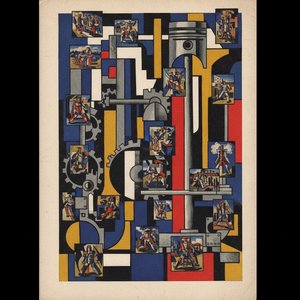
फर्नांड लेगर की शीर्ष 25 कलाकृतियाँ: आधुनिकता का सौंदर्य और घर सजावट के लिए प्रेरणा
फर्नांड लेगर की शीर्ष 25 कलाकृतियों में आधुनिक कला और क्यूबिज्म का सौंदर्य अनुभव करें। प्रत्येक पेंटिंग के पीछे की कहानी जानें, और अपने घर को अद्वितीय दीवार सजावट से सजाएं। OriginalUniqueArt.com पर उच्च गुणवत्ता वाले कला प्रिंट खोजें।

Crimson Threads of Narrative: Exploring Symbolism & Representation in Artworks Featuring the Red Dress
Explore the rich symbolism of the red dress in art history! From ancient power displays to iconic portraits like Cézanne’s 'Madame Cezanne', discover the cultural and artistic significance behind this captivating color. Expert analysis & insights.
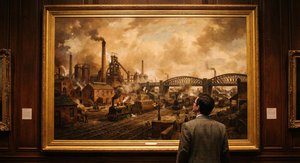
Industrial Revolution on Canvas: 10 Artworks That Define a Modern Aesthetic
Explore 10 iconic artworks capturing the Industrial Revolution’s grit & beauty. From Monet to Manet, discover realism, impressionism & powerful scenes of urban life. Find museum-quality reproductions for your home at OriginalUniqueArt.com.

Modern Geometry & Machine Age Beauty: A Collector's Guide to the Cubist Vision of Fernand Léger
Explore the vibrant world of Fernand Léger. Discover how his 'Tubism' and Machine Age aesthetics redefined modern art, offering profound inspiration for discerning collectors seeking geometric beauty and industrial dynamism.

Modern Geometry & Machine Age Beauty: A Collector's Guide to the Cubist Vision of Fernand Léger
Explore the profound geometric mastery of Fernand Léger. Discover how his 'Tubism' and Machine Age aesthetics redefined modern art, offering timeless inspiration for discerning collectors seeking to integrate Cubist dynamism into sophisticated contemporary interiors.


