पूर्वावलोकन देखें
 भेजें
भेजें साझा करें
 विवरण देखें
 मार्गदर्शिका

 डाउनलोड करें
 समान वस्तुएं
 एक्स-रे
 स्लाइड शो देखें
 आंकड़े
Christ on the Cross


 और पढ़ें
गिक्ली / आर्ट प्रिंट
तेज़ उत्पादन और विभिन्न फिनिश विकल्पों के साथ म्यूजियम-क्वालिटी गिकली (giclée) या कैनवस प्रिंट। ( हाथ से बनी पेंटिंग खरीदें डिजिटल इमेज पर जाएँ)




P118B ₹10

P118H ₹10

P118W ₹10

P438Z ₹10

P508JH ₹12

P508YH ₹12

P805H ₹10

P805Z ₹10

P919BZ ₹10

P919G ₹10

P919XJ ₹10

P959ZH ₹10

P968JZ ₹12

W106C ₹8

W218G ₹10

W218JH ₹8

W218Y ₹10

W307PJ ₹10

W316G ₹10

W316PJ ₹8

W316Y ₹10

W398PJ ₹8

W4111J ₹10

W500HY ₹15

W500JH ₹15

W692G ₹12

W849H ₹8

W940BG ₹15

W953PJ ₹8




कलाकृति के मूल अनुपात से मेल खाने वाले हमारे पूर्व निर्धारित आकारों में से चुनें।

अपने फ्रेम या अपनी दीवार के अनुसार आवश्यक चौड़ाई और ऊंचाई दर्ज करें। प्रिंट को केवल काटा जा सकता है, चित्र से बड़ा कभी नहीं बनाया जा सकता, इसलिए अलग आकार का साइज चित्र का एक हिस्सा खो देता है। किसी भी चीज़ को प्रिंट करने से पहले हम आपकी स्वीकृति के लिए आपको एक डिजिटल मॉकअप भेजते हैं। इस पृष्ठ पर दिखाया गया चित्र वास्तविक कटिंग नहीं दिखाता है — केवल मॉकअप ही इसे दर्शाता है।
विश्वव्यापी डिलीवरी (), मानक 4/5 सप्ताह के बजाय मात्र 2 सप्ताह में। (23 अक्टूबर)

दुनिया भर में मुफ़्त एक्सप्रेस शिपिंग

प्रीमियम ग्रेड लिनेन कैनवास

पूर्ण शिपिंग बीमा

सीमा शुल्क और आयात कर वापसी की गारंटी

सटीक रंग मिलान की गारंटी

100 दिनों की वापसी नीति (केवल निर्माण दोष होने पर)

100% पैसे वापसी की गारंटी

थोक छूट का अवसर
 ग्लास का विकल्प केवल 110 सेमी से कम आकार में ही उपलब्ध है।

Christ on the Cross
गिक्ली / आर्ट प्रिंट
प्रतिकृति का आकार
-


कुल मूल्य
₹ 7681
The Weight of Suffering: Delacroix’s ‘Christ on the Cross’
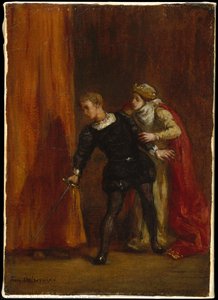
Eugène Delacroix's “Christ on the Cross,” painted in 1835, is not merely a depiction of a pivotal religious event; it’s a visceral exploration of human suffering and sacrifice. This preparatory sketch, rendered in charcoal and graphite on paper, offers a rare glimpse into Delacroix’s creative process – a raw, intensely emotional study that predates the grandeur of his finished masterpieces like “Liberty Leading the People.” Unlike idealized portrayals of Christ, this work confronts us with an unflinching realism, capturing the brutal physicality of the crucifixion with remarkable honesty. The loose lines and expressive shading immediately establish a mood of profound sorrow, inviting viewers to contemplate the immense cost borne by Jesus.
Composition and Technique – A Study in Line
Delacroix’s masterful use of line is central to the work's impact. The composition centers on Christ’s torso and head, positioned slightly off-balance, drawing our gaze directly into his anguished expression. His arms, dramatically outstretched along the crossbeams, convey a sense of utter exhaustion and surrender. The cross itself—a stark, simplified structure—functions primarily as a structural element, allowing Delacroix to focus entirely on the figure’s suffering. The background figures are sketched with a looser hand, suggesting a chaotic scene beyond the immediate focus, amplifying Christ's isolation and torment. Notice how he employs hatching and cross-hatching techniques to build up tonal variations – creating texture and volume within the charcoal, lending a tactile quality to the depiction of flesh and fabric. This deliberate roughness contrasts sharply with the smooth surfaces favored by earlier Neoclassical artists, reflecting Delacroix’s embrace of Romanticism's emphasis on feeling over precise form.
Symbolism and Emotional Resonance – The Language of Pain
“Christ on the Cross” transcends a simple historical representation; it is saturated with symbolic weight. The absence of traditional elements—nails, blood, crown of thorns—is deliberate. Delacroix, influenced by his study of Rubens and Venetian masters, sought to capture the essence of suffering rather than its gruesome details. The downward-drooping arm speaks volumes about Christ’s physical exhaustion and acceptance of his fate. His head, tilted back in a gesture of profound pain, embodies both agony and resignation. The overall effect is profoundly moving, evoking empathy and prompting reflection on themes of sacrifice, redemption, and the human condition. It's a testament to Delacroix’s ability to translate complex theological concepts into a powerfully emotional visual experience.
Historical Context and Artistic Influence – A Romantic Breakthrough
Created in 1835, “Christ on the Cross” emerged during a period of significant artistic transition. Delacroix’s work represents a pivotal moment in the development of French Romanticism, moving away from the rigid formality of Neoclassicism and embracing dramatic subject matter, intense emotion, and expressive brushwork. His inspiration stemmed from Rubens' dynamic compositions and Venetian masters' use of color and movement. This sketch served as a crucial stepping stone towards his larger, more polished works, demonstrating his evolving style and deepening understanding of capturing the human spirit. The work’s raw emotionality foreshadowed the Romantic ideals that would dominate art in the decades to come, influencing artists like Géricault and later, Impressionists.
OriginalUniqueArt offers meticulously crafted hand-painted reproductions of this powerful sketch, allowing you to experience Delacroix's artistic vision in stunning detail. Each reproduction captures the original’s expressive quality and emotional depth, bringing this poignant study of suffering into your home or office – a timeless reminder of faith, sacrifice, and the enduring power of art.
प्रश्न और उत्तर
यूजीन डेलाक्रॉ द्वारा "Christ on the Cross" किस कमरे के लिए उपयुक्त है?
यूजीन डेलाक्रॉ द्वारा "Christ on the Cross" के लिए Living Room की अनुशंसा की जाती है। यह सुझाव कलाकृति के विषय, रंगों और भाव पर आधारित है।
यूजीन डेलाक्रॉ द्वारा "Christ on the Cross" में किस स्तर की संतृप्ति (saturation) और तीव्रता दिखाई देती है?
यूजीन डेलाक्रॉ द्वारा "Christ on the Cross" के रंग Muted संतृप्ति (saturation) और Monochromatic तीव्रता प्रदर्शित करते हैं।
"Christ on the Cross" के Romanticism के पीछे किस देश की उत्पत्ति का हाथ है?
"Christ on the Cross" की रचना यूजीन डेलाक्रॉ द्वारा की गई थी, जिनका जन्म फ़्रांस में हुआ था, और यह Romanticism आंदोलन के अंतर्गत आती है। कलाकार की उत्पत्ति इस कृति को Romanticism से जोड़ती है, जैसा कि फ़्रांस के कलाकारों द्वारा अपनाया जाता है।
कलाकार का परिचय
एक क्रांतिकारी ब्रश: यूजीन डेलाक्रोआ का जीवन और विरासत
फर्डिनेंड विक्टर यूजीन डेलाक्रोआ, जिनका जन्म 1798 में शारेंटोन-सेंट-मॉरिस के पास हुआ था, केवल एक चित्रकार से कहीं बढ़कर थे; वे रोमांटिकतावाद की प्रबल भावना का प्रतीक थे। सामाजिक उथल-पुथल और बदलते सौंदर्य आदर्शों के दौर में फ्रांसीसी कला जगत में अग्रणी व्यक्ति बनकर उभरे डेलाक्रोआ ने नवशास्त्रीयता की कठोर औपचारिकता को त्याग दिया, इसके बजाय नाटक, भावनाओं और एक जीवंत पैलेट को अपनाया जिसने हमेशा के लिए चित्रकला के पाठ्यक्रम को बदल दिया। उनका जीवन, हालांकि व्यक्तिगत त्रासदी से चिह्नित था, उनकी कलात्मक दृष्टि से अविभाज्य रूप से जुड़ गया—एक उदात्त को पकड़ने, विदेशी क्षेत्रों का पता लगाने और मानव अनुभव की कच्ची शक्ति को व्यक्त करने की खोज।
डेलाक्रोआ के शुरुआती वर्षों को एक जटिल पारिवारिक इतिहास और कुछ हद तक नाजुक स्वास्थ्य ने आकार दिया था। सोलह वर्ष की आयु में अनाथ हो जाने पर, उन्हें चार्ल्स-मॉरिस डी टैलेरैंड-पेरिगोर्ड के प्रभावशाली व्यक्ति का मार्गदर्शन मिला, जिन पर कई लोगों का मानना था कि वे उनके असली पिता थे। इस संबंध ने उन्हें महत्वपूर्ण संरक्षण और पेरिस कला जगत तक पहुंच प्रदान की। उन्होंने शुरू में पियरे-नार्सिस गुएरिन के तहत अध्ययन किया, जो एक सम्मानित अकादमिक चित्रकार थे, लेकिन थियोडोर जेरिकॉल्ट के काम—विशेष रूप से उनकी विशाल *मेडुसा का राफ्ट*—ने वास्तव में डेलाक्रोआ के कलात्मक जुनून को प्रज्वलित किया। उन्होंने यहां तक कि जेरिकॉल्ट के लिए पोज़ भी दिया, जिससे बड़े कलाकार की यथार्थवाद और भावनात्मक तीव्रता के प्रति प्रतिबद्धता को आत्मसात किया गया।
ऐतिहासिक दृश्यों से विदेशी दर्शन तक
डेलाक्रोआ 1822 में *डैंटे एंड वर्जिल इन हेल* के साथ सैलून दृश्य पर छा गए, जो एक ऐसा काम था जिसने तुरंत स्थापित मानदंडों से उनके प्रस्थान का संकेत दिया। डेंटे अलीघिएरी के *इन्फर्नो* से प्रेरित यह पेंटिंग बोल्ड रंग के उपयोग, गतिशील रचना और मनोवैज्ञानिक उथल-पुथल की स्पष्ट भावना को दर्शाती है। इसने जुनून, संघर्ष और मानवीय स्थिति के विषयों की खोज के लिए समर्पित एक करियर की शुरुआत को चिह्नित किया। शुरू में मिश्रित प्रतिक्रियाओं का सामना करना पड़ा—कुछ आलोचकों ने उनकी मौलिकता की प्रशंसा की, जबकि अन्य ने उनके काम को अराजक और शास्त्रीय परिष्कार की कमी वाला बताया—डेलाक्रोआ दृढ़ रहे, एक विशिष्ट शैली विकसित करते हुए जिसमें ढीले ब्रशवर्क, समृद्ध बनावट और गति पर जोर दिया गया।
उनकी रुचि ऐतिहासिक और साहित्यिक विषयों से परे फैली हुई थी। 1832 में उत्तरी अफ्रीका की एक महत्वपूर्ण यात्रा ने उनकी कलात्मक प्रक्षेपवक्र को गहराई से प्रभावित किया। मोरक्को की जीवंत संस्कृति में डूबकर, डेलाक्रोआ विदेशी परिदृश्य, अरब जनजातियों की खानाबदोश जीवनशैली और उनकी परंपराओं की तीव्रता से मोहित हो गए। इस अनुभव ने उनके चित्रों में रंग, प्रकाश और ऊर्जा की एक नई भावना का संचार किया, जैसा कि *अरब घोड़े लड़ते हुए* और अल्जीरियाई जीवन के कई अध्ययनों में देखा गया है। वे केवल इन दृश्यों को प्रलेखित नहीं कर रहे थे; वे अपनी संस्कृति की अंतर्निहित भावना को समझने की कोशिश कर रहे थे जो उनकी अपनी से बहुत अलग थी।
रंग की शक्ति और राजनीतिक जुड़ाव
डेलाक्रोआ की रंग पर महारत शायद उनकी सबसे स्थायी विरासत है। उन्होंने रूबेन्स के बारोक उत्साह और वेनेशियन पुनर्जागरण के स्वामी से प्रेरणा ली, सटीक मसौदा तैयार करने पर क्रोमैटिक तीव्रता को प्राथमिकता दी। उन्हें पता था कि रंग भावना पैदा कर सकता है, वातावरण बना सकता है और रेखा अकेले नहीं कर सकती थी। इस नवीन दृष्टिकोण ने बाद की पीढ़ियों के कलाकारों को गहराई से प्रभावित किया, जिससे प्रभाववाद और उत्तर-प्रभाववाद का मार्ग प्रशस्त हुआ।
उनकी सौंदर्य संबंधी नवाचारों से परे, डेलाक्रोआ एक राजनीतिक रूप से व्यस्त कलाकार थे। उनका सबसे प्रतिष्ठित काम, *लिबर्टी लीडिंग द पीपल* (1830), केवल जुलाई क्रांति का चित्रण नहीं है; यह स्वतंत्रता और विद्रोह के लिए एक शक्तिशाली रूपक है। पेंटिंग की गतिशील रचना, प्रतीकात्मक आकृतियाँ और कच्ची भावनात्मक शक्ति ने इसे फ्रांसीसी राष्ट्रीय पहचान और क्रांतिकारी आदर्शों के प्रतीक के रूप में कला इतिहास में स्थापित किया। यह किसी घटना को प्रलेखित करने के बारे में नहीं था; यह एक राष्ट्र की स्वतंत्रता के लिए लड़ने की भावना को पकड़ने के बारे में था।
एक स्थायी प्रभाव
डेलाक्रोआ ने अपने जीवन भर लगातार पेंटिंग करना जारी रखा, शेक्सपियरियन त्रासदियों से लेकर बाइबिल कथाओं तक विभिन्न विषयों का पता लगाया। उन्होंने विलियम स्कॉट और जोहान वोल्फगैंग वॉन गोएथे जैसे साहित्यिक दिग्गजों की कृतियों को चित्रित करते हुए एक महत्वपूर्ण लिथोग्राफर के रूप में भी योगदान दिया। उनका स्टूडियो कलात्मक आदान-प्रदान का केंद्र बन गया, जिससे महत्वाकांक्षी चित्रकार आकर्षित हुए जो उनके अपरंपरागत दृष्टिकोण से आकर्षित थे।
1863 में उनकी मृत्यु तक, डेलाक्रोआ ने खुद को फ्रांस के महानतम कलाकारों में से एक के रूप में स्थापित कर लिया था। उनका प्रभाव रोमांटिकतावाद आंदोलन से परे फैला हुआ था, आधुनिक चित्रकला के विकास को आकार दिया और उनके बोल्ड रंग के उपयोग, गतिशील रचनाओं और भावनात्मक अभिव्यक्ति के प्रति अटूट प्रतिबद्धता के साथ अनगिनत कलाकारों को प्रेरित किया। वे कला इतिहास में एक महत्वपूर्ण व्यक्ति बने हुए हैं—व्यक्तिगत दृष्टि की शक्ति और उदात्त के स्थायी आकर्षण का प्रमाण।

यूजीन डेलाक्रॉ
1798 - 1863 , फ़्रांस
संक्षिप्त जानकारी
- Artistic Movement Or Style: रोमांटिकवाद
- Artists Or Movements Influenced By This Artist:
- प्रभाववाद
- उत्तर-प्रभाववाद
- Artists Who Influenced This Artist:
- रूबेन्स
- वेनिस के चित्रकार
- Date Of Birth: 26 अप्रैल 1798
- Date Of Death: 13 अगस्त 1863
- Full Name: फ़र्डिनेंड विक्टर यूजेन डेलैकॉइस
- Nationality: फ़्रेंच
- Notable Artworks (List Of Titles):
- लिबर्टी लीडिंग द पीपल
- सार्डानपालुस की मृत्यु
- Place Of Birth (City And Country): शैंटोनी, फ़्रांस
संबंधित लेखों की सूची

Beyond the Chaos: The Raw Emotion and Epic Drama of Romanticism Art
Explore the raw emotion and epic drama of Romanticism art. From the sublime landscapes of Friedrich to Delacroix's intense motion, discover how this movement redefined human feeling through powerful, evocative masterpieces.

फ्रा एंजेलिको की शीर्ष 25 उत्कृष्ट कृतियाँ: कला, आध्यात्मिकता और घर सजावट
फ्रा एंजेलिको की शीर्ष 25 कृतियों का अन्वेषण करें! पुनर्जागरण कला, धार्मिक चित्रकला और स्वर्गीय सौंदर्य से भरपूर ये उत्कृष्ट फ्रेस्को और पैनल पेंटिंग आपको मंत्रमुग्ध कर देंगे। OriginalUniqueArt.com पर उच्च-गुणवत्ता कला प्रतिकृतियाँ खोजें।

The Power of Emotion: A Definitive Guide to the Sublime and Soulful Art of Romanticism
Explore the profound emotional depth of the Romanticism art movement. Discover how masters like Delacroix and Friedrich captured the sublime through passion, nature, and intuition in this definitive guide for history lovers and art collectors.
रोमांटिकवाद की कला: शीर्ष 10 उत्कृष्ट कृतियाँ जो परिभाषित करती हैं | OriginalUniqueArt
रोमांटिकवाद की दुनिया में कदम रखें! शीर्ष 10 उत्कृष्ट कृतियाँ जानें जिन्होंने इस कला आंदोलन को परिभाषित किया। कलाकारों, तकनीकों और अनमोल कहानियों का अन्वेषण करें। OriginalUniqueArt.com पर संग्रहालय-गुणवत्ता वाले कला प्रजनन और सजावट के विचार खोजें।

Ferdinand Delacroix: Romanticism's Revolutionary Brush – A Study of Passion, Politics, and Painterly Innovation
Explore the revolutionary art of Eugène Delacroix, leader of French Romanticism. Discover his masterful use of color, political engagement, and lasting influence on modern painting. Learn about key works & history.