

 पूर्वावलोकन देखें
 भेजें
भेजें साझा करें
 विवरण देखें
 मार्गदर्शिका

 डाउनलोड करें
 समान वस्तुएं
 एक्स-रे
 स्लाइड शो देखें
 आंकड़े
Children
 Acrylic On Canvas
- WallArt
- Biedermeier
 1834
1834 25.0 x 31.0 cm
 Hermitage Museum
 और पढ़ें
गिक्ली / आर्ट प्रिंट
तेज़ उत्पादन और विभिन्न फिनिश विकल्पों के साथ म्यूजियम-क्वालिटी गिकली (giclée) या कैनवस प्रिंट। ( हाथ से बनी पेंटिंग खरीदें डिजिटल इमेज पर जाएँ)




P118B ₹10

P118H ₹10

P118W ₹10

P438Z ₹10

P508JH ₹12

P508YH ₹12

P805H ₹10

P805Z ₹10

P919BZ ₹10

P919G ₹10

P919XJ ₹10

P959ZH ₹10

P968JZ ₹12

W106C ₹8

W218G ₹10

W218JH ₹8

W218Y ₹10

W307PJ ₹10

W316G ₹10

W316PJ ₹8

W316Y ₹10

W398PJ ₹8

W4111J ₹10

W500HY ₹15

W500JH ₹15

W692G ₹12

W849H ₹8

W940BG ₹15

W953PJ ₹8




कलाकृति के मूल अनुपात से मेल खाने वाले हमारे पूर्व निर्धारित आकारों में से चुनें।

अपने फ्रेम या अपनी दीवार के अनुसार आवश्यक चौड़ाई और ऊंचाई दर्ज करें। प्रिंट को केवल काटा जा सकता है, चित्र से बड़ा कभी नहीं बनाया जा सकता, इसलिए अलग आकार का साइज चित्र का एक हिस्सा खो देता है। किसी भी चीज़ को प्रिंट करने से पहले हम आपकी स्वीकृति के लिए आपको एक डिजिटल मॉकअप भेजते हैं। इस पृष्ठ पर दिखाया गया चित्र वास्तविक कटिंग नहीं दिखाता है — केवल मॉकअप ही इसे दर्शाता है।
विश्वव्यापी डिलीवरी (), मानक 4/5 सप्ताह के बजाय मात्र 2 सप्ताह में। (26 अक्टूबर)

दुनिया भर में मुफ़्त एक्सप्रेस शिपिंग

प्रीमियम ग्रेड लिनेन कैनवास

पूर्ण शिपिंग बीमा

सीमा शुल्क और आयात कर वापसी की गारंटी

सटीक रंग मिलान की गारंटी

100 दिनों की वापसी नीति (केवल निर्माण दोष होने पर)

100% पैसे वापसी की गारंटी

थोक छूट का अवसर
 ग्लास का विकल्प केवल 110 सेमी से कम आकार में ही उपलब्ध है।

Children
गिक्ली / आर्ट प्रिंट
प्रतिकृति का आकार
-


कुल मूल्य
₹ 7670
A Moment of Rural Tranquility: Exploring Waldmüller’s “Children”
Ferdinand Georg Waldmüller's "Children," painted in 1834, isn’t merely a portrait; it’s a carefully constructed tableau of quiet dignity and poignant observation. The painting captures two young girls returning home from school along a winding path, bathed in the soft, diffused light characteristic of the Biedermeier style – an artistic movement deeply rooted in the appreciation of nature and the celebration of everyday life. Waldmüller, a pivotal figure within this aesthetic, eschewed grand historical or mythological subjects, instead focusing on scenes that offered glimpses into the lives of ordinary people, reflecting a shift away from the formal conventions of earlier art movements.
The scene unfolds with remarkable detail and restraint. The girls, rendered with an almost photographic precision, are dressed in simple, modest attire – a pink dress for one and a white one for the other – their faces conveying a sense of weariness mingled with contentment. Their clasped hands suggest a shared experience, a silent understanding forged through the journey home. The composition is deliberately balanced, drawing the eye along the path towards the distant, hazy mountains—a subtle reminder of the vastness and beauty beyond their immediate world. Waldmüller’s meticulous attention to texture – the rough fabric of their dresses, the worn earth beneath their feet – grounds the scene in a tangible reality.
The Biedermeier Aesthetic: Nature as Inspiration
To understand “Children,” one must appreciate the broader context of the Biedermeier period. Following the tumultuous years of the Napoleonic Wars and the subsequent Restoration, there was a desire for a return to simplicity and sincerity in art. Artists like Waldmüller sought inspiration in the natural world, rejecting the elaborate ornamentation and dramatic narratives favored by earlier styles. The Biedermeier aesthetic valued intimacy, domesticity, and the beauty of the commonplace. Waldmüller’s work embodies this philosophy perfectly; he doesn't attempt to elevate or idealize his subjects but rather presents them with honesty and respect.
The use of *plein air* painting – working directly from nature – was central to the Biedermeier approach, allowing artists to capture the subtle nuances of light and atmosphere. Waldmüller’s ability to render the soft, diffused light filtering through the trees is particularly striking, creating a sense of warmth and tranquility. The muted color palette—dominated by earthy tones and gentle blues—further enhances this effect, contributing to the painting's overall mood of quiet contemplation.
Symbolism and Emotional Resonance
While seemingly straightforward, “Children” is rich in symbolic meaning. The girls’ journey home represents not just a return from school but also a transition into adulthood—a subtle acknowledgement of the challenges and responsibilities that lie ahead. The path itself can be interpreted as a metaphor for life's journey, with its twists and turns, its moments of hardship and joy. The distant mountains symbolize hope and possibility, suggesting that even in the face of adversity, there is always something to strive for.
Beyond its symbolic layers, “Children” evokes a powerful sense of empathy and nostalgia. Waldmüller’s masterful use of light and shadow, combined with his sensitive portrayal of the girls' expressions, creates an emotional connection that transcends time and place. The painting speaks to our shared humanity—to the simple pleasures of childhood, the bonds of family, and the enduring beauty of the natural world.
A Timeless Masterpiece: Reproductions and Legacy
Reproduced on high-quality canvas or paper, “Children” offers a captivating addition to any interior space. The painting’s serene atmosphere and evocative imagery create a sense of calm and tranquility—making it an ideal choice for bedrooms, living rooms, or studies. Consider framing the artwork in a classic wooden frame to complement its Biedermeier aesthetic, or opt for a more contemporary minimalist design to create a striking contrast.
Ferdinand Georg Waldmüller’s “Children” remains a testament to the power of art to capture the essence of human experience. It is a timeless masterpiece that continues to resonate with viewers today, inviting us to pause and reflect on the simple joys of life and the enduring beauty of the natural world.
प्रश्न और उत्तर
क्या Hermitage Museum में रखी गई फर्डिनेंड जॉर्ज वाल्डमुलर द्वारा "Children" का कानूनी रूप से पुनरुत्पादन किया जा सकता है?
मूल "Children" Hermitage Museum में है, और यह कृति सार्वजनिक डोमेन में - इसका कॉपीराइट समाप्त हो चुका है है।
फर्डिनेंड जॉर्ज वाल्डमुलर द्वारा "Children" की माध्यम (medium) और आयाम (dimensions) क्या हैं?
मूल फर्डिनेंड जॉर्ज वाल्डमुलर द्वारा "Children" एक Acrylic On Canvas कृति है जिसका माप 25 x 31 cm है। तकनीक और आकार मूल वस्तु का वर्णन करते हैं।
फर्डिनेंड जॉर्ज वाल्डमुलर द्वारा "Children" का समग्र भाव क्या है?
फर्डिनेंड जॉर्ज वाल्डमुलर द्वारा "Children" का समग्र भाव Calm है। यह भाव कलाकृति के सामान्य वातावरण का वर्णन करता है।
कलाकार का परिचय
प्रारंभिक जीवन और कलात्मक शुरुआत
फर्डिनेंड जॉर्ज वाल्डमुलर का जन्म 15 जनवरी, 1793 को ऑस्ट्रिया के वियना में हुआ था, जो उस समय महत्वपूर्ण सामाजिक परिवर्तनों और कलात्मक उथल-पुथल का दौर था। दुर्भाग्यवश, उनका प्रारंभिक जीवन कठिनाइयों से भरा रहा; उनके पिता की असामयिक मृत्यु ने परिवार के भाग्य पर संकट के बादल मंडरा दिए, जिससे युवा फर्डिनेंड के मन में जीवन की अनिश्चितता के प्रति एक गहरी समझ विकसित हुई—एक ऐसा विषय जो बाद में उनकी कला में गहराई से गूँजने वाला था। इन चुनौतियों के बावजूद, वाल्डमुलर ने चित्रकला और रेखांकन में स्पष्ट प्रतिभा का प्रदर्शन किया, जिसके कारण 1807 में उन्होंने वियना की एकेडमी ऑफ फाइन आर्ट्स में प्रवेश लिया। हालाँकि, उनकी उपस्थिति कुछ हद तक अनियमित रही, जो शायद उनके अशांत स्वभाव या उस समय की कठोर अकादमिक सीमाओं के प्रति असंतोष को दर्शाती थी। शुरुआत में, वे पोर्ट्रेट पेंटिंग यानी चित्रकला की ओर आकर्षित हुए, जो संरक्षण चाहने वाले एक महत्वाकांक्षी कलाकार के लिए एक भरोसेमंद मार्ग था, लेकिन अंततः परिदृश्य (landscapes) और दैनिक जीवन के दृश्यों के आकर्षण ने ही उनकी कल्पना को मंत्रमुग्ध किया और उनकी कलात्मक विरासत को परिभाषित किया। इन प्रारंभिक अन्वेषणों ने सूक्ष्म अवलोकन और प्राकृतिक दुनिया के साथ एक गहरे संबंध वाली शैली की नींव रखी।यथार्थवाद और विवादों से निर्मित करियर
वाल्डमुलर का करियर कलात्मक नवाचार और संस्थागत प्रतिरोध के बीच एक गतिशील अंतर्संबंध के रूप में सामने आया। अपने प्रारंभिक वर्षों के दौरान, उन्होंने एक सेट डिजाइनर के रूप में काम करके और पोर्ट्रेट बनाना जारी रखकर अपनी आय में वृद्धि की, जो अक्सर उनकी पत्नी, गायिका कैथारिना वेडनर के साथ यात्राओं के दौरान होता था। इस घुमंतू जीवनशैली ने उन्हें विविध वातावरणों से परिचित कराया और उनके कलात्मक क्षिततिज का विस्तार किया। 1820 के दशक तक, वाल्डमुलर ने एक विशिष्ट शैली विकसित करना शुरू कर दिया था—दैनिक जीवन के यथार्थवादी चित्रण के प्रति एक प्रतिबद्धता, विशेष रूप से ग्रामीण परिवेश में। उनकी रुचि चीजों को आदर्श बनाने या रूमानी बनाने में नहीं थी; इसके बजाय, वे दुनिया को उसके वास्तविक स्वरूप में, उसकी तमाम सुंदरता और खामियों के साथ पकड़ना चाहते थे। यथार्थवाद के इस समर्पण ने उन्हें प्रशंसा और आलोचना दोनों दिलाई। 1819 में, उन्होंने वियना की एकेडमी ऑफ फाइन आर्ट्स में एक प्रोफेसर का पद प्राप्त किया, लेकिन उनका कार्यकाल संघर्षों से भरा रहा। वाल्डमुलर ने प्रकृति से सीधे अवलोकन—plein air पेंटिंग—के लिए जुनून के साथ वकालत की और अकादमिक शिक्षण के औपचारिक तरीकों और स्थापित परंपराओं के पालन की खुले तौर पर आलोचना की। उनकी मुखरता के कारण कला जगत के दिग्गजों के साथ बार-बार टकराव हुआ और अंततः 1857 में उन्हें जबरन सेवानिवृत्त होना पड़ा। 1825 से शुरू हुई इटली की frequent यात्राओं और साल्ज़कामगुट (Salzkammergut) के सुरम्य क्षेत्र ने उनके परिदृश्य चित्रण को गहराई से प्रभावित किया, जिससे प्रकाश, बनावट और वातावरण को असाधारण सटीकता के साथ पकड़ने की उनकी क्षमता और निखर गई।ग्रामीण जीवन के विषय और सामाजिक टिप्पणी
वाल्डमुलर की कलात्मक कृतियाँ उल्लेखनीय रूप से विविध हैं, जिनमें पोर्ट्रेट, परिदृश्य और दृश्य चित्र शामिल हैं, लेकिन इन विभिन्न विषयों को एक साझा सूत्र जोड़ता है: 19वीं सदी के ऑस्ट्रियाई जीवन की वास्तविकताओं के साथ गहरा जुड़ाव।विरासत और ऐतिहासिक महत्व
फर्डिनेंड जॉर्ज वाल्डमुलर को उचित रूप से बिडरमेयर (Biedermeier) काल के सबसे महत्वपूर्ण ऑस्ट्रियाई चित्रकारों में से एक माना जाता है। प्राकृतिक अवलोकन और plein air पेंटिंग के प्रति उनकी अटूट प्रतिबद्धता ने उन कई कलात्मक नवाचारों का पूर्वानुमान लगाया जो दशकों बाद प्रभाववाद (Impressionism) की विशेषता बने। उन्होंने ग्रामीण जीवन के पारंपरिक चित्रणों को चुनौती दी, और उस शैली में यथार्थवाद और सामाजिक टिप्पणी का संचार किया जो अक्सर आदर्शवादी छवियों द्वारा हावी रहती थी। अपने पूरे करियर में आलोचना और बाधाओं का सामना करने के बावजूद—जिसमें अकादमी से जबरन सेवानिवृत्ति भी शामिल थी—वाल्डलैंडमुलर के काम ने अंततः अंतरराष्ट्रीय पहचान प्राप्त की, जिसका चरमोत्कर्ष पेरिस विश्व प्रदर्शनी (1855) और बकिंघम पैलेस (1856) में प्रदर्शनियों के रूप में हुआ, जहाँ उन्हें क्रमशः सम्राट नेपोलियन III और महारानी विक्टोरिया से प्रशंसा मिली। 23 अगस्त, 1865 को हिनटरब्रूल में उनकी मृत्यु से कुछ समय पहले उन्हें नाइटहुड से सम्मानित किया गया था, जो उनके कलात्मक योगदान की एक विलंबित स्वीकृति थी। वाल्डमुलर की विरासत उनकी व्यक्तिगत पेंटिंग्स से कहीं आगे तक फैली हुई है; उन्होंने अपने विस्तृत यथार्थवाद, रोजमर्रा के विषयों पर ध्यान केंद्रित करने और यथास्थिति को चुनौती देने की साहसी इच्छा के साथ कलाकारों की पीढ़ियों को प्रभावित किया। वे ऑस्ट्रियाई कला इतिहास के एक महत्वपूर्ण व्यक्तित्व बने हुए हैं—एक सच्चे अग्रदूत जिन्होंने परिदृश्य और दृश्य चित्रण के नए दृष्टिकोणों का मार्ग प्रशस्त किया।
फर्डिनेंड जॉर्ज वाल्डमुलर
1793 - 1865 , ऑस्ट्रिया
संक्षिप्त जानकारी
- इस कलाकार से प्रभावित कलाकार या आंदोलन: प्रभाववाद
- उल्लेखनीय कलाकृतियाँ:
- वेनिस का फल विक्रेता
- आत्म-चित्र
- लुईस मेयर
- इश्ल का दृश्य
- सभी आत्माओं के दिन
- प्रेम पत्र
- स्नान करती महिलाएँ
- कलात्मक आंदोलन या शैली: बीडरमेयर, यथार्थवाद
- जन्म तिथि: 15 जनवरी, 1793
- जन्म स्थान: वियना, ऑस्ट्रिया
- पूरा नाम: फर्डिनेंड जॉर्ज वाल्डमुलर
- मृत्यु तिथि: 23 अगस्त, 1865
- राष्ट्रीयता: ऑस्ट्रियाई
संबंधित लेखों की सूची
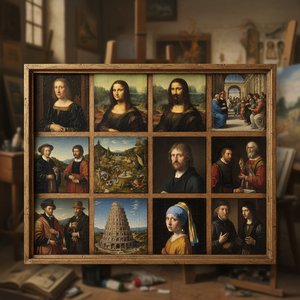
Oil on Panel Masters: 10 Paintings That Revolutionized Art |
Journey through 10 legendary 'Oil on Panel' masterpieces by Van Eyck, Bosch & Bruegel. Explore the stories behind these iconic Renaissance & Baroque paintings and find museum-quality art reproductions to elevate your home decor. Discover all masterpieces on !
Oil on Panel: A Historical Survey of Technique, Support, and Aesthetic Impact
Explore the rich history of oil on panel painting! Discover Renaissance techniques, support construction, & the enduring legacy of this masterful art form. Expert insights for collectors and enthusiasts.

Mastering the Surface: The Timeless Elegance and Technical Brilliance of Oil on Panel Painting
Discover the enduring allure of oil on panel painting. Explore the technical mastery, historical significance, and luminous depth that define this prestigious medium, from Renaissance masters to modern fine art reproductions for discerning collectors.
Oil on Panel: A Historical Survey of Technique, Support & Aesthetic Evolution
Explore the rich history of oil on panel painting! Discover Renaissance techniques, support structures & aesthetic evolution. Expert insights for art collectors and enthusiasts.
Mastering the Surface: A Historical and Technical Guide to the Art of Oil on Panel Painting
Explore the profound history and technical brilliance of oil on panel painting. From Renaissance masters to modern techniques, discover why this rigid support offers unparalleled precision and permanence for fine art lovers and collectors.