

 पूर्वावलोकन देखें
 भेजें
भेजें साझा करें
 विवरण देखें
 मार्गदर्शिका

 डाउनलोड करें
 समान वस्तुएं
 एक्स-रे
 स्लाइड शो देखें
 आंकड़े
Self Portrait, Les Miserables
 कैनवस पर एक्रिलिक पेंट
- वॉल आर्ट
- Post-Impressionism
 1888
1888- 19वीं शताब्दी
 45.0 x 55.0 cm
 और पढ़ें
गिक्ली / आर्ट प्रिंट
तेज़ उत्पादन और विभिन्न फिनिश विकल्पों के साथ म्यूजियम-क्वालिटी गिकली (giclée) या कैनवस प्रिंट। ( हाथ से बनी पेंटिंग खरीदें डिजिटल इमेज पर जाएँ)




P118B $10

P118H $10

P118W $10

P438Z $10

P508JH $12

P508YH $12

P805H $10

P805Z $10

P919BZ $10

P919G $10

P919XJ $10

P959ZH $10

P968JZ $12

W106C $8

W218G $10

W218JH $8

W218Y $10

W307PJ $10

W316G $10

W316PJ $8

W316Y $10

W398PJ $8

W4111J $10

W500HY $15

W500JH $15

W692G $12

W849H $8

W940BG $15

W953PJ $8




कलाकृति के मूल अनुपात से मेल खाने वाले हमारे पूर्व निर्धारित आकारों में से चुनें।

आप किसी विशिष्ट फ्रेम या स्थान के अनुसार अपने स्वयं के आयाम (dimensions) दर्ज कर सकते हैं। यदि आपके द्वारा चुना गया आकार मूल छवि के अनुपात से मेल नहीं खाता है, तो हम कलाकृति को क्रॉप कर देंगे या मिरर किए गए या सॉलिड-फिल किनारे के साथ छवि का विस्तार करेंगे। उत्पादन शुरू होने से पहले आपकी स्वीकृति के लिए एक डिजिटल मॉकअप भेजा जाएगा।
कृपया ध्यान दें कि स्क्रीन पर दिखने वाला प्रीव्यू वास्तविक क्रॉपिंग या विस्तार को नहीं दर्शाता है। केवल मॉकअप ही अंतिम संरचना को सटीक रूप से दिखाएगा।
हालाँकि कस्टम आकार उपलब्ध हैं, फिर भी हम मूल अनुपात बनाए रखने के लिए पूर्व-निर्धारित सूची में से एक आयाम चुनने की सलाह देते हैं।
विश्वव्यापी डिलीवरी (), मानक 4/5 सप्ताह के बजाय मात्र 2 सप्ताह में। (27 सितमबर)

दुनिया भर में मुफ़्त एक्सप्रेस शिपिंग

प्रीमियम ग्रेड लिनेन कैनवास

पूर्ण शिपिंग बीमा

सीमा शुल्क और आयात कर वापसी की गारंटी

सटीक रंग मिलान की गारंटी

100 दिनों की वापसी नीति (केवल निर्माण दोष होने पर)

100% पैसे वापसी की गारंटी

थोक छूट का अवसर
 ग्लास का विकल्प केवल 110 सेमी से कम आकार में ही उपलब्ध है।

Self Portrait, Les Miserables
गिक्ली / आर्ट प्रिंट
प्रतिकृति का आकार
-


कुल मूल्य
$ 80
Paul Gauguin’s “Self Portrait, Les Misérables”: A Window into the Soul of an Era
Paul Gauguin's "Self Portrait, Les Miserables," painted in 1888, is far more than a simple depiction of the artist; it’s a poignant meditation on humanity, social injustice, and the enduring struggle for redemption. Emerging from the vibrant yet turbulent world of Post-Impressionism, this work encapsulates Gauguin's distinctive style – a bold departure from Impressionistic realism that prioritized emotional expression and symbolic resonance over meticulous observation. The painting immediately draws the eye to the artist’s face, rendered with a deliberate roughness, his beard and mustache conveying both strength and a hint of weariness. Surrounded by an abundance of flowers—no fewer than thirteen varieties are discernible – they aren't merely decorative elements; they represent hope, resilience, and the fleeting beauty of life amidst hardship.
The title itself, “Les Miserables,” is a deliberate allusion to Victor Hugo’s epic novel, instantly connecting the painting to themes of poverty, suffering, and social inequality. Gauguin's choice reflects his own experiences with poverty during his early career and his deep empathy for those marginalized by society. The presence of two figures flanking the artist—their identities deliberately obscured – adds a layer of complexity, suggesting the interconnectedness of human experience and the weight of shared burdens. These figures aren’t simply background elements; they embody the broader social landscape that Gauguin sought to capture in his art.
The Synthetist Style and Gauguin's Innovative Palette
Painted during a period of intense artistic experimentation, “Self Portrait, Les Miserables” exemplifies Gauguin’s development of the Synthetist style. Moving beyond Impressionism’s focus on capturing fleeting moments of light and color, Gauguin sought to create works that were more symbolic and emotionally charged. He employed flattened forms, simplified shapes, and a vibrant, non-naturalistic palette—a deliberate rejection of academic tradition. The colors are intensely saturated – deep blues, fiery reds, and earthy greens—creating a visual intensity that mirrors the emotional weight of the subject matter. Notice how he uses color not to mimic reality but to evoke feeling; the yellows, for instance, aren’t simply yellow, but radiate an almost feverish energy.
Gauguin's technique is characterized by bold brushstrokes and a deliberate lack of blending. This creates a textured surface that invites close examination, encouraging the viewer to engage with the painting on a tactile level. The composition itself is deliberately unbalanced, further emphasizing the sense of unease and uncertainty that permeates the work. He was influenced by Camille Pissarro’s Impressionism but quickly forged his own path, drawing inspiration from his time in Brittany and later, during his sojourn in Tahiti and Martinique, where he depicted native life and landscapes with a unique perspective.
Symbolism and the Artist's Inner World
Beyond its social commentary, “Self Portrait, Les Miserables” offers a profound glimpse into Gauguin’s own psyche. The flowers, often associated with beauty and renewal, can be interpreted as symbols of hope amidst despair. However, their scattered arrangement also suggests a sense of fragility and vulnerability. The artist's gaze is direct and unflinching, conveying both introspection and a quiet defiance. It’s a portrait not just of an individual, but of a man grappling with his place in the world and confronting the complexities of human existence.
Furthermore, the inclusion of the two figures on either side of Gauguin hints at themes of isolation and connection. They could represent the societal forces that weigh upon him, or perhaps the individuals he has encountered throughout his life—each contributing to the tapestry of his experiences. The painting’s power lies in its ambiguity, inviting viewers to project their own interpretations onto the scene.
Legacy and Enduring Relevance
“Self Portrait, Les Miserables” quickly gained recognition after Gauguin's death, largely thanks to the efforts of dealer Ambroise Vollard. Today, it resides at the Van Gogh Museum in Amsterdam, a testament to its enduring artistic merit. It stands as a powerful example of Post-Impressionism’s shift towards subjective expression and symbolic representation. Gauguin’s influence can be seen throughout modern art, particularly in the works of Pablo Picasso and Henri Matisse, who both embraced his bold use of color and unconventional subject matter.
More than just a historical artifact, “Self Portrait, Les Miserables” continues to resonate with contemporary audiences. Its exploration of social injustice, human vulnerability, and the search for meaning remains profoundly relevant in today’s world. OriginalUniqueArt offers meticulously crafted reproductions that allow you to experience the full impact of this masterpiece, bringing Gauguin's vision to life in your own space.
Paul Gauguin: Self Portrait, Les Miserables | Paul Gauguin | Paul Gauguin on Wikipedia
कलाकार का परिचय
Eugène Henri Paul Gauguin: A Revolutionary Post-Impressionist Painter
Paul Gauguin, एक नाम जो जीवंत रंग और विद्रोहपूर्ण भावना से गूंजता है, इम्प्रेसनिज्म से आधुनिक कला के संक्रमण में एक महत्वपूर्ण व्यक्ति है। 1848 में पेरिस में पैदा हुआ था, उसका जीवन किसी भी तरह से सामान्य नहीं था। प्रारंभिक वर्षों को असामान्य परवरिश से आकार दिया गया था; उसके पिता एक पत्रकार थे और उसकी माँ पेरूई सरनेटी से थीं—उसकी दादी फ्लोरा ट्रिस्तन एक अग्रणी नारीवादी और समाजवादी लेखिका थीं जिनके आदर्श निश्चित रूप से परिवार के भीतर प्रतिध्वनित होते थे। यह विरासत उसके कलात्मक दृष्टिकोण को गहराई से प्रभावित करती है, जिसमें यूरोपीय संस्कृति से परे संस्कृतियों में रुचि पैदा होती है। 1850 में अपने परिवार के स्थानांतरण के बाद पेरू में बचपन बिताने से वह पेरिस समाज से बहुत अलग दुनिया में डूब गया था, एक अनुभव जो lingered और अंततः उसके कलात्मक खोज की प्रेरणा का स्रोत बन गया। फ्रांस लौटने पर अपने पिता की मृत्यु के बाद, वह औपचारिक शिक्षा प्राप्त कर लिया लेकिन अकादमिक अध्ययन के बजाय वित्तीय दुनिया की ओर आकर्षित हो गया था, स्टॉक ब्रोकर के रूप में एक कैरियर शुरू किया था—एक मार्ग जो उसे आने वाली कलात्मक नियति से टकराता है।वित्त से कलात्मक बुलाव
वर्षों तक गैग्यूइन ने अपने व्यावसायिक उद्यमों को सावधानीपूर्वक आगे बढ़ाया जबकि गुप्त रूप से रंग और भावना के अभिव्यक्ति के लिए एक नई शैली विकसित करने की इच्छा को संतुष्ट करते हुए पेंटिंग के लिए जुनून को पोषण दिया। प्रारंभिक प्रभाव इम्प्रेसनिस्ट थे, जिन्होंने क्षणिक वास्तविकता को पकड़ने के प्रति समर्पण के बावजूद समय के साथ प्रकाश और रंग के प्रयोग किए। 1882 का वित्तीय संकट एक मोड़ साबित हुआ जिसने उसे अपने lucrativa कैरियर को त्यागने के लिए मजबूर किया और पूरी तरह से अपनी कलात्मक बुलाव को अपनाने के लिए। यह केवल पेशे में बदलाव नहीं था; यह विश्वदृष्टि में मौलिक परिवर्तन था। वह कैमिले पिसारो से मार्गदर्शन चाहता था, जिसने उसके विकास को प्रोत्साहित किया और उसे पेरिस के अत्याधुनिक वृत्तों का परिचय दिया। हालाँकि, गैग्यूइन इम्प्रेसनिस्ट सिद्धांतों से जल्दी दूर हो गया था, जो केवल क्या उसने देखा था बल्कि क्या महसूस किया था—एक शैली जो न केवल वास्तविकता को चित्रित करती है बल्कि उसे प्रतिबिंबित करती है। यह इच्छा उसे यूरोपीय सैलून से बहुत दूर एक कलात्मक खोज पर ले गई थी और पश्चिमी सभ्यता के कठोर प्रतिबंधों से मुक्त होने की इच्छा को संतुष्ट करते हुए एक आध्यात्मिक खोज थी।ब्रिटनी और ताहिती का आकर्षण
गैग्यूइन का कलात्मक विकास उसके यात्राओं से अविभाज्य था। उसने ब्रिटनी में समय बिताया, ग्रामीण फ्रांसीसी संस्कृति के कठोर परिदृश्यों और लोगों की गहरी जड़ों को देखकर। इस अवधि ने उसे समरूप रूपों के प्रयोग करने के लिए प्रेरित किया; बोल्ड आउटलाइन और रचना के सरलीकरण—तकनीकें जो उसे यथार्थवाद से दूर ले जाती हैं और एक अधिक प्रतीकात्मक भाषा की ओर ले जाती हैं। लेकिन ताहिती में उसके शुरुआती दौर में 1891 में अपनी यात्रा ने वास्तव में उसकी रचनात्मक क्षमता को उजागर किया। यूरोपीय समाज से सुरक्षा प्राप्त करने के लिए जिसे वह संकुचित माना था, गैग्यूइन चाहता था कि ताहिती संस्कृति पश्चिमी सभ्यता से अधिक शुद्ध और अधिक प्रामाणिक हो—एक विश्वास जो उसे गैर-पश्चिमी संस्कृतियों के साथ एक संबंध स्थापित करने के लिए प्रेरित करता है। यह केवल कलात्मक खोज नहीं थी; यह एक आध्यात्मिक खोज थी। उसने स्थानीय रीति-रिवाजों और मान्यताओं में खुद को डुबो दिया था, ताहिती महिलाओं, परिदृश्यों और धार्मिक प्रथाओं को अपनी अनूठी लेंस के माध्यम से चित्रित किया था—एक शैली जो जापानी प्रिंटों से प्रभावित थी और पश्चिमी कलात्मक संस्कृति के लिए एक नई प्रेरणा थी। इस अवधि में इम्प्रेसनिस्ट प्रभाव के बावजूद गैग्यूइन ने अपने काम को एक नए स्तर पर ले जाया, जो न केवल वास्तविकता को चित्रित करता है बल्कि भावना और आध्यात्मिक अर्थ व्यक्त करता है। ## प्रमुख कार्य और शैलीगत नवाचार गैग्यूइन की कलात्मक शैली कई कारकों से प्रभावित थी जिनमें शामिल हैं:- इम्प्रेसनिज्म: प्रारंभिक प्रभाव प्रकाश और रंग के प्रयोगों पर केंद्रित था, लेकिन बाद में क्षणिक वास्तविकता को पकड़ने के लिए इम्प्रेसनिस्ट दृष्टिकोण के प्रति अस्वीकृति।
- जaponisme: जापानी प्रिंटों से प्रेरणा मिली जिसमें समरूपतापूर्ण परिप्रेक्ष्य और बोल्ड आउटलाइन शामिल थीं।
- मध्यकालीन कला: मध्ययुगीन कला में प्रतीकात्मक छवियों का उपयोग और यथार्थवाद के सख्त नियमों को अस्वीकार करना शामिल था।
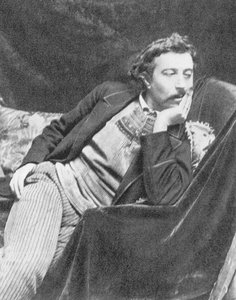
ग्यूगन
1848 - 1903 , फ्रांस
संक्षिप्त जानकारी
- Artistic Movement Or Style: पॉस्ट-इंप्रेशनिज्म और सिंबोलिज्म
- Artists Or Movements Influenced By This Artist: ['पाब्लो पििकासो']
- Artists Who Influenced This Artist: ['कैमिल्ले पिसारो']
- Date Of Birth: जून 7, 1848
- Date Of Death: मई 8, 1903
- Full Name: Eugène Henri Paul Gauguin
- Nationality: फ्रांसीसी
- Notable Artworks:
- क्लीयरिंग
- वाहिने नो ते मति
- Place Of Birth: पेरिस, फ्रांस
संबंधित लेखों की सूची

पॉल सेज़ान की शीर्ष 25 उत्कृष्ट कृतियाँ: कला और सजावट का अद्भुत संग्रह | OriginalUniqueArt
पॉल सेज़ान की शीर्ष 25 उत्कृष्ट कृतियों का अन्वेषण करें! प्रभाववाद और आधुनिक कला के जनक सेज़ान के जीवन, शैली और प्रसिद्ध चित्रों को जानें। OriginalUniqueArt पर उच्च गुणवत्ता वाले कैनवास प्रिंट और दीवार सजावट खरीदें।
पॉल क्ली की शीर्ष 25 कलाकृतियाँ: रंग, रूप और भावनाओं का अद्भुत संगम | OriginalUniqueArt
पॉल क्ली की शीर्ष 25 कलाकृतियों का अन्वेषण करें! रंग, रूप और भावनाओं से भरी अमूर्त कला के जादू को जानें। Bauhaus शैली, स्विस कलाकार और आधुनिक कला इतिहास में डूब जाएं। OriginalUniqueArt.com पर उच्च-गुणवत्ता वाले कला प्रिंट खोजें।
Beyond Impressionism: Exploring Emotional Depth & Formal Innovation in Post-Impressionist Art
Explore the profound emotional depth & formal innovations of Post-Impressionism with our expert guide. Discover Cézanne, Van Gogh, Gauguin & more. Learn about art history, collecting, and investing in this pivotal movement.

पोस्ट-इंप्रेशनिज्म: दस उत्कृष्ट कृतियाँ जिन्होंने कला को परिभाषित किया | OriginalUniqueArt
पोस्ट-इंप्रेशनिज्म की 10 उत्कृष्ट कृतियाँ जानें! वान गाग, सेज़ान और गौगुइन जैसे कलाकारों के अद्भुत कार्यों का अन्वेषण करें। कला इतिहास, रंग और प्रेरणादायक डिज़ाइन खोजें। OriginalUniqueArt.com पर पूरा संग्रह देखें!

Beyond Impressionism: Exploring the Emotional Depth of Post-Impressionist Painting
Explore the profound emotional depth & innovative techniques of Post-Impressionism with OriginalUniqueArt. Discover Cézanne, Van Gogh, Gauguin & more – and their lasting impact on modern art.


