

 पूर्वावलोकन देखें
 साझा करें
 साझा करें
 विस्तृत विवरण

 डाउनलोड करें
 समान कलाकृतियाँ
 एक्स-रे
 स्लाइड शो देखें
Mountain landscape


 पूरा देखें
गिक्ली / आर्ट प्रिंट
तेज़ उत्पादन और विभिन्न फिनिश विकल्पों के साथ म्यूजियम-क्वालिटी गिकली (giclée) या कैनवस प्रिंट। ( हाथ से बनी पेंटिंग खरीदें छवि खरीदें)




P118B $10

P118H $10

P118W $10

P438Z $10

P508JH $12

P508YH $12

P805H $10

P805Z $10

P919BZ $10

P919G $10

P919XJ $10

P959ZH $10

P968JZ $12

W106C $8

W218G $10

W218JH $8

W218Y $10

W307PJ $10

W316G $10

W316PJ $8

W316Y $10

W398PJ $8

W4111J $10

W500HY $15

W500JH $15

W692G $12

W849H $8

W940BG $15

W953PJ $8




कलाकृति के मूल अनुपात से मेल खाने वाले हमारे पूर्व निर्धारित आकारों में से चुनें।

आप किसी विशिष्ट फ्रेम या स्थान के अनुसार अपने स्वयं के आयाम (dimensions) दर्ज कर सकते हैं। यदि आपके द्वारा चुना गया आकार मूल छवि के अनुपात से मेल नहीं खाता है, तो हम कलाकृति को क्रॉप कर देंगे या मिरर किए गए या सॉलिड-फिल किनारे के साथ छवि का विस्तार करेंगे। उत्पादन शुरू होने से पहले आपकी स्वीकृति के लिए एक डिजिटल मॉकअप भेजा जाएगा।
कृपया ध्यान दें कि स्क्रीन पर दिखने वाला प्रीव्यू वास्तविक क्रॉपिंग या विस्तार को नहीं दर्शाता है। केवल मॉकअप ही अंतिम संरचना को सटीक रूप से दिखाएगा।
हालाँकि कस्टम आकार उपलब्ध हैं, फिर भी हम मूल अनुपात बनाए रखने के लिए पूर्व-निर्धारित सूची में से एक आयाम चुनने की सलाह देते हैं।
विश्वव्यापी डिलीवरी (), मानक 4/5 सप्ताह के बजाय मात्र 2 सप्ताह में। (22 अगस्त)

दुनिया भर में मुफ़्त एक्सप्रेस शिपिंग

उच्च गुणवत्ता वाला लिनेन कैनवास

पूर्ण शिपिंग बीमा

सीमा शुल्क और आयात कर वापसी की गारंटी

सटीक रंग मिलान की गारंटी

60-दिन की वापसी नीति (केवल दोषों के लिए)

100% पैसे वापसी की गारंटी

थोक छूट का लाभ
 ग्लास का विकल्प केवल 110 सेमी से कम आकार में ही उपलब्ध है।

Mountain landscape
गिक्ली / आर्ट प्रिंट
प्रतिकृति का आकार
-


कुल देय राशि
$ 80
संग्रहणीय वस्तु का विवरण
A Journey Into Gauguin’s Soul: “Mountain Landscape”
Paul Gauguin's "Mountain Landscape," painted in 1882, isn’t merely a depiction of a hillside; it’s a profound distillation of the artist’s evolving vision and his yearning for a deeper connection with nature and spirituality. Emerging from the vibrant, yet ultimately superficial, world of Impressionism, Gauguin embarked on a radical shift—a deliberate rejection of objective representation in favor of subjective experience and symbolic resonance. This painting stands as a pivotal moment in that transformation, showcasing a nascent style that would profoundly influence generations of artists to come. The scene itself is deceptively simple: a rugged, almost primordial landscape dominated by towering mountains and a swirling, cloudy sky. Yet, within this apparent simplicity lies a complex interplay of color, texture, and emotion—a testament to Gauguin’s innovative approach to capturing the essence of his subject. He wasn't striving for photographic accuracy; instead, he sought to translate the *feeling* of being amidst such grandeur, an experience deeply rooted in personal intuition and spiritual contemplation.- The Palette of Emotion: Gauguin’s masterful use of color is immediately striking. Gone are the delicate pastel hues of Impressionism; here, we encounter a bolder, more assertive palette—deep greens, rich browns, ochre yellows, and dramatic blues. These aren't colors that simply describe the landscape; they *become* the landscape itself, imbued with an emotional charge. The vibrant greens suggest life and vitality, while the earthy browns ground the scene in a sense of solidity and permanence. The sky, rendered in swirling shades of blue and grey, evokes both serenity and turbulence—a reflection perhaps of Gauguin’s own inner turmoil during this period of intense artistic exploration.
- Brushstrokes as Voices: Gauguin's distinctive brushwork is equally crucial to the painting’s impact. His strokes are not smooth or blended; they are loose, expressive, and often deliberately uneven. These visible marks—a hallmark of his style—inject a sense of movement and energy into the scene, suggesting the constant flux of nature and the artist’s own restless spirit. The brushstrokes seem to dance across the canvas, creating a tactile quality that invites the viewer to reach out and touch the landscape.
- A Departure from Realism: Notice how Gauguin simplifies forms—the mountains are not meticulously rendered but rather suggested through broad masses of color and texture. This simplification isn’t an act of carelessness; it's a deliberate choice to prioritize emotional impact over literal representation. He is less concerned with depicting *what* he sees than with conveying *how* he feels about what he sees.
The Context of Transformation: Gauguin and Post-Impressionism
To fully appreciate “Mountain Landscape,” it’s essential to understand its place within the broader context of Post-Impressionism—a movement that arose in reaction to the limitations of Impressionism. While Impressionists sought to capture fleeting moments of light and color, Post-Impressionist artists like Gauguin aimed to delve deeper into the underlying emotions and symbolic meanings of their subjects. They rejected the purely optical approach of Impressionism, embracing a more subjective and expressive style. Gauguin’s journey began in Paris, where he initially experimented with Impressionistic techniques. However, disillusioned by what he perceived as its superficiality, he sought refuge in Brittany, immersing himself in rural life and drawing inspiration from Celtic folklore and mythology. This experience profoundly shaped his artistic vision, leading him to develop a style characterized by bold colors, simplified forms, and symbolic imagery—a style that would become synonymous with Post-Impressionism. Key Influences:- Synthetism: Gauguin’s exploration of Synthetism – an artistic style focused on the synthesis of form and color – is evident in this work.
- Primitivism: His fascination with non-Western cultures, particularly those of Tahiti, fueled his desire to strip away Western conventions and embrace a more primal, intuitive approach to art.
Decoding the Symbolism
“Mountain Landscape” isn’t simply a landscape painting; it's a visual poem—a meditation on nature, spirituality, and the human condition. The towering mountains themselves can be interpreted as symbols of strength, permanence, and the sublime—evoking a sense of awe and humility in the face of nature’s grandeur. The swirling clouds suggest both tranquility and turbulence, reflecting the complexities of life and the artist's own inner struggles. Notably, the absence of human figures reinforces this focus on the landscape itself, transforming it into a sacred space—a realm where the viewer can connect with something larger than themselves. Gauguin was deeply interested in exploring themes of spirituality and mythology, often incorporating symbolic elements into his work to convey hidden meanings. The painting invites contemplation: What does the rugged terrain represent? How does the sky’s movement affect your mood?A Legacy of Innovation
“Mountain Landscape” is a remarkably prescient work—a harbinger of the radical artistic movements that would emerge in the early 20th century. Gauguin's bold experimentation with color, texture, and symbolism paved the way for Expressionism, Fauvism, and other avant-garde styles. His willingness to challenge conventional notions of representation and embrace a more subjective approach to art continues to inspire artists today. Reproductions of this iconic painting offer a unique opportunity to experience Gauguin’s visionary spirit—to step into his world and contemplate the timeless beauty and profound mystery of the natural landscape.कलाकार का जीवन परिचय
Eugène Henri Paul Gauguin: A Revolutionary Post-Impressionist Painter
Paul Gauguin, एक नाम जो जीवंत रंग और विद्रोहपूर्ण भावना से गूंजता है, इम्प्रेसनिज्म से आधुनिक कला के संक्रमण में एक महत्वपूर्ण व्यक्ति है। 1848 में पेरिस में पैदा हुआ था, उसका जीवन किसी भी तरह से सामान्य नहीं था। प्रारंभिक वर्षों को असामान्य परवरिश से आकार दिया गया था; उसके पिता एक पत्रकार थे और उसकी माँ पेरूई सरनेटी से थीं—उसकी दादी फ्लोरा ट्रिस्तन एक अग्रणी नारीवादी और समाजवादी लेखिका थीं जिनके आदर्श निश्चित रूप से परिवार के भीतर प्रतिध्वनित होते थे। यह विरासत उसके कलात्मक दृष्टिकोण को गहराई से प्रभावित करती है, जिसमें यूरोपीय संस्कृति से परे संस्कृतियों में रुचि पैदा होती है। 1850 में अपने परिवार के स्थानांतरण के बाद पेरू में बचपन बिताने से वह पेरिस समाज से बहुत अलग दुनिया में डूब गया था, एक अनुभव जो lingered और अंततः उसके कलात्मक खोज की प्रेरणा का स्रोत बन गया। फ्रांस लौटने पर अपने पिता की मृत्यु के बाद, वह औपचारिक शिक्षा प्राप्त कर लिया लेकिन अकादमिक अध्ययन के बजाय वित्तीय दुनिया की ओर आकर्षित हो गया था, स्टॉक ब्रोकर के रूप में एक कैरियर शुरू किया था—एक मार्ग जो उसे आने वाली कलात्मक नियति से टकराता है।वित्त से कलात्मक बुलाव
वर्षों तक गैग्यूइन ने अपने व्यावसायिक उद्यमों को सावधानीपूर्वक आगे बढ़ाया जबकि गुप्त रूप से रंग और भावना के अभिव्यक्ति के लिए एक नई शैली विकसित करने की इच्छा को संतुष्ट करते हुए पेंटिंग के लिए जुनून को पोषण दिया। प्रारंभिक प्रभाव इम्प्रेसनिस्ट थे, जिन्होंने क्षणिक वास्तविकता को पकड़ने के प्रति समर्पण के बावजूद समय के साथ प्रकाश और रंग के प्रयोग किए। 1882 का वित्तीय संकट एक मोड़ साबित हुआ जिसने उसे अपने lucrativa कैरियर को त्यागने के लिए मजबूर किया और पूरी तरह से अपनी कलात्मक बुलाव को अपनाने के लिए। यह केवल पेशे में बदलाव नहीं था; यह विश्वदृष्टि में मौलिक परिवर्तन था। वह कैमिले पिसारो से मार्गदर्शन चाहता था, जिसने उसके विकास को प्रोत्साहित किया और उसे पेरिस के अत्याधुनिक वृत्तों का परिचय दिया। हालाँकि, गैग्यूइन इम्प्रेसनिस्ट सिद्धांतों से जल्दी दूर हो गया था, जो केवल क्या उसने देखा था बल्कि क्या महसूस किया था—एक शैली जो न केवल वास्तविकता को चित्रित करती है बल्कि उसे प्रतिबिंबित करती है। यह इच्छा उसे यूरोपीय सैलून से बहुत दूर एक कलात्मक खोज पर ले गई थी और पश्चिमी सभ्यता के कठोर प्रतिबंधों से मुक्त होने की इच्छा को संतुष्ट करते हुए एक आध्यात्मिक खोज थी।ब्रिटनी और ताहिती का आकर्षण
गैग्यूइन का कलात्मक विकास उसके यात्राओं से अविभाज्य था। उसने ब्रिटनी में समय बिताया, ग्रामीण फ्रांसीसी संस्कृति के कठोर परिदृश्यों और लोगों की गहरी जड़ों को देखकर। इस अवधि ने उसे समरूप रूपों के प्रयोग करने के लिए प्रेरित किया; बोल्ड आउटलाइन और रचना के सरलीकरण—तकनीकें जो उसे यथार्थवाद से दूर ले जाती हैं और एक अधिक प्रतीकात्मक भाषा की ओर ले जाती हैं। लेकिन ताहिती में उसके शुरुआती दौर में 1891 में अपनी यात्रा ने वास्तव में उसकी रचनात्मक क्षमता को उजागर किया। यूरोपीय समाज से सुरक्षा प्राप्त करने के लिए जिसे वह संकुचित माना था, गैग्यूइन चाहता था कि ताहिती संस्कृति पश्चिमी सभ्यता से अधिक शुद्ध और अधिक प्रामाणिक हो—एक विश्वास जो उसे गैर-पश्चिमी संस्कृतियों के साथ एक संबंध स्थापित करने के लिए प्रेरित करता है। यह केवल कलात्मक खोज नहीं थी; यह एक आध्यात्मिक खोज थी। उसने स्थानीय रीति-रिवाजों और मान्यताओं में खुद को डुबो दिया था, ताहिती महिलाओं, परिदृश्यों और धार्मिक प्रथाओं को अपनी अनूठी लेंस के माध्यम से चित्रित किया था—एक शैली जो जापानी प्रिंटों से प्रभावित थी और पश्चिमी कलात्मक संस्कृति के लिए एक नई प्रेरणा थी। इस अवधि में इम्प्रेसनिस्ट प्रभाव के बावजूद गैग्यूइन ने अपने काम को एक नए स्तर पर ले जाया, जो न केवल वास्तविकता को चित्रित करता है बल्कि भावना और आध्यात्मिक अर्थ व्यक्त करता है। ## प्रमुख कार्य और शैलीगत नवाचार गैग्यूइन की कलात्मक शैली कई कारकों से प्रभावित थी जिनमें शामिल हैं:- इम्प्रेसनिज्म: प्रारंभिक प्रभाव प्रकाश और रंग के प्रयोगों पर केंद्रित था, लेकिन बाद में क्षणिक वास्तविकता को पकड़ने के लिए इम्प्रेसनिस्ट दृष्टिकोण के प्रति अस्वीकृति।
- जaponisme: जापानी प्रिंटों से प्रेरणा मिली जिसमें समरूपतापूर्ण परिप्रेक्ष्य और बोल्ड आउटलाइन शामिल थीं।
- मध्यकालीन कला: मध्ययुगीन कला में प्रतीकात्मक छवियों का उपयोग और यथार्थवाद के सख्त नियमों को अस्वीकार करना शामिल था।
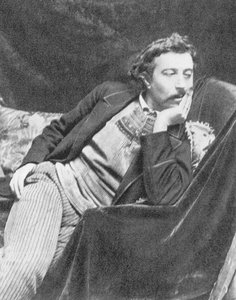
ग्यूगन
1848 - 1903 , फ्रांस
मुख्य तथ्य
- Artistic Movement Or Style: पॉस्ट-इंप्रेशनिज्म और सिंबोलिज्म
- Artists Or Movements Influenced By This Artist: ['पाब्लो पििकासो']
- Artists Who Influenced This Artist: ['कैमिल्ले पिसारो']
- Date Of Birth: जून 7, 1848
- Date Of Death: मई 8, 1903
- Full Name: Eugène Henri Paul Gauguin
- Nationality: फ्रांसीसी
- Notable Artworks:
- क्लीयरिंग
- वाहिने नो ते मति
- Place Of Birth: पेरिस, फ्रांस
संबंधित लेख

पॉल सेज़ान की शीर्ष 25 उत्कृष्ट कृतियाँ: कला और सजावट का अद्भुत संग्रह | OriginalUniqueArt
पॉल सेज़ान की शीर्ष 25 उत्कृष्ट कृतियों का अन्वेषण करें! प्रभाववाद और आधुनिक कला के जनक सेज़ान के जीवन, शैली और प्रसिद्ध चित्रों को जानें। OriginalUniqueArt पर उच्च गुणवत्ता वाले कैनवास प्रिंट और दीवार सजावट खरीदें।
पॉल क्ली की शीर्ष 25 कलाकृतियाँ: रंग, रूप और भावनाओं का अद्भुत संगम | OriginalUniqueArt
पॉल क्ली की शीर्ष 25 कलाकृतियों का अन्वेषण करें! रंग, रूप और भावनाओं से भरी अमूर्त कला के जादू को जानें। Bauhaus शैली, स्विस कलाकार और आधुनिक कला इतिहास में डूब जाएं। OriginalUniqueArt.com पर उच्च-गुणवत्ता वाले कला प्रिंट खोजें।
Beyond Impressionism: The Emotional Depth and Vibrant Evolution of Post-Impressionist Landscapes
Explore the profound evolution of Post-Impressionist landscapes. From Van Gogh's emotional brushwork to Cézanne's structural mastery, discover how these visionaries redefined art history through color and form in this expert guide for fine art enthusiasts.
Beyond Impressionism: Exploring the Emotional Depth of Post-Impressionist Painting
Explore the profound emotional depth & innovative techniques of Post-Impressionism with OriginalUniqueArt. Discover Cézanne, Van Gogh, Gauguin & more – and their lasting impact on modern art.
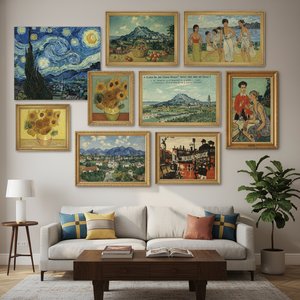
पोस्ट-इंप्रेशनिज्म: दस उत्कृष्ट कृतियाँ जिन्होंने कला को परिभाषित किया | OriginalUniqueArt
पोस्ट-इंप्रेशनिज्म की 10 उत्कृष्ट कृतियाँ जानें! वान गाग, सेज़ान और गौगुइन जैसे कलाकारों के अद्भुत कार्यों का अन्वेषण करें। कला इतिहास, रंग और प्रेरणादायक डिज़ाइन खोजें। OriginalUniqueArt.com पर पूरा संग्रह देखें!



