
 पूर्वावलोकन देखें
 साझा करें
 साझा करें
 विस्तृत विवरण

 डाउनलोड करें
 समान कलाकृतियाँ
 एक्स-रे
 स्लाइड शो देखें
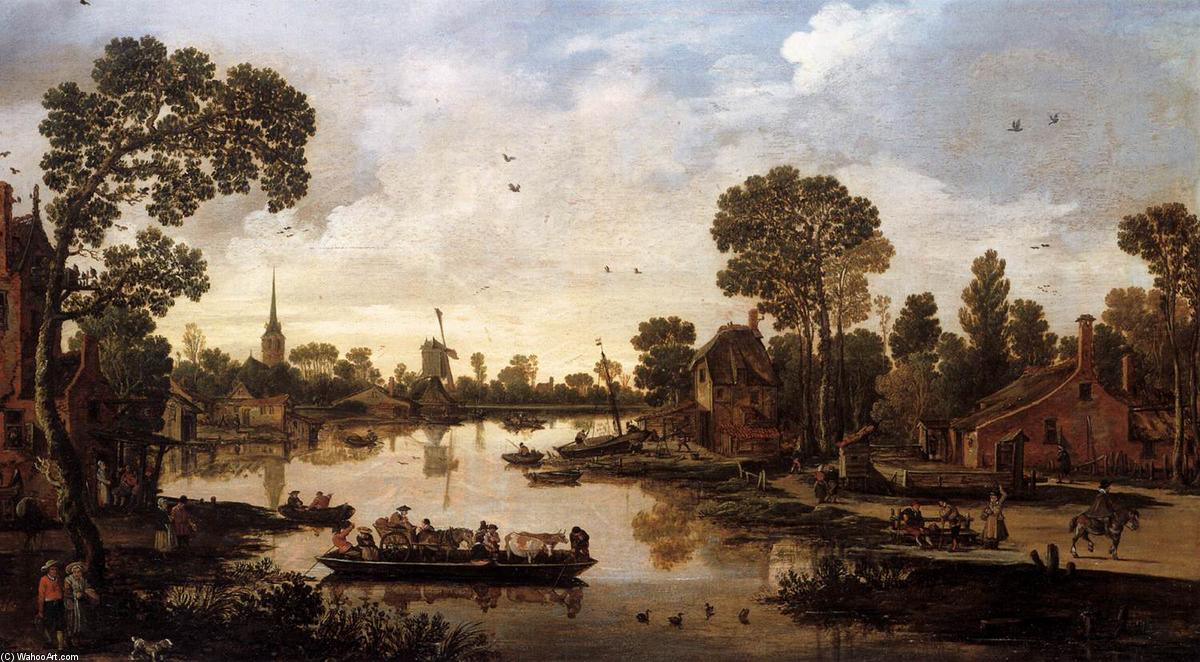
Ferry Boat
 Oil On Panel
- Baroque Landscape
 1622
1622 62.0 x 113.0 cm
 रिक्सम्यूजियम
 पूरा देखें
गिक्ली / आर्ट प्रिंट
तेज़ उत्पादन और विभिन्न फिनिश विकल्पों के साथ म्यूजियम-क्वालिटी गिकली (giclée) या कैनवस प्रिंट। ( हाथ से बनी पेंटिंग खरीदें छवि खरीदें)




P118B $10

P118H $10

P118W $10

P438Z $10

P508JH $12

P508YH $12

P805H $10

P805Z $10

P919BZ $10

P919G $10

P919XJ $10

P959ZH $10

P968JZ $12

W106C $8

W218G $10

W218JH $8

W218Y $10

W307PJ $10

W316G $10

W316PJ $8

W316Y $10

W398PJ $8

W4111J $10

W500HY $15

W500JH $15

W692G $12

W849H $8

W940BG $15

W953PJ $8




कलाकृति के मूल अनुपात से मेल खाने वाले हमारे पूर्व निर्धारित आकारों में से चुनें।

आप किसी विशिष्ट फ्रेम या स्थान के अनुसार अपने स्वयं के आयाम (dimensions) दर्ज कर सकते हैं। यदि आपके द्वारा चुना गया आकार मूल छवि के अनुपात से मेल नहीं खाता है, तो हम कलाकृति को क्रॉप कर देंगे या मिरर किए गए या सॉलिड-फिल किनारे के साथ छवि का विस्तार करेंगे। उत्पादन शुरू होने से पहले आपकी स्वीकृति के लिए एक डिजिटल मॉकअप भेजा जाएगा।
कृपया ध्यान दें कि स्क्रीन पर दिखने वाला प्रीव्यू वास्तविक क्रॉपिंग या विस्तार को नहीं दर्शाता है। केवल मॉकअप ही अंतिम संरचना को सटीक रूप से दिखाएगा।
हालाँकि कस्टम आकार उपलब्ध हैं, फिर भी हम मूल अनुपात बनाए रखने के लिए पूर्व-निर्धारित सूची में से एक आयाम चुनने की सलाह देते हैं।
विश्वव्यापी डिलीवरी (), मानक 4/5 सप्ताह के बजाय मात्र 2 सप्ताह में। (25 अगस्त)

दुनिया भर में मुफ़्त एक्सप्रेस शिपिंग

उच्च गुणवत्ता वाला लिनेन कैनवास

पूर्ण शिपिंग बीमा

सीमा शुल्क और आयात कर वापसी की गारंटी

सटीक रंग मिलान की गारंटी

60-दिन की वापसी नीति (केवल दोषों के लिए)

100% पैसे वापसी की गारंटी

थोक छूट का लाभ
 ग्लास का विकल्प केवल 110 सेमी से कम आकार में ही उपलब्ध है।

Ferry Boat
गिक्ली / आर्ट प्रिंट
प्रतिकृति का आकार
-


कुल देय राशि
$ 80
संग्रहणीय वस्तु का विवरण
A Moment Frozen in Time: Esaias van de Velde’s “Ferry Boat”
Esaias van de Velde's "Ferry Boat," painted in 1622, isn’t merely a depiction of a river crossing; it’s a carefully constructed tableau of Dutch life, imbued with the serenity and meticulous detail characteristic of the Golden Age. Housed within the Rijksmuseum in Amsterdam, this painting offers a rare glimpse into a world where commerce and community intertwined along the waterways that shaped the nation's identity. Van de Velde masterfully captures not just the physical scene but also the quiet rhythm of daily existence – a testament to his skill as a landscape artist and keen observer of human activity.
The painting immediately draws the eye to the tranquil waterway, rendered with an almost photographic precision. The water’s surface reflects the surrounding trees and buildings, creating a sense of depth that extends far into the distance. This masterful use of atmospheric perspective—a technique perfected during this period—is crucial to the work's overall effect, lending it a believable realism. At the heart of the composition lies the ferry boat itself, a sturdy vessel carrying passengers across the water with an air of effortless grace. The subtle details of its construction – the simple lines, the lack of elaborate ornamentation – speak volumes about the practicality and functionality valued by Dutch society.
The Palette of Peace: Style and Technique
Van de Velde’s artistic style is defined by a restrained palette of earthy tones—muted browns, greens, and blues—that evoke a sense of warmth and tranquility. He eschews dramatic contrasts in light and shadow, favoring instead a soft, diffused illumination that contributes to the painting's overall mood of peaceful contemplation. The brushstrokes are delicate and precise, meticulously applied to create a smooth, almost velvety surface. This technique, combined with his mastery of perspective and atmospheric effects, results in an image that is both visually stunning and emotionally resonant.
The artist’s use of oil paint allows for incredible detail and luminosity. He skillfully layered thin glazes of color to build up the forms and textures of the scene, creating a sense of depth and realism. Notice how he captures the subtle variations in tone on the water's surface—the shimmering reflections, the gentle ripples—demonstrating his deep understanding of light and its effects. The composition is carefully balanced, with the ferry boat positioned centrally to draw the viewer’s eye across the scene. The arrangement of figures along the riverbanks further enhances this sense of balance, creating a harmonious and visually pleasing whole.
A Window into 17th-Century Dutch Life
“Ferry Boat” offers a fascinating glimpse into the daily lives of people in 17th-century Holland. The figures lining the riverbanks—farmers, merchants, and laborers—engage in various activities: tending to their fields, unloading goods, or simply enjoying the scenery. Their presence adds a layer of social context to the scene, reminding us that this painting is not merely an exercise in landscape depiction but also a portrait of Dutch society. The inclusion of a horse-drawn cart suggests the importance of transportation and trade in the region’s economy.
The painting's historical context is particularly noteworthy. During the Dutch Golden Age, the country experienced a period of unprecedented prosperity and artistic innovation. Artists like Van de Velde were tasked with documenting the beauty of their homeland—its landscapes, its cities, and its people. “Ferry Boat” exemplifies this trend, capturing not only the physical reality of the scene but also the cultural values and social dynamics of the time. It’s a poignant reminder of a bygone era, offering viewers a chance to connect with the past in a meaningful way.
Bringing History Home: Reproductions and Legacy
High-quality reproductions of “Ferry Boat” are now readily available through platforms like OriginalUniqueArt.com, allowing art enthusiasts worldwide to bring this masterpiece into their homes. These meticulously crafted prints capture the essence of Van de Velde’s original painting—its serene atmosphere, its meticulous detail, and its profound sense of place. Whether displayed in a formal living room or a cozy study, a reproduction of “Ferry Boat” will serve as a timeless reminder of the beauty and artistry of the Dutch Golden Age.
For those seeking to delve deeper into the life and work of Esaias van de Velde, resources like Wikipedia and the WGA website offer invaluable information. Exploring these sources can provide further insights into his artistic influences, his techniques, and his enduring legacy as one of the most important landscape painters of the Dutch Golden Age.
कलाकार का जीवन परिचय
एसाईस वैन डी वेल्डे: डच परिदृश्य चित्रण के एक महान उस्ताद
एसाईस वैन डी वेल्डे (17 मई 1587 – 18 नवंबर 1630) डच स्वर्ण युग के दौरान परिदृश्य चित्रण (landscape painting) के विकास में एक अत्यंत महत्वपूर्ण व्यक्तित्व के रूप में प्रतिष्ठित हैं। एम्सटर्डम में जन्मे, उनकी कलात्मक विरासत उनके पिता हंस वैन डी वेल्लो से जुड़ी थी, जो फ्लेमिश शरणार्थी थे और 16वीं शताब्दी के अंत में हुए धार्मिक उथल-पुथल के बाद नीदरलैंड में शरण लेने आए थे। फ्लेमिश परंपरा के साथ इस पारिवारिक संबंध ने साईस की प्रारंभिक कला शिक्षा को गहराई से आकार दिया, जिसमें उन्होंने शुरुआत में अपने पिता से और बाद में गिलिस वैन कॉनिक्सलो से प्रशिक्षण प्राप्त किया, जो पीटर ब्रुगेल द एल्डर की कृतियों से अत्यधिक प्रभावित एक परिदृश्य चित्रकार थे। कलात्मक प्रभावों के इस संगम के बीच उनके पालन-पोषण ने उनकी उस विशिष्ट शैली की नींव रखी, जिसने अंततः कैनवास पर प्राकृतिक दुनिया को चित्रित करने की संभावनाओं को पुनरपरिभाषित किया।प्रारंभिक प्रभाव और हार्लेम का कलात्मक परिदृश्य
वैन डी वेल्डे के करियर की शुरुआत 1610 से 1618 के बीच 17वीं शताब्दी के कला और वाणिज्य के जीवंत केंद्र, हार्लेम से हुई। यह अवधि उनके कलात्मक विकास के लिए अत्यंत महत्वपूर्ण सिद्ध हुई। 1612 में उन्होंने हरक्यूलिस सेगर्स के साथ प्रतिष्ठित 'हार्लेम गिल्ड ऑफ सेंट ल्यूक' में प्रवेश किया, एक ऐसी घटना जिसने इस क्षेत्र में परिदृश्य चित्रण के प्रति दृष्टिकोण में एक बड़ा बदलाव लाया। इससे पहले, परिदृश्य चित्रों को अक्सर गौण विधा माना जाता था और उन्हें केवल सजावटी भूमिकाओं तक सीमित रखा जाता था। वैन डी वेला के आगमन ने इन्हें एक सम्मानित और स्वतंत्र कला श्रेणी के रूप में स्थापित किया, जो पूरे नीदरलैंड में चल रहे एक व्यापक रुझान का प्रतिबिंब था। विशेष रूप से, वे एडम एल्शाइमर से प्रभावित थे, जो अपने नाटकीय प्रकाश और वायुमंडलीय प्रभावों के लिए जाने जाते थे। इस प्रभाव ने उन्हें अपने गुरु की कठोर परंपराओं से हटकर एक 'निम्न दृष्टिकोण' (lower viewpoint) अपनाने के लिए प्रेरित किया—एक ऐसी तकनीक जिसने दर्शकों को उनके सामने के दृश्यों का एक विस्तृत और लगभग विसर्जित कर देने वाला अनुभव प्रदान किया। यह सचेत चुनाव, त्रिकोणीय संरचनात्मक संयोजन के साथ मिलकर, उनकी विशिष्ट शैली की पहचान बन गया।शैलीगत और सैन्य दृश्य: कलात्मक क्षितिज का विस्तार
यद्यपि वे मुख्य रूप से अपने परिदृश्यों के लिए प्रसिद्ध थे, लेकिन वैन डी वेल्डे की कलात्मक क्षमता केवल प्रकृतिवाद तक ही सीमित नहीं थी। उन्होंने अपनी कृतियों में कुशलतापूर्वक 'शैलीगत दृश्यों' (genre scenes)—जो दैनिक जीवन का चित्रण करते हैं—और सैन्य चित्रों को शामिल किया। ये कार्य एक सूक्ष्म अवलोकन क्षमता और ग्रामीण एवं शहरी दोनों परिवेशों में मानवीय गतिविधियों की गतिशीलता और नाटकीयता को पकड़ने की उनकी अद्भुत क्षमता को प्रदर्शित करते हैं। उनकी कृति “द एम्बुश ऑफ अ वैगन ट्रेन” (लगभग 1618) इस बहुमुखी प्रतिभा का उत्कृष्ट उदाहरण है, जो न केवल परिदृश्य पर उनके प्रभुत्व को दर्शाती है, बल्कि सम्मोहक विवरणों के साथ क्रिया और कथा को चित्रित करने की उनकी प्रतिभा को भी प्रदर्शित करती है। ये विविध विषय एक ऐसे चित्रकार को प्रकट करते हैं जो मानवीय अनुभवों की जटिलताओं को उनके सभी रूपों में प्रस्तुत करने में निपुण थे।दरबारी चित्रकार और कलात्मक विरासत
अपने जीवन के उत्तरार्ध में, वैन डी वेल्डे ने द हेग में प्रिंस मॉरिट्स और फ्रेडरिक हेनरी के दरबारी चित्रकार के रूप में एक प्रतिष्ठित पद प्राप्त किया। इस नियुक्ति ने उनकी प्रतिष्ठा को सुदृढ़ किया और उन्हें विस्तृत युद्ध दृश्यों और औपचारिक चित्रणों सहित विभिन्न प्रकार के कार्यों के अवसर प्रदान किए। इस अवधि के दौरान उनका कार्य एक परिष्कृत कलात्मक संवेदनशीलता को दर्शाता है, जो सूक्ष्म विवरणों, कोमल रंग पैलेट और प्रकाश एवं छाया की बढ़ती हुई परिष्कृत समझ द्वारा पहचाना जाता है। वे रोएलेंट सावरी और जान वैन डी वेल्डे से प्रभावित थे, जो उनके पारिवारिक कलात्मक परंपरा के भीतर एक स्पष्ट वंशानुगत संबंध को प्रदर्शित करता है।शिष्य और स्थायी प्रभाव
एसाईस वैन डी वेल्डे का प्रभाव उनकी अपनी रचनाओं से कहीं आगे तक फैला हुआ था; उन्होंने पीटर वैन लाएर, जान मार्ट्सज़ेन डी जोंगे और एंथनी वैन डी वेल्डे (II) सहित कई होनहार युवा कलाकारों के मार्गदर्शक के रूप में कार्य किया। उनका प्रभाव पालामडेस पालामडेस्ज़, निकोलाएस डी क्वाडे वैन रावेस्टीन और एड्रिएन एड्रियान्ज़ गिबोंस के कार्यों में स्पष्ट रूप से देखा जा सकता है—ऐसे कलाकार जिन्होंने उनकी शैली और संरचनात्मक तकनीकों के तत्वों को अपनाया। इसके अतिरिक्त, वे जान वैन डी वेल्डे के चचेरे भाई थे, जो उनके परिवार की कलात्मक विरासत में एक और परत जोड़ता है। 1630 में द हेग में साईस की मृत्यु ने एक युग का अंत कर दिया, लेकिन डच परिदृश्य चित्रण में उनका योगदान अत्यंत महत्वपूर्ण बना रहा, जिसने इस विधा के मार्ग को आकार दिया और आने वाली कलाकारों की पीढ़ियों को प्रेरित किया। उनका कार्य आज भी अपने यथार्थवाद, नाटकीय प्रकाश और प्राकृतिक दुनिया के भावपूर्ण चित्रण के लिए सराहा जाता है।
एसाईस वैन डी वेल्डे
1587 - 1630 , नीदरलैंड
मुख्य तथ्य
- Artistic Movement Or Style: हारलेम स्कूल, परिदृश्य (Landscape)
- Artists Or Movements Influenced By This Artist:
- पालमेडेस पालमेडेज़
- जान मार्ट्सज़ेन डी जोंगे
- Artists Who Influenced This Artist:
- एडम एल्शाइमर
- रोएलेंट सावरी
- Date Of Birth: 1587-05-17 (बपतिस्मा)
- Date Of Death: 1630-11-18
- Full Name: एसाइस वैन डी वेल्डे
- Nationality: डच
- Notable Artworks:
- विंटर लैंडस्केप
- द एम्बुश
- द रॉबरी
- Place Of Birth: एम्स्टर्डम, नीदरलैंड
संबंधित लेख

Willem van de Velde the Elder: Master of Maritime Painting & Chronicler of the Dutch Golden Age
Discover the captivating maritime paintings of Willem van de Velde the Elder, a master chronicler of the Dutch Golden Age. Explore his unparalleled realism and lasting influence on naval art history.

Jan van Goyen: Master of Dutch Landscape & Atmospheric Perspective
Discover Jan van Goyen, the master of Dutch landscape painting. Explore his subtle technique, atmospheric realism & lasting influence on art history. Learn about this 17th-century pioneer at OriginalUniqueArt.

रेम्ब्रांद्ट की शीर्ष 25 कलाकृतियाँ: इतिहास, कहानी और दृश्य वैभव | OriginalUniqueArt
रेम्ब्रांद्ट की शीर्ष 25 कलाकृतियों का अन्वेषण करें! डच गोल्डन एज के इस महान चित्रकार की कहानियाँ, तकनीक और दृश्य वैभव जानें। घर की सजावट के लिए उच्च गुणवत्ता वाले कला प्रिंट खरीदें - OriginalUniqueArt.com पर संपूर्ण संग्रह देखें।
Cornelis van Poelenburch: Bridging Mannerism & the Dutch Baroque Landscape
Discover Cornelis van Poelenburch, a pivotal Dutch Baroque landscape painter bridging Mannerism & Italianate styles. Explore his life, key works, and lasting influence on 17th-century art with OriginalUniqueArt.

फ्रांसिस्को गोया की शीर्ष 25 कलाकृतियाँ: इतिहास, कहानी और सजावट के लिए प्रेरणा
फ्रांसिस्को गोया की शीर्ष 25 कलाकृतियों का अन्वेषण करें! स्पेनिश कला, ऐतिहासिक चित्र और भावनात्मक गहराई से भरी पेंटिंग देखें। घर की सजावट के लिए प्रेरणा पाएं और OriginalUniqueArt.com पर उच्च गुणवत्ता वाले कला पुनरुत्पादन खरीदें।

