 पूर्वावलोकन देखें
 साझा करें
 साझा करें
 विस्तृत विवरण
 मार्गदर्शिका

 डाउनलोड करें
 समान वस्तुएं
 एक्स-रे
 स्लाइड शो देखें
 प्रश्न और उत्तर
 आंकड़े
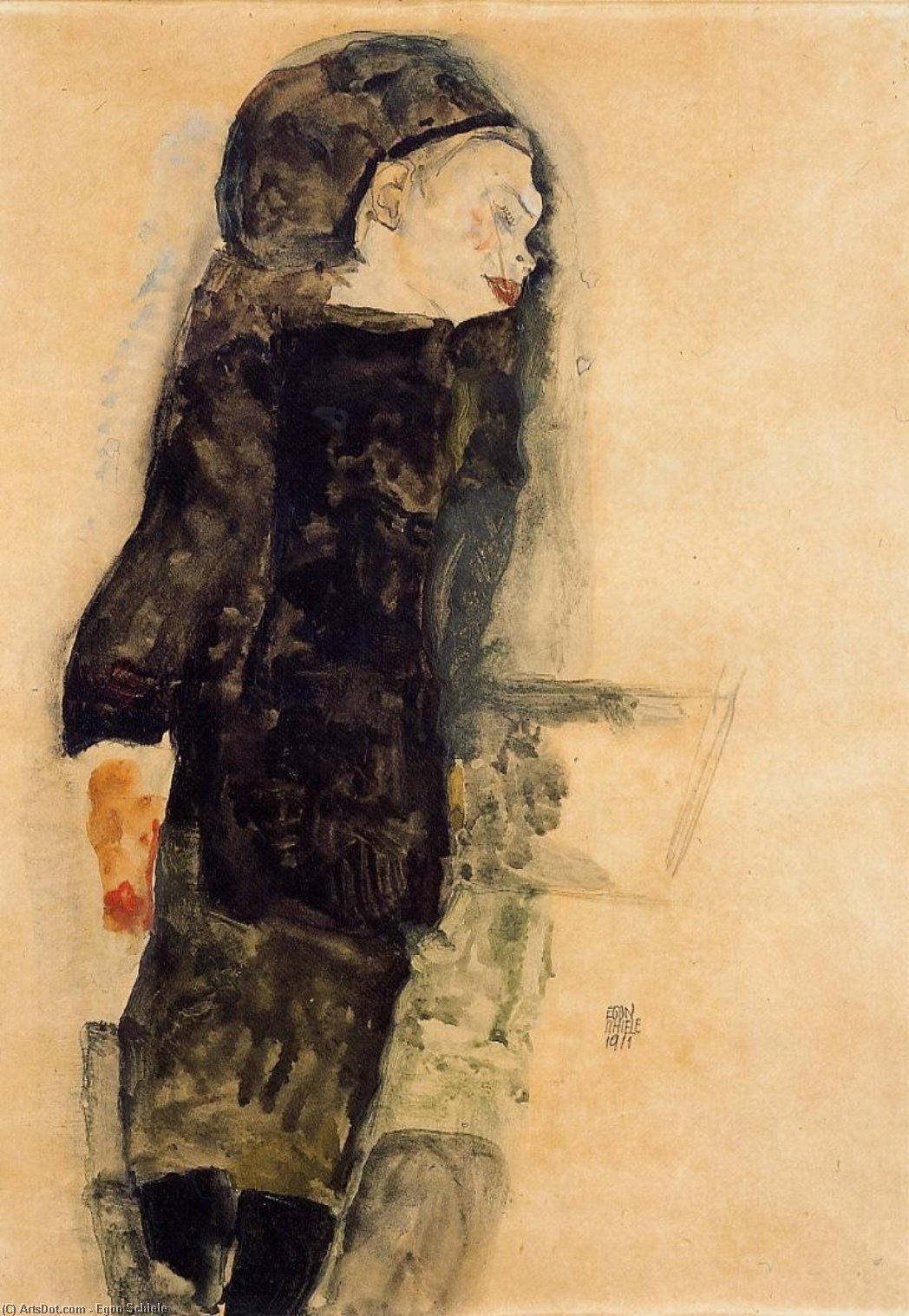
Child in Black


 पूरा देखें
गिक्ली / आर्ट प्रिंट
तेज़ उत्पादन और विभिन्न फिनिश विकल्पों के साथ म्यूजियम-क्वालिटी गिकली (giclée) या कैनवस प्रिंट। ( इस संग्रहणीय वस्तु की हाथ से बनी प्रतिकृति मंगवाएं डिजिटल इमेज पर स्विच करें)




P118B ₹10

P118H ₹10

P118W ₹10

P438Z ₹10

P508JH ₹12

P508YH ₹12

P805H ₹10

P805Z ₹10

P919BZ ₹10

P919G ₹10

P919XJ ₹10

P959ZH ₹10

P968JZ ₹12

W106C ₹8

W218G ₹10

W218JH ₹8

W218Y ₹10

W307PJ ₹10

W316G ₹10

W316PJ ₹8

W316Y ₹10

W398PJ ₹8

W4111J ₹10

W500HY ₹15

W500JH ₹15

W692G ₹12

W849H ₹8

W940BG ₹15

W953PJ ₹8




कलाकृति के मूल अनुपात से मेल खाने वाले हमारे पूर्व निर्धारित आकारों में से चुनें।

अपने फ्रेम या अपनी दीवार के अनुसार आवश्यक चौड़ाई और ऊंचाई दर्ज करें। प्रिंट को केवल काटा जा सकता है, चित्र से बड़ा कभी नहीं बनाया जा सकता, इसलिए अलग आकार का साइज चित्र का एक हिस्सा खो देता है। किसी भी चीज़ को प्रिंट करने से पहले हम आपकी स्वीकृति के लिए आपको एक डिजिटल मॉकअप भेजते हैं। इस पृष्ठ पर दिखाया गया चित्र वास्तविक कटिंग नहीं दिखाता है — केवल मॉकअप ही इसे दर्शाता है।
विश्वव्यापी डिलीवरी (), मानक 4/5 सप्ताह के बजाय मात्र 2 सप्ताह में। (4 नवमबर)

दुनिया भर में मुफ़्त एक्सप्रेस शिपिंग

उच्च गुणवत्ता वाला लिनेन कैनवास

पूर्ण शिपिंग बीमा

सीमा शुल्क और आयात कर वापसी की गारंटी

सटीक रंग मिलान की गारंटी

100 दिनों की वापसी नीति (केवल दोष होने पर)

100% पैसे वापसी की गारंटी

थोक छूट का अवसर
 ग्लास का विकल्प केवल 110 सेमी से कम आकार में ही उपलब्ध है।

Child in Black
गिक्ली / आर्ट प्रिंट
प्रतिकृति का आकार
-


कुल देय राशि
₹ 7806
A Fragmented Soul: Egon Schiele’s ‘Child in Black’
Egon Schiele's “Child in Black,” painted in 1911, isn’t merely a portrait; it’s a distilled essence of anxiety and nascent sexuality, a haunting glimpse into the artist’s intensely personal world. Created during a period of profound upheaval – both personally and within European art – this watercolor captures a young figure, likely a girl, rendered with an unsettling directness that speaks volumes about Schiele's fascination with vulnerability and the darker aspects of human experience. The painting immediately draws the viewer in with its muted palette—a symphony of grays, blacks, and subtle blues—creating an atmosphere of quiet contemplation tinged with unease. It’s a visual embodiment of Expressionism’s core tenets: prioritizing emotional impact over realistic representation.
The Artist's Crucible: Schiele’s Biography and the Shadow of Loss
To truly appreciate “Child in Black,” one must understand the turbulent backdrop against which it was created. Born in 1890 in Tulln an der Donau, Austria, Egon Schiele’s life was tragically shaped by illness and loss from a young age. The death of his father, a railway station master, due to syphilis at just fourteen profoundly impacted him, fueling a lifelong preoccupation with mortality and the fragility of existence. This early trauma, coupled with the subsequent loss of his sister Elvira, instilled in Schiele a deep-seated sense of melancholy and an unflinching gaze upon the human condition. His uncle’s guardianship, marked by control and disapproval of his artistic pursuits, further contributed to his independent spirit and rebellious nature – qualities that would become hallmarks of his work. The painting can be seen as a direct reflection of this internal struggle, a visual manifestation of grief and uncertainty.
Expressionist Techniques: Line, Color, and the Unveiling of Emotion
Schiele’s mastery lies in his distinctive technique—a raw, almost violent application of watercolor. Notice the loose, gestural lines that define the child's form; they aren’t precise or idealized but rather convey a sense of immediacy and emotional intensity. The figure is rendered with an unsettling lack of detail, emphasizing its vulnerability and drawing attention to the subtle shifts in expression—a slight tilt of the head, a downward gaze – that hint at inner turmoil. The use of color is equally deliberate: the dominant blacks and grays create a somber mood, while small touches of blue suggest a melancholic longing. The background, with its indistinct wall and cryptic writing (likely a title or description), further isolates the child, intensifying the sense of loneliness and introspection. It’s a technique that prioritizes feeling over form, echoing the core principles of Expressionism.
Symbolic Resonance: Mortality, Innocence, and the Unspoken
“Child in Black” is rich with symbolic potential. The child herself represents innocence—a fleeting, vulnerable state threatened by the encroaching realities of life and death. The black clothing could symbolize mourning or a sense of impending doom, while the hat adds an element of defiance, suggesting a quiet resistance to the forces that seek to diminish her spirit. The painting’s overall atmosphere evokes a sense of unease, prompting viewers to contemplate themes of mortality, loss, and the complexities of human emotion. It's not a cheerful portrait; it’s a poignant meditation on the darker aspects of existence—a subject Schiele explored relentlessly throughout his tragically short career. The ambiguity surrounding the child’s identity further enhances the painting’s power, inviting viewers to project their own anxieties and interpretations onto the scene.
OriginalUniqueArt offers meticulously crafted hand-painted reproductions of “Child in Black,” allowing you to bring this powerful work of art into your home or office. Each reproduction is created by skilled artists using archival-quality materials, ensuring that it captures the essence and emotional depth of Schiele’s original masterpiece. Explore our collection today and experience the haunting beauty of “Child in Black” firsthand.
प्रश्न और उत्तर
एगॉन शील द्वारा "Child in Black" किस ऐतिहासिक काल की रचना है?
"Child in Black" Modern युग की रचना है।
एगॉन शील द्वारा "Child in Black" के रंगों के साथ कौन सा स्थान सबसे बेहतर लगेगा?
अपने Neutrals पैलेट के साथ, एगॉन शील द्वारा "Child in Black" को Living Room के लिए अनुशंसित किया जाता है। इसके रंगों का चुनाव ही इस सुझाव का एक मुख्य कारण है।
क्या मैं "Child in Black" की ऑयल रिप्रोडक्शन (तेल चित्रकला प्रतिलिपि) ऑर्डर कर सकता हूँ?
"Child in Black" लिनन कैनवास पर हाथ से निर्मित एक ऑयल पेंटिंग रिप्रोडक्शन के रूप में उपलब्ध है। आप विभिन्न आकारों का चयन करके इसके हस्तनिर्मित ऑयल पेंटिंग प्रतिकृति पेज पर ऑर्डर दे सकते हैं।
कलाकार की जीवनी
एगॉन शील: ऑस्ट्रियाई अभिव्यक्तिवादी चित्रकार का जीवन और कला
एगॉन लियो एडॉल्फ लुडविग शील (1890-1918) एक ऐसे कलाकार थे जिन्होंने अपनी तीव्र, भावनात्मक रूप से आवेशित चित्रों और रेखाचित्रों के माध्यम से 20वीं सदी की शुरुआत में ऑस्ट्रियाई कला पर अमिट छाप छोड़ी। टूलन में जन्मे, शील का जीवन प्रारंभिक नुकसान और व्यक्तिगत संघर्षों से चिह्नित था, जिसने उनकी कला को गहराई से प्रभावित किया। उनके पिता के शीघ्र निधन और बाद में उनकी बहन की मृत्यु ने उन्हें मृत्यु दर और मानव अस्तित्व की क्षणभंगुरता के प्रति एक गहन संवेदनशीलता प्रदान की, जो उनके कार्यों में बार-बार उभरती है। शील का बचपन पारंपरिक स्थिरता से रहित था, लेकिन इसने उनमें एक मजबूत स्वतंत्र भावना पैदा की। कम उम्र से ही उन्होंने ड्राइंग में असाधारण प्रतिभा दिखाई, हालांकि यह अक्सर उनके पिता द्वारा संदेह के साथ देखा जाता था, जिन्होंने इसे अधिक व्यावहारिक प्रयासों से ध्यान भटकाने के रूप में माना। इन शुरुआती अनुभवों ने उन्हें एक भावनात्मक कच्चापन प्रदान किया जो उनकी कलात्मक अभिव्यक्ति को परिभाषित करेगा, जीवन, मृत्यु और मानव स्थिति के विषयों के साथ निरंतर संघर्ष करते हुए।
वियना का क्रूसिबल: कलात्मक विकास
शील की औपचारिक कला प्रशिक्षण वियना में कुन्स्टगेवेरबुचूले (कला और शिल्प विद्यालय) में शुरू हुआ, लेकिन उन्हें जल्द ही इसकी रूढ़िवादी दृष्टिकोण से निराशा हुई। उन्होंने बाद में अकादमी डेर बिल्डेंडन कुन्स्टन (फाइन आर्ट्स एकेडमी) में स्थानांतरित किया, लेकिन वहां भी वे कठोर शैक्षणिक परंपराओं से निराश हो गए। इस असंतोष ने उन्हें औपचारिक प्रशिक्षण को पूरी तरह से त्यागने के लिए प्रेरित किया, अपने स्वयं के मार्ग को प्रशस्त करते हुए, अपनी कलात्मक दृढ़ विश्वास का प्रमाण। गुस्ताव क्लिमिट का प्रभाव उनके शुरुआती वर्षों में महत्वपूर्ण था; शील ने क्लिमिट की सजावटी शैली और प्रतीकात्मक अन्वेषण की प्रशंसा की, यहां तक कि स्थापित कलाकार से मार्गदर्शन भी प्राप्त किया। हालांकि, शील जल्द ही क्लिमिट के सौंदर्यशास्त्र से अलग हो गए, एक विशिष्ट व्यक्तिगत आवाज विकसित की जो अपनी कच्ची ईमानदारी और मनोवैज्ञानिक तीव्रता द्वारा चिह्नित थी। उन्होंने 1909 में Neues Wiener Kunstgruppe (नया वियना कला समूह) की सह-स्थापना की, खुद को अन्य प्रगतिशील कलाकारों के साथ संरेखित किया जिन्होंने प्रचलित कलात्मक मानदंडों को चुनौती दी। उनके शुरुआती कार्यों, अक्सर परेशान करने वाले चित्र और स्व-चित्रणों ने भावनात्मक उथल-पुथल के शक्तिशाली बयान के रूप में उभरना शुरू कर दिया, जिसमें विकृत आंकड़े और एक स्पष्ट अशांति की भावना थी। ये पेंटिंग केवल भौतिक रूप का प्रतिनिधित्व नहीं थे बल्कि आंतरिक परिदृश्य की खोज थीं - चिंताएं, इच्छाएं और भय जो मानव मन को परेशान करते हैं। उन्होंने उस चीज को चित्रित करने की कोशिश की जिसे वे *देखा* नहीं, बल्कि *महसूस* किया।
कच्ची भावना और निर्भीक सत्य
एगॉन शील की कला अपनी कच्ची ईमानदारी और मनोवैज्ञानिक गहराई के लिए तुरंत पहचानने योग्य है। उन्होंने अक्सर वर्जित माने जाने वाले विषयों - कामुकता, मृत्यु, चिंता, अलगाव - का सामना निर्भीकता से किया। उनकी विशिष्ट शैली में लम्बे आंकड़े, मुड़े हुए आसन और अभिव्यंजक रेखाएं शामिल हैं जो बेचैनी और भावनात्मक तीव्रता की भावना व्यक्त करती हैं। मानव रूप, विशेष रूप से नग्न, उनका प्राथमिक विषय बन गया, आदर्श सौंदर्य के एक वस्तु के रूप में नहीं बल्कि मानव अनुभव की जटिलताओं का पता लगाने के लिए एक बर्तन के रूप में। स्व-चित्रण उनके कार्यों का एक महत्वपूर्ण हिस्सा बनाते हैं, जो उनके आंतरिक जगत की अंतरंग झलक प्रदान करते हैं - अक्सर अकेलापन और आत्म-संदेह से चिह्नित दुनिया। उन्होंने खुद को अनाकर्षक या कमजोर मुद्राओं में चित्रित करने से नहीं हिचकिचाया, जिससे आत्म-जागरूकता और अंतर्दृष्टि के एक गहरे स्तर का खुलासा हुआ। स्व-चित्रों के अलावा, शील ने दूसरों के कई चित्र बनाए, उनकी समानता को एक परेशान करने वाली यथार्थवाद के साथ कैप्चर किया जो सतह के नीचे प्रतीत होता था। उनके परिदृश्य, उनके चित्रात्मक चित्रों की तुलना में कम केंद्रीय होने पर भी, रूप और रंग में उनकी महारत का प्रदर्शन करते हैं, अक्सर उनके चित्रों के समान ही भावनात्मक तीव्रता को दर्शाते हैं। शील के काम में रेखा का उपयोग विशेष रूप से उल्लेखनीय है; यह केवल आकार को परिभाषित करने का एक उपकरण नहीं है बल्कि एक अभिव्यंजक शक्ति है जो भावना और मनोवैज्ञानिक तनाव व्यक्त करती है। *फिसलिस* पौधे जैसे आवर्ती रूपांकनों - इसकी नाजुक, कागजी खोल के साथ मृत्यु और क्षणभंगुरता का प्रतीक - इस मृत्यु दर के प्रति जुनून को और उजागर करते हैं।
समय से पहले एक विरासत: उपलब्धियां और महत्व
सेंसरशिप और कानूनी चुनौतियों का सामना करने के बावजूद - जिसमें नाबालिगों को भ्रष्ट करने के आरोप में संक्षिप्त कारावास भी शामिल है - शील ने वियना के अत्याधुनिक हलकों में मान्यता प्राप्त की। उनके काम ने उस समय के मानदंडों को चुनौती दी, प्रशंसा और आक्रोश दोनों को प्रेरित किया। अपनी समय से पहले मृत्यु के साथ 1918 में 28 वर्ष की आयु में स्पेनिश फ्लू महामारी में उनकी मृत्यु होने तक, उन्होंने खुद को ऑस्ट्रियाई अभिव्यक्तिवाद के एक प्रमुख व्यक्ति के रूप में स्थापित कर लिया था। फिसलिस के साथ स्व-चित्र, एक दूसरे को गले लगाते हुए जोड़ा और क्रुमाऊ के पास Kreuzberg का फील्ड लैंडस्केप जैसे महत्वपूर्ण कार्य उनकी कलात्मक प्रतिभा के प्रमाण के रूप में खड़े हैं। अभिव्यक्तिवादी कलाकारों की अगली पीढ़ी पर उनका प्रभाव निर्विवाद है, विशेष रूप से जो मनोवैज्ञानिक विषयों का पता लगाने और पारंपरिक कलात्मक मानदंडों को चुनौती देने में रुचि रखते हैं। शील का बोल्ड दृष्टिकोण से रूप और विषय वस्तु के प्रति आज भी दर्शकों को आकर्षित करता है, जिससे वे 20वीं सदी की शुरुआत के सबसे महत्वपूर्ण और प्रभावशाली आंकड़ों में से एक बन जाते हैं। उनके चित्रों को अब दुनिया भर के प्रमुख संग्रहालयों के संग्रह में रखा गया है, जिसमें वियना के लेपोल्ड संग्रहालय और चेस्की क्रुम्लोव में एगॉन शील आर्ट सेंटर शामिल हैं, जो उनकी कलात्मक विरासत को सुनिश्चित करते हैं। उन्होंने एक ऐसा काम छोड़ दिया है जो न केवल सौंदर्य की दृष्टि से आकर्षक है बल्कि गहराई से मानवीय भी है - अस्तित्व की जटिलताओं का सामना करने की कला की शक्ति का प्रमाण ईमानदारी, साहस और अटूट दृष्टिकोण के साथ।
- मुख्य विषय: मृत्यु दर, कामुकता, अलगाव, मनोवैज्ञानिक अशांति।
- प्रभाव: गुस्ताव क्लिमिट, वियना सेसेशन, व्यक्तिगत आघात।
- शैली की विशेषताएं: लम्बे आंकड़े, मुड़े हुए आसन, अभिव्यंजक रेखाएं, कच्ची भावना।

एगॉन शील
1890 - 1918 , ऑस्ट्रिया
प्रमुख तथ्य
- कलात्मक शैली: अभिव्यक्तिवाद
- जन्म तिथि: 12 जून 1890
- जन्म स्थान: टुलन, ऑस्ट्रिया
- पूरा नाम: एगॉन शील
- प्रभावित आंदोलन: ['अभिव्यक्तिवाद']
- प्रभावित कलाकार: ['गुस्ताव क्लिमिट']
- प्रमुख कलाकृतियाँ:
- स्व-चित्रित फल
- मिलन
- क्षेत्रीय दृश्य
- मृत्यु तिथि: 31 अक्टूबर 1918
- राष्ट्रीयता: ऑस्ट्रियाई
संबंधित लेख

एगन शिएले की शीर्ष 25 कलाकृतियाँ: जीवन, मृत्यु और मानवीय भावना का चित्रण | OriginalUniqueArt
एगन शिएले की शीर्ष 25 कलाकृतियों में जीवन, मृत्यु और मानवीय भावनाओं का गहरा अनुभव करें। आधुनिक कला के इस अद्वितीय संग्रह को OriginalUniqueArt.com पर खोजें और अपने घर को उत्कृष्ट पेंटिंग से सजाएं।

Ephemeral Visions: Exploring the History & Emotional Resonance of Watercolor Painting
Explore the captivating history of watercolor painting, from ancient techniques to modern masters like Kandinsky & Blake. Discover essential artists, collecting tips & the emotional power of this luminous medium. Expert insights for art enthusiasts.

Watercolor Wonders: 10 Masterpieces That Redefined Art History | OriginalUniqueArt
Journey through 10 legendary watercolor masterpieces by Sargent, Turner & Homer! Explore iconic landscapes, portraits & floral art that redefined history. Find museum-quality reproductions and curated decor ideas at OriginalUniqueArt.com.

Ephemeral Visions: Exploring the Artistic Legacy & Contemporary Practice of Watercolor Painting
Explore the captivating world of watercolor painting! Discover its rich history, essential techniques, influential artists & collecting tips. A comprehensive guide for art enthusiasts from OriginalUniqueArt.
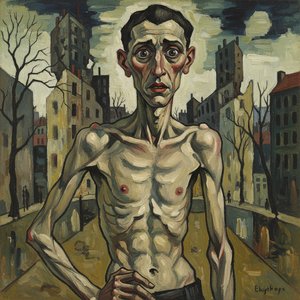
Egon Schiele: Expressionism, Anxiety & the Modern Condition – A Comprehensive Exploration
Explore the emotionally charged world of Egon Schiele (1890-1918). Discover his Expressionist masterpieces, psychological themes, and lasting impact on modern art. A comprehensive guide for collectors & enthusiasts.