

 पूर्वावलोकन देखें
 भेजें
भेजें साझा करें
 विवरण देखें
 मार्गदर्शिका

 डाउनलोड करें
 समान वस्तुएं
 एक्स-रे
 स्लाइड शो देखें
 आंकड़े
Room in Brooklyn


 और पढ़ें
इस पृष्ठ पर प्रदर्शित कलाकृति कॉपीराइट कानून द्वारा संरक्षित है, जिसका अर्थ है कि हम कानूनी रूप से इसकी हूबहू प्रतिलिपि बनाने या बेचने का अधिकार नहीं रखते हैं। यह संरक्षण अंतर्राष्ट्रीय समझौतों के तहत लागू किया जाता है, जैसे कि बर्न कन्वेंशन और राष्ट्रीय कानूनों द्वारा, जिनमें % द्वारा निर्धारित कानून भी शामिल हैं। अमेरिकी कॉपीराइट कानून - शीर्षक 17।
यह विधि कॉपीराइट नियमों का पूरी तरह से पालन करती है क्योंकि इसमें संरक्षित कलाकृति की नकल या प्रतिलिपि बनाना शामिल नहीं है। इसके बजाय, यह एक रचनात्मक पुनर्व्याख्या है - एक ऐसी नई पेंटिंग जो मूल कृति से प्रेरित तो है, लेकिन उसके समान नहीं है।
गिक्ली / आर्ट प्रिंट
तेज़ उत्पादन और विभिन्न फिनिश विकल्पों के साथ म्यूजियम-क्वालिटी गिकली (giclée) या कैनवस प्रिंट। ( हाथ से बनी पेंटिंग खरीदें डिजिटल इमेज पर जाएँ)




P118B ₹10

P118H ₹10

P118W ₹10

P438Z ₹10

P508JH ₹12

P508YH ₹12

P805H ₹10

P805Z ₹10

P919BZ ₹10

P919G ₹10

P919XJ ₹10

P959ZH ₹10

P968JZ ₹12

W106C ₹8

W218G ₹10

W218JH ₹8

W218Y ₹10

W307PJ ₹10

W316G ₹10

W316PJ ₹8

W316Y ₹10

W398PJ ₹8

W4111J ₹10

W500HY ₹15

W500JH ₹15

W692G ₹12

W849H ₹8

W940BG ₹15

W953PJ ₹8




कलाकृति के मूल अनुपात से मेल खाने वाले हमारे पूर्व निर्धारित आकारों में से चुनें।

आप किसी विशिष्ट फ्रेम या स्थान के अनुसार अपने स्वयं के आयाम (dimensions) दर्ज कर सकते हैं। यदि आपके द्वारा चुना गया आकार मूल छवि के अनुपात से मेल नहीं खाता है, तो हम कलाकृति को क्रॉप कर देंगे या मिरर किए गए या सॉलिड-फिल किनारे के साथ छवि का विस्तार करेंगे। उत्पादन शुरू होने से पहले आपकी स्वीकृति के लिए एक डिजिटल मॉकअप भेजा जाएगा।
कृपया ध्यान दें कि स्क्रीन पर दिखने वाला प्रीव्यू वास्तविक क्रॉपिंग या विस्तार को नहीं दर्शाता है। केवल मॉकअप ही अंतिम संरचना को सटीक रूप से दिखाएगा।
हालाँकि कस्टम आकार उपलब्ध हैं, फिर भी हम मूल अनुपात बनाए रखने के लिए पूर्व-निर्धारित सूची में से एक आयाम चुनने की सलाह देते हैं।
विश्वव्यापी डिलीवरी (), मानक 4/5 सप्ताह के बजाय मात्र 2 सप्ताह में। (11 अक्टूबर)

दुनिया भर में मुफ़्त एक्सप्रेस शिपिंग

प्रीमियम ग्रेड लिनेन कैनवास

पूर्ण शिपिंग बीमा

सीमा शुल्क और आयात कर वापसी की गारंटी

सटीक रंग मिलान की गारंटी

100 दिनों की वापसी नीति (केवल निर्माण दोष होने पर)

100% पैसे वापसी की गारंटी

थोक छूट का अवसर
 ग्लास का विकल्प केवल 110 सेमी से कम आकार में ही उपलब्ध है।

Room in Brooklyn
गिक्ली / आर्ट प्रिंट
प्रतिकृति का आकार
-


कुल मूल्य
₹ 7646
A Moment of Quietude: Exploring Edward Hopper’s “Room in Brooklyn”
Edward Hopper's "Room in Brooklyn," painted in 1932, isn’t merely a depiction of an interior space; it’s a distilled essence of American loneliness and the quiet contemplation that often accompanies modern life. The painting immediately draws us into a scene of profound stillness – a woman seated by a window, seemingly lost in observation of the distant cityscape sprawling beneath her. This work, created during a pivotal period in Hopper's career, exemplifies his signature style: a masterful blend of realism and psychological insight, capturing not just what is seen but also what remains unsaid.
Hopper’s technique is deceptively simple yet remarkably effective. He employs a restrained palette – muted browns, grays, and the pale blues of the reflected city light – to create an atmosphere of subdued melancholy. The brushstrokes are smooth and controlled, contributing to the painting's sense of stillness and solidity. Notice how he uses light to sculpt the forms; the window’s glow illuminates the woman’s face and hands, drawing our attention while simultaneously casting deep shadows that hint at the solitude within. The composition itself is carefully considered: the chair positioned directly in front of the window creates a direct line of sight, inviting us into her private world, while the potted plants offer small, organic counterpoints to the rigid geometry of the room and the expansive urban landscape.
Decoding the Symbolism of Isolation
“Room in Brooklyn” is deeply resonant with the anxieties and uncertainties of the 1930s. The painting emerged during the Great Depression, a time marked by economic hardship and widespread social displacement. Hopper’s work frequently explored themes of isolation, alienation, and the disconnect between individuals and their surroundings – feelings that were acutely felt during this era. The woman herself is an enigmatic figure; her gaze fixed on the city below suggests a yearning for connection or perhaps simply a detachment from immediate concerns. She's not actively engaged in any activity, adding to the sense of suspended time and quiet introspection.
The window acts as a crucial symbolic element. It’s more than just a portal to the outside world; it’s a barrier, separating the woman from the bustling city beyond. This visual division reinforces the theme of isolation – she observes, but doesn't participate. The cityscape itself, rendered in hazy blues and grays, represents the impersonal nature of modern urban life, further emphasizing her solitude.
Historical Context and Hopper’s Artistic Evolution
To understand “Room in Brooklyn,” it’s essential to consider Edward Hopper’s broader artistic trajectory. Following his early training with Chase and Henri, Hopper developed a distinctive style characterized by its stark realism and psychological depth. He moved away from overtly narrative scenes, instead focusing on capturing fleeting moments of human experience – often imbued with a sense of melancholy or unspoken longing. This period saw him increasingly interested in the urban landscape and the lives of ordinary people within it.
The painting’s creation coincided with Hopper's growing recognition as a significant American artist. He was beginning to explore themes that would become hallmarks of his oeuvre, including loneliness, alienation, and the beauty found in everyday moments. “Room in Brooklyn” stands as a powerful example of this emerging style, demonstrating his ability to evoke complex emotions through simple, carefully constructed compositions.
Bringing "Room in Brooklyn" into Your Space
A hand-painted reproduction of Edward Hopper’s “Room in Brooklyn” offers a remarkable opportunity to bring this iconic image into your home or office. OriginalUniqueArt.com meticulously recreates the painting's nuanced details, color palette, and atmospheric quality using traditional oil painting techniques. The result is a stunningly accurate representation that captures the essence of Hopper’s vision – a poignant meditation on solitude, observation, and the quiet beauty of an ordinary moment. Whether you are drawn to its evocative symbolism or simply appreciate Hopper's masterful technique, this reproduction provides a timeless piece of art that will undoubtedly spark conversation and contemplation.
प्रश्न और उत्तर
"Room in Brooklyn" कब बनाया गया था?
एडवर्ड हॉपर द्वारा "Room in Brooklyn" का निर्माण 1932 में किया गया था।
"Room in Brooklyn" के पीछे के कलाकार कौन हैं?
"Room in Brooklyn" का श्रेय एडवर्ड हॉपर को दिया जाता है।
क्या मैं "Room in Brooklyn" की ऑयल रिप्रोडक्शन (तेल चित्रकला प्रतिलिपि) ऑर्डर कर सकता हूँ?
आप यह पृष्ठ पर सीधे एडवर्ड हॉपर द्वारा "Room in Brooklyn" की हाथ से पेंट की गई प्रतिकृति (reproduction) ऑर्डर कर सकते हैं: लिनन कैनवास पर हाथ से पेंट किया गया एक ऑयल रिप्रोडक्शन, जो विशेष रूप से आपके आदेश पर बनाई जाती है।
एडवर्ड हॉपर द्वारा "Room in Brooklyn" में रंगों की तीव्रता कितनी है?
"Room in Brooklyn" की रंग तीव्रता Balanced है। तीव्रता यह बताती है कि रंग कितने गहरे या स्पष्ट दिखाई देते हैं।
मुझे "Room in Brooklyn" के लिए गाइड कहाँ मिल सकती है?
एडवर्ड हॉपर द्वारा "Room in Brooklyn" का मार्गदर्शिका पेज एक प्रिंट करने योग्य दो-शीट वाली फैक्टशीट प्रदान करता है: कलाकृति के साथ उसकी पहचान तालिका, कलाकार के जीवनकाल में उसे दर्शाने वाला दशक बैंड, कलाकार की अन्य कृतियाँ, मापा गया कलर पैलेट, और चार शैलियों में कॉपी करने के लिए तैयार उद्धरण।
"Room in Brooklyn" में कंट्रास्ट (विपरीतता) और सामंजस्य किस प्रकार एक साथ मिलते हैं?
एडवर्ड हॉपर द्वारा "Room in Brooklyn" का रंग संयोजन एक Statement विरोधाभास के साथ Discordant Palette सामंजस्य को जोड़ता है।
"Room in Brooklyn" किस वर्ष और किस आंदोलन के दौरान बनाया गया था?
"Room in Brooklyn" का निर्माण 1932 में Contemporary Realism आंदोलन की एक कृति के रूप में किया गया था। तिथि और आंदोलन इस कलाकृति को कला इतिहास में स्थापित करते हैं।
कलाकार का परिचय
एडवर्ड हॉपर: अमेरिकी यथार्थवाद के एकान्त पर्यवेक्षक
एडवर्ड हॉपर का नाम अमूमन 20वीं सदी के अमेरिकी जीवन की शांति और सूक्ष्म उदासी से जुड़ा हुआ है। वह दृश्यों के चित्रकार मात्र नहीं थे; वे प्रकाश और छाया के कवि, आधुनिक अलगाव के क्रोनिकलर थे। न्यूयॉर्क के न्याक में 1882 में मध्यमवर्गीय परिवार में जन्मे हॉपर के शुरुआती वर्षों ने उनकी कलात्मक प्रवृत्तियों को बढ़ावा देने वाला एक स्थिर माहौल प्रदान किया। बचपन के रेखाचित्रों से यह स्पष्ट था कि तेज अवलोकन और ड्राइंग की जन्मजात प्रतिभा उनके अस्तित्व का केंद्र बिंदु थी। हालाँकि उन्हें शुरू में वाणिज्यिक चित्रण की ओर प्रोत्साहित किया गया था - एक व्यावहारिक सुझाव उनके माता-पिता द्वारा दिया गया था - हॉपर की महत्वाकांक्षाएँ ललित कला की ओर झुकीं, जिससे वह न्यूयॉर्क स्कूल ऑफ़ आर्ट में विलियम मेरिट चेज़ और रॉबर्ट हेनरी के अधीन अध्ययन करने के लिए प्रेरित हुए। इन प्रारंभिक वर्षों ने न केवल तकनीकी कौशल प्रदान किया बल्कि दुनिया को जैसा उन्होंने देखा वैसा ही चित्रित करने की प्रतिबद्धता भी पैदा की - बिना किसी दिखावे के और ईमानदार। राल्फ वाल्डो इमर्सन के लेखन हॉपर के साथ गहराई से प्रतिध्वनित हुए, उनकी व्यक्तिवाद की भावना और तीव्र अवलोकन को मजबूत करते हैं - ऐसे गुण जो उनके कलात्मक दृष्टिकोण की पहचान बन जाएंगे। शुरुआती यात्राओं ने उन्हें पेरिस में प्रभाववाद से अवगत कराया, फिर भी हॉपर जल्दी ही इसके क्षणभंगुर ब्रशस्ट्रोक से अलग हो गए, एक अनूठा मार्ग प्रशस्त किया।अपनी आवाज़ खोजना: यथार्थवाद और अमेरिकी दृश्य
हॉपर की कलात्मक यात्रा तत्काल या आसान नहीं थी। उन्होंने अपनी विशिष्ट आवाज खोजने के लिए संघर्ष किया, अपने करियर को परिभाषित करने वाले यथार्थवाद में बसने से पहले विभिन्न शैलियों के साथ प्रयोग किया। यह केवल वास्तविकता का प्रतिकृति नहीं था; यह सार का आसवन था, अनावश्यक विवरणों को हटाकर अंतर्निहित भावनात्मक सत्यों को उजागर करता है। उनके चित्रों ने घरों, भोजनशालाओं, कार्यालयों और होटल के कमरों जैसे रोजमर्रा के दृश्यों पर ध्यान केंद्रित करना शुरू कर दिया - स्थिरता की भावना से युक्त और अक्सर, अकेलापन। उनके पास अपनी विषयों की मनोवैज्ञानिक अवस्थाओं को पकड़ने की असाधारण क्षमता थी, बिना किसी स्पष्ट कथन के कहानियों का संकेत देते हुए। प्रकाश और छाया का सटीक चित्रण न केवल वर्णनात्मक तत्व के रूप में बल्कि भावनात्मक संकेतों के रूप में भी महत्वपूर्ण हो गया, ऐसे वातावरण बनाते हैं जो दोनों आकर्षक और परेशान करने वाले थे। हाउस बाय द रेलरोड (1925), इस दृष्टिकोण का एक प्रारंभिक उत्कृष्ट कृति, अलगाव की गहरी भावना को प्रसारित करते हुए एक प्रतीत होने वाला सरल रचना है। हॉपर का प्रिंटमेकिंग, अक्सर अनदेखा किया जाता है, उनके पेंटिंग के समानांतर चला, समान विषयों और शैलीगत गुणों को साझा करता है, जो माध्यमों में उनकी महारत को प्रदर्शित करता है। उन्हें भव्य ऐतिहासिक कथाओं या रूपक प्रतीकात्मकता में दिलचस्पी नहीं थी; उन्होंने साधारण को ऊंचा करते हुए रोजमर्रा की चीजों पर ध्यान केंद्रित किया।आइकॉनिक विजन: नाइथॉक्स और उससे आगे
हालाँकि हॉपर के करियर का विकास धीरे-धीरे हुआ, कुछ कार्यों ने उन्हें व्यापक मान्यता दिलाई। नाइटहॉक्स (1942), शायद उनका सबसे प्रसिद्ध चित्र, अमेरिकी संस्कृति का एक तत्काल प्रतीक बन गया। देर रात की भोजनशाला का दृश्य, कठोर फ्लोरोसेंट प्रकाश में नहाया हुआ, आधुनिक शहरी जीवन के अलगाव और गुमनामी को पूरी तरह से समाहित करता है। उनके भीतर के आंकड़े अपने विचारों में खोए हुए हैं, उनकी निकटता के बावजूद एक-दूसरे से अलग हैं - मानव स्थिति पर एक मार्मिक टिप्पणी। गैस (1940), सड़क किनारे गैस स्टेशन के एक हड़ताली चित्रण के साथ, अमेरिकी परिदृश्य और बढ़ते ऑटोमोबाइल संस्कृति के प्रति हॉपर की रुचि को प्रदर्शित करता है। *ऑटोमैट*, *ऑफिस इन अ स्मॉल सिटी* और *समरटाइम* जैसे अन्य उल्लेखनीय कार्य प्रत्येक अमेरिकी समाज की जटिलताओं में अनूठी अंतर्दृष्टि प्रदान करते हैं। ये चित्र केवल स्थानों का चित्रण नहीं थे; वे मूड, मनोविज्ञान और सामान्य सेटिंग्स के भीतर घटित होने वाले सूक्ष्म नाटकों की खोज थे। उनकी पत्नी, जोसेफिन निविजन हॉपर ने न केवल अपने जीवनसाथी के रूप में बल्कि अपनी महिला आकृतियों के चरित्र को महत्वपूर्ण रूप से योगदान करते हुए एक मॉडल के रूप में भी एक महत्वपूर्ण भूमिका निभाई।विषय और विरासत: एक स्थायी प्रभाव
हॉपर के कार्यों में कई बार दोहराए जाने वाले विषय व्याप्त हैं। शहरी अलगाव शायद सबसे प्रमुख है - भीड़ के बीच भी व्यक्तियों द्वारा अनुभव किया गया अकेलापन। उन्होंने ग्रामीण और शहरी दोनों अमेरिकी परिदृश्य का पता लगाया, अक्सर इसकी कठोरता और खालीपन पर जोर दिया। उनके काम मनोवैज्ञानिक यथार्थवाद में गहराई से उतरते हैं, अपने विषयों के आंतरिक जीवन को एक संवेदनशीलता के साथ जो केवल प्रतिनिधित्व से परे है। अतीत के लिए एक अंतर्निहित उदासीनता भी है, आधुनिक जीवन की जटिलताओं और चिंताओं के प्रति स्वीकृति के साथ विपरीत। हॉपर का प्रभाव बाद के कलाकारों पर निर्विवाद है। उनकी अनूठी शैली ने असंख्य चित्रकारों को प्रेरित किया है, और समकालीन कलाकारों के साथ गूंजती रहती है जो मानव अनुभव के सार को पकड़ने का प्रयास करते हैं। उनके चित्रों की मांग लगातार संग्राहकों द्वारा की जाती है और उन्हें दुनिया भर के प्रमुख संग्रहालयों में प्रदर्शित किया जाता है, जिससे अमेरिकी कला इतिहास में एक महत्वपूर्ण व्यक्ति के रूप में उनकी जगह मजबूत होती है। हॉपर प्रकाश, छाया और रचना के अपने कुशल उपयोग के माध्यम से मानव स्थिति में गहन अंतर्दृष्टि प्रदान करने वाले दृश्य दार्शनिक थे।- उनकी विरासत केवल उनके चित्रों की सुंदरता में ही नहीं बल्कि अपनी स्थायी क्षमता में भी निहित है जो विचार को उत्तेजित करती है, भावनाओं को जगाती है और हमें उन शांत एकांतों की याद दिलाती है जो अक्सर हमारे जीवन को परिभाषित करते हैं।
- हॉपर के काम आज भी दर्शकों को मोहित करते रहते हैं क्योंकि वे अलगाव, अलगाव और तेजी से बदलते दुनिया में अर्थ की खोज जैसे सार्वभौमिक विषयों पर बोलते हैं।
- उनके चित्रों ने अमेरिकी संस्कृति के प्रतिष्ठित प्रतिनिधित्व बन गए हैं, अक्सर 20वीं सदी की आकांक्षाओं और चिंताओं का प्रतीक बनने के लिए उपयोग किए जाते हैं - और उससे आगे भी।
- हॉपर की सौंदर्यशास्त्र ने फिल्म निर्माताओं (जैसे अल्फ्रेड हिचकॉक) और लेखकों को गहराई से प्रभावित किया है, समान विषयों की खोज करने वाले अनगिनत कार्यों को प्रेरित किया है।
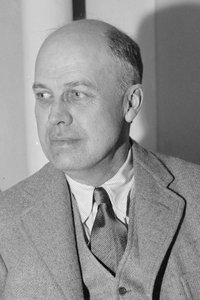
एडवर्ड हॉपर
1931 - 1967 , संयुक्त राज्य अमेरिका
संक्षिप्त जानकारी
- Artistic Movement Or Style: यथार्थवाद
- Artists Or Movements Influenced By This Artist: ['पियरे सैंडफोर्ड रॉस']
- Artists Who Influenced This Artist:
- विलियम मेरिट्ट चेज़
- रॉबर्ट हेनरी
- Date Of Birth: 22 जुलाई 1882
- Date Of Death: 15 मई 1967
- Full Name: एडवर्ड हॉपर
- Nationality: अमेरिकी
- Notable Artworks:
- नाइटहॉक्स
- हाउस बाय द रेलरोड
- गैस
- ऑटोमैट
- Place Of Birth: अपर न्याक, यूएसए
संबंधित लेखों की सूची

Grant Wood & American Regionalism: Identity, Myth & the Rural Landscape
Explore the world of Grant Wood & American Regionalism with OriginalUniqueArt. Discover the symbolism behind 'American Gothic', recurring themes, and the movement's lasting impact on art history. High-quality reproductions available.
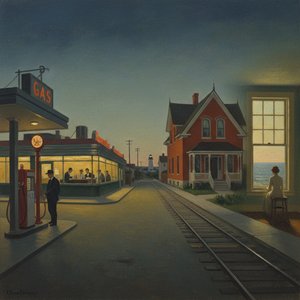
एडवर्ड हॉपर की शीर्ष 25 कलाकृतियाँ: अमेरिकी जीवन का गहन चित्रण | OriginalUniqueArt
एडवर्ड हॉपर की शीर्ष 25 कलाकृतियों का अन्वेषण करें! अमेरिकी जीवन, शहरी अकेलापन और प्रकाश-छाया के जादू को जानें। उच्च गुणवत्ता वाली कला प्रिंट और घर की सजावट के लिए OriginalUniqueArt.com पर संग्रह देखें।

Shadow Catcher: Edward S. Curtis & the Ethnographic Portraiture of a Vanishing West
Explore the life & work of Edward S. Curtis, the 'Shadow Catcher,' and his groundbreaking photographic documentation of Native American cultures. Discover iconic images from *The North American Indian* and a critical look at his lasting legacy.

American Realism's Defining Works: 10 Masterpieces for Your Home
Explore 10 defining American Realism masterpieces – Hopper, Homer & more. Discover the stories behind these iconic paintings and bring timeless art to your home with OriginalUniqueArt's museum-quality reproductions. Explore the full collection online.

Edward Hicks’ ‘Peaceable Kingdom’: American Folk Art & the Shaping of a National Identity
Explore the profound symbolism & historical context of Edward Hicks’ ‘Peaceable Kingdom.’ Discover how this iconic American folk art masterpiece reflects Quaker values and shaped a nation's identity. Learn more at OriginalUniqueArt.


