
 पूर्वावलोकन देखें
 साझा करें
 साझा करें
 विस्तृत विवरण
 मार्गदर्शिका

 डाउनलोड करें
 समान वस्तुएं
 एक्स-रे
 स्लाइड शो देखें
 प्रश्न और उत्तर
 आंकड़े
Self-Portrait with Wounded Eye

- 90.0 x 72.0 cm


 पूरा देखें
प्राप्त करें एक प्रिंट-रेडी फ़ाइल जो वेब प्रीव्यू की तुलना में कहीं अधिक बेहतर है। हमारे स्टॉक डेटाबेस की प्रत्येक डिजिटल इमेज एक हाई-रिज़ॉल्यूशन मास्टर से ली गई है — जो आमतौर पर 5,000 से 15,000 पिक्सेल चौड़ी होती है — ताकि आप पूरे आत्मविश्वास के साथ बड़े आकार में प्रिंट कर सकें, बारीकी से क्रॉप कर सकें, या सूक्ष्म विवरणों को पुनरुत्पादित कर सकें।
हमारे स्टूडियो से कोई भी फ़ाइल बिना किसी सुधार के बाहर नहीं जाती। एक डिजिटल विशेषज्ञ मूल पेंटिंग के साथ रंगों का मिलान करता है और आवश्यकतानुसार उन्हें ठीक करता है, फिर पेशेवर रिटचिंग टूल्स की मदद से स्पष्टता और विवरण में सुधार करता है — और यह सब करते समय कलाकार के ब्रशवर्क और शैली के प्रति पूरी तरह वफादार रहता है। इसका परिणाम एक ऐसी छवि होती है जो बिल्कुल मूल पेंटिंग जैसी दिखती है, न कि किसी फ़िल्टर किए गए स्कैन की तरह।
आप काम पूरा होने से पहले ही इसकी पुष्टि कर सकते हैं: हमारे विशेषज्ञ आपकी समीक्षा के लिए 72 घंटों के भीतर ईमेल द्वारा छवि भेजते हैं। संतुष्ट नहीं हैं? सुधार या संशोधन के लिए कहें, या यदि गुणवत्ता अपेक्षा के अनुरूप न हो तो रिफंड का अनुरोध करें।
यह वही गुणवत्ता है जिस पर प्रकाशक, डिज़ाइन स्टूडियो, दीर्घाएँ और प्रिंट शॉप्स भरोसा करते हैं।
डिजिटल चित्रकला
व्यक्तिगत प्रदर्शन, प्रिंटिंग और रचनात्मक परियोजनाओं के लिए एक उच्च-रिज़ॉल्यूशन फ़ाइल डाउनलोड करें। ( प्रिंट विकल्प पर स्विच करें इस संग्रहणीय वस्तु की हाथ से बनी प्रतिकृति मंगवाएं)
प्रत्येक डिजिटल इमेज ऑर्डर के साथ मिलने वाले लाभ
विशेषज्ञ डिजिटल डिलीवरी, सुनिश्चित
जब आप OriginalUniqueArt.com को चुनते हैं, तो आपको केवल एक छवि ही नहीं मिलती - बल्कि आपको प्राप्त होती है एक पेशेवर रूप से संवर्धित डिजिटल कलाकृति, जिसे पूरी सटीकता के साथ तैयार किया गया है और जिसकी संतुष्टि की गारंटी दी जाती है। आपके ऑर्डर के साथ स्वचालित रूप से ये सभी चीजें शामिल हैं:

त्वरित ईमेल डिलीवरी
आपकी उच्च-रिज़ॉल्यूशन वाली डिजिटल इमेज फ़ाइल ऑर्डर करने के 72 घंटों के भीतर आपको ईमेल कर दी जाएगी - जो तुरंत उपयोग के लिए तैयार है।

एआई-संवर्धित डिजिटल फ़ाइल
आपकी कलाकृति को उन्नत एआई (AI) उपकरणों और मैनुअल संपादन के माध्यम से पेशेवर रूप से अनुकूलित किया जाता है, जो अधिकतम विवरण, स्पष्टता और रंगों की सटीक सटीकता सुनिश्चित करता है।

आजीवन मुफ्त पुन: वितरण सेवा
क्या आपकी फाइल गलती से डिलीट या खो गई है? चिंता न करें - हम इसे आपके लिए किसी भी समय, बिना किसी शुल्क के, फिर से भेज देंगे।

कोई आयात शुल्क नहीं - हमेशा के लिए
बिना किसी कस्टम ड्यूटी, शुल्क या डिलीवरी शुल्क के अपनी कलाकृति का तुरंत आनंद लें - डिजिटल डाउनलोड हमेशा टैक्स-फ्री होते हैं।

सटीक रंगों की गारंटी
हम पेशेवर उपकरणों और कलर मैनेजमेंट का उपयोग करके यह सुनिश्चित करते हैं कि आपकी डिजिटल छवि मूल रंगों को यथासंभव सटीक रूप से दर्शाती है।

100 दिनों की संतुष्टि गारंटी
यदि आप अपनी डिजिटल इमेज से संतुष्ट नहीं हैं, तो हम 100 दिनों के भीतर इसमें सुधार करेंगे या 100% रिफंड देंगे - बिना किसी सवाल के।

100% मनी-बैक गारंटी
संतुष्ट नहीं हैं? अपनी डिजिटल फ़ाइल प्राप्त करने के 100 दिनों के भीतर पूरा रिफंड प्राप्त करें - बिना किसी सवाल के।

थोक ऑर्डर पर छूट
3 इमेज खरीदें, 10% बचाएं - 5 खरीदें, 15% बचाएं - 10 से अधिक खरीदें, 20% बचाएं। रचनात्मक परियोजनाओं, दीर्घाओं और एजेंसियों के लिए बेहतरीन।
A Bleak Reflection: Edvard Munch’s ‘Self-Portrait with Wounded Eye’
Edvard Munch's “Self-Portrait with Wounded Eye,” painted in 1930, isn’t merely a depiction of an aging artist; it’s a raw and profoundly unsettling exploration of vulnerability, fear, and the encroaching darkness of mortality. Created during a period of significant physical hardship – Munch was grappling with failing eyesight after a hemorrhage threatened his vision – this work transcends simple self-representation, becoming a visceral embodiment of the artist's internal struggle. The painting’s power lies not in polished technique or vibrant color, but in its deliberate sparseness and the unsettling honesty it reveals.
The canvas itself is almost an equal partner to Munch’s brushstrokes. It’s barely veiled with paint; visible areas of the preprimed surface peek through, creating a sense of immediacy and fragility. The composition centers on Munch's figure, positioned slightly off-center, clad in a dark suit and hat – attire that suggests both formality and a quiet resignation. His hands are clasped before him, a gesture of introspection or perhaps a futile attempt to grasp control amidst the chaos he perceives within. The background is deliberately indistinct, serving only to amplify the subject’s isolation and intensify the feeling of bleakness.
A Palette of Despair- Color: The painting's color palette is strikingly limited – primarily shades of brown and beige. These earthy tones are derived from the sketch-like application of pigment on a light canvas, contributing to the overall sense of austerity and decay.
- Reddish Undertones: A subtle but crucial element is the presence of reddish-brown around the eye area, directly referencing the hemorrhage that impaired Munch’s vision. This isn't a dramatic depiction of injury; rather, it’s a muted suggestion of pain and impending loss.
The use of lines is equally significant. Loose, sketchy outlines delineate the figure’s form and clothing, lacking the precision of traditional portraiture. These lines aren’t meant to create an illusion of depth or volume; instead, they convey a sense of immediacy and rawness – as if Munch were capturing his own image in a fleeting moment of vulnerability. The absence of strong curves further reinforces this feeling of instability and unease.
Expressionism and the Inner Landscape
“Self-Portrait with Wounded Eye” is firmly rooted in the Expressionist movement, a style characterized by its focus on subjective experience and emotional intensity. Munch wasn’t interested in objectively representing reality; he sought to externalize his inner turmoil—his anxieties about illness, death, and the fragility of human existence. This painting exemplifies that approach perfectly. The flattened perspective, simplified forms, and distorted lines all contribute to a sense of psychological tension.
The technique employed is remarkably direct – akin to drawing on canvas rather than applying paint in a conventional manner. This rapid, spontaneous creation process mirrors the artist’s emotional state, conveying a feeling of urgency and vulnerability. It's as if Munch were attempting to capture his own fading vision before it was irrevocably lost.
Symbolism of Sight and Loss
Beyond its immediate depiction of physical ailment, the painting is rich in symbolic meaning. The “wounded eye” represents not just a physical injury but also a metaphor for the loss of perception—both literal and figurative. Munch’s preoccupation with entoptic vision – visual effects caused by the hemorrhage – suggests a blurring of boundaries between reality and hallucination. The visible canvas beneath the paint symbolizes the exposed, vulnerable state of the artist's mind.
Considering Munch’s broader artistic output, particularly works like “Madonna,” this self-portrait can be viewed as an exploration of duality—the interplay between beauty and decay, love and loss. The painting’s stark simplicity amplifies its emotional impact, forcing the viewer to confront the uncomfortable realities of aging, illness, and mortality.
A Timeless Portrait of Human Frailty
“Self-Portrait with Wounded Eye” is a hauntingly beautiful and profoundly moving work that continues to resonate with viewers today. It’s not a comfortable image; it's deliberately unsettling. Yet, within its sparseness and bleakness lies a powerful testament to the resilience of the human spirit—and a poignant reminder of our shared vulnerability in the face of life’s inevitable challenges. A high-quality reproduction captures this essence beautifully, offering a window into the mind of one of art history's most compelling figures.
प्रश्न और उत्तर
"Self-Portrait with Wounded Eye" की कॉपीराइट स्थिति ऐसी क्यों है?
"Self-Portrait with Wounded Eye" की कॉपीराइट स्थिति - सार्वजनिक डोमेन में - इसका कॉपीराइट समाप्त हो चुका है - कलाकार की 1944 में मृत्यु के आधार पर निर्धारित होती है।
एडवर्ड मुंच द्वारा "Self-Portrait with Wounded Eye" के दर्शक कहाँ से आते हैं?
एडवर्ड मुंच द्वारा "Self-Portrait with Wounded Eye" का आंकड़े पेज सार्वजनिक विज़िट के आँकड़े प्रस्तुत करता है: इस कलाकृति की मासिक विज़िट, कलाकार की सबसे अधिक देखी जाने वाली कृतियों के साथ तुलना, और इसके दर्शकों का मूल स्थान।
मैं "Self-Portrait with Wounded Eye" का पूर्वावलोकन कहाँ देख सकता हूँ?
"Self-Portrait with Wounded Eye" का पूर्वावलोकन पेज आपको ऑर्डर करने से पहले कलाकृति का पूर्वावलोकन करने की सुविधा देता है।
कलाकार का जीवन परिचय
एडवर्ड मुंच: आधुनिक कला के एक tormented आत्मा
एडवर्ड मुंच, 1863 में नॉर्वे के अडेलसब्रुक में जन्मे, एक ऐसे कलाकार थे जिनकी रचनाएँ आधुनिक युग की चिंता और भावनात्मक उथल-पुथल का पर्याय बन गईं। उनका जीवन हानि और उदासी से चिह्नित था, जो उनकी कला के लिए प्रेरणा का स्रोत बना। बचपन में ही माँ और बहन दोनों को तपेदिक ने ले लिया, जिससे मुंच के मन में मृत्यु, बीमारी और मानव अस्तित्व की भंगुरता के प्रति एक गहरा जुनून पैदा हो गया। उनके पिता के सख्त धार्मिक विश्वासों और अपने मानसिक स्वास्थ्य के साथ संघर्ष ने भी उनके जीवन में भय की भावना पैदा की, जो उनकी कला में स्पष्ट रूप से दिखाई देती है। मुंच सिर्फ दृश्यों को चित्रित नहीं कर रहे थे; वे अपनी आंतरिक स्थिति को बाहरीकृत कर रहे थे, मनोवैज्ञानिक पीड़ा को दृश्य रूप में अनुवाद कर रहे थे। उन्होंने आत्मा की पेंटिंग करने का प्रयास किया - अपने भीतर के गहरे भावनात्मक अनुभवों को व्यक्त करना, न कि केवल बाहरी दुनिया का प्रतिनिधित्व करना।
कलात्मक विकास और प्रभाव
मुंच ने रॉयल स्कूल ऑफ आर्ट एंड डिजाइन में औपचारिक प्रशिक्षण प्राप्त किया, लेकिन हंस जगर के साथ उनकी मुलाकात ने वास्तव में उनकी रचनात्मकता को प्रज्वलित किया। जगर ने उन्हें पारंपरिक शैक्षणिक शैलियों को त्यागने और अपने स्वयं के व्यक्तिपरक अनुभव में गहराई से उतरने के लिए प्रोत्साहित किया। इस महत्वपूर्ण बदलाव ने मुंच की विशिष्ट शैली - कच्ची भावनाओं, विकृत रूपों और प्राकृतिक प्रतिनिधित्व के अस्वीकरण द्वारा चिह्नित - की शुरुआत की। 1890 के दशक में पेरिस की यात्राओं ने उन्हें पोस्ट-इंप्रेशनिस्ट आंदोलन के संपर्क में लाया, जहाँ उन्होंने पॉल गौगिन, विन्सेंट वैन गॉग और हेनरी डी टूलूज़-लॉट्रेक जैसे कलाकारों से प्रभावित थे। इन कलाकारों के रंग का बोल्ड उपयोग, अभिव्यंजक ब्रशस्ट्रोक और मनोवैज्ञानिक तीव्रता मुंच की कलात्मक प्रवृत्तियों के साथ गहराई से प्रतिध्वनित हुई। उन्होंने केवल उनकी तकनीकों की नकल नहीं की; उन्होंने उन्हें कुछ अनूठा - एक दृश्य भाषा में संश्लेषित किया जो सबसे गहन मानवीय भावनाओं को व्यक्त करने में सक्षम थी। बर्लिन में उनका समय भी महत्वपूर्ण साबित हुआ, जहाँ वे नाटककार अगस्ट स्ट्रिंडबर्ग के संपर्क में आए, जिनके मनोवैज्ञानिक विषयों की खोज ने मुंच की कलात्मक जांच को और बढ़ावा दिया। उन्होंने नॉर्वे के बोहेमियन जीवन से प्रेरणा ली, जो पारंपरिक मानदंडों को चुनौती देने और व्यक्तिगत अभिव्यक्ति को प्रोत्साहित करने पर केंद्रित था।
प्रमुख रचनाएँ: प्रतीकवाद और मानवीय पीड़ा
मुंच की रचनाओं में द Scream (1893) सबसे प्रतिष्ठित है, जो आधुनिक आध्यात्मिक संकट का एक सार्वभौमिक प्रतीक बन गया है। घूमता हुआ, आग जैसा परिदृश्य और आकृति का विकृत चेहरा ब्रह्मांड की उदासीनता के खिलाफ एक आदिम चीख को मूर्त रूप देता है। Madonna, एक विवादास्पद और व्यक्तिगत रचना, कामुकता, मातृत्व और मृत्यु जैसे विषयों का पता लगाती है। The Sick Child - उनकी बहन सोफी के नुकसान से प्रेरित - मुंच के बचपन के आघात और मृत्यु के निरंतर भूतकाल की मार्मिक याद दिलाते हैं। Melancholy I & II, गहन उदासी और अलगाव के शक्तिशाली चित्रण, एक भेद्यता को प्रकट करते हैं जो गहरी व्यक्तिगत होने के साथ-साथ सार्वभौमिक रूप से संबंधित भी है। ये रचनाएँ बाहरी वास्तविकता का प्रतिनिधित्व मात्र नहीं हैं; वे कलाकार की आत्मा में खिड़कियाँ हैं, जो दर्शकों को मानव मन की सबसे अंधेरी कोनों की झलक पेश करती हैं। मुंच ने सुंदर छवियां बनाने का प्रयास नहीं किया; उन्होंने सत्य व्यक्त करने की मांग की - भले ही वह सत्य दर्दनाक और परेशान करने वाला हो। उनकी कला अक्सर प्रतीकात्मक थी, जिसमें रंग और रूप भावनाओं और आंतरिक अनुभवों को व्यक्त करने के लिए उपयोग किए जाते थे, न कि केवल दृश्य वास्तविकता को चित्रित करने के लिए।
विरासत: आधुनिक कला पर प्रभाव
एडवर्ड मुंच का आधुनिक कला में योगदान अमूल्य है। वह अभिव्यक्तिवाद के विकास में एक महत्वपूर्ण व्यक्ति हैं, जो उन कलाकारों के मार्ग प्रशस्त करते हैं जिन्होंने वस्तुनिष्ठ प्रतिनिधित्व की तुलना में व्यक्तिपरक भावनाओं को प्राथमिकता दी। प्रेम, हानि, चिंता और मृत्यु जैसे सार्वभौमिक मानवीय अनुभवों की उनकी निर्भीकता आज भी दर्शकों से प्रतिध्वनित होती रहती है, जिससे वह कला इतिहास के सबसे प्रभावशाली और स्थायी शख्सियतों में से एक बन गए हैं। उनका काम जर्मन अभिव्यक्तिवाद सहित बाद की पीढ़ियों के कलाकारों को गहराई से प्रभावित करता रहा है। उन्होंने सौंदर्य की पारंपरिक धारणाओं को चुनौती देते हुए, मानव स्थिति के अंधेरे पहलुओं का सामना करने की हिम्मत की। अपनी प्रसिद्धि और मान्यता प्राप्त करने के बाद भी - ओस्लो में मुंच संग्रहालय की स्थापना के साथ - उनका व्यक्तिगत जीवन अशांत बना रहा, जो मानसिक अस्थिरता और अलगाव की अवधि से चिह्नित था। फिर भी, उन्होंने लगातार रचना करना जारी रखा, एक ऐसी कृति छोड़ दी जो दर्शकों को उत्तेजित, चुनौती देती है और प्रेरित करती रहती है। मुंच की विरासत केवल चित्रों के बारे में ही नहीं है; यह मानव अस्तित्व की जटिलताओं का सामना करने और उस अनुभव को कला में अनुवाद करने की हिम्मत के बारे में है जो हमारी आत्मा के सबसे गहरे हिस्सों से बात करता है।
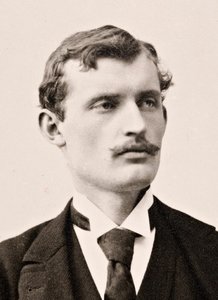
एडवर्ड मुंच
1863 - 1944 , स्वीडन
संक्षिप्त जानकारी
- कलात्मक शैली: अभिव्यक्तिवाद
- जन्म तिथि: 12 दिसंबर 1863
- जन्म स्थान: एडेल्सब्रुक, स्वीडन
- पूर्ण नाम: एडवर्ड मुंच
- प्रभावित आंदोलन: ['जर्मन अभिव्यक्तिवाद']
- प्रभावित कलाकार:
- पॉल गौगिन
- विन्सेंट वैन गॉग
- प्रमुख कलाकृतियाँ:
- द Scream
- मैडोना
- द Sick Child
- मृत्यु तिथि: 23 जनवरी 1944
- राष्ट्रीयता: नॉर्वेजियन