

 पूर्वावलोकन देखें
 साझा करें
 साझा करें
 विस्तृत विवरण

 डाउनलोड करें
 समान कलाकृतियाँ
 एक्स-रे
 स्लाइड शो देखें
Removing sticker


 पूरा देखें
गिक्ली / आर्ट प्रिंट
तेज़ उत्पादन और विभिन्न फिनिश विकल्पों के साथ म्यूजियम-क्वालिटी गिकली (giclée) या कैनवस प्रिंट। ( हाथ से बनी पेंटिंग खरीदें छवि खरीदें)




































कलाकृति के मूल अनुपात से मेल खाने वाले हमारे पूर्व निर्धारित आकारों में से चुनें।

आप किसी विशिष्ट फ्रेम या स्थान के अनुसार अपने स्वयं के आयाम (dimensions) दर्ज कर सकते हैं। यदि आपके द्वारा चुना गया आकार मूल छवि के अनुपात से मेल नहीं खाता है, तो हम कलाकृति को क्रॉप कर देंगे या मिरर किए गए या सॉलिड-फिल किनारे के साथ छवि का विस्तार करेंगे। उत्पादन शुरू होने से पहले आपकी स्वीकृति के लिए एक डिजिटल मॉकअप भेजा जाएगा।
कृपया ध्यान दें कि स्क्रीन पर दिखने वाला प्रीव्यू वास्तविक क्रॉपिंग या विस्तार को नहीं दर्शाता है। केवल मॉकअप ही अंतिम संरचना को सटीक रूप से दिखाएगा।
हालाँकि कस्टम आकार उपलब्ध हैं, फिर भी हम मूल अनुपात बनाए रखने के लिए पूर्व-निर्धारित सूची में से एक आयाम चुनने की सलाह देते हैं।
विश्वव्यापी डिलीवरी (), मानक 4/5 सप्ताह के बजाय मात्र 2 सप्ताह में। (6 सितमबर)

दुनिया भर में मुफ़्त एक्सप्रेस शिपिंग

उच्च गुणवत्ता वाला लिनेन कैनवास

पूर्ण शिपिंग बीमा

सीमा शुल्क और आयात कर वापसी की गारंटी

सटीक रंग मिलान की गारंटी

100-दिन की वापसी नीति (केवल दोषों के लिए)

100% पैसे वापसी की गारंटी

थोक छूट का लाभ
 ग्लास का विकल्प केवल 110 सेमी से कम आकार में ही उपलब्ध है।

Removing sticker
गिक्ली / आर्ट प्रिंट
प्रतिकृति का आकार
-


कुल देय राशि
$ 80
A Portrait of Anxiety: Edvard Munch’s “Removing Sticker”
The artwork "Removing Sticker," created by Norwegian Expressionist Edvard Munch in 1902, stands as a chilling testament to the psychological anxieties that gripped Europe at the turn of the century. More than just a depiction of a woman's face—though undeniably striking—it embodies a profound exploration of inner turmoil and existential dread, cementing Munch’s place among the most influential artists of his era. This piece isn’t merely aesthetically pleasing; it’s a visceral experience designed to unsettle and provoke contemplation about the human condition.The Style and Technique: Expressionist Distortion
Munch's stylistic approach aligns squarely with the tenets of Expressionism, a movement that rejected representational accuracy in favor of conveying subjective emotion. Unlike Impressionists who sought to capture fleeting moments of light and color, Munch prioritized capturing the raw essence of feeling—fear, grief, loneliness—rather than presenting an objective view of reality. “Removing Sticker” achieves this goal through deliberate distortion. The woman’s head is elongated, her facial features exaggerated, mirroring the artist's own preoccupation with psychological instability. Lines dominate the composition, etching themselves onto the wooden block and transferring to paper with remarkable precision. These lines aren’t merely descriptive; they actively contribute to the artwork’s emotional impact, conveying a sense of unease and fragmentation. The stark contrast between light and shadow—a hallmark of Munch's technique—amplifies this feeling of darkness and vulnerability.Historical Context: Fin-de-Siècle Fears
The creation of “Removing Sticker” coincided with the burgeoning anxieties surrounding the fin-de siècle – the end of the nineteenth century – a period marked by rapid industrialization, social upheaval, and growing disillusionment with traditional values. Philosophers like Nietzsche questioned religious dogma and proclaimed the death of God, while Sigmund Freud’s groundbreaking theories on psychoanalysis began to unravel the mysteries of the unconscious mind. Munch himself wrestled with personal demons—including mental illness—and his art reflects this pervasive sense of dread. The image itself seems to capture a moment of profound psychological distress, mirroring anxieties prevalent in society at the time concerning mortality and the fragility of human existence.Symbolism: Faces Within Faces
The artwork’s symbolism is multilayered and deliberately ambiguous. The woman's face—rendered with unsettling detail—appears to be peeling away from her head, suggesting a disintegration of identity and a confrontation with inner demons. This visual motif resonates with Munch’s own experiences battling mental illness and speaks to the broader anxieties surrounding trauma and repression. The elongated head symbolizes vulnerability and exposure, highlighting the artist's desire to portray not just outward appearance but also internal psychological states. Furthermore, the monochromatic woodcut print itself—a technique favored by Munch—represents a deliberate simplification of form, stripping away extraneous details to focus on the core emotional experience. It’s as if Munch is attempting to distill the essence of fear into its purest visual representation.Emotional Impact: A Window Into Darkness
Ultimately, “Removing Sticker” succeeds in conveying an overwhelming sense of melancholy and apprehension. The artwork compels viewers to confront uncomfortable truths about human vulnerability and the inevitability of suffering. It’s a hauntingly beautiful image that lingers in the mind long after viewing, prompting reflection on themes of loss, isolation, and the struggle for self-understanding. Munch's masterful use of technique—particularly woodcut printing—combined with his expressive style—rooted in Expressionism—creates an unforgettable experience that captures the profound psychological anxieties of a pivotal moment in art history. It remains a powerful reminder of the enduring capacity of art to illuminate the darkest recesses of human consciousness.कलाकार का जीवन परिचय
एडवर्ड मुंच: आधुनिक कला के एक tormented आत्मा
एडवर्ड मुंच, 1863 में नॉर्वे के अडेलसब्रुक में जन्मे, एक ऐसे कलाकार थे जिनकी रचनाएँ आधुनिक युग की चिंता और भावनात्मक उथल-पुथल का पर्याय बन गईं। उनका जीवन हानि और उदासी से चिह्नित था, जो उनकी कला के लिए प्रेरणा का स्रोत बना। बचपन में ही माँ और बहन दोनों को तपेदिक ने ले लिया, जिससे मुंच के मन में मृत्यु, बीमारी और मानव अस्तित्व की भंगुरता के प्रति एक गहरा जुनून पैदा हो गया। उनके पिता के सख्त धार्मिक विश्वासों और अपने मानसिक स्वास्थ्य के साथ संघर्ष ने भी उनके जीवन में भय की भावना पैदा की, जो उनकी कला में स्पष्ट रूप से दिखाई देती है। मुंच सिर्फ दृश्यों को चित्रित नहीं कर रहे थे; वे अपनी आंतरिक स्थिति को बाहरीकृत कर रहे थे, मनोवैज्ञानिक पीड़ा को दृश्य रूप में अनुवाद कर रहे थे। उन्होंने आत्मा की पेंटिंग करने का प्रयास किया - अपने भीतर के गहरे भावनात्मक अनुभवों को व्यक्त करना, न कि केवल बाहरी दुनिया का प्रतिनिधित्व करना।
कलात्मक विकास और प्रभाव
मुंच ने रॉयल स्कूल ऑफ आर्ट एंड डिजाइन में औपचारिक प्रशिक्षण प्राप्त किया, लेकिन हंस जगर के साथ उनकी मुलाकात ने वास्तव में उनकी रचनात्मकता को प्रज्वलित किया। जगर ने उन्हें पारंपरिक शैक्षणिक शैलियों को त्यागने और अपने स्वयं के व्यक्तिपरक अनुभव में गहराई से उतरने के लिए प्रोत्साहित किया। इस महत्वपूर्ण बदलाव ने मुंच की विशिष्ट शैली - कच्ची भावनाओं, विकृत रूपों और प्राकृतिक प्रतिनिधित्व के अस्वीकरण द्वारा चिह्नित - की शुरुआत की। 1890 के दशक में पेरिस की यात्राओं ने उन्हें पोस्ट-इंप्रेशनिस्ट आंदोलन के संपर्क में लाया, जहाँ उन्होंने पॉल गौगिन, विन्सेंट वैन गॉग और हेनरी डी टूलूज़-लॉट्रेक जैसे कलाकारों से प्रभावित थे। इन कलाकारों के रंग का बोल्ड उपयोग, अभिव्यंजक ब्रशस्ट्रोक और मनोवैज्ञानिक तीव्रता मुंच की कलात्मक प्रवृत्तियों के साथ गहराई से प्रतिध्वनित हुई। उन्होंने केवल उनकी तकनीकों की नकल नहीं की; उन्होंने उन्हें कुछ अनूठा - एक दृश्य भाषा में संश्लेषित किया जो सबसे गहन मानवीय भावनाओं को व्यक्त करने में सक्षम थी। बर्लिन में उनका समय भी महत्वपूर्ण साबित हुआ, जहाँ वे नाटककार अगस्ट स्ट्रिंडबर्ग के संपर्क में आए, जिनके मनोवैज्ञानिक विषयों की खोज ने मुंच की कलात्मक जांच को और बढ़ावा दिया। उन्होंने नॉर्वे के बोहेमियन जीवन से प्रेरणा ली, जो पारंपरिक मानदंडों को चुनौती देने और व्यक्तिगत अभिव्यक्ति को प्रोत्साहित करने पर केंद्रित था।
प्रमुख रचनाएँ: प्रतीकवाद और मानवीय पीड़ा
मुंच की रचनाओं में द Scream (1893) सबसे प्रतिष्ठित है, जो आधुनिक आध्यात्मिक संकट का एक सार्वभौमिक प्रतीक बन गया है। घूमता हुआ, आग जैसा परिदृश्य और आकृति का विकृत चेहरा ब्रह्मांड की उदासीनता के खिलाफ एक आदिम चीख को मूर्त रूप देता है। Madonna, एक विवादास्पद और व्यक्तिगत रचना, कामुकता, मातृत्व और मृत्यु जैसे विषयों का पता लगाती है। The Sick Child - उनकी बहन सोफी के नुकसान से प्रेरित - मुंच के बचपन के आघात और मृत्यु के निरंतर भूतकाल की मार्मिक याद दिलाते हैं। Melancholy I & II, गहन उदासी और अलगाव के शक्तिशाली चित्रण, एक भेद्यता को प्रकट करते हैं जो गहरी व्यक्तिगत होने के साथ-साथ सार्वभौमिक रूप से संबंधित भी है। ये रचनाएँ बाहरी वास्तविकता का प्रतिनिधित्व मात्र नहीं हैं; वे कलाकार की आत्मा में खिड़कियाँ हैं, जो दर्शकों को मानव मन की सबसे अंधेरी कोनों की झलक पेश करती हैं। मुंच ने सुंदर छवियां बनाने का प्रयास नहीं किया; उन्होंने सत्य व्यक्त करने की मांग की - भले ही वह सत्य दर्दनाक और परेशान करने वाला हो। उनकी कला अक्सर प्रतीकात्मक थी, जिसमें रंग और रूप भावनाओं और आंतरिक अनुभवों को व्यक्त करने के लिए उपयोग किए जाते थे, न कि केवल दृश्य वास्तविकता को चित्रित करने के लिए।
विरासत: आधुनिक कला पर प्रभाव
एडवर्ड मुंच का आधुनिक कला में योगदान अमूल्य है। वह अभिव्यक्तिवाद के विकास में एक महत्वपूर्ण व्यक्ति हैं, जो उन कलाकारों के मार्ग प्रशस्त करते हैं जिन्होंने वस्तुनिष्ठ प्रतिनिधित्व की तुलना में व्यक्तिपरक भावनाओं को प्राथमिकता दी। प्रेम, हानि, चिंता और मृत्यु जैसे सार्वभौमिक मानवीय अनुभवों की उनकी निर्भीकता आज भी दर्शकों से प्रतिध्वनित होती रहती है, जिससे वह कला इतिहास के सबसे प्रभावशाली और स्थायी शख्सियतों में से एक बन गए हैं। उनका काम जर्मन अभिव्यक्तिवाद सहित बाद की पीढ़ियों के कलाकारों को गहराई से प्रभावित करता रहा है। उन्होंने सौंदर्य की पारंपरिक धारणाओं को चुनौती देते हुए, मानव स्थिति के अंधेरे पहलुओं का सामना करने की हिम्मत की। अपनी प्रसिद्धि और मान्यता प्राप्त करने के बाद भी - ओस्लो में मुंच संग्रहालय की स्थापना के साथ - उनका व्यक्तिगत जीवन अशांत बना रहा, जो मानसिक अस्थिरता और अलगाव की अवधि से चिह्नित था। फिर भी, उन्होंने लगातार रचना करना जारी रखा, एक ऐसी कृति छोड़ दी जो दर्शकों को उत्तेजित, चुनौती देती है और प्रेरित करती रहती है। मुंच की विरासत केवल चित्रों के बारे में ही नहीं है; यह मानव अस्तित्व की जटिलताओं का सामना करने और उस अनुभव को कला में अनुवाद करने की हिम्मत के बारे में है जो हमारी आत्मा के सबसे गहरे हिस्सों से बात करता है।
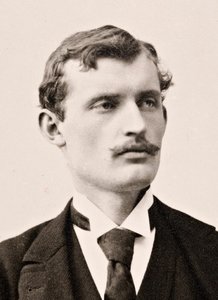
एडवर्ड मुंच
1863 - 1944 , स्वीडन
मुख्य तथ्य
- कलात्मक शैली: अभिव्यक्तिवाद
- जन्म तिथि: 12 दिसंबर 1863
- जन्म स्थान: एडेल्सब्रुक, स्वीडन
- पूर्ण नाम: एडवर्ड मुंच
- प्रभावित आंदोलन: ['जर्मन अभिव्यक्तिवाद']
- प्रभावित कलाकार:
- पॉल गौगिन
- विन्सेंट वैन गॉग
- प्रमुख कलाकृतियाँ:
- द Scream
- मैडोना
- द Sick Child
- मृत्यु तिथि: 23 जनवरी 1944
- राष्ट्रीयता: नॉर्वेजियन
संबंधित लेख
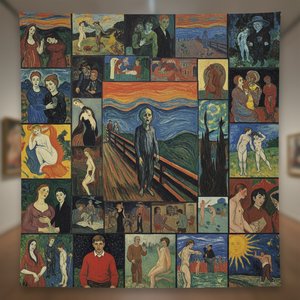
एडवर्ड मुंच की शीर्ष 25 कलाकृतियाँ: कहानी, कलाकार और दृश्य महत्व | OriginalUniqueArt
एडवर्ड मुंच की शीर्ष 25 कलाकृतियों का अन्वेषण करें! अभिव्यक्तिवाद, 'द स्क्रीम' और नॉर्वेजियन कला के भावनात्मक संसार में खो जाएं। उच्च गुणवत्ता वाले कला पुनरुत्पादन और घर की सजावट के लिए प्रेरणा खोजें। OriginalUniqueArt.com पर संपूर्ण संग्रह देखें।
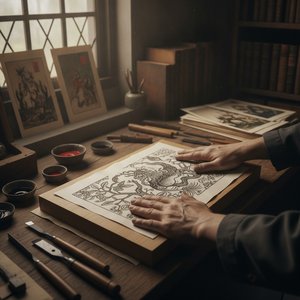
Mastering the Woodcut: A Definitive Guide to the Art of Relief Printing and its Historical Legacy
Explore the profound history and technical mastery of woodcut relief printing. From ancient origins to German Expressionism, discover how artists use the subtractive process to create iconic works. A definitive guide for art students, collectors, and historians.
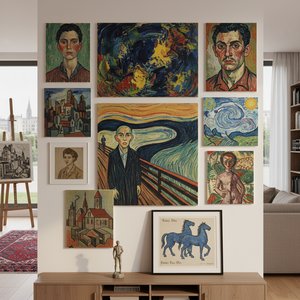
अभिव्यक्तिवाद की उत्कृष्ट कृतियाँ: शीर्ष 10 कलाकृतियाँ जो परिभाषित करती हैं | OriginalUniqueArt
अभिव्यक्तिवाद की दुनिया में कदम रखें! वैन गॉग, मुंच और अन्य महान कलाकारों की 10 उत्कृष्ट कृतियों का अन्वेषण करें। कला इतिहास जानें, प्रेरणा पाएं और OriginalUniqueArt.com पर संग्रहालय-गुणवत्ता वाले प्रिंट खोजें।

Edvard Munch: Anxiety, Modernity & the Dawn of Expressionism
Explore the profound world of Edvard Munch, pioneer of Expressionism. Discover the origins of 'The Scream' & his haunting depictions of anxiety, mortality, and love. Expert analysis & high-quality reproductions at OriginalUniqueArt.

Giclée Prints: Archival Quality & Aesthetic Nuances for the Discerning Collector
Explore the world of giclée prints with OriginalUniqueArt. Learn about archival quality, aesthetic nuances & investment potential. Expert guidance for discerning art collectors seeking museum-quality reproductions and lasting value.


![एडवर्ड मंच (MUUNK; नॉर्वेजियन: [ˈɛ̀dvɑɖ ˈmʊŋk]; 12 दिसंबर 1863 – 23 जनवरी 1944) एक नॉर्वेजियन चित्रकार थे। उनकी 1893 की कृति द Scream सभी पश्चिमी कला में सबसे प्रतिष्ठित और प्रशंसित छवियों में से एक बन गई है।
उनका बचपन बीमारी, शोक और परिवार में मानसिक स्थ](/media/artworks/images-thumb/46/ed/46ed5db58c87c78f9ae151041e029596.jpg)


