

 पूर्वावलोकन देखें
 साझा करें
 साझा करें
 विस्तृत विवरण

 डाउनलोड करें
 समान कलाकृतियाँ
 एक्स-रे
 स्लाइड शो देखें
The Tragic Actor


 पूरा देखें
गिक्ली / आर्ट प्रिंट
तेज़ उत्पादन और विभिन्न फिनिश विकल्पों के साथ म्यूजियम-क्वालिटी गिकली (giclée) या कैनवस प्रिंट। ( हाथ से बनी पेंटिंग खरीदें छवि खरीदें)




P118B $10

P118H $10

P118W $10

P438Z $10

P508JH $12

P508YH $12

P805H $10

P805Z $10

P919BZ $10

P919G $10

P919XJ $10

P959ZH $10

P968JZ $12

W106C $8

W218G $10

W218JH $8

W218Y $10

W307PJ $10

W316G $10

W316PJ $8

W316Y $10

W398PJ $8

W4111J $10

W500HY $15

W500JH $15

W692G $12

W849H $8

W940BG $15

W953PJ $8




कलाकृति के मूल अनुपात से मेल खाने वाले हमारे पूर्व निर्धारित आकारों में से चुनें।

आप किसी विशिष्ट फ्रेम या स्थान के अनुसार अपने स्वयं के आयाम (dimensions) दर्ज कर सकते हैं। यदि आपके द्वारा चुना गया आकार मूल छवि के अनुपात से मेल नहीं खाता है, तो हम कलाकृति को क्रॉप कर देंगे या मिरर किए गए या सॉलिड-फिल किनारे के साथ छवि का विस्तार करेंगे। उत्पादन शुरू होने से पहले आपकी स्वीकृति के लिए एक डिजिटल मॉकअप भेजा जाएगा।
कृपया ध्यान दें कि स्क्रीन पर दिखने वाला प्रीव्यू वास्तविक क्रॉपिंग या विस्तार को नहीं दर्शाता है। केवल मॉकअप ही अंतिम संरचना को सटीक रूप से दिखाएगा।
हालाँकि कस्टम आकार उपलब्ध हैं, फिर भी हम मूल अनुपात बनाए रखने के लिए पूर्व-निर्धारित सूची में से एक आयाम चुनने की सलाह देते हैं।
विश्वव्यापी डिलीवरी (), मानक 4/5 सप्ताह के बजाय मात्र 2 सप्ताह में। (6 सितमबर)

दुनिया भर में मुफ़्त एक्सप्रेस शिपिंग

उच्च गुणवत्ता वाला लिनेन कैनवास

पूर्ण शिपिंग बीमा

सीमा शुल्क और आयात कर वापसी की गारंटी

सटीक रंग मिलान की गारंटी

100-दिन की वापसी नीति (केवल दोषों के लिए)

100% पैसे वापसी की गारंटी

थोक छूट का लाभ
 ग्लास का विकल्प केवल 110 सेमी से कम आकार में ही उपलब्ध है।

The Tragic Actor
गिक्ली / आर्ट प्रिंट
प्रतिकृति का आकार
-


कुल देय राशि
$ 80
The Tragic Actor: A Window into 19th-Century Theater and Manet’s Modern Vision
Édouard Manet's “The Tragic Actor” (1865) is more than just a depiction of a stage performer; it’s a carefully constructed tableau brimming with symbolism, challenging conventions, and offering a profound glimpse into the artistic landscape of mid-19th century Paris. Housed within the National Gallery of Art in Washington D.C., this oil on canvas painting immediately draws the viewer in with its dramatic lighting and the central figure—a man enveloped in a richly textured costume, holding a prop sword, and radiating an aura of intense emotion.
The scene unfolds on what appears to be a darkened stage, though the background is deliberately vague, almost dissolving into shadow. The actor, identified as Philibert Rouvière, stands poised, his posture echoing the classic theatrical pose—a deliberate reference to earlier masters like Velázquez and Poussin. This isn’t simply a portrait; it's an *arrangement*, a carefully orchestrated composition designed to evoke a specific mood. Manet masterfully employs chiaroscuro – the dramatic contrast between light and dark – to sculpt the figure, emphasizing his musculature and highlighting the weight of his costume. The use of strong shadows creates a sense of depth and drama, pulling the viewer into the performance.
A Fusion of Realism and Artistic Tradition
Manet’s approach was revolutionary for its time. While rooted in academic traditions – he initially studied under Thomas Couture – “The Tragic Actor” moves decisively beyond mere imitation. He skillfully blends realism with a heightened sense of theatricality, drawing inspiration from the world of opera and theater, which were immensely popular during this period. The costume itself is a key element, rich in detail and suggesting a character steeped in tragedy—a reference to Shakespeare’s Hamlet, as evidenced by the actor's pose and the inclusion of a feathered hat reminiscent of the Prince’s iconic headwear.
The prop sword, held with deliberate intensity, adds another layer of meaning. It symbolizes both power and vulnerability, reflecting the precarious nature of an actor’s career and the inherent drama of his profession. The bird perched on the sword further amplifies this sense of fragility and perhaps even foreshadowing—a subtle nod to the themes of fate and destiny often explored in tragic narratives.
Technique and Context: Impressionism's Early Seeds
The painting’s execution showcases Manet’s distinctive style – bold brushstrokes, vibrant colors, and a willingness to depict modern life with unflinching honesty. He utilized oil on canvas, a common medium for the time, but his application was markedly loose and expressive, anticipating the techniques of Impressionism that would soon emerge. The National Gallery of Art's collection, encompassing works by both Manet and Monet, provides valuable context for understanding this transition in artistic style.
Furthermore, “The Tragic Actor” reflects the broader social and cultural shifts occurring in 19th-century France. The rise of theater as a popular form of entertainment, coupled with growing interest in realism and social commentary, created fertile ground for artists like Manet to challenge established conventions. His work was initially met with mixed reactions – some critics praised his innovative approach, while others condemned its perceived lack of polish or adherence to traditional artistic standards.
A Reproduction Worth Cherishing
OriginalUniqueArt offers meticulously crafted, handmade oil painting reproductions of “The Tragic Actor,” allowing art lovers to own a tangible piece of this pivotal work. These reproductions faithfully capture the original’s dramatic lighting, rich textures, and emotional intensity, bringing Manet's vision to life in a stunningly authentic way. Beyond its aesthetic value, "The Tragic Actor" serves as a powerful reminder of Manet’s enduring legacy as one of the most important figures in modern art – an artist who dared to break with tradition and pave the way for future generations.
To explore more works by Édouard Manet or to commission your own reproduction, please visit OriginalUniqueArt’s dedicated page.
कलाकार का जीवन परिचय
एडुआर्ड माने: आधुनिक कला के एक पथप्रदर्शक
एडुआर्ड माने, जिनका जन्म 1832 में पेरिस में हुआ था, एक ऐसे परिवार से थे जो समाज में सम्मानित था। उनके पिता एक न्यायाधीश थे और उन्होंने बेटे को कानून या नौसेना में करियर बनाने की उम्मीद की थी। लेकिन एडुआर्ड का दिल कला में रमा हुआ था। बचपन से ही चित्रकला के प्रति उनका रुझान था, और ग्यारह साल की उम्र से ही उन्होंने औपचारिक रूप से ड्राइंग सीखना शुरू कर दिया। थॉमस कूटूर के अधीन कुछ समय तक प्रशिक्षण लिया, लेकिन जल्द ही उन्हें पता चल गया कि उनकी रचनात्मकता उन कठोर तरीकों से बाधित हो रही है। यह प्रारंभिक प्रतिरोध उनके जीवन भर कलात्मक परंपराओं को चुनौती देने का संकेत था। माने ऐतिहासिक या पौराणिक विषयों में बंधे रहने के बजाय आधुनिक पेरिस की जीवंतता और कभी-कभी उसकी परेशान करने वाली वास्तविकताओं को कैद करना चाहते थे। उन्होंने लूव्र का दौरा किया, न केवल पुराने मास्टर्स की नकल करने के लिए, बल्कि उनकी तकनीकों को समझने के लिए भी, यह जानने के लिए कि कैसे कारावागियो और वेलाज़quez जैसे कलाकारों ने प्रकाश और छाया का उपयोग करके रूप को तराशा और भावनाओं को जगाया। गुस्ताव कोर्टबेट द्वारा championed यथार्थवाद के उदय ने माने के रचनात्मक मार्ग को प्रज्वलित किया। कोर्टबेट की रोजमर्रा की जिंदगी को आदर्श बनाने के बिना चित्रित करने की आग्रह से माने मुक्त हुए, जिससे उन्हें ऐतिहासिक या पौराणिक विषयों की सीमाओं से मुक्ति मिली।विद्रोह और नवाचार: परंपरा का टूटना
1860 के दशक पेरिस में तीव्र कलात्मक उथल-पुथल का दौर था, और माने खुद इसके केंद्र में थे। जापान से आए *उकियो-ए* प्रिंट ने उनके सौंदर्यशास्त्र को गहराई से प्रभावित किया। वे उनकी सपाट परिप्रेक्ष्य, बोल्ड रचनाओं और हड़ताली रंग के उपयोग से मोहित हो गए, जो जल्द ही उनकी अपनी शैली की पहचान बन गए। यह प्रभाव, अकादमिक परिशुद्धता के प्रति बढ़ती अस्वीकृति के साथ मिलकर, ऐसी कृतियों को जन्म दिया जिसने पेरिस की कला जगत को चौंका दिया और आक्रोशित कर दिया। ले डेजने सुर ल’हर्ब (घास पर दोपहर का भोजन), 1863 में सैलून दे रिफ्यूज में प्रदर्शित किया गया – आधिकारिक सैलून द्वारा अस्वीकृत कार्यों के लिए एक प्रदर्शनी – विवाद का केंद्र बन गया। इस चित्र में नग्न महिला को दो पूरी तरह से कपड़े पहने पुरुषों के साथ पिकनिक मनाते हुए दिखाया गया था, जो केवल नग्नता के बारे में ही नहीं था; यह उस तरीके के बारे में था जिससे नग्नता प्रस्तुत की गई थी। माने के आंकड़ों में पारंपरिक नग्न चित्रों के आदर्शित रूप और पौराणिक संदर्भ का अभाव था। वे निस्संदेह आधुनिक थे, दर्शकों को एक परेशान करने वाली प्रत्यक्षता से सामना करा रहे थे। ले डेजने के आसपास का विवाद उनकी 1865 की उत्कृष्ट कृति, ओलंपिया के साथ और बढ़ गया। इस चित्र में टिटियन के *वेनस ऑफ अर्बिनो* का एक जानबूझकर पुनर्निर्माण किया गया था, जिसमें एक समकालीन वेश्या दर्शक को सीधे देखती हुई दिखाई गई थी। अचल यथार्थवाद और उत्तेजक विषय वस्तु व्यापक निंदा का सामना कर रही थी। आलोचकों ने माने पर अश्लीलता और कलात्मक अक्षमता का आरोप लगाया, लेकिन आक्रोश के नीचे यह पहचान थी कि वह चित्रकला की भाषा को मौलिक रूप से बदल रहे थे।प्रभावशाली रंग और आधुनिक जीवन: प्रभाववाद की ओर एक पुल
हालांकि माने ने कभी खुद को पूरी तरह से "प्रभाववादी" कहने से इनकार कर दिया, उनका प्रभाव आंदोलन पर निर्विवाद था। उन्होंने अकादमिक परंपराओं के प्रति अस्वीकृति और प्रकाश और वायुमंडल के क्षणिक प्रभावों को कैद करने की प्रतिबद्धता को साझा किया। उन्होंने मोनेट, रेनॉयर, डेगास और अन्य के साथ स्वतंत्र प्रदर्शनियों में प्रदर्शित होकर अग्रभाग में अपनी स्थिति को मजबूत किया। माने की तकनीक एक ढीले ब्रशस्ट्रोक की ओर विकसित हुई, सटीक विवरणों पर सटीक रूप से ध्यान केंद्रित करने के बजाय रूप का प्रभाव प्राथमिकता दिया गया। उन्होंने रंग के साथ प्रयोग किया, अक्सर नाटकीय प्रभाव पैदा करने के लिए कठोर विरोधाभासों का उपयोग किया। उत्तेजक नग्न चित्रों के अलावा, माने ने विषयों की एक विस्तृत श्रृंखला का पता लगाया: पोर्ट्रेट - अपनी पत्नी सुज़ैन और साथी कलाकार एमिल ज़ोला के शानदार चित्रण सहित; पेरिस की नाइटलाइफ़ के दृश्य, जैसे ए बार एट द फोलीस-बर्गरे, जो आधुनिक शहरी जीवन की अलगाव और तमाशे को कुशलता से कैद करता है; और अंतरंग घरेलू दृश्य। वे इन विषयों का मात्र दस्तावेजीकरण नहीं कर रहे थे; वे उनसे सवाल पूछ रहे थे, सामाजिक मानदंडों को चुनौती दे रहे थे और सौंदर्य के पारंपरिक विचारों पर सवाल उठा रहे थे।विरासत और स्थायी प्रभाव
एडुआर्ड माने की समय से पहले मृत्यु, 1883 में सिफलिस से, एक ऐसे करियर को छोटा कर दिया जिसने पहले ही कला के इतिहास के पाठ्यक्रम को अपरिवर्तनीय रूप से बदल दिया था। उनकी प्रतिष्ठा उनकी मृत्यु के बाद काफी बढ़ी, लेकिन उनका प्रभाव युवा कलाकारों द्वारा तुरंत महसूस किया गया जिन्होंने उन्हें एक मुक्तिदाता के रूप में पहचाना। उन्होंने पारंपरिक विषय वस्तु, तकनीक और कलात्मक उद्देश्य की धारणाओं को तोड़कर बाधाओं को तोड़ दिया।- प्रभाववाद और उत्तर-प्रभाववाद के लिए आधुनिक जीवन को कैद करने पर उनका जोर मार्ग प्रशस्त करता है।
- उनके अभिनव ब्रशवर्क और रंग ने पीढ़ियों के चित्रकारों को प्रभावित किया।
- समाज की असहज सच्चाइयों का सामना करने की उनकी इच्छा ने दर्शकों को अपनी मान्यताओं पर सवाल उठाने के लिए मजबूर कर दिया।
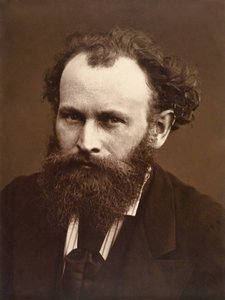
एडुआर्ड माने
1832 - 1883 , फ्रांस
मुख्य तथ्य
- Artistic Movement Or Style: यथार्थवाद, प्रभाववाद
- Artists Or Movements Influenced By This Artist:
- क्लाउड मोनेट
- पियरे-अगस्टे रेनॉयर
- एडगर देगास
- प्रभाववाद
- Artists Who Influenced This Artist:
- कारावागियो
- डिएगो वेलाज़क्वेज़
- गुस्ताव कोर्टबेट
- Date Of Birth: 23 जनवरी 1832
- Date Of Death: 1883
- Full Name: एडुआर्ड माने
- Nationality: फ्रांसीसी
- Notable Artworks:
- déjeuner sur l'herbe
- ओलंपिया
- A Bar at the Folies-Bergère
- Place Of Birth: पेरिस, फ्रांस
संबंधित लेख
एदोआर्ड माने: शीर्ष 25 कलाकृतियाँ - आधुनिक कला और गृह सजावट के लिए प्रेरणा
एदोआर्ड माने की शीर्ष 25 कलाकृतियों का अन्वेषण करें! आधुनिक कला, प्रभाववाद और फ्रेंच चित्रकला के प्रेरणादायक संसार में खो जाएं। उच्च गुणवत्ता वाले कला प्रिंट और गृह सजावट के लिए OriginalUniqueArt.com पर संग्रह देखें।

The Enduring Legacy of Oil on Canvas: Technique, History & Aesthetic Impact
Explore the rich history & techniques of oil painting – from Renaissance masters to Impressionism. Discover pigments, layering methods, and why this timeless medium endures. Expert insights for artists & art enthusiasts.

Oil on Canvas: A Historical & Technical Exploration of a Timeless Artistic Medium
Explore the rich history & enduring techniques of oil painting on canvas. Discover the science behind its longevity, conservation practices, and contemporary relevance. Expert insights for art enthusiasts.

The Enduring Power of Painting: A Historical & Contemporary Exploration of Form and Emotion
Explore the rich history & enduring techniques of oil painting with OriginalUniqueArt. Discover masterpieces, learn about art collecting, and find authentic handmade reproductions crafted by skilled artists.

कैनवस पर चित्रित विरासत: तकनीक, इतिहास और समकालीन अभ्यास
कैनवस पर चित्रित विरासत की गहराई में उतरें। तकनीक, इतिहास और समकालीन कला अभ्यास जानें। OriginalUniqueArt के साथ उच्च गुणवत्ता वाली पेंटिंग खरीदें और अपनी दीवारों को जीवंत करें।


