

 पूर्वावलोकन देखें
 साझा करें
 साझा करें
 विस्तृत विवरण

 डाउनलोड करें
 समान कलाकृतियाँ
 एक्स-रे
 स्लाइड शो देखें
Les gitanos


 पूरा देखें
हाथ से बनी ऑयल रिप्रोडक्शन
आपके आकार और फ्रेम के अनुसार कैनवास पर हाथ से बनी ऑयल पेंटिंग, हमारे कलाकारों द्वारा विशेष रूप से ऑर्डर पर तैयार। ( प्रिंट खरीदें छवि खरीदें)




P118B $10

P118H $10

P118W $10

P438Z $10

P508JH $12

P508YH $12

P805H $10

P805Z $10

P919BZ $10

P919G $10

P919XJ $10

P959ZH $10

P968JZ $12

W106C $8

W218G $10

W218JH $8

W218Y $10

W307PJ $10

W316G $10

W316PJ $8

W316Y $10

W398PJ $8

W4111J $10

W500HY $15

W500JH $15

W692G $12

W849H $8

W940BG $15

W953PJ $8




कलाकृति के मूल अनुपात से मेल खाने वाले हमारे पूर्व निर्धारित आकारों में से चुनें।

आप किसी विशिष्ट फ्रेम या स्थान के अनुसार अपने स्वयं के आयाम (dimensions) दर्ज कर सकते हैं। यदि आपके द्वारा चुना गया आकार मूल छवि के अनुपात से मेल नहीं खाता है, तो हम कलाकृति को क्रॉप करेंगे या पेंटिंग में अतिरिक्त हाथ से चित्रित तत्व जोड़कर उसका विस्तार करेंगे। उत्पादन शुरू होने से पहले आपकी स्वीकृति के लिए एक डिजिटल मॉकअप भेजा जाएगा।
कृपया ध्यान दें कि स्क्रीन पर दिखने वाला पूर्वावलोकन वास्तविक क्रॉपिंग या विस्तार को नहीं दर्शाता है। केवल मॉकअप ही अंतिम रचना को सटीक रूप से दिखाएगा।
यद्यपि कस्टम आकार उपलब्ध हैं, फिर भी हम मूल अनुपात बनाए रखने के लिए पूर्व-निर्धारित सूची से आयाम चुनने की सलाह देते हैं।
ऑर्डर देने के बाद, OriginalUniqueArt.com टीम निर्देशों के लिए क्लाइंट को ईमेल करेगी और एक मॉकअप प्रीव्यू प्रदान करेगी
विश्वव्यापी वितरण () मानक 5 सप्ताह के बजाय मात्र 3/4 सप्ताह में। (28 अगस्त)। गुणवत्ता से कोई समझौता नहीं।

दुनिया भर में मुफ़्त एक्सप्रेस शिपिंग

उच्च गुणवत्ता वाला लिनेन कैनवास

पूर्ण शिपिंग बीमा

सीमा शुल्क और आयात कर वापसी की गारंटी

सटीक रंग मिलान की गारंटी

60-दिन की वापसी नीति (केवल दोषों के लिए)

100% पैसे वापसी की गारंटी

थोक छूट का लाभ
 ग्लास का विकल्प केवल 110 सेमी से कम आकार में ही उपलब्ध है।

Les gitanos
प्रतिकृति की विधि
प्रतिकृति का आकार
-


कुल देय राशि
$ 300
A Quiet Resonance in Monochrome: Manet’s Les Gitanos
In the vast, often turbulent history of 19th-century French art, there exist moments of profound stillness that capture the very essence of human connection. Édouard Manet’s Les Gitanos (The Gypsies) is one such masterpiece, offering a poignant and intimate glimpse into Romani life through the delicate medium of etching. Rather than presenting a grand, sweeping historical drama, Manet invites us into a private, domestic sphere—a quiet snapshot of a family caught in a moment of shared existence. The scene unfolds with a gentle rhythm: a man serenades his companions with the subtle notes of an instrument, perhaps a guitar, while a woman cradles a newborn, and a young child reaches upward, seeking connection or perhaps simply reacting to the music. It is a composition that breathes with the soft pulse of everyday life, finding beauty in the mundane and dignity in the humble.
The emotional weight of the piece lies in its ability to balance tenderness with an underlying sense of melancholy. There is a palpable atmosphere of hardship woven into the textures of the clothing and the weary yet resilient expressions of the figures. Manet, a painter often celebrated for his role in the birth of Impressionism, demonstrates here a masterful command of Realist principles. He avoids the temptation to romanticize or exoticize his subjects, choosing instead to depict them with an unflinching honesty. This approach allows the viewer to connect not with a stereotype of the "exotic wanderer," but with the universal truths of parenthood, family, and survival. For the collector or interior designer, this artwork offers a sophisticated emotional depth, providing a focal point that is both intellectually stimulating and deeply moving.
The Mastery of Line and Light
Technically, Les Gitanos is a triumph of printmaking, showcasing Manet’s extraordinary ability to manipulate the etching needle. Through the meticulous process of incising lines into a metal plate and allowing acid to bite into the surface, he achieves a breathtaking range of tonal variations. The artwork relies entirely on the density and weight of his linework; where the lines are sparse and delicate, light seems to dance across the skin of the figures; where they are layered in complex cross-hatching, deep, velvety shadows emerge to create form and volume. This monochromatic palette does not strip the scene of its vitality but rather concentrates it, forcing the eye to focus on the interplay of texture and the structural integrity of the composition.
The sense of depth within this small-scale work is remarkable. Manet utilizes a layered approach, placing the central family in the foreground while allowing other figures and elements of the landscape to recede into a soft, atmospheric background. This creates a subtle diagonal movement that guides the viewer’s gaze through the narrative arc of the piece. The diffused lighting, reminiscent of an overcast afternoon, softens the edges of the world, enveloping the subjects in a somber yet captivating glow. For those looking to adorn a space with art that possesses both structural strength and atmospheric grace, this etching serves as a perfect example of how technical precision can serve emotional storytelling.
A Legacy of Modernity and Truth
To understand Les Gitanos is to understand the rebellious spirit of Édouard Manet himself. As a pivotal figure who bridged the gap between the rigid traditions of the Academy and the radical energy of modernism, Manet spent his career challenging how we perceive reality. In this work, he rejects the polished perfection of his contemporaries in favor of a raw, unvarnished truth. He looks toward the marginalized members of French society—the Romani people who were often subject to prejudice—and grants them a sense of permanence and importance through his art. This historical context adds a layer of profound significance to the piece, transforming it from a mere depiction of a family into a social commentary on visibility and human dignity.
Integrating a high-quality reproduction of such a significant work into a curated collection or a modern interior can elevate the entire aesthetic of a room. The monochromatic nature of the etching allows it to harmonize with a wide variety of color palettes, from the muted tones of a minimalist sanctuary to the rich, dark woods of a classical study. It acts as a window into the 19th century, bringing with it a sense of history, a respect for craftsmanship, and an enduring appreciation for the quiet, beautiful moments that define our shared humanity.
कलाकार का जीवन परिचय
एडुआर्ड माने: आधुनिक कला के एक पथप्रदर्शक
एडुआर्ड माने, जिनका जन्म 1832 में पेरिस में हुआ था, एक ऐसे परिवार से थे जो समाज में सम्मानित था। उनके पिता एक न्यायाधीश थे और उन्होंने बेटे को कानून या नौसेना में करियर बनाने की उम्मीद की थी। लेकिन एडुआर्ड का दिल कला में रमा हुआ था। बचपन से ही चित्रकला के प्रति उनका रुझान था, और ग्यारह साल की उम्र से ही उन्होंने औपचारिक रूप से ड्राइंग सीखना शुरू कर दिया। थॉमस कूटूर के अधीन कुछ समय तक प्रशिक्षण लिया, लेकिन जल्द ही उन्हें पता चल गया कि उनकी रचनात्मकता उन कठोर तरीकों से बाधित हो रही है। यह प्रारंभिक प्रतिरोध उनके जीवन भर कलात्मक परंपराओं को चुनौती देने का संकेत था। माने ऐतिहासिक या पौराणिक विषयों में बंधे रहने के बजाय आधुनिक पेरिस की जीवंतता और कभी-कभी उसकी परेशान करने वाली वास्तविकताओं को कैद करना चाहते थे। उन्होंने लूव्र का दौरा किया, न केवल पुराने मास्टर्स की नकल करने के लिए, बल्कि उनकी तकनीकों को समझने के लिए भी, यह जानने के लिए कि कैसे कारावागियो और वेलाज़quez जैसे कलाकारों ने प्रकाश और छाया का उपयोग करके रूप को तराशा और भावनाओं को जगाया। गुस्ताव कोर्टबेट द्वारा championed यथार्थवाद के उदय ने माने के रचनात्मक मार्ग को प्रज्वलित किया। कोर्टबेट की रोजमर्रा की जिंदगी को आदर्श बनाने के बिना चित्रित करने की आग्रह से माने मुक्त हुए, जिससे उन्हें ऐतिहासिक या पौराणिक विषयों की सीमाओं से मुक्ति मिली।विद्रोह और नवाचार: परंपरा का टूटना
1860 के दशक पेरिस में तीव्र कलात्मक उथल-पुथल का दौर था, और माने खुद इसके केंद्र में थे। जापान से आए *उकियो-ए* प्रिंट ने उनके सौंदर्यशास्त्र को गहराई से प्रभावित किया। वे उनकी सपाट परिप्रेक्ष्य, बोल्ड रचनाओं और हड़ताली रंग के उपयोग से मोहित हो गए, जो जल्द ही उनकी अपनी शैली की पहचान बन गए। यह प्रभाव, अकादमिक परिशुद्धता के प्रति बढ़ती अस्वीकृति के साथ मिलकर, ऐसी कृतियों को जन्म दिया जिसने पेरिस की कला जगत को चौंका दिया और आक्रोशित कर दिया। ले डेजने सुर ल’हर्ब (घास पर दोपहर का भोजन), 1863 में सैलून दे रिफ्यूज में प्रदर्शित किया गया – आधिकारिक सैलून द्वारा अस्वीकृत कार्यों के लिए एक प्रदर्शनी – विवाद का केंद्र बन गया। इस चित्र में नग्न महिला को दो पूरी तरह से कपड़े पहने पुरुषों के साथ पिकनिक मनाते हुए दिखाया गया था, जो केवल नग्नता के बारे में ही नहीं था; यह उस तरीके के बारे में था जिससे नग्नता प्रस्तुत की गई थी। माने के आंकड़ों में पारंपरिक नग्न चित्रों के आदर्शित रूप और पौराणिक संदर्भ का अभाव था। वे निस्संदेह आधुनिक थे, दर्शकों को एक परेशान करने वाली प्रत्यक्षता से सामना करा रहे थे। ले डेजने के आसपास का विवाद उनकी 1865 की उत्कृष्ट कृति, ओलंपिया के साथ और बढ़ गया। इस चित्र में टिटियन के *वेनस ऑफ अर्बिनो* का एक जानबूझकर पुनर्निर्माण किया गया था, जिसमें एक समकालीन वेश्या दर्शक को सीधे देखती हुई दिखाई गई थी। अचल यथार्थवाद और उत्तेजक विषय वस्तु व्यापक निंदा का सामना कर रही थी। आलोचकों ने माने पर अश्लीलता और कलात्मक अक्षमता का आरोप लगाया, लेकिन आक्रोश के नीचे यह पहचान थी कि वह चित्रकला की भाषा को मौलिक रूप से बदल रहे थे।प्रभावशाली रंग और आधुनिक जीवन: प्रभाववाद की ओर एक पुल
हालांकि माने ने कभी खुद को पूरी तरह से "प्रभाववादी" कहने से इनकार कर दिया, उनका प्रभाव आंदोलन पर निर्विवाद था। उन्होंने अकादमिक परंपराओं के प्रति अस्वीकृति और प्रकाश और वायुमंडल के क्षणिक प्रभावों को कैद करने की प्रतिबद्धता को साझा किया। उन्होंने मोनेट, रेनॉयर, डेगास और अन्य के साथ स्वतंत्र प्रदर्शनियों में प्रदर्शित होकर अग्रभाग में अपनी स्थिति को मजबूत किया। माने की तकनीक एक ढीले ब्रशस्ट्रोक की ओर विकसित हुई, सटीक विवरणों पर सटीक रूप से ध्यान केंद्रित करने के बजाय रूप का प्रभाव प्राथमिकता दिया गया। उन्होंने रंग के साथ प्रयोग किया, अक्सर नाटकीय प्रभाव पैदा करने के लिए कठोर विरोधाभासों का उपयोग किया। उत्तेजक नग्न चित्रों के अलावा, माने ने विषयों की एक विस्तृत श्रृंखला का पता लगाया: पोर्ट्रेट - अपनी पत्नी सुज़ैन और साथी कलाकार एमिल ज़ोला के शानदार चित्रण सहित; पेरिस की नाइटलाइफ़ के दृश्य, जैसे ए बार एट द फोलीस-बर्गरे, जो आधुनिक शहरी जीवन की अलगाव और तमाशे को कुशलता से कैद करता है; और अंतरंग घरेलू दृश्य। वे इन विषयों का मात्र दस्तावेजीकरण नहीं कर रहे थे; वे उनसे सवाल पूछ रहे थे, सामाजिक मानदंडों को चुनौती दे रहे थे और सौंदर्य के पारंपरिक विचारों पर सवाल उठा रहे थे।विरासत और स्थायी प्रभाव
एडुआर्ड माने की समय से पहले मृत्यु, 1883 में सिफलिस से, एक ऐसे करियर को छोटा कर दिया जिसने पहले ही कला के इतिहास के पाठ्यक्रम को अपरिवर्तनीय रूप से बदल दिया था। उनकी प्रतिष्ठा उनकी मृत्यु के बाद काफी बढ़ी, लेकिन उनका प्रभाव युवा कलाकारों द्वारा तुरंत महसूस किया गया जिन्होंने उन्हें एक मुक्तिदाता के रूप में पहचाना। उन्होंने पारंपरिक विषय वस्तु, तकनीक और कलात्मक उद्देश्य की धारणाओं को तोड़कर बाधाओं को तोड़ दिया।- प्रभाववाद और उत्तर-प्रभाववाद के लिए आधुनिक जीवन को कैद करने पर उनका जोर मार्ग प्रशस्त करता है।
- उनके अभिनव ब्रशवर्क और रंग ने पीढ़ियों के चित्रकारों को प्रभावित किया।
- समाज की असहज सच्चाइयों का सामना करने की उनकी इच्छा ने दर्शकों को अपनी मान्यताओं पर सवाल उठाने के लिए मजबूर कर दिया।
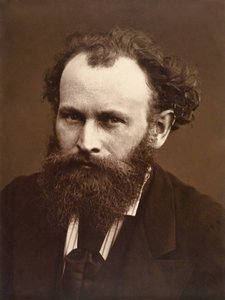
एडुआर्ड माने
1832 - 1883 , फ्रांस
मुख्य तथ्य
- Artistic Movement Or Style: यथार्थवाद, प्रभाववाद
- Artists Or Movements Influenced By This Artist:
- क्लाउड मोनेट
- पियरे-अगस्टे रेनॉयर
- एडगर देगास
- प्रभाववाद
- Artists Who Influenced This Artist:
- कारावागियो
- डिएगो वेलाज़क्वेज़
- गुस्ताव कोर्टबेट
- Date Of Birth: 23 जनवरी 1832
- Date Of Death: 1883
- Full Name: एडुआर्ड माने
- Nationality: फ्रांसीसी
- Notable Artworks:
- déjeuner sur l'herbe
- ओलंपिया
- A Bar at the Folies-Bergère
- Place Of Birth: पेरिस, फ्रांस
संबंधित लेख
एदोआर्ड माने: शीर्ष 25 कलाकृतियाँ - आधुनिक कला और गृह सजावट के लिए प्रेरणा
एदोआर्ड माने की शीर्ष 25 कलाकृतियों का अन्वेषण करें! आधुनिक कला, प्रभाववाद और फ्रेंच चित्रकला के प्रेरणादायक संसार में खो जाएं। उच्च गुणवत्ता वाले कला प्रिंट और गृह सजावट के लिए OriginalUniqueArt.com पर संग्रह देखें।
Romantic Realism's Finest: 10 Masterpieces for Your Home | OriginalUniqueArt
Explore 10 defining masterpieces of Romantic Realism! Discover Courbet, Millet & Daumier's powerful paintings—capturing emotion and social realities. Find museum-quality reproductions for your home at OriginalUniqueArt.com.

Impressionistic Realism's Finest: 10 Masterpieces for Your Home | OriginalUniqueArt
Journey through Impressionistic Realism with 10 iconic masterpieces by Monet, Renoir & Van Gogh. Explore art history, techniques & find museum-quality reproductions for your home at OriginalUniqueArt.com. Discover all masterpieces online!

Romantic Realism: The Masterful Fusion of Raw Emotion and Hyper-Realistic Detail for the Modern Collector
Discover the captivating world of Romantic Realism. Explore how master artists blend raw emotion with hyper-realistic detail to create timeless, museum-quality oil paintings perfect for sophisticated modern collectors and luxury home interiors.

The Evocative Embrace of Reality: Exploring Romantic Realism in 19th-Century Painting
Explore the captivating world of Romantic Realism! Discover key artists like Courbet & Millet, masterpieces, and the social context behind this influential art movement. Expert insights for collectors at OriginalUniqueArt.



