

 पूर्वावलोकन देखें
 भेजें
भेजें साझा करें
 विवरण देखें
 मार्गदर्शिका

 डाउनलोड करें
 समान वस्तुएं
 एक्स-रे
 स्लाइड शो देखें
 आंकड़े
Boy with the Sword
 कैनवस पर तेल रंग
- वॉल आर्ट
- Impressionistic Realism
 1862
1862 17.0 x 26.0 cm
 और पढ़ें
गिक्ली / आर्ट प्रिंट
तेज़ उत्पादन और विभिन्न फिनिश विकल्पों के साथ म्यूजियम-क्वालिटी गिकली (giclée) या कैनवस प्रिंट। ( हाथ से बनी पेंटिंग खरीदें डिजिटल इमेज पर जाएँ)




P118B ₹10

P118H ₹10

P118W ₹10

P438Z ₹10

P508JH ₹12

P508YH ₹12

P805H ₹10

P805Z ₹10

P919BZ ₹10

P919G ₹10

P919XJ ₹10

P959ZH ₹10

P968JZ ₹12

W106C ₹8

W218G ₹10

W218JH ₹8

W218Y ₹10

W307PJ ₹10

W316G ₹10

W316PJ ₹8

W316Y ₹10

W398PJ ₹8

W4111J ₹10

W500HY ₹15

W500JH ₹15

W692G ₹12

W849H ₹8

W940BG ₹15

W953PJ ₹8




कलाकृति के मूल अनुपात से मेल खाने वाले हमारे पूर्व निर्धारित आकारों में से चुनें।

आप किसी विशिष्ट फ्रेम या स्थान के अनुसार अपने स्वयं के आयाम (dimensions) दर्ज कर सकते हैं। यदि आपके द्वारा चुना गया आकार मूल छवि के अनुपात से मेल नहीं खाता है, तो हम कलाकृति को क्रॉप कर देंगे या मिरर किए गए या सॉलिड-फिल किनारे के साथ छवि का विस्तार करेंगे। उत्पादन शुरू होने से पहले आपकी स्वीकृति के लिए एक डिजिटल मॉकअप भेजा जाएगा।
कृपया ध्यान दें कि स्क्रीन पर दिखने वाला प्रीव्यू वास्तविक क्रॉपिंग या विस्तार को नहीं दर्शाता है। केवल मॉकअप ही अंतिम संरचना को सटीक रूप से दिखाएगा।
हालाँकि कस्टम आकार उपलब्ध हैं, फिर भी हम मूल अनुपात बनाए रखने के लिए पूर्व-निर्धारित सूची में से एक आयाम चुनने की सलाह देते हैं।
विश्वव्यापी डिलीवरी (), मानक 4/5 सप्ताह के बजाय मात्र 2 सप्ताह में। (11 अक्टूबर)

दुनिया भर में मुफ़्त एक्सप्रेस शिपिंग

प्रीमियम ग्रेड लिनेन कैनवास

पूर्ण शिपिंग बीमा

सीमा शुल्क और आयात कर वापसी की गारंटी

सटीक रंग मिलान की गारंटी

100 दिनों की वापसी नीति (केवल निर्माण दोष होने पर)

100% पैसे वापसी की गारंटी

थोक छूट का अवसर
 ग्लास का विकल्प केवल 110 सेमी से कम आकार में ही उपलब्ध है।

Boy with the Sword
गिक्ली / आर्ट प्रिंट
प्रतिकृति का आकार
-


कुल मूल्य
₹ 7646
The Boy with the Sword: A Study in Victorian Anxiety
Édouard Manet’s “Boy with the Sword,” painted in 1862, is far more than a charming depiction of a young boy playing with a weapon. It's a potent distillation of anxieties simmering beneath the surface of Victorian society – anxieties surrounding masculinity, violence, and the unsettling shift towards modernity. The painting, now housed within the Metropolitan Museum of Art, immediately confronts the viewer with a startling image: a small boy, dressed in a meticulously rendered page outfit, stands rigidly on one leg, holding a full-sized sword aloft. His expression is impassive, almost unnervingly so, and his posture suggests both power and vulnerability.
Manet’s choice of subject matter – a young boy armed with a weapon – was deliberately provocative for its time. While seemingly innocent, the image resonated with broader societal concerns about the militarization of youth and the increasing prevalence of violence in European culture. The sword itself is not merely a toy; it represents authority, protection, and ultimately, destruction. The meticulous detail with which Manet renders the boy’s costume – the intricate embroidery, the polished leather boots – underscores the idealized image of boyhood that Victorian society sought to cultivate, even as anxieties about its potential for aggression grew.
Realism and the Influence of Spanish Masters
“Boy with the Sword” exemplifies Manet's embrace of Realism, a movement that rejected the romanticized depictions favored by the established Salon. Unlike traditional portraiture which often idealized subjects, Manet presents a raw, unvarnished portrayal of childhood. He achieves this through his masterful use of light and shadow, reminiscent of Caravaggio and Velázquez – artists he deeply admired. Notice how the strong directional lighting emphasizes the boy’s form, creating a sense of solidity and presence. The loose brushstrokes contribute to an immediacy that feels remarkably contemporary.
The painting's composition is heavily influenced by Spanish masters, particularly Diego Velázquez, whose works Manet studied extensively. The pose of the boy, with his direct gaze and slightly awkward stance, echoes Velázquez’s depictions of young men engaged in everyday activities. The inclusion of a bird perched nearby – a detail often overlooked – further reinforces this connection to Spanish artistic traditions, adding an element of naturalism and observation.
Symbolism and Emotional Resonance
Beyond its technical brilliance, “Boy with the Sword” is rich in symbolic meaning. The sword itself can be interpreted as representing both protection and danger, innocence and corruption. The boy’s impassive expression suggests a detachment from emotion, perhaps reflecting a growing sense of alienation within modern society. The presence of the bird – often associated with freedom and spirituality – introduces an element of ambiguity, hinting at the potential for transcendence amidst the anxieties depicted.
Manet's deliberate choice to depict a young boy wielding such a powerful weapon forces us to confront uncomfortable questions about power, responsibility, and the potential for violence. “Boy with the Sword” remains a compelling and unsettling work of art – a testament to Manet’s genius and his ability to capture the complexities of the human condition. It is a painting that continues to provoke discussion and debate over 150 years after its creation.
प्रश्न और उत्तर
एडुआर्ड माने द्वारा "Boy with the Sword" किस वर्ष में बनाया गया था?
"Boy with the Sword" का निर्माण 1862 में हुआ था। यह तिथि इस कृति को एडुआर्ड माने के करियर और उस युग के संदर्भ में स्थापित करती है।
"Boy with the Sword" का निर्माण किसने और किस वर्ष में किया था?
"Boy with the Sword" के रचनाकार एडुआर्ड माने हैं, और यह कृति 1862 की है।
क्या एडुआर्ड माने द्वारा "Boy with the Sword" एक प्रसिद्ध कलाकृति है?
एडुआर्ड माने द्वारा "Boy with the Sword" का लोकप्रियता स्तर प्रतिष्ठित है। यह वर्गीकरण इस बात को दर्शाता है कि इस कृति को कितनी व्यापक पहचान प्राप्त है।
एडुआर्ड माने ने "Boy with the Sword" किस उम्र में बनाया था?
जब 1862 में "Boy with the Sword" का निर्माण किया गया था, तब 1832 में जन्मे एडुआर्ड माने की आयु 30 वर्ष थी।
एडुआर्ड माने द्वारा "Boy with the Sword" के प्रिंट के लिए किस आकार और ओरिएंटेशन (orientation) की सिफारिश की जाती है?
बड़ा आकार, पोर्ट्रेट ओरिएंटेशन: यह एडुआर्ड माने द्वारा "Boy with the Sword" के लिए सुझाई गई प्रिंट सेटिंग है।
उपहार के रूप में "Boy with the Sword" किसे देने का सुझाव दिया गया है, और इसका उपयोग किस लिए किया जा सकता है?
एडुआर्ड माने द्वारा "Boy with the Sword" के लिए उपहार की सिफारिश में शादी के साथ मुख्य आकर्षण का मेल है।
"Boy with the Sword" के पीछे के कलाकार कौन हैं?
"Boy with the Sword" का श्रेय एडुआर्ड माने को दिया जाता है।
कलाकार का परिचय
एडुआर्ड माने: आधुनिक कला के एक पथप्रदर्शक
एडुआर्ड माने, जिनका जन्म 1832 में पेरिस में हुआ था, एक ऐसे परिवार से थे जो समाज में सम्मानित था। उनके पिता एक न्यायाधीश थे और उन्होंने बेटे को कानून या नौसेना में करियर बनाने की उम्मीद की थी। लेकिन एडुआर्ड का दिल कला में रमा हुआ था। बचपन से ही चित्रकला के प्रति उनका रुझान था, और ग्यारह साल की उम्र से ही उन्होंने औपचारिक रूप से ड्राइंग सीखना शुरू कर दिया। थॉमस कूटूर के अधीन कुछ समय तक प्रशिक्षण लिया, लेकिन जल्द ही उन्हें पता चल गया कि उनकी रचनात्मकता उन कठोर तरीकों से बाधित हो रही है। यह प्रारंभिक प्रतिरोध उनके जीवन भर कलात्मक परंपराओं को चुनौती देने का संकेत था। माने ऐतिहासिक या पौराणिक विषयों में बंधे रहने के बजाय आधुनिक पेरिस की जीवंतता और कभी-कभी उसकी परेशान करने वाली वास्तविकताओं को कैद करना चाहते थे। उन्होंने लूव्र का दौरा किया, न केवल पुराने मास्टर्स की नकल करने के लिए, बल्कि उनकी तकनीकों को समझने के लिए भी, यह जानने के लिए कि कैसे कारावागियो और वेलाज़quez जैसे कलाकारों ने प्रकाश और छाया का उपयोग करके रूप को तराशा और भावनाओं को जगाया। गुस्ताव कोर्टबेट द्वारा championed यथार्थवाद के उदय ने माने के रचनात्मक मार्ग को प्रज्वलित किया। कोर्टबेट की रोजमर्रा की जिंदगी को आदर्श बनाने के बिना चित्रित करने की आग्रह से माने मुक्त हुए, जिससे उन्हें ऐतिहासिक या पौराणिक विषयों की सीमाओं से मुक्ति मिली।विद्रोह और नवाचार: परंपरा का टूटना
1860 के दशक पेरिस में तीव्र कलात्मक उथल-पुथल का दौर था, और माने खुद इसके केंद्र में थे। जापान से आए *उकियो-ए* प्रिंट ने उनके सौंदर्यशास्त्र को गहराई से प्रभावित किया। वे उनकी सपाट परिप्रेक्ष्य, बोल्ड रचनाओं और हड़ताली रंग के उपयोग से मोहित हो गए, जो जल्द ही उनकी अपनी शैली की पहचान बन गए। यह प्रभाव, अकादमिक परिशुद्धता के प्रति बढ़ती अस्वीकृति के साथ मिलकर, ऐसी कृतियों को जन्म दिया जिसने पेरिस की कला जगत को चौंका दिया और आक्रोशित कर दिया। ले डेजने सुर ल’हर्ब (घास पर दोपहर का भोजन), 1863 में सैलून दे रिफ्यूज में प्रदर्शित किया गया – आधिकारिक सैलून द्वारा अस्वीकृत कार्यों के लिए एक प्रदर्शनी – विवाद का केंद्र बन गया। इस चित्र में नग्न महिला को दो पूरी तरह से कपड़े पहने पुरुषों के साथ पिकनिक मनाते हुए दिखाया गया था, जो केवल नग्नता के बारे में ही नहीं था; यह उस तरीके के बारे में था जिससे नग्नता प्रस्तुत की गई थी। माने के आंकड़ों में पारंपरिक नग्न चित्रों के आदर्शित रूप और पौराणिक संदर्भ का अभाव था। वे निस्संदेह आधुनिक थे, दर्शकों को एक परेशान करने वाली प्रत्यक्षता से सामना करा रहे थे। ले डेजने के आसपास का विवाद उनकी 1865 की उत्कृष्ट कृति, ओलंपिया के साथ और बढ़ गया। इस चित्र में टिटियन के *वेनस ऑफ अर्बिनो* का एक जानबूझकर पुनर्निर्माण किया गया था, जिसमें एक समकालीन वेश्या दर्शक को सीधे देखती हुई दिखाई गई थी। अचल यथार्थवाद और उत्तेजक विषय वस्तु व्यापक निंदा का सामना कर रही थी। आलोचकों ने माने पर अश्लीलता और कलात्मक अक्षमता का आरोप लगाया, लेकिन आक्रोश के नीचे यह पहचान थी कि वह चित्रकला की भाषा को मौलिक रूप से बदल रहे थे।प्रभावशाली रंग और आधुनिक जीवन: प्रभाववाद की ओर एक पुल
हालांकि माने ने कभी खुद को पूरी तरह से "प्रभाववादी" कहने से इनकार कर दिया, उनका प्रभाव आंदोलन पर निर्विवाद था। उन्होंने अकादमिक परंपराओं के प्रति अस्वीकृति और प्रकाश और वायुमंडल के क्षणिक प्रभावों को कैद करने की प्रतिबद्धता को साझा किया। उन्होंने मोनेट, रेनॉयर, डेगास और अन्य के साथ स्वतंत्र प्रदर्शनियों में प्रदर्शित होकर अग्रभाग में अपनी स्थिति को मजबूत किया। माने की तकनीक एक ढीले ब्रशस्ट्रोक की ओर विकसित हुई, सटीक विवरणों पर सटीक रूप से ध्यान केंद्रित करने के बजाय रूप का प्रभाव प्राथमिकता दिया गया। उन्होंने रंग के साथ प्रयोग किया, अक्सर नाटकीय प्रभाव पैदा करने के लिए कठोर विरोधाभासों का उपयोग किया। उत्तेजक नग्न चित्रों के अलावा, माने ने विषयों की एक विस्तृत श्रृंखला का पता लगाया: पोर्ट्रेट - अपनी पत्नी सुज़ैन और साथी कलाकार एमिल ज़ोला के शानदार चित्रण सहित; पेरिस की नाइटलाइफ़ के दृश्य, जैसे ए बार एट द फोलीस-बर्गरे, जो आधुनिक शहरी जीवन की अलगाव और तमाशे को कुशलता से कैद करता है; और अंतरंग घरेलू दृश्य। वे इन विषयों का मात्र दस्तावेजीकरण नहीं कर रहे थे; वे उनसे सवाल पूछ रहे थे, सामाजिक मानदंडों को चुनौती दे रहे थे और सौंदर्य के पारंपरिक विचारों पर सवाल उठा रहे थे।विरासत और स्थायी प्रभाव
एडुआर्ड माने की समय से पहले मृत्यु, 1883 में सिफलिस से, एक ऐसे करियर को छोटा कर दिया जिसने पहले ही कला के इतिहास के पाठ्यक्रम को अपरिवर्तनीय रूप से बदल दिया था। उनकी प्रतिष्ठा उनकी मृत्यु के बाद काफी बढ़ी, लेकिन उनका प्रभाव युवा कलाकारों द्वारा तुरंत महसूस किया गया जिन्होंने उन्हें एक मुक्तिदाता के रूप में पहचाना। उन्होंने पारंपरिक विषय वस्तु, तकनीक और कलात्मक उद्देश्य की धारणाओं को तोड़कर बाधाओं को तोड़ दिया।- प्रभाववाद और उत्तर-प्रभाववाद के लिए आधुनिक जीवन को कैद करने पर उनका जोर मार्ग प्रशस्त करता है।
- उनके अभिनव ब्रशवर्क और रंग ने पीढ़ियों के चित्रकारों को प्रभावित किया।
- समाज की असहज सच्चाइयों का सामना करने की उनकी इच्छा ने दर्शकों को अपनी मान्यताओं पर सवाल उठाने के लिए मजबूर कर दिया।
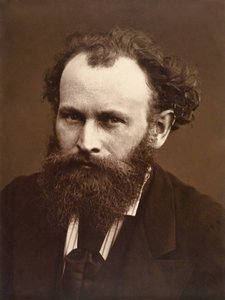
एडुआर्ड माने
1832 - 1883 , फ्रांस
संक्षिप्त जानकारी
- Artistic Movement Or Style: यथार्थवाद, प्रभाववाद
- Artists Or Movements Influenced By This Artist:
- क्लाउड मोनेट
- पियरे-अगस्टे रेनॉयर
- एडगर देगास
- प्रभाववाद
- Artists Who Influenced This Artist:
- कारावागियो
- डिएगो वेलाज़क्वेज़
- गुस्ताव कोर्टबेट
- Date Of Birth: 23 जनवरी 1832
- Date Of Death: 1883
- Full Name: एडुआर्ड माने
- Nationality: फ्रांसीसी
- Notable Artworks:
- déjeuner sur l'herbe
- ओलंपिया
- A Bar at the Folies-Bergère
- Place Of Birth: पेरिस, फ्रांस
संबंधित लेखों की सूची

Giclée Prints: Archival Quality & Aesthetic Nuances for the Discerning Collector
Explore the world of giclée prints with OriginalUniqueArt. Learn about archival quality, aesthetic nuances & investment potential. Expert guidance for discerning art collectors seeking museum-quality reproductions and lasting value.

Impressionistic Realism's Finest: 10 Masterpieces for Your Home | OriginalUniqueArt
Journey through Impressionistic Realism with 10 iconic masterpieces by Monet, Renoir & Van Gogh. Explore art history, techniques & find museum-quality reproductions for your home at OriginalUniqueArt.com. Discover all masterpieces online!

19th Century Masterpieces: 10 Paintings That Defined an Era | OriginalUniqueArt
Journey through 19th century art with OriginalUniqueArt! Explore 10 iconic paintings – from Monet & Renoir to Courbet – and discover the stories behind Romanticism, Realism & Impressionism. Find museum-quality reproductions for your home decor. Explore the full collection online!

Romantic Realism's Finest: 10 Masterpieces for Your Home | OriginalUniqueArt
Explore 10 defining masterpieces of Romantic Realism! Discover Courbet, Millet & Daumier's powerful paintings—capturing emotion and social realities. Find museum-quality reproductions for your home at OriginalUniqueArt.com.
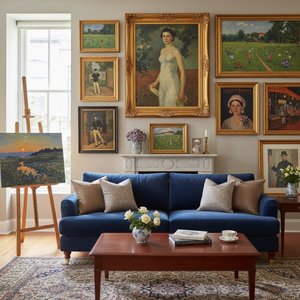
एदोआर्ड माने: शीर्ष 25 कलाकृतियाँ - आधुनिक कला और गृह सजावट के लिए प्रेरणा
एदोआर्ड माने की शीर्ष 25 कलाकृतियों का अन्वेषण करें! आधुनिक कला, प्रभाववाद और फ्रेंच चित्रकला के प्रेरणादायक संसार में खो जाएं। उच्च गुणवत्ता वाले कला प्रिंट और गृह सजावट के लिए OriginalUniqueArt.com पर संग्रह देखें।


