

 पूर्वावलोकन देखें
 साझा करें
 साझा करें
 विस्तृत विवरण

 डाउनलोड करें
 समान कलाकृतियाँ
 एक्स-रे
 स्लाइड शो देखें
Prophet Jeremiah (detail)


 पूरा देखें
गिक्ली / आर्ट प्रिंट
तेज़ उत्पादन और विभिन्न फिनिश विकल्पों के साथ म्यूजियम-क्वालिटी गिकली (giclée) या कैनवस प्रिंट। ( हाथ से बनी पेंटिंग खरीदें छवि खरीदें)




P118B $10

P118H $10

P118W $10

P438Z $10

P508JH $12

P508YH $12

P805H $10

P805Z $10

P919BZ $10

P919G $10

P919XJ $10

P959ZH $10

P968JZ $12

W106C $8

W218G $10

W218JH $8

W218Y $10

W307PJ $10

W316G $10

W316PJ $8

W316Y $10

W398PJ $8

W4111J $10

W500HY $15

W500JH $15

W692G $12

W849H $8

W940BG $15

W953PJ $8




कलाकृति के मूल अनुपात से मेल खाने वाले हमारे पूर्व निर्धारित आकारों में से चुनें।

आप किसी विशिष्ट फ्रेम या स्थान के अनुसार अपने स्वयं के आयाम (dimensions) दर्ज कर सकते हैं। यदि आपके द्वारा चुना गया आकार मूल छवि के अनुपात से मेल नहीं खाता है, तो हम कलाकृति को क्रॉप कर देंगे या मिरर किए गए या सॉलिड-फिल किनारे के साथ छवि का विस्तार करेंगे। उत्पादन शुरू होने से पहले आपकी स्वीकृति के लिए एक डिजिटल मॉकअप भेजा जाएगा।
कृपया ध्यान दें कि स्क्रीन पर दिखने वाला प्रीव्यू वास्तविक क्रॉपिंग या विस्तार को नहीं दर्शाता है। केवल मॉकअप ही अंतिम संरचना को सटीक रूप से दिखाएगा।
हालाँकि कस्टम आकार उपलब्ध हैं, फिर भी हम मूल अनुपात बनाए रखने के लिए पूर्व-निर्धारित सूची में से एक आयाम चुनने की सलाह देते हैं।
विश्वव्यापी डिलीवरी (), मानक 4/5 सप्ताह के बजाय मात्र 2 सप्ताह में। (22 अगस्त)

दुनिया भर में मुफ़्त एक्सप्रेस शिपिंग

उच्च गुणवत्ता वाला लिनेन कैनवास

पूर्ण शिपिंग बीमा

सीमा शुल्क और आयात कर वापसी की गारंटी

सटीक रंग मिलान की गारंटी

60-दिन की वापसी नीति (केवल दोषों के लिए)

100% पैसे वापसी की गारंटी

थोक छूट का लाभ
 ग्लास का विकल्प केवल 110 सेमी से कम आकार में ही उपलब्ध है।

Prophet Jeremiah (detail)
गिक्ली / आर्ट प्रिंट
प्रतिकृति का आकार
-


कुल देय राशि
$ 80
संग्रहणीय वस्तु का विवरण
A Soul in Stone: Donatello’s Prophet Jeremiah
Donatello's “Prophet Jeremiah (detail),” a poignant study carved from pristine white marble around 1423-1427, transcends mere portraiture to become a profound meditation on faith, suffering, and the weight of divine prophecy. This intimate fragment, originally conceived for the north side of Giotto’s bell tower in Florence, captures a pivotal moment within the biblical narrative – Jeremiah's lamentation over the impending destruction of Jerusalem, a vision he relentlessly conveyed despite facing scorn and rejection from his people. The sculpture isn’t simply depicting a man; it embodies an entire emotional landscape, radiating a palpable sense of sorrow and quiet dignity.
The work is firmly rooted in the burgeoning Early Renaissance style that Donatello pioneered. Rejecting the overly ornate conventions of the International Gothic tradition, he embraced classical ideals of humanism and naturalism, yet infused them with an intensely personal expression. Notice how the figure’s posture – a subtle lean back, a downward gaze – immediately conveys vulnerability and introspection. This isn't a heroic depiction of a prophet; it is Jeremiah as a man grappling with his burden, a testament to Donatello’s ability to imbue stone with profound psychological depth. The musculature, subtly rendered beneath the flowing drapery, speaks to an underlying strength, a resilience forged in the face of overwhelming adversity.
The Language of Marble: Technique and Material
Donatello's mastery of marble is immediately evident. The surface possesses a remarkable smoothness, achieved through meticulous polishing – a technique that reflects both his skill and the quality of the stone itself. The folds of the garment are sculpted with astonishing precision, creating an illusion of movement and texture. Observe how light plays across the figure’s face, highlighting the wrinkles around his eyes and mouth, not as signs of age but as emblems of experience and sorrow. The use of *contrapposto*, a classical technique where the weight is shifted to one leg, creates a dynamic balance within the sculpture, lending it a sense of life and vitality despite its stillness.
Crucially, Donatello’s choice of white marble was deliberate. The purity of the material serves as a visual metaphor for Jeremiah's message – a stark contrast against the corruption and impending doom he foretold. The reflective surface also invites contemplation, encouraging viewers to engage with the sculpture on an emotional level. It is a material that speaks of both fragility and enduring strength, mirroring the themes explored within the artwork.
Symbolism and Context: A Prophet’s Lament
Jeremiah's prophecy was notoriously difficult to deliver; he warned of divine judgment against a people who refused to heed his warnings. The sculpture captures this tension perfectly. The prophet’s hand, clasped tightly over his thigh, suggests both despair and determination – a refusal to relinquish hope despite the bleakness of his situation. His downcast eyes are not simply indicative of sadness but also of a profound understanding of God's will. The cartouche held by his left hand, bearing his name, is a subtle reminder of his identity and role as a messenger of divine truth.
The sculpture’s original placement on Giotto’s bell tower underscored its significance. As one of the first freestanding nude male sculptures since antiquity, it represented a bold departure from medieval artistic conventions. It was a statement about humanity's capacity for both suffering and resilience – qualities that resonated deeply with the humanist ideals of the Renaissance. The subsequent relocation to the Cathedral’s façade further cemented its place as a powerful symbol of faith and judgment.
A Timeless Echo: Emotional Resonance
“Prophet Jeremiah (detail)” continues to resonate with viewers centuries after its creation. Its raw emotional honesty, coupled with Donatello's masterful technical skill, creates an experience that is both deeply moving and intellectually stimulating. The sculpture invites us to contemplate the nature of faith, the burden of responsibility, and the enduring power of human compassion. It’s a work that transcends its historical context, offering a timeless reflection on the complexities of the human condition – a testament to Donatello's genius and his profound understanding of the human spirit.
कलाकार का जीवन परिचय
प्रारंभिक जीवन और करियर
डोनाटो डी निकोलो डी बेट्टो बर्डी, जिन्हें दुनिया 'डोनेटेलो' के नाम से जानती है, का जन्म लगभग 1386 में इटली के फ्लोरेंस में हुआ था। उन्होंने शास्त्रीय मूर्तिकला का गहन अध्ययन किया, जिसने प्रारंभिक पुनर्जागरण (Early Renaissance) शैली के विकास में एक निर्णायक भूमिका निभाई। कला और संस्कृति के प्रति उनका यह नया दृष्टिकोण कालांतर में फ्लोरेंटाइन पुनर्जागरण की पहचान बन गया।प्रमुख कृतियाँ और नवाचार
डोनेटेलो की सबसे प्रसिद्ध कृति, 'डेविड', प्राचीन काल के बाद पहली स्वतंत्र रूप से खड़ी नग्न पुरुष मूर्ति थी। मेडिची परिवार द्वारा कमीशन की गई इस कलाकृति ने उनकी नवीन शैली और तकनीकी विशेषज्ञता का अद्भुत प्रदर्शन किया। उनकी अन्य उल्लेखनीय कृतियों में शामिल हैं:- सेंट लुइस ऑफ टूलूज़ (जो अब बेसिलिका दी सांता क्रोस के संग्रहालय में है), जिसमें डोनेटेलो द्वारा डिजाइन किया गया एक शास्त्रीय फ्रेम शामिल था।
- द सैक्रिफाइस ऑफ आइज़ैक, जिसे फ्लोरेंस के सांता मारिया डेल फियोरे के कैंपनाइल के लिए बनाया गया था, जो अपने सशक्त पोर्ट्रेट विवरणों के लिए जाना जाता है।
- सांता क्रोस के लिए निर्मित 'क्रूसिफिक्स' (1425), जिसमें ईसा मसीह को अत्यंत पीड़ा के क्षण में चित्रित किया गया है।
कलात्मक शैली और विरासत
डोनेटेलो की शैली को विभिन्न चरणों में विभाजित किया जा सकता है, जिसकी शुरुआत अभिव्यक्तिवाद और शास्त्रीय भव्यता के विकास से हुई थी। हालाँकि समाज ने उनकी कला को तुरंत स्वीकार नहीं किया, लेकिन अंततः उनका कार्य अत्यंत लोकप्रिय हुआ और इसने अन्य इतालवी दरबारों तथा यूरोपीय कलाकारों को गहराई से प्रभावित किया। प्रमुख कला आंदोलन:व्यक्तिगत जीवन और कार्यशैली
डोनेटेलो अपने मिलनसार और प्रिय स्वभाव के लिए जाने जाते थे, लेकिन अपने करियर के व्यावसायिक पक्ष में वे थोड़े कमजोर थे। वे अक्सर अपनी क्षमता से अधिक काम स्वीकार कर लेते थे, जिसके कारण कई बार कार्यों को पूरा करने में देरी होती थी या उन्हें अन्य मूर्तिकारों को सौंपना पड़ता था। उल्लेखनीय कलाकृतियाँ और कलाकार:- लियोनार्डो दा विंची: अन्नुन्सिएशन (विवरण)
- अमिको एस्पर्टिनी: स्टैचू ऑफ पैन/शेर जो घोड़े को काट रहा है
- माइकल एंजेलो बुओनारोती: टोंडो पिट
संग्रहालय और कला संग्रह:
- मुसेओ डेला कोलेगियाटा (एम्पोली, इटली): पुनर्जागरण का एक छिपा हुआ रत्न, जिसमें फ्रांसेस्को बोटिसिनी और राफेल बोटिसिनी की कृतियाँ प्रदर्शित हैं।
- प्रारंभिक इतालवी पुनर्जागरण कला आंदोलन

डोनाटेलो
1386 - 1466 , इटली
मुख्य तथ्य
- Artistic Movement Or Style: प्रारंभिक पुनर्जागरण (Early Renaissance)
- Artists Or Movements Influenced By This Artist:
- इतालवी पुनर्जागरण
- प्रारंभिक पुनर्जागरण
- फ्लोरेंटाइन पुनर्जागरण
- Artists Who Influenced This Artist: ['शास्त्रीय मूर्तिकला']
- Date Of Birth: लगभग 1386
- Date Of Death: 1466
- Full Name: डोनाटेलो दी निकोलो
- Nationality: इतालवी
- Notable Artworks:
- डेविड
- सेंट लुइस ऑफ टूलूज़
- आइजैक का बलिदान
- क्रूसिफिक्स
- Place Of Birth: फ्लोरेंस, इटली
संबंधित लेख

The Enduring Allure of Marble in Art History: From Classical Sculpture to Modern Abstraction
Explore the captivating history of marble sculpture from ancient Greece to modern art. Discover renowned artists like Canova & Michelangelo, carving techniques, and investment insights at OriginalUniqueArt.

Bronze Sculptures That Defined Art History | OriginalUniqueArt
Journey through art history with our Top 10 bronze sculptures! Explore masterpieces by Rodin, Michelangelo & more. Discover stories behind iconic statues and find museum-quality reproductions for your home decor at OriginalUniqueArt.com.

The Enduring Form: Exploring Themes & Techniques in Sculpture Across Historical Periods
Explore the rich history of sculpture from ancient masterpieces to contemporary innovations. Discover key techniques, influential artists & investment potential for discerning art collectors.

Bronze Age to Modern Masters: 10 Sculptures That Redefined Art | OriginalUniqueArt
Journey through art history with 10 legendary bronze sculptures – from Michelangelo's David to Rodin’s Thinker. Explore the stories, techniques & timeless beauty of these masterpieces. Find museum-quality reproductions & elevate your home decor on OriginalUniqueArt.com.
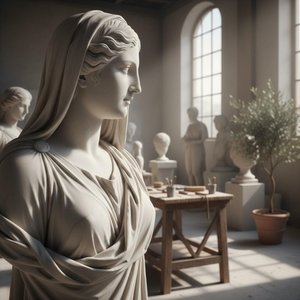
Timeless Elegance: A Complete Guide to the Sublime Beauty and Artistry of Marble Sculpture
Discover the sublime beauty of marble art through an expert exploration of Renaissance and Neoclassical masterpieces. From the delicate textures of Carpeaux to the grandeur of Sansovino, immerse yourself in a guide to timeless elegance and sculptural perfection.

