

 पूर्वावलोकन देखें
 भेजें
भेजें साझा करें
 विवरण देखें
 मार्गदर्शिका

 डाउनलोड करें
 समान वस्तुएं
 एक्स-रे
 स्लाइड शो देखें
 आंकड़े
Cantoria (9)
 Acrylic On Canvas
- WallArt
- Early Renaissance
 1439
1439 348.0 x 570.0 cm
 Museo dell'Opera del Duomo
 और पढ़ें
गिक्ली / आर्ट प्रिंट
तेज़ उत्पादन और विभिन्न फिनिश विकल्पों के साथ म्यूजियम-क्वालिटी गिकली (giclée) या कैनवस प्रिंट। ( हाथ से बनी पेंटिंग खरीदें डिजिटल इमेज पर जाएँ)




P118B ₹10

P118H ₹10

P118W ₹10

P438Z ₹10

P508JH ₹12

P508YH ₹12

P805H ₹10

P805Z ₹10

P919BZ ₹10

P919G ₹10

P919XJ ₹10

P959ZH ₹10

P968JZ ₹12

W106C ₹8

W218G ₹10

W218JH ₹8

W218Y ₹10

W307PJ ₹10

W316G ₹10

W316PJ ₹8

W316Y ₹10

W398PJ ₹8

W4111J ₹10

W500HY ₹15

W500JH ₹15

W692G ₹12

W849H ₹8

W940BG ₹15

W953PJ ₹8




कलाकृति के मूल अनुपात से मेल खाने वाले हमारे पूर्व निर्धारित आकारों में से चुनें।

अपने फ्रेम या अपनी दीवार के अनुसार आवश्यक चौड़ाई और ऊंचाई दर्ज करें। प्रिंट को केवल काटा जा सकता है, चित्र से बड़ा कभी नहीं बनाया जा सकता, इसलिए अलग आकार का साइज चित्र का एक हिस्सा खो देता है। किसी भी चीज़ को प्रिंट करने से पहले हम आपकी स्वीकृति के लिए आपको एक डिजिटल मॉकअप भेजते हैं। इस पृष्ठ पर दिखाया गया चित्र वास्तविक कटिंग नहीं दिखाता है — केवल मॉकअप ही इसे दर्शाता है।
विश्वव्यापी डिलीवरी (), मानक 4/5 सप्ताह के बजाय मात्र 2 सप्ताह में। (23 अक्टूबर)

दुनिया भर में मुफ़्त एक्सप्रेस शिपिंग

प्रीमियम ग्रेड लिनेन कैनवास

पूर्ण शिपिंग बीमा

सीमा शुल्क और आयात कर वापसी की गारंटी

सटीक रंग मिलान की गारंटी

100 दिनों की वापसी नीति (केवल निर्माण दोष होने पर)

100% पैसे वापसी की गारंटी

थोक छूट का अवसर
 ग्लास का विकल्प केवल 110 सेमी से कम आकार में ही उपलब्ध है।

Cantoria (9)
गिक्ली / आर्ट प्रिंट
प्रतिकृति का आकार
-


कुल मूल्य
₹ 7665
The Echoes of Florence: Donatello’s Cantoria
Donatello's "Cantoria," completed in 1439 for the Duomo of Florence, isn’t merely a decorative element; it’s a vibrant embodiment of Renaissance ideals – a testament to human ingenuity, divine harmony, and the burgeoning spirit of artistic innovation. Originally intended as a housing for the cathedral’s organ, the Cantoria quickly transcended its functional purpose, becoming an iconic sculpture that captures the essence of Florentine life in the mid-15th century. The piece is a masterful display of relief carving, executed with astonishing detail and imbued with a palpable sense of movement and drama. It's a window into a world where music, faith, and human form converged in breathtaking splendor.
The sculpture depicts a throng of dancing angels, each rendered with exquisite individuality. They aren’t static figures; they are caught mid-gesture, their limbs flowing with an almost impossible grace. Donatello masterfully employed the technique of *schiacciato*, or “flattened relief,” pushing the sculpted forms slightly into the background, creating a remarkable illusion of depth and volume. This technique, pioneered by Donatello himself, allowed him to capture the dynamism of movement within a relatively shallow space – a revolutionary approach at the time. The figures are not idealized; they possess a tangible humanity, their faces expressing a range of emotions—joy, contemplation, and even a hint of mischievous delight. The sheer number of angels, numbering over 30, speaks to the ambition of the project and Donatello’s desire to celebrate the glory of God through artistic expression.
A Symphony of Materials and Technique
Donatello's choice of materials further elevates the Cantoria’s impact. The sculpture is carved from white marble, a material prized for its purity and luminosity. The intricate details are achieved through a combination of hand-tooling and precise chiseling, revealing the sculptor’s incredible skill and patience. However, Donatello didn't rely solely on stone; he incorporated gilded mosaics into the background, adding splashes of vibrant color that further enhance the sense of spectacle and divine splendor. The gold leaf reflects light beautifully, creating a shimmering effect that draws the eye and adds to the overall richness of the composition. The use of mosaic was particularly significant, reflecting the Florentine tradition of lavish decoration in religious spaces.
Beyond the technical mastery, "Cantoria" showcases Donatello’s innovative approach to depicting human movement. He studied classical sculpture extensively, but he wasn't simply replicating ancient forms; he was adapting them to his own artistic vision. The angels are not posed stiffly like their Greek counterparts; they are caught in moments of exuberant dance, conveying a sense of joyous energy and vitality. This departure from rigid formality reflects the Renaissance emphasis on humanism – a belief that humans were capable of achieving greatness and expressing themselves through art.
Symbolism and Context
The Cantoria is deeply rooted in Florentine religious and cultural context. The choice of angels as the subject matter underscores the importance of music and song in the celebration of God’s glory. In medieval times, choirs often sang hymns during Mass, and the Cantoria was intended to provide a visually stunning backdrop for this sacred activity. The sculpture also reflects the humanist ideals that were gaining prominence during the Renaissance – a renewed interest in classical art and philosophy. Donatello's depiction of the angels is informed by both classical mythology and Christian theology, creating a harmonious blend of ancient and modern influences.
Furthermore, the Cantoria’s placement within the Duomo—the largest cathedral in Florence—signified its importance. The sculpture served as a visual representation of the city's commitment to art and culture, demonstrating its wealth and influence. It was a bold statement that Florence was at the forefront of artistic innovation during the Renaissance.
A Legacy of Innovation
“Cantoria” remains one of Donatello’s most celebrated works, admired for its technical brilliance, expressive power, and profound symbolism. It represents a pivotal moment in the history of Western art – a transition from the Gothic style to the Early Renaissance, marked by a renewed interest in classical ideals and a celebration of human potential. The sculpture's influence can be seen in countless subsequent works of art, demonstrating Donatello’s enduring legacy as one of the greatest sculptors of all time. Reproductions of this magnificent piece offer a tangible connection to this extraordinary period of artistic achievement, allowing us to experience the beauty and power of Renaissance Florence.
प्रश्न और उत्तर
मैं डोनाटेलो द्वारा "Cantoria (9)" की छवि कैसे डाउनलोड कर सकता हूँ?
डोनाटेलो द्वारा "Cantoria (9)" को कलाकृति के डाउनलोड करें पेज से एक उच्च-रिज़ॉल्यूशन वाली डिजिटल इमेज डाउनलोड के रूप में डाउनलोड किया जा सकता है।
"Cantoria (9)" का निर्माण किसने और किस वर्ष में किया था?
"Cantoria (9)" का निर्माण डोनाटेलो द्वारा 1439 में किया गया था।
डोनाटेलो द्वारा "Cantoria (9)" के लिए किस स्थान का सुझाव दिया गया है?
डोनाटेलो द्वारा "Cantoria (9)" के लिए अनुशंसित स्थान एक Living Room है। बेशक, इस सुझाव को आपके इंटीरियर के अनुसार बदला जा सकता है।
कलाकार का परिचय
प्रारंभिक जीवन और करियर
डोनाटो डी निकोलो डी बेट्टो बर्डी, जिन्हें दुनिया 'डोनेटेलो' के नाम से जानती है, का जन्म लगभग 1386 में इटली के फ्लोरेंस में हुआ था। उन्होंने शास्त्रीय मूर्तिकला का गहन अध्ययन किया, जिसने प्रारंभिक पुनर्जागरण (Early Renaissance) शैली के विकास में एक निर्णायक भूमिका निभाई। कला और संस्कृति के प्रति उनका यह नया दृष्टिकोण कालांतर में फ्लोरेंटाइन पुनर्जागरण की पहचान बन गया।प्रमुख कृतियाँ और नवाचार
डोनेटेलो की सबसे प्रसिद्ध कृति, 'डेविड', प्राचीन काल के बाद पहली स्वतंत्र रूप से खड़ी नग्न पुरुष मूर्ति थी। मेडिची परिवार द्वारा कमीशन की गई इस कलाकृति ने उनकी नवीन शैली और तकनीकी विशेषज्ञता का अद्भुत प्रदर्शन किया। उनकी अन्य उल्लेखनीय कृतियों में शामिल हैं:- सेंट लुइस ऑफ टूलूज़ (जो अब बेसिलिका दी सांता क्रोस के संग्रहालय में है), जिसमें डोनेटेलो द्वारा डिजाइन किया गया एक शास्त्रीय फ्रेम शामिल था।
- द सैक्रिफाइस ऑफ आइज़ैक, जिसे फ्लोरेंस के सांता मारिया डेल फियोरे के कैंपनाइल के लिए बनाया गया था, जो अपने सशक्त पोर्ट्रेट विवरणों के लिए जाना जाता है।
- सांता क्रोस के लिए निर्मित 'क्रूसिफिक्स' (1425), जिसमें ईसा मसीह को अत्यंत पीड़ा के क्षण में चित्रित किया गया है।
कलात्मक शैली और विरासत
डोनेटेलो की शैली को विभिन्न चरणों में विभाजित किया जा सकता है, जिसकी शुरुआत अभिव्यक्तिवाद और शास्त्रीय भव्यता के विकास से हुई थी। हालाँकि समाज ने उनकी कला को तुरंत स्वीकार नहीं किया, लेकिन अंततः उनका कार्य अत्यंत लोकप्रिय हुआ और इसने अन्य इतालवी दरबारों तथा यूरोपीय कलाकारों को गहराई से प्रभावित किया। प्रमुख कला आंदोलन:व्यक्तिगत जीवन और कार्यशैली
डोनेटेलो अपने मिलनसार और प्रिय स्वभाव के लिए जाने जाते थे, लेकिन अपने करियर के व्यावसायिक पक्ष में वे थोड़े कमजोर थे। वे अक्सर अपनी क्षमता से अधिक काम स्वीकार कर लेते थे, जिसके कारण कई बार कार्यों को पूरा करने में देरी होती थी या उन्हें अन्य मूर्तिकारों को सौंपना पड़ता था। उल्लेखनीय कलाकृतियाँ और कलाकार:- लियोनार्डो दा विंची: अन्नुन्सिएशन (विवरण)
- अमिको एस्पर्टिनी: स्टैचू ऑफ पैन/शेर जो घोड़े को काट रहा है
- माइकल एंजेलो बुओनारोती: टोंडो पिट
संग्रहालय और कला संग्रह:
- मुसेओ डेला कोलेगियाटा (एम्पोली, इटली): पुनर्जागरण का एक छिपा हुआ रत्न, जिसमें फ्रांसेस्को बोटिसिनी और राफेल बोटिसिनी की कृतियाँ प्रदर्शित हैं।
- प्रारंभिक इतालवी पुनर्जागरण कला आंदोलन

डोनाटेलो
1386 - 1466 , इटली
संक्षिप्त जानकारी
- Artistic Movement Or Style: प्रारंभिक पुनर्जागरण (Early Renaissance)
- Artists Or Movements Influenced By This Artist:
- इतालवी पुनर्जागरण
- प्रारंभिक पुनर्जागरण
- फ्लोरेंटाइन पुनर्जागरण
- Artists Who Influenced This Artist: ['शास्त्रीय मूर्तिकला']
- Date Of Birth: लगभग 1386
- Date Of Death: 1466
- Full Name: डोनाटेलो दी निकोलो
- Nationality: इतालवी
- Notable Artworks:
- डेविड
- सेंट लुइस ऑफ टूलूज़
- आइजैक का बलिदान
- क्रूसिफिक्स
- Place Of Birth: फ्लोरेंस, इटली
संबंधित लेखों की सूची

Bronze Age to Modern Masters: 10 Sculptures That Redefined Art | OriginalUniqueArt
Journey through art history with 10 legendary bronze sculptures – from Michelangelo's David to Rodin’s Thinker. Explore the stories, techniques & timeless beauty of these masterpieces. Find museum-quality reproductions & elevate your home decor on OriginalUniqueArt.com.

The Enduring Form: Exploring Themes & Techniques in Sculpture Across Historical Periods
Explore the rich history of sculpture from ancient masterpieces to contemporary innovations. Discover key techniques, influential artists & investment potential for discerning art collectors.
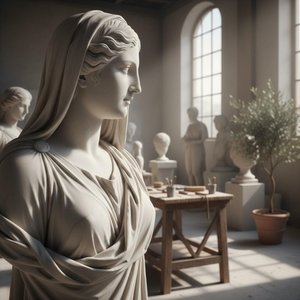
Timeless Elegance: A Complete Guide to the Sublime Beauty and Artistry of Marble Sculpture
Discover the sublime beauty of marble art through an expert exploration of Renaissance and Neoclassical masterpieces. From the delicate textures of Carpeaux to the grandeur of Sansovino, immerse yourself in a guide to timeless elegance and sculptural perfection.

The Enduring Allure of Marble in Art History: From Classical Sculpture to Modern Abstraction
Explore the captivating history of marble sculpture from ancient Greece to modern art. Discover renowned artists like Canova & Michelangelo, carving techniques, and investment insights at OriginalUniqueArt.

Bronze Sculptures That Defined Art History | OriginalUniqueArt
Journey through art history with our Top 10 bronze sculptures! Explore masterpieces by Rodin, Michelangelo & more. Discover stories behind iconic statues and find museum-quality reproductions for your home decor at OriginalUniqueArt.com.