

 पूर्वावलोकन देखें
 भेजें
भेजें साझा करें
 विवरण देखें
 मार्गदर्शिका

 डाउनलोड करें
 समान वस्तुएं
 एक्स-रे
 स्लाइड शो देखें
 आंकड़े
Study for Ghetto Theatre I


 और पढ़ें
इस पृष्ठ पर प्रदर्शित कलाकृति कॉपीराइट कानून द्वारा संरक्षित है, जिसका अर्थ है कि हम कानूनी रूप से इसकी हूबहू प्रतिलिपि बनाने या बेचने का अधिकार नहीं रखते हैं। यह संरक्षण अंतर्राष्ट्रीय समझौतों के तहत लागू किया जाता है, जैसे कि बर्न कन्वेंशन और राष्ट्रीय कानूनों द्वारा, जिनमें % द्वारा निर्धारित कानून भी शामिल हैं। अमेरिकी कॉपीराइट कानून - शीर्षक 17।
यह विधि कॉपीराइट नियमों का पूरी तरह से पालन करती है क्योंकि इसमें संरक्षित कलाकृति की नकल या प्रतिलिपि बनाना शामिल नहीं है। इसके बजाय, यह एक रचनात्मक पुनर्व्याख्या है - एक ऐसी नई पेंटिंग जो मूल कृति से प्रेरित तो है, लेकिन उसके समान नहीं है।
गिक्ली / आर्ट प्रिंट
तेज़ उत्पादन और विभिन्न फिनिश विकल्पों के साथ म्यूजियम-क्वालिटी गिकली (giclée) या कैनवस प्रिंट। ( हाथ से बनी पेंटिंग खरीदें डिजिटल इमेज पर जाएँ)




P118B ₹10

P118H ₹10

P118W ₹10

P438Z ₹10

P508JH ₹12

P508YH ₹12

P805H ₹10

P805Z ₹10

P919BZ ₹10

P919G ₹10

P919XJ ₹10

P959ZH ₹10

P968JZ ₹12

W106C ₹8

W218G ₹10

W218JH ₹8

W218Y ₹10

W307PJ ₹10

W316G ₹10

W316PJ ₹8

W316Y ₹10

W398PJ ₹8

W4111J ₹10

W500HY ₹15

W500JH ₹15

W692G ₹12

W849H ₹8

W940BG ₹15

W953PJ ₹8




कलाकृति के मूल अनुपात से मेल खाने वाले हमारे पूर्व निर्धारित आकारों में से चुनें।

अपने फ्रेम या अपनी दीवार के अनुसार आवश्यक चौड़ाई और ऊंचाई दर्ज करें। प्रिंट को केवल काटा जा सकता है, चित्र से बड़ा कभी नहीं बनाया जा सकता, इसलिए अलग आकार का साइज चित्र का एक हिस्सा खो देता है। किसी भी चीज़ को प्रिंट करने से पहले हम आपकी स्वीकृति के लिए आपको एक डिजिटल मॉकअप भेजते हैं। इस पृष्ठ पर दिखाया गया चित्र वास्तविक कटिंग नहीं दिखाता है — केवल मॉकअप ही इसे दर्शाता है।
विश्वव्यापी डिलीवरी (), मानक 4/5 सप्ताह के बजाय मात्र 2 सप्ताह में। (24 अक्टूबर)

दुनिया भर में मुफ़्त एक्सप्रेस शिपिंग

प्रीमियम ग्रेड लिनेन कैनवास

पूर्ण शिपिंग बीमा

सीमा शुल्क और आयात कर वापसी की गारंटी

सटीक रंग मिलान की गारंटी

100 दिनों की वापसी नीति (केवल निर्माण दोष होने पर)

100% पैसे वापसी की गारंटी

थोक छूट का अवसर
 ग्लास का विकल्प केवल 110 सेमी से कम आकार में ही उपलब्ध है।

Study for Ghetto Theatre I
गिक्ली / आर्ट प्रिंट
प्रतिकृति का आकार
-


कुल मूल्य
₹ 7681
A Fragmented Vision: David Bomberg's "Study for Ghetto Theatre I"
David Bomberg’s “Study for Ghetto Theatre I,” created in 1921, isn't merely a sketch; it is an intensely felt exploration of urban space and the human condition. This work, born from a period of profound personal and artistic transformation for Bomberg, offers a glimpse into his evolving style and his engagement with the social realities of post-war London. The piece exists as a study related to his larger series on the "Ghetto Theatre," specifically referencing the Pavilion Theatre in Whitechapel – a vibrant, albeit often overlooked, hub of working-class entertainment.
The Language of Line and Shadow
What immediately strikes the viewer is the artwork’s stark simplicity. Bomberg eschews color almost entirely, relying instead on a monochromatic palette of greys, blacks, and whites to convey depth and emotion. This deliberate limitation amplifies the power of line – the dominant element in this composition. Bold, thick lines crisscross the canvas, not defining forms with precision but rather suggesting them through overlapping planes and angular shapes. These aren't neat, predictable lines; they are jagged, broken, almost frantic, conveying a sense of urgency and instability. The technique employed suggests rapid execution, likely charcoal or ink on paper, capturing a fleeting impression rather than meticulous detail. This gestural quality imbues the work with an immediacy, as if we’re witnessing the raw process of Bomberg's creative thought unfolding before our eyes. The varying density of these lines creates implied lighting and shadow, adding another layer of complexity to the fragmented space.
Echoes of Modernism and Social Commentary
“Study for Ghetto Theatre I” firmly resides within the currents of early 20th-century modern art. Influenced by Cubism and Futurism – movements that sought to break from traditional representational forms – Bomberg’s work shares their interest in geometric abstraction and dynamic composition. However, he transcends mere stylistic imitation. While echoes of Cézanne's exploration of form and Sickert's focus on urban life are evident, Bomberg infuses his work with a uniquely personal expression. The fragmented nature of the composition, the distorted perspective, and the overall sense of unease speak to a deeper social commentary. The "Ghetto Theatre" itself was a symbol of working-class culture, a place of escape and entertainment amidst poverty and hardship. Bomberg’s study doesn't depict a picturesque scene; it captures the raw energy, the confined space, and perhaps even the underlying tension inherent in such an environment.
A Legacy of Expression
Bomberg’s artistic journey was marked by periods of both recognition and obscurity. After experiencing the trauma of World War I, he moved away from abstraction towards a more figurative style, but this early work demonstrates his remarkable ability to convey complex emotions through seemingly simple means. “Study for Ghetto Theatre I” stands as a testament to Bomberg’s pioneering spirit – a bold exploration of form and expression that anticipates later developments in British art. The piece invites viewers not just to observe a scene, but to feel the weight of its atmosphere, to sense the pulse of urban life, and to contemplate the complexities of human experience within a rapidly changing world. It is a powerful reminder of Bomberg’s enduring legacy as one of Britain's most innovative and influential artists.
प्रश्न और उत्तर
1921 में "Study for Ghetto Theatre I" की रचना करते समय डेविड बॉम्बर्ग की आयु क्या थी?
1921 में "Study for Ghetto Theatre I" की रचना करते समय डेविड बॉम्बर्ग की आयु 31 वर्ष थी। यह आयु कलाकार के जन्म वर्ष, 1890, से गणना की गई है।
क्या डेविड बॉम्बर्ग द्वारा "Study for Ghetto Theatre I" एक पोर्ट्रेट, लैंडस्केप या वर्गाकार रचना है?
"Study for Ghetto Theatre I" का प्रारूप Portrait है। यह तब उपयोगी होता है जब आप यह योजना बना रहे हों कि पुनरुत्पादन (reproduction) कहाँ रखा जाएगा।
"Study for Ghetto Theatre I" किस रंग की ओर झुका हुआ है?
डेविड बॉम्बर्ग द्वारा "Study for Ghetto Theatre I" का प्रमुख रंग Green to Violet Spectrum है। यह रंग पैलेट का आधारभूत स्वर है।
कलाकार का परिचय
प्रारंभिक जीवन और कलात्मक प्रशिक्षण
- जन्म: बर्मिंघम, यूनाइटेड किंगडम (5 दिसंबर, 1890)
- मृत्यु: लंदन, यूनाइटेड किंगूनडम (19 अगस्त, 1957)
- 'व्हाइटचैपल बॉयज़' में से एक – 20वीं सदी की शुरुआत में उभरे ईस्ट एंड कलाकारों का एक समूह।
पोलिश-यहूदी अप्रवासी माता-पिता, अब्राहम और रेबेका बॉम्बर्ग के यहाँ जन्मे, उन्होंने प्रारंभ में सिटी एंड गिल्ड्स टेक्निकल आर्ट स्कूल में अध्ययन किया और उसके बाद बर्मिंघम में एक लिथोग्राफर के रूप में प्रशिक्षण प्राप्त किया।
वेस्टमिंस्टर स्कूल ऑफ आर्ट (1908-1910) में वाल्टर सिकर्ट के मार्गदर्शन में अध्ययन किया, जहाँ वे स्वरूप और शहरी जीवन पर सिकर्ट के ध्यान से गहराई से प्रभावित हुए। 1910 की रोजर फ्रा प्रदर्शनी "मानेट एंड द पोस्ट-इंप्रेशनिस्ट्स" के माध्यम से पॉल सेज़ान के कार्यों से उन्हें महत्वपूर्ण प्रेरणा मिली। इसके बाद उन्होंने स्लेड स्कूल ऑफ आर्ट (1911) में दाखिला लिया, जहाँ अपने सहपाठी आइज़ैक रोसेनबर्ग के रेखाचित्र के लिए उन्होंने टोंक्स पुरस्कार जीता।
अवांत-गार्डे वर्ष: घनवाद, भविष्यवाद और विवाद
- स्लेड में, बॉम्बर्ग मार्क गर्टलर, स्टेनली स्पेंसर, सी.आर.डब्ल्यू. नेविंसन और डोरा कैरिंगटन सहित एक उल्लेखनीय पीढ़ी का हिस्सा थे।
- वे 1912 के लंदन में इतालवी भविष्यवादियों की प्रदर्शनियों और फ्रा की दूसरी उत्तर-प्रभाववादी प्रदर्शनी (पिकासो, मातिस, फाविस्ट, विंधम लुईस) से प्रभावित हुए। उन्होंने घनवाद (Cubism) और भविष्यवाद (Futurism) को मिलाकर एक विशिष्ट शैली विकसित की – जो ज्यामितीय संरचनाओं, सीमित रंग पैलेट, कोणीय आकृतियों और ग्रिड जैसी संरचनाओं द्वारा पहचानी जाती थी।
- उनके इस क्रांतिकारी दृष्टिकोण के कारण 1913 में उन्हें स्लेड स्कूल ऑफ आर्ट से निष्कासित कर दिया गया, क्योंकि उनके काम को संस्थान की पारंपरिक विधियों के लिए बहुत अधिक साहसी माना गया था।
- वे कुछ समय के लिए ब्लूम्सबरी समूह के ओमेगा वर्कशॉप से जुड़े रहे और कैमडेन टाउन ग्रुप के साथ अपनी कला प्रदर्शित की। उन्होंने विंधम लुईस के वर्टिसिस्ट आंदोलन के प्रति झुकाव दिखाया, लेकिन पूरी तरह शामिल होने से इनकार करते हुए स्वतंत्र बने रहे।
युद्ध से परिदृश्य तक: शैली में एक परिवर्तन
प्रथम विश्व युद्ध के दौरान एक निजी सैनिक के रूप में मिले अनुभवों ने उनकी कलात्मक दृष्टि को गहराई से प्रभावित किया, जिससे उनकी कला अमूर्तता (abstraction) से दूर होने लगी।
1920 के दशक में बॉम्बर्ग ने एक अधिक आलंकारिक शैली अपनाई, जिसमें उनका ध्यान सीधे प्रकृति से लिए गए चित्रों और परिदृश्यों पर केंद्रित हो गया। उन्होंने एक बढ़ती हुई अभिव्यक्तिवादी तकनीक विकसित की, जो बनावट वाले इम्पैस्टो (impasto) और भावनात्मक तीव्रता के लिए जानी जाती थी।
मध्य पूर्व (विशेष रूप से फिलिस्तीन) और यूरोप की उनकी व्यापक यात्राओं ने उनके बाद के कार्यों को महत्वपूर्ण रूप से प्रभावित किया। यरूशलेम का उनका चित्रण विशेष रूप से उल्लेखनीय है।
उत्तरार्द्ध वर्ष और विरासत
- 1945 से 1953 तक, उन्होंने बरो पॉलीटेक्निक (अब लंदन साउथ बैंक यूनिवर्सिटी) में पढ़ाया, जिससे फ्रैंक ऑरबैक, लियोन कोसोफ़, फिलिप होम्स, क्लिफ होल्डन, एडना मान, डोरोथी मीड, गुस्ताव मेट्ज़र, डेनिस क्रेफील्ड, सेसिल बेली और माइल्स रिचमंड सहित कलाकारों की एक पूरी पीढ़ी प्रभावित हुई।
- उनका विवाह परिदृश्य चित्रकार लिलियन होल्ट से हुआ था।
- अपने जीवनकाल के दौरान सापेक्ष गुमनामी के दौरों के बावजूद, बॉम्बर्ग के काम ने हाल के दशकों में ब्रिटिश आधुनिक कला में एक महत्वपूर्ण योगदान के रूप में बढ़ती पहचान प्राप्त की है।
- लंदन साउथ बैंक यूनिवर्सिटी में 'डेविड बॉम्बर्ग हाउस' उनके सम्मान में नामित है।
- उनकी विरासत यूरोपीय अवांत-गार्डे आंदोलनों के उनके अद्वितीय संश्लेषण और बाद में विकसित की गई एक शक्तिशाली, अभिव्यंजक परिदृश्य शैली में निहित है, जिसने स्थान और मानवीय अनुभव के सार को कैद किया।

डेविड बॉम्बर्ग
1890 - 1957 , यूनाइटेड किंगडम
संक्षिप्त जानकारी
- Artistic Movement Or Style:
- घनवाद (Cubism)
- भविष्यवाद (Futurism)
- अभिव्यक्तिवाद (Expressionism)
- Artists Or Movements Influenced By This Artist:
- फ्रैंक ऑरबैक
- लियोन कोसोफ़
- Artists Who Influenced This Artist:
- पॉल सेज़ान
- वॉल्टर सिकर्ट
- विंधम लुईस
- Date Of Birth: 5 दिसंबर, 1890
- Date Of Death: 19 अगस्त, 1957
- Full Name: डेविड गार्शेन बॉम्बर्ग
- Nationality: ब्रिटिश
- Notable Artworks:
- आत्म-चित्र (1937)
- किट्टी, कलाकार की बहन (1929)
- एक पेंटिंग के लिए अध्ययन
- यरूशलेम
- Place Of Birth: बर्मिंघम, यूनाइटेड किंगडम
संबंधित लेखों की सूची
Ernst Ludwig Kirchner: Expressionism's Urban Anxiety & the Fragmentation of Modern Identity
Explore the powerful world of Ernst Ludwig Kirchner and German Expressionism. Discover his iconic paintings, Die Brücke group, and the movement's exploration of urban anxiety & modern identity. Expert analysis for collectors & enthusiasts.
Basquiat and Raw Pop: The High-Energy Rebellion of Neo-Expressionism and the Legacy of Urban Street Art
Explore the raw energy of Jean-Michel Basquiat and the Neo-Expressionist movement. Discover how urban rebellion and SAMO© transformed 1980s New York art history through deep academic insight and visual analysis.
Concrete Narratives: Exploring Urban Life in Modern & Contemporary Art
Explore the evolution of cityscape painting with OriginalUniqueArt. Discover key artists from Realism to contemporary movements & invest in timeless urban visions. Expert guidance, museum-quality reproductions.
David Bomberg: Reassessing the Pioneering Spirit of Early British Abstraction
Explore the groundbreaking work of David Bomberg, a pivotal figure in British abstraction. Discover his artistic evolution, influences, and lasting legacy through insightful analysis & expert commentary.
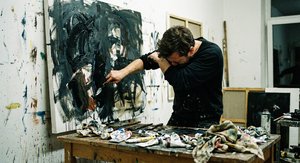
The Raw Emotion of Expressionism: A Deep Dive into its History, Characteristics & Enduring Influence
Explore the raw emotion of Expressionism with OriginalUniqueArt. Discover its history, key artists like Kirchner & Munch, and lasting influence on modern art. Expert insights for collectors & enthusiasts.

