

 पूर्वावलोकन देखें
 भेजें
भेजें साझा करें
 विवरण देखें
 मार्गदर्शिका

 डाउनलोड करें
 समान वस्तुएं
 एक्स-रे
 स्लाइड शो देखें
 आंकड़े
Nine discourses on Commodus
 Oil On Canvas
- WallArt
- Abstract Expressionism
 1963
1963 134.0 x 204.0 cm
 गुगेनहेम संग्रहालय बिलबाओ
 और पढ़ें
गिक्ली / आर्ट प्रिंट
तेज़ उत्पादन और विभिन्न फिनिश विकल्पों के साथ म्यूजियम-क्वालिटी गिकली (giclée) या कैनवस प्रिंट। ( हाथ से बनी पेंटिंग खरीदें डिजिटल इमेज पर जाएँ)




P118B $10

P118H $10

P118W $10

P438Z $10

P508JH $12

P508YH $12

P805H $10

P805Z $10

P919BZ $10

P919G $10

P919XJ $10

P959ZH $10

P968JZ $12

W106C $8

W218G $10

W218JH $8

W218Y $10

W307PJ $10

W316G $10

W316PJ $8

W316Y $10

W398PJ $8

W4111J $10

W500HY $15

W500JH $15

W692G $12

W849H $8

W940BG $15

W953PJ $8




कलाकृति के मूल अनुपात से मेल खाने वाले हमारे पूर्व निर्धारित आकारों में से चुनें।

आप किसी विशिष्ट फ्रेम या स्थान के अनुसार अपने स्वयं के आयाम (dimensions) दर्ज कर सकते हैं। यदि आपके द्वारा चुना गया आकार मूल छवि के अनुपात से मेल नहीं खाता है, तो हम कलाकृति को क्रॉप कर देंगे या मिरर किए गए या सॉलिड-फिल किनारे के साथ छवि का विस्तार करेंगे। उत्पादन शुरू होने से पहले आपकी स्वीकृति के लिए एक डिजिटल मॉकअप भेजा जाएगा।
कृपया ध्यान दें कि स्क्रीन पर दिखने वाला प्रीव्यू वास्तविक क्रॉपिंग या विस्तार को नहीं दर्शाता है। केवल मॉकअप ही अंतिम संरचना को सटीक रूप से दिखाएगा।
हालाँकि कस्टम आकार उपलब्ध हैं, फिर भी हम मूल अनुपात बनाए रखने के लिए पूर्व-निर्धारित सूची में से एक आयाम चुनने की सलाह देते हैं।
विश्वव्यापी डिलीवरी (), मानक 4/5 सप्ताह के बजाय मात्र 2 सप्ताह में। (26 सितमबर)

दुनिया भर में मुफ़्त एक्सप्रेस शिपिंग

प्रीमियम ग्रेड लिनेन कैनवास

पूर्ण शिपिंग बीमा

सीमा शुल्क और आयात कर वापसी की गारंटी

सटीक रंग मिलान की गारंटी

100 दिनों की वापसी नीति (केवल निर्माण दोष होने पर)

100% पैसे वापसी की गारंटी

थोक छूट का अवसर
 ग्लास का विकल्प केवल 110 सेमी से कम आकार में ही उपलब्ध है।

Nine discourses on Commodus
गिक्ली / आर्ट प्रिंट
प्रतिकृति का आकार
-


कुल मूल्य
$ 80
Nine Discourses on Commodus: A Descent into Roman Excess
Cy Twombly’s “Nine Discourses on Commodus,” painted in 1963, isn't merely a depiction of a historical event; it’s an immersive plunge into the psychological and political turmoil that consumed the late Roman Empire. This monumental work, measuring a substantial 204 x 134 cm, resides within the Guggenheim Museum Bilbao, offering viewers a visceral experience far beyond simple representation. The painting's genesis lies in Twombly’s fascination with the reign of Emperor Commodus Aurelius Antoninus, a figure notorious for his cruelty, extravagance, and ultimately, his assassination. Rather than presenting a straightforward narrative, Twombly constructs an atmosphere—a suffocating blend of anxiety, violence, and impending doom – using a deliberately fragmented and unsettling visual language. The foundation of the composition is a pale grey field, acting as a neutral backdrop against which swirling masses of pigment explode in shades of crimson, ochre, and black. These aren’t carefully blended colors; they are applied with a raw, almost violent energy, creating a sense of chaotic movement and instability. The technique itself is crucial: Twombly employed a layering process, building up the paint in thick impasto strokes, punctuated by scribbles, dashes, and even what appear to be deliberate “mistakes.” This physicality—the tangible evidence of his hand at work—adds another layer of intensity to the piece, inviting viewers to confront the act of creation alongside the subject matter. The painting’s historical context is inextricably linked to the broader anxieties of the mid-1960s – a period marked by the Cold War, the Cuban Missile Crisis, and the assassination of John F. Kennedy. Twombly, deeply influenced by Charles Olson's concept of “Projective Involvement,” sought to create works that actively engaged with contemporary experience, translating the turmoil of his time into visual form.The Language of Scribble: Style and Technique
Twombly’s distinctive style is instantly recognizable—a potent blend of calligraphic gesture and abstract expressionism. He deliberately rejected traditional representational techniques, opting instead for a system of “scribbles,” marks, and symbols that operate on a deeply personal level. These aren't random gestures; they are meticulously controlled, almost architectural in their arrangement. The recurring numerical sequences—often appearing as clusters of digits—are not merely decorative elements but rather structural components of the composition, guiding the viewer’s eye through the swirling chaos. The influence of Paul Klee is evident in Twombly's use of simplified forms and geometric patterns, while the gestural intensity of Franz Kline provides a counterpoint to the more controlled scribbles. However, Twombly transcends these influences, forging his own unique visual vocabulary—one characterized by a raw emotionality and an unsettling sense of unease. The layering of paint, achieved through multiple applications and scraping back, creates a complex surface texture that is both visually arresting and physically engaging. The deliberate imperfections – the drips, smudges, and uneven application – are not flaws but rather integral to the painting’s expressive power, reflecting the instability and violence at its core.Symbolism and Historical Allusion
“Nine Discourses on Commodus” isn't a literal depiction of the events surrounding Commodus’ reign; it’s an allegorical exploration of themes such as tyranny, excess, and decay. The title itself refers to nine distinct “discourses,” or arguments, that explore different facets of Commodus’ character and his downfall. The swirling masses of color can be interpreted as representing the chaos and instability of his rule, while the crimson hues evoke blood and violence. The numerical sequences, often referencing architectural grids and geometric patterns, suggest a sense of order imposed upon chaos—a futile attempt to control an uncontrollable situation. Furthermore, the painting draws parallels between Commodus’ excesses and the anxieties of the 1960s – a period marked by political instability, social unrest, and the threat of nuclear war. The figure of Commodus himself embodies the dangers of unchecked power and the destructive consequences of moral decay. It's important to note that Twombly frequently drew upon classical mythology and literature in his work, imbuing his paintings with layers of historical allusion and symbolic meaning.Emotional Resonance and Legacy
Despite its unsettling subject matter, “Nine Discourses on Commodus” possesses a profound emotional resonance. The painting’s raw energy and visceral intensity evoke a sense of unease and anxiety—a reflection of the turbulent times in which it was created. It's not a comfortable or easily digestible work; it demands engagement, prompting viewers to confront uncomfortable truths about human nature and the fragility of civilization. Initially met with critical derision – largely due to its unconventional style and perceived detachment from the prevailing trends of Pop Art and Minimalism – “Nine Discourses on Commodus” has since been recognized as a pivotal work in the history of postwar painting. It stands as a testament to Twombly’s unique vision and his willingness to challenge conventional artistic norms. Today, it is celebrated for its expressive power, its complex symbolism, and its enduring relevance—a haunting reminder of the dangers of excess and the cyclical nature of history. Reproductions capture only a fraction of the painting's depth; experiencing it in person within the Guggenheim Bilbao is an essential encounter with one of the 20th century’s most enigmatic artists.कलाकार का परिचय
एक रेखा और रंग में उकेरा जीवन
एडविन पार्कर ट्वॉम्बली जूनियर, जिन्हें दुनिया साइ ट्वॉम्बली के नाम से जानती है, बीसवीं और इक्कीसवीं सदी की कला जगत की एक अद्वितीय शक्ति थे—एक अमेरिकी चित्रकार, मूर्तिकार और फोटोग्राफर जिनकी रचनाओं को आसानी से वर्गीकृत नहीं किया जा सकता था। 25 अप्रैल, 1928 को वर्जीनिया के लेक्सिंगटन में जन्मे, उनकी कलात्मक यात्रा शास्त्रीय शिक्षा की नींव पर शुरू हुई और एक बेचैन भावना ने उन्हें महाद्वीपों पार धकेल दिया। पियरे दौरा के तहत वाशिंगटन और ली विश्वविद्यालय में शुरुआती अध्ययन के बाद, ब्लैक माउंटेन कॉलेज में महत्वपूर्ण अनुभव हुए, जहाँ वे रॉबर्ट राऊशेनबर्ग, जॉन केज और मर्से क Cunningham जैसे प्रमुख व्यक्तियों से मिले। इन मुलाकातों ने प्रयोग और अंतःविषय अन्वेषण का एक ऐसा वातावरण बनाया जिसने उनकी कलात्मक दृष्टि को गहराई से आकार दिया। हालाँकि, 1952 में राऊशेनबर्ग के साथ इटली और उत्तरी अफ्रीका की यात्रा—वर्जीनिया ललित कला संग्रहालय से अनुदान द्वारा वित्त पोषित—वास्तव में परिवर्तनकारी साबित हुई। प्राचीन खंडहरों, जीवंत संस्कृतियों और इतिहास के भार में डूबे हुए, ट्वॉम्बली ने एक प्रेरणा का स्रोत खोजा जिसने दशकों तक उनकी सौंदर्यशास्त्र को परिभाषित किया।एक रहस्यमय शैली का विकास
ट्वॉम्बली की कलात्मक शैली पूरी तरह से तैयार होकर नहीं जन्मी थी; यह अन्वेषण और परिष्करणों की एक श्रृंखला के माध्यम से विकसित हुई। उनके शुरुआती कार्यों, जैसे *उत्तरी अफ्रीकी स्केचबुक* (1953), ने पहले ही उनकी अनूठी अमूर्त रूपों और काव्यात्मक संदर्भों के मिश्रण को दर्शा दिया था। ये महज यात्रा पत्रिकाएँ नहीं थीं बल्कि स्थान के सार की जांच थीं—प्रकाश, बनावट और स्मृति का आसवन। 1960 के दशक में, ट्वॉम्बली की शैली विशाल कैनवस पर लिखे हुए रेखाओं, भावपूर्ण चिह्नों और खंडित शब्दों की एक विशिष्ट शब्दावली के आसपास समेकित होने लगी। *फेरागोस्टो* श्रृंखला (1961) और *द इटालियन्स* (1961) इस अवधि का उदाहरण हैं—चित्रकारी जो सुलेख और अराजकता के बीच मौजूद प्रतीत होती है, प्राचीन शिलालेखों और भित्तिचित्रों की तात्कालिकता को जगाती है। उनकी रुचि वास्तविकता को दोहराने में नहीं थी बल्कि भावना, स्मृति और समय बीतने की भावना को पकड़ने में थी। यह दृष्टिकोण पारंपरिक चित्रकला की अवधारणाओं को चुनौती देता था, प्रतिनिधित्व से दूर एक अधिक व्यक्तिपरक और भावनात्मक रूप से गुंजायमान अभिव्यक्ति के रूप में आगे बढ़ता था। *कोल्ड स्ट्रीम* (1966), अपने घूमते हुए लूप और बोल्ड पाठ के साथ, इस उत्तेजक शैली का एक शक्तिशाली उदाहरण है।प्रभाव और कलात्मक वंश
हालांकि दृढ़ता से स्वतंत्र, ट्वॉम्बली का काम निर्वात में नहीं बनाया गया था। उन्होंने विभिन्न स्रोतों—जीन डुबुफे और अल्बर्टो जियाकोमेटी की कच्ची ऊर्जा से लेकर स्टीफैन मालार्मे, रैइनर मारिया रिल्के और जॉन केट्स की काव्यात्मक संवेदनशीलता तक—से प्रेरणा ली। शास्त्रीय पौराणिक कथाओं और इतिहास ने भी महत्वपूर्ण भूमिका निभाई, जिससे उन्हें विषयों और प्रतीकों की एक समृद्ध टेपेस्ट्री मिली जिसका पता लगाया जा सके। उनकी पेंटिंग अक्सर प्राचीन आख्यानों को संदर्भित करती है, सूक्ष्म रूप से कहानियों और किंवदंतियों के टुकड़ों को बुनती है। ट्वॉम्बली का बाद की पीढ़ियों के कलाकारों पर प्रभाव निर्विवाद है। उन्होंने जीन-मिशेल बास्कियाट, एन्सेल्म कीफर, फ्रांसेस्को क्लेमेंटे और जूलियन श्नाबेल जैसे चित्रकारों के लिए मार्ग प्रशस्त किया, जिन्होंने प्रयोग और भावनात्मक तीव्रता की समान भावना को अपनाया। पारंपरिक सीमाओं को तोड़ने और अभिव्यक्ति के नए रूपों का पता लगाने की उनकी इच्छा उन कलाकारों के साथ गहराई से गूंजती थी जो यथास्थिति को चुनौती देना चाहते थे। उन्होंने प्रदर्शित किया कि पेंटिंग केवल प्रतिनिधित्व से अधिक हो सकती है; यह जटिल भावनाओं, विचारों और अनुभवों को व्यक्त करने का एक माध्यम हो सकता है।प्रमुख उपलब्धियां और स्थायी विरासत
अपने करियर के दौरान, ट्वॉम्बली को कई पुरस्कार प्राप्त हुए, जिनमें 2001 में वेनिस द्विवार्षिक में गोल्डन लायन पुरस्कार और 2010 में लीजन डी'ऑनूर के श्वालियर का नामकरण शामिल है। उनके कार्यों को दुनिया भर के प्रमुख संग्रहालय संग्रहों में दर्शाया गया है, जिसमें ह्यूस्टन में मेनिल कलेक्शन, लंदन में टेट मॉडर्न और न्यूयॉर्क के आधुनिक कला संग्रहालय शामिल हैं। एक विशेष उपलब्धि पेरिस के लौवर संग्रहालय के लिए छत पर एक टुकड़ा बनाना था—उनकी अंतर्राष्ट्रीय मान्यता और कलात्मक कद का प्रमाण। *थ्री स्टडीज फ्रॉम द टेमेराइर* (1998-99), जो अब आर्ट गैलरी ऑफ न्यू साउथ वेल्स में है, उनकी बाद की शैली का उदाहरण है - बड़े पैमाने के कार्य जो नाजुक और शक्तिशाली दोनों हैं। ट्वॉम्बली की रहस्यमय शैली कला उत्साही और विद्वानों को समान रूप से मोहित करती रहती है। उनकी पेंटिंग दर्शकों को संवाद करने के लिए आमंत्रित करती है—पेंट की परतों के भीतर छिपे अर्थों को समझने के लिए, रेखाओं को खरोंचते हुए। 5 जुलाई, 2011 को रोम में कैंसर से लंबी लड़ाई के बाद उनका निधन हो गया, जिससे एक विरासत पीछे छूट गई जो आने वाली पीढ़ियों तक कलाकारों को प्रेरित और चुनौती देती रहेगी। सांता मारिया इन वैलिकेला में एक पट्टिका कला जगत में उनके गहन योगदान की स्थायी स्मृति के रूप में कार्य करती है।ट्वॉम्बली की दुनिया का अन्वेषण
साइ ट्वॉम्बली का काम मानव अनुभव की जटिलताओं पर विचार करने के लिए एक निमंत्रण है—स्मृति, इतिहास और भावना के क्षेत्रों में गहराई से उतरने के लिए। उनकी पेंटिंग केवल प्रशंसा करने योग्य वस्तुएं नहीं हैं बल्कि दूसरी दुनिया के पोर्टल हैं—एक ऐसी दुनिया जहां रेखाएँ नृत्य करती हैं, शब्द फुसफुसाते हैं और भावनाएँ आकार लेती हैं। चाहे *अज्ञात (पीओनी ब्लॉसम पेंटिंग)* की जीवंत ऊर्जा हो या *प्रोटीयस* का उत्तेजक सार, प्रत्येक कार्य कलाकार के आंतरिक परिदृश्य की एक अनूठी झलक प्रदान करता है। उनका प्रभाव चित्रकला से परे फैला हुआ है, मूर्तिकला और फोटोग्राफी को भी प्रभावित किया है। ट्वॉम्बली की प्रतिभा की सराहना करने के लिए, किसी को अपनी रेखाओं की तरलता, अपने रंगों की समृद्धि और अपनी काव्यात्मक दृष्टि की गहराई में बह जाने देना चाहिए।- OriginalUniqueArt पर साइ ट्वॉम्बली के कार्यों का अन्वेषण करें।
- Wikipedia पर साइ ट्वॉम्बली के बारे में और पढ़ें।
- OriginalUniqueArt: लौवर संग्रहालय, जिसमें ट्वॉम्बली के कमीशन किए गए कार्य शामिल हैं, के संग्रह की खोज करें: Musée du Louvre.

साइ ट्वॉम्बली
1928 - 2011 , संयुक्त राज्य अमेरिका
संक्षिप्त जानकारी
- कला आंदोलन/शैली: अमूर्त अभिव्यक्तिवाद, उत्तर आधुनिक
- किससे प्रभावित हुए:
- जीन-माइकल बास्कियाट
- एंसल्म कीफर
- फ्रांसेस्को क्लेमेंटे
- जूलियन श्नाबेल
- जन्म तिथि: 25 अप्रैल 1928
- जन्म स्थान: लेक्सिंगटन, संयुक्त राज्य अमेरिका
- पूरा नाम: एडविन पार्कर ट्वॉम्ब्ली जूनियर
- प्रभावित कलाकार:
- पियरे दौरा
- जीन डुबुफे
- एल्बर्टो जियाकोमेट्टी
- प्रमुख कलाकृतियाँ:
- थ्री स्टडीज फ्रॉम द टेमेरेयर
- अपोलो एंड द आर्टिस्ट
- कोल्ड स्ट्रीम
- प्रोटीयस
- अज्ञात (पीओनी ब्लॉसम पेंटिंग)
- मृत्यु तिथि: 5 जुलाई 2011
- राष्ट्रीयता: अमेरिकी
संबंधित लेखों की सूची
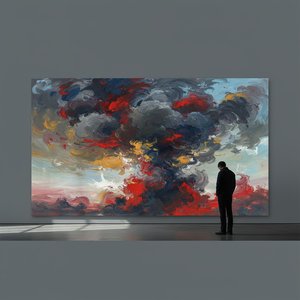
Beyond Representation: Exploring the Emotional Landscape of Abstract Expressionism
Explore the profound emotional world of Abstract Expressionism with OriginalUniqueArt. Discover key artists like Pollock & Rothko, learn about collecting, and find museum-quality reproductions to inspire your space.

ज्यामितीय अमूर्तता: शीर्ष 10 उत्कृष्ट कृतियाँ जो कला को नया आकार देती हैं | OriginalUniqueArt.com
ज्यामितीय अमूर्तता की शीर्ष 10 उत्कृष्ट कृतियों का अन्वेषण करें! पिकासो, मोंड्रियन और अन्य कलाकारों के प्रेरणादायक कार्यों से कला इतिहास जानें। OriginalUniqueArt.com पर उच्च गुणवत्ता वाली कला प्रिंट और कैनवास खरीदें।

Kandinsky's Masterpieces: 25 Paintings That Define Abstract Art | OriginalUniqueArt
Journey through Wassily Kandinsky's 25 most iconic abstract paintings. Explore his revolutionary use of color, form & spiritual expressionism. Find museum-quality Kandinsky reproductions and elevate your home decor with OriginalUniqueArt.com. Discover all masterpieces on OriginalUniqueArt.com!
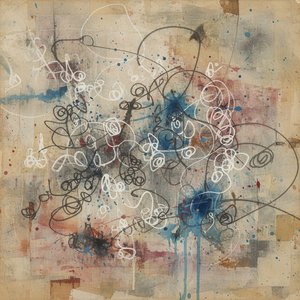
Cy Twombly: Scribbles of Emotion – Deconstructing Post-War Expressionism Through Calligraphy & Abstraction
Explore the captivating world of Cy Twombly with OriginalUniqueArt. Discover the emotional depth & artistic significance behind his abstract calligraphy. Expert insights for collectors.

अमूर्त अभिव्यंजनावाद: शीर्ष 10 कलाकृतियाँ जिन्होंने परिभाषित किया कला की दुनिया
अमूर्त अभिव्यंजनावाद की 10 उत्कृष्ट कृतियाँ जानें! पोलक, रोथको जैसे कलाकारों के अनूठे रंगों और भावनाओं का अनुभव करें। OriginalUniqueArt.com पर कला इतिहास की गहराई में जाएँ और अपने घर के लिए अद्वितीय सजावट खोजें। ऑनलाइन संग्रह देखें!