
 पूर्वावलोकन देखें
 साझा करें
 साझा करें
 विस्तृत विवरण
 मार्गदर्शिका

 डाउनलोड करें
 समान वस्तुएं
 एक्स-रे
 स्लाइड शो देखें
 प्रश्न और उत्तर
 आंकड़े
Pietà

- 48.0 x 33.0 cm


 पूरा देखें
गिक्ली / आर्ट प्रिंट
तेज़ उत्पादन और विभिन्न फिनिश विकल्पों के साथ म्यूजियम-क्वालिटी गिकली (giclée) या कैनवस प्रिंट। ( इस संग्रहणीय वस्तु की हाथ से बनी प्रतिकृति मंगवाएं डिजिटल इमेज पर स्विच करें)




P118B ₹10

P118H ₹10

P118W ₹10

P438Z ₹10

P508JH ₹12

P508YH ₹12

P805H ₹10

P805Z ₹10

P919BZ ₹10

P919G ₹10

P919XJ ₹10

P959ZH ₹10

P968JZ ₹12

W106C ₹8

W218G ₹10

W218JH ₹8

W218Y ₹10

W307PJ ₹10

W316G ₹10

W316PJ ₹8

W316Y ₹10

W398PJ ₹8

W4111J ₹10

W500HY ₹15

W500JH ₹15

W692G ₹12

W849H ₹8

W940BG ₹15

W953PJ ₹8




कलाकृति के मूल अनुपात से मेल खाने वाले हमारे पूर्व निर्धारित आकारों में से चुनें।

अपने फ्रेम या अपनी दीवार के अनुसार आवश्यक चौड़ाई और ऊंचाई दर्ज करें। प्रिंट को केवल काटा जा सकता है, चित्र से बड़ा कभी नहीं बनाया जा सकता, इसलिए अलग आकार का साइज चित्र का एक हिस्सा खो देता है। किसी भी चीज़ को प्रिंट करने से पहले हम आपकी स्वीकृति के लिए आपको एक डिजिटल मॉकअप भेजते हैं। इस पृष्ठ पर दिखाया गया चित्र वास्तविक कटिंग नहीं दिखाता है — केवल मॉकअप ही इसे दर्शाता है।
विश्वव्यापी डिलीवरी (), मानक 4/5 सप्ताह के बजाय मात्र 2 सप्ताह में। (7 नवमबर)

दुनिया भर में मुफ़्त एक्सप्रेस शिपिंग

उच्च गुणवत्ता वाला लिनेन कैनवास

पूर्ण शिपिंग बीमा

सीमा शुल्क और आयात कर वापसी की गारंटी

सटीक रंग मिलान की गारंटी

100 दिनों की वापसी नीति (केवल दोष होने पर)

100% पैसे वापसी की गारंटी

थोक छूट का अवसर
 ग्लास का विकल्प केवल 110 सेमी से कम आकार में ही उपलब्ध है।

Pietà
गिक्ली / आर्ट प्रिंट
प्रतिकृति का आकार
-


कुल देय राशि
₹ 7846
The Pietà by Cosmè Tura: A Renaissance Echo of Grief and Grace
Within the hushed reverence of the Museo Correr in Venice resides a painting that transcends mere representation, becoming instead an embodiment of profound sorrow and enduring faith – Cosmè Tura’s 1460 “Pietà.” More than simply a depiction of Mary cradling her son's lifeless form, this work is a cornerstone of Early Renaissance art, a testament to the artist’s mastery of technique and his ability to infuse religious subject matter with an intensely human quality. The painting immediately draws the viewer into its somber world, dominated by muted earth tones – ochres, browns, and deep blues – that evoke both the solemnity of mourning and the timelessness of faith.
Tura’s skill lies not just in his technical proficiency but also in his nuanced understanding of composition. The arrangement is meticulously balanced, creating a sense of stability amidst the overwhelming grief. Mary's posture is one of quiet dignity, her head bowed in sorrow yet her hands gently supporting the weight of Christ’s body. The folds of her garment cascade gracefully around her, adding depth and texture to the scene while simultaneously emphasizing her role as the compassionate mother. The artist masterfully employs chiaroscuro – the dramatic contrast between light and shadow – to sculpt the figures, lending them a remarkable sense of volume and realism. Notice how the light catches on Christ’s face, highlighting his youthful beauty even in death, and how it subtly illuminates Mary's features, revealing her profound sadness.
A Window into Renaissance Symbolism
The “Pietà” is deeply rooted in the symbolic language of its time. The choice of depicting Mary cradling Christ’s body immediately connects it to the central mystery of Christian faith – the sacrifice and redemption offered through Jesus' death. Beyond this core symbolism, Tura incorporates elements that speak to the broader cultural context of 15th-century Italy. The landscape glimpsed in the background, reminiscent of Venetian architecture, subtly anchors the scene within a recognizable earthly realm, reminding viewers of the human cost of divine sacrifice. The veil draped over Mary’s face is not merely an act of modesty but also a visual representation of mourning and grief – a powerful symbol of the universal experience of loss.
Furthermore, the painting's realism, particularly in the depiction of Christ’s body, was revolutionary for its time. Tura’s anatomical accuracy—evident in the musculature and veins visible beneath his skin—demonstrates a keen interest in observing and representing the human form with unprecedented detail. This commitment to naturalism reflects the Renaissance fascination with classical antiquity and its emphasis on human beauty and proportion. The influence of earlier Gothic art is also evident, particularly in the pyramidal composition and the emotional intensity of the scene, but Tura elevates these elements through his masterful use of light, color, and form.
A Legacy of Beauty and Emotion
The “Pietà” by Cosmè Tura stands as a poignant reminder of the enduring power of art to evoke profound emotions. It’s not simply a representation of a biblical scene; it's an exploration of grief, faith, and the timeless bond between mother and son. Its influence can be seen in countless subsequent works of art, from Michelangelo’s own “Pietà” to later depictions of Mary mourning her son. The painting’s emotional resonance continues to captivate viewers centuries after its creation, solidifying its place as a masterpiece of the Early Renaissance.
Today, high-quality reproductions of this iconic work are available through OriginalUniqueArt.com, allowing art enthusiasts to bring a piece of this historical and emotional treasure into their homes or offices. Each reproduction meticulously recreates Tura’s masterful technique and evocative atmosphere, ensuring that the beauty and power of the “Pietà” are preserved for generations to come.
Technical Details & Dimensions
- Title: Pietà
- Artist: Cosmè Tura
- Date: 1460
- Medium: Tempera on Panel
- Size: 48 x 33 cm (approximately)
- Location: Museo Correr, Venice, Italy
Further Exploration
To delve deeper into the life and work of Cosmè Tura, we encourage you to explore these resources: Google Arts & Culture offers a detailed overview of the painting and its historical context. You can also find valuable information on Cosmè Tura’s biography at Wikipedia, as well as related works by the artist at OriginalUniqueArt.com and OriginalUniqueArt.com.
प्रश्न और उत्तर
क्या कोस्मे टुरा द्वारा "Pietà" में गहरे विरोधाभास (strong contrasts) का उपयोग किया गया है या कोमल सामंजस्य (soft harmonies) का?
"Pietà" में, एक Bold विरोधाभास को Balanced Harmony सामंजस्य के साथ जोड़ा गया है।
"Pietà" के Tall फॉर्मेट को कहाँ प्रदर्शित करने की सलाह दी जाती है?
अपने Tall आकार के साथ, "Pietà" की यह प्रतिकृति Living Room के लिए उपयुक्त है।
Early Renaissance के भीतर कोस्मे टुरा द्वारा "Pietà" किस भाव को व्यक्त करता है?
Early Renaissance आंदोलन के भीतर, "Pietà" को एक Melancholic स्वर के साथ दर्ज किया गया है।
कलाकार की जीवनी
एक फेरारेस दूरदर्शी: कॉस्मे तुरा का जीवन और कला
इटली के जीवंत डची शहर फेरारा में लगभग 1430 में जन्मे, कॉस्मे तुरा एक अत्यंत साधारण पृष्ठभूमि से उभरे थे – उनके पिता डोमेनिको नाम के एक मोची थे – और वे प्रारंभिक पुनर्जागरण (Early Renaissance) के सबसे विशिष्ट और प्रभावशाली चित्रकारों में से एक बने। हालाँकि उनके शुरुआती प्रशिक्षण का विवरण कुछ हद तक रहस्यमयी बना हुआ है, लेकिन कला इतिहासकारों का सुझाव है कि उन्होंने प्रसिद्ध पिएरो डेला फ्रांसेस्का से जुड़े एक छायादार व्यक्तित्व गैलासो गैलासी के साथ प्रशिक्षुता की होगी। इस प्रारंभिक अनुभव ने संभवतः तुरा की विकसित होती कलात्मक संवेदनाओं की नींव रखी, हालाँकि 1452 और 1456 के बीच वेनिस और पादुआ की यात्राओं के दौर ने ही उनकी रचनात्मक चिंगारी को वास्तव में प्रज्वलित किया। पादुआ में, उनका सामना फ्रांसेस्को स्कुआर्कोन की कार्यशाला से हुआ, जो कलात्मक नवाचार का एक महत्वपूर्ण केंद्र था, जहाँ शास्त्रीय पुरातनता का अध्ययन रैखिक परिप्रेक्ष्य और सुदृढ़ रूप जैसी उभरती पुनर्जांतकालीन तकनीकों के साथ फल-फूल रहा था। ये प्रभाव केवल आत्मसात नहीं किए गए, बल्कि उन्हें तुरा की अपनी अनूठी शैली में पिरो दिया गया – एक ऐसी शैली जो अपनी तीखी रेखाओं, सजावटी प्रचुरता और विवरणों पर लगभग जुनूनी ध्यान देने के लिए जानी जाती है।दरबारी चित्रकार और उनकी अभिनव शैली
तुरा का करियर एस्टे दरबार के भीतर फला-फूला, पहले ड्यूक बोर्सो डी'एस्टे के अधीन और बाद में एर्कोले प्रथम डी'एस्टे के संरक्षण में। वे केवल एक चित्रकार नहीं थे; वे एक बहुमुखी शिल्पकार थे जिन्हें न केवल भित्ति चित्रों (frescoes) और पैनल पेंटिंग बनाने के लिए बल्कि टूर्नामेंटों के डिजाइन, सजावटी फर्नीचर और यहाँ तक कि कपड़ों के निर्माण के लिए भी नियुक्त किया गया था। यह बहुआयामी भूमिका एस्टे परिवार के भीतर महत्व दिए जाने वाले कलात्मक कौशल की व्यापकता को दर्शाती है और इसने तुरा को सामग्रियों और तकनीकों के साथ प्रयोग करने का पर्याप्त अवसर दिया। तेल चित्रकला (oil paint) का उनका अभिनव उपयोग विशेष रूप से उल्लेखनीय है – उन्होंने धातु के कवच की चमक से लेकर शानदार कपड़ों की नाजुक सिलवटों तक, बनावट की एक अद्भुत श्रृंखला प्रस्तुत करने के लिए इसके गुणों का कुशलता से उपयोग किया। यह तकनीकी कौशल विविध प्रभावों से गहराई से प्रेरित एक कलात्मक दृष्टि के साथ जुड़ा हुआ था: फ्रा एंजेलिको की शांत आध्यात्मिकता, पिएरो डेली फ्रांसेस्का की ज्यामितमितीय सटीकता, आंद्रेआ मंतेंग्ना का नाटकीय परिप्रेक्ष्य और शास्त्रीय संदर्भ, तथा फ्लेमिश चित्रकारों का सूक्ष्म यथार्थवाद। हालाँकि, तुरा ने केवल इन उस्तादों की नकल नहीं की; उन्होंने उन्हें एक विशिष्ट फेरारेस सौंदर्यशास्त्र में ढाल दिया – जो अभिव्यंजक रेखाओं, जटिल अलंकरण और गतिशीलता के मंत्रमुग्ध कर देने वाले भाव से परिभाषित था। इस काल की उल्लेखनीय कृतियों में 1460 की ए म्यूज (डिटेल) शामिल है, जो रूप और प्रतीकवाद के उनके नाजुक चित्रण को प्रदर्शित करती है, लगभग 1450 की प्रारंभिक पोर्ट्रेट ऑफ अ यंग मैन, और बाद की सेंट एंथोनी ऑफ पादुआ रीडिंग, जो 1475 में पूरी हुई थी। उनकी पिएटा (1474) टेम्पेरा पेंट के साथ उनके कौशल का एक और प्रमाण है।फेरारा में निर्मित एक विरासत
कॉस्मे तुरा का प्रभाव एस्टे दरबार की सीमाओं से कहीं आगे तक फैला हुआ था। उन्हें उचित रूप से 'स्कूल ऑफ फेरारा' के संस्थापक के रूप में माना जाता है, जो 15वीं शताब्दी के उत्तरार्ध में फला-फूला एक कला आंदोलन था और जिसने इतालवी चित्रकारों की अगली पीढ़ियों पर गहरा प्रभाव डाला। उनकी शैली – जिसे अक्सर विलक्षण और कुछ हद तक विचलित करने वाला बताया जाता है – ने उनके समकालीनों को मंत्रमुग्ध कर दिया और आज भी कला इतिहासकारों को जिज्ञासु बनाए रखती है। उनकी रेखाओं की अभिव्यंजक ऊर्जा, उनके सजावटी तत्वों का लगभग काल्पनिक गुण, और कलात्मक परंपराओं की सीमाओं को आगे बढ़ाने की उनकी इच्छा ने उन्हें उनके कई साथियों से अलग खड़ा कर दिया। उन्होंने जियोवानी आंद्रेया घिरार्डोनी जैसे कलाकारों को प्रभावित किया, जिन्होंने 1495 में तुरा की मृत्यु के बाद फेरारेस शैली को विकसित करना जारी रखा। आज, उनके काम के उदाहरण दुनिया भर के संग्रहालयों और संग्रहों में पाए जा सकते हैं, लेकिन एक महत्वपूर्ण हिस्सा फेरारा में ही मौजूद है, विशेष रूप से म्यूज़ियो डेल डुओमो और पलाज्जो स्किफ़ोनिया में – जहाँ भित्ति चित्रों में तुरा की कला स्पष्ट रूप से दिखाई देती है।प्रभाव और स्थायी महत्व
कॉस्मे तुरा की कलात्मक उपलब्धियों को समझने के लिए, उन प्रभावों के जटिल जाल को पहचानना महत्वपूर्ण है जिसने उनके दृष्टिकोण को आकार दिया। फ्रा एंजेलिको के प्रति उनका ऋण उनके धार्मिक कार्यों की भक्तिपूर्ण तीव्रता में स्पष्ट है, जबकि पिएरो डेला फ्रांसेस्का की परिप्रेक्ष्य और ज्यामित<|channel>तमीय रूप पर महारत ने उनकी रचनाओं को एक संरचनात्मक आधार प्रदान किया। आंद्रेआ मंतेंग्ना की कला में पाए जाने वाले नाटकीय शक्ति और शास्त्रीय संदर्भों ने भी तुरा को गहराई से प्रभावित किया, जिससे उन्हें स्थान और शरीर रचना के चित्रण के अभिनव दृष्टिकोण खोजने की प्रेरणा मिली। इसके अलावा, फ्लेमिश कलाकारों के संपर्क ने संभवतः उन्हें माध्यम के रूप में तेल चित्रकला अपनाने के लिए प्रोत्साहित किया, जिससे अधिक विवरण और बनावट की सूक्ष्मता संभव हो सकी। गैलासो गैलासी की संभावित देखरेख ने, हालांकि रहस्य से घिरी हुई है, कलात्मक सिद्धांतों में एक प्रारंभिक आधार प्रदान किया होगा। कॉस्मे तु्यता की विरासत न केवल उनके चित्रों की सुंदरता और मौलिकता में निहित है, बल्कि इतालवी पुनर्जागरण कला के विकास में उनके योगदान में भी है। उन्होंने विविध प्रभावों को एक सुसंगत और सम्मोहक शैली में संश्लेषित करने की उल्लेखनीय क्षमता का प्रदर्शन किया, जिससे फेरारा कलात्मक नवाचार के एक महत्वपूर्ण केंद्र के रूप में स्थापित हुआ और चित्रकला के इतिहास पर एक अमिट छाप छोड़ी।
कोस्मे टुरा
1430 - 1495 , इटली
प्रमुख तथ्य
- Artistic Movement Or Style: प्रारंभिक पुनर्जागरण
- Artists Or Movements Influenced By This Artist: ['जियोवानी एंड्रिया घिरार्डोनी']
- Artists Who Influenced This Artist:
- फ्रा एंजेलिको
- पिएरो डेला फ्रांसेस्का
- एंड्रिया मैंटग्ना
- फ्लेमिश कलाकार
- Date Of Birth: लगभग 1430
- Date Of Death: 1495
- Full Name: कोस्मे टुरा
- Nationality: इतालवी
- Notable Artworks:
- एक म्यूज़ (विवरण)
- एक युवक का चित्र
- पडाुआ के सेंट एंथोनी पढ़ते हुए
- सेंट पीटर
- पिएटा
- Place Of Birth: फेरारा, इटली
संबंधित लेख
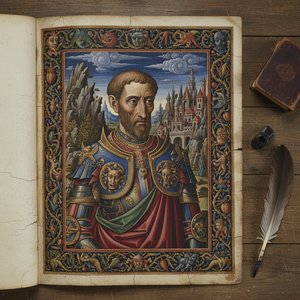
Cosmè Tura: Rediscovering the Ferrarese Master & His Distinctive Style
Discover Cosmè Tura (1430-1495), founder of the Ferrara School. Explore his unique style, key artworks & lasting influence. Expert insights for collectors.

Drama and Light: A Definitive Guide to the Italian Baroque Masterpieces and the Revolution of Chiaroscuro
Explore the dramatic world of Italian Baroque art. Discover how masters like Caravaggio used chiaroscuro and tenebrism to revolutionize painting through light, shadow, and profound realism. A definitive guide for history lovers and art collectors.

फ्रा एंजेलिको की शीर्ष 25 उत्कृष्ट कृतियाँ: कला, आध्यात्मिकता और घर सजावट
फ्रा एंजेलिको की शीर्ष 25 कृतियों का अन्वेषण करें! पुनर्जागरण कला, धार्मिक चित्रकला और स्वर्गीय सौंदर्य से भरपूर ये उत्कृष्ट फ्रेस्को और पैनल पेंटिंग आपको मंत्रमुग्ध कर देंगे। OriginalUniqueArt.com पर उच्च-गुणवत्ता कला प्रतिकृतियाँ खोजें।
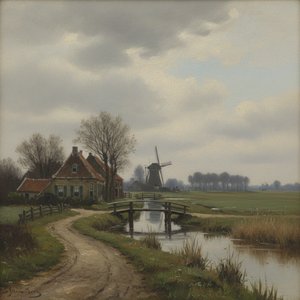
Jacob Henricus Maris: A Master of Dutch Atmospheric Realism & the Intimate Landscape
Explore the captivating world of Jacob Henricus Maris, a leading figure of the Dutch Hague School. Discover his atmospheric landscapes, signature brushstrokes & lasting influence on 19th-century art. Learn more at OriginalUniqueArt.
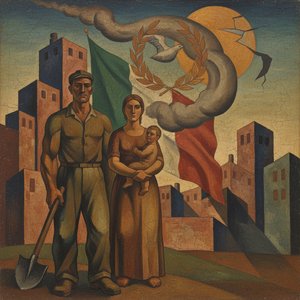
Mario Sironi: A Poetic of Modern Italian Identity Through Symbolism & Social Commentary
Explore the profound works of Mario Sironi, a key figure in Italian Modernism. Discover his evolution from Futurism to Metaphysical painting and his powerful social commentary. Learn about his legacy at OriginalUniqueArt.
