पूर्वावलोकन देखें
 साझा करें
 साझा करें
 विस्तृत विवरण
 मार्गदर्शिका

 डाउनलोड करें
 समान वस्तुएं
 एक्स-रे
 स्लाइड शो देखें
 प्रश्न और उत्तर
 आंकड़े
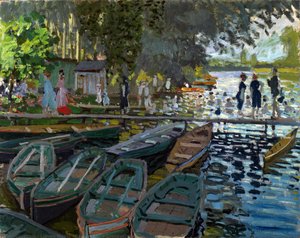
The Marina at Argenteuil

- 80.0 x 60.0 cm


 पूरा देखें
गिक्ली / आर्ट प्रिंट
तेज़ उत्पादन और विभिन्न फिनिश विकल्पों के साथ म्यूजियम-क्वालिटी गिकली (giclée) या कैनवस प्रिंट। ( इस संग्रहणीय वस्तु की हाथ से बनी प्रतिकृति मंगवाएं डिजिटल इमेज पर स्विच करें)




P118B ₹10

P118H ₹10

P118W ₹10

P438Z ₹10

P508JH ₹12

P508YH ₹12

P805H ₹10

P805Z ₹10

P919BZ ₹10

P919G ₹10

P919XJ ₹10

P959ZH ₹10

P968JZ ₹12

W106C ₹8

W218G ₹10

W218JH ₹8

W218Y ₹10

W307PJ ₹10

W316G ₹10

W316PJ ₹8

W316Y ₹10

W398PJ ₹8

W4111J ₹10

W500HY ₹15

W500JH ₹15

W692G ₹12

W849H ₹8

W940BG ₹15

W953PJ ₹8




कलाकृति के मूल अनुपात से मेल खाने वाले हमारे पूर्व निर्धारित आकारों में से चुनें।

अपने फ्रेम या अपनी दीवार के अनुसार आवश्यक चौड़ाई और ऊंचाई दर्ज करें। प्रिंट को केवल काटा जा सकता है, चित्र से बड़ा कभी नहीं बनाया जा सकता, इसलिए अलग आकार का साइज चित्र का एक हिस्सा खो देता है। किसी भी चीज़ को प्रिंट करने से पहले हम आपकी स्वीकृति के लिए आपको एक डिजिटल मॉकअप भेजते हैं। इस पृष्ठ पर दिखाया गया चित्र वास्तविक कटिंग नहीं दिखाता है — केवल मॉकअप ही इसे दर्शाता है।
विश्वव्यापी डिलीवरी (), मानक 4/5 सप्ताह के बजाय मात्र 2 सप्ताह में। (3 नवमबर)

दुनिया भर में मुफ़्त एक्सप्रेस शिपिंग

उच्च गुणवत्ता वाला लिनेन कैनवास

पूर्ण शिपिंग बीमा

सीमा शुल्क और आयात कर वापसी की गारंटी

सटीक रंग मिलान की गारंटी

100 दिनों की वापसी नीति (केवल दोष होने पर)

100% पैसे वापसी की गारंटी

थोक छूट का अवसर
 ग्लास का विकल्प केवल 110 सेमी से कम आकार में ही उपलब्ध है।

The Marina at Argenteuil
गिक्ली / आर्ट प्रिंट
प्रतिकृति का आकार
-


कुल देय राशि
₹ 7806
The Impressionistic Dance of Light: Claude Monet’s *The Marina at Argenteuil*
Claude Monet's *The Marina at Argenteuil*, painted in 1872, isn’t merely a depiction of a riverside scene; it’s a vibrant embodiment of the burgeoning Impressionist movement and a testament to Monet’s revolutionary approach to capturing fleeting moments. More than just a picturesque harbor view, this painting is an invitation into a world where light and color reign supreme, dissolving form and inviting the viewer to participate in the very act of perception. Situated near Paris, Argenteuil offered Monet and his contemporaries a crucial space for experimentation – a place far removed from the rigid constraints of academic art, allowing them to pursue their own unique vision of reality. The painting’s genesis lies within this spirit of innovation, reflecting a shift away from meticulously detailed representations towards an emphasis on capturing the ephemeral qualities of light and atmosphere.A Scene of Modernity: Life Along the Seine
*The Marina at Argenteuil* transports us to a bustling harbor scene, alive with activity and imbued with a sense of everyday life. The composition is deceptively simple – a collection of boats bobbing on the water, interspersed with figures engaged in various pursuits. We see people strolling along the shore, perhaps enjoying a leisurely afternoon; others are seated near the water’s edge, seemingly lost in contemplation or conversation. A solitary horse grazes nearby, adding an element of rustic charm to the urban backdrop. This wasn't a grand historical scene, but rather a snapshot of contemporary life – a deliberate choice by Monet that aligned with the Impressionists’ interest in portraying modern subjects and experiences. The inclusion of the horse, a common sight in rural areas surrounding Paris, subtly anchors the scene within a broader landscape context.Breaking Down Light: Monet's Revolutionary Technique
Monet’s genius lies not just in what he depicts but *how* he depicts it. He employs his signature technique of “broken color,” utilizing short, distinct brushstrokes to build up the image layer by layer. This isn’t a smooth, blended application; instead, individual strokes of pure color are juxtaposed, allowing the viewer's eye to blend them together and create an illusion of shimmering light and movement. The sky itself is rendered with rapid, feathery strokes, conveying the dynamism of the atmosphere – the subtle shifts in hue as clouds drift across the horizon. This technique, born from his studies with Eugène Boudin who championed *plein air* painting, was a radical departure from traditional oil painting methods, prioritizing the immediate impression of light and color over precise detail. The effect is remarkably vibrant and alive, capturing the essence of a summer’s day on the Seine.The Language of Color: Reflecting Light and Emotion
Monet's masterful use of color is central to the painting’s emotional impact. He doesn’t simply represent the colors he sees; he uses them to evoke sensations – the cool blues and greens of the water, the warm yellows and oranges of the sunlight reflecting off the boats, the hazy greys of the distant sky. The reflections on the water are particularly noteworthy, demonstrating Monet's keen observation of how light interacts with surfaces. These shimmering patches of color aren’t merely decorative; they contribute to a sense of depth and movement, drawing the viewer into the scene. The overall palette is bright and optimistic, reflecting the joy and vitality of the subject matter – a celebration of modern life and the beauty of nature.A Legacy of Impressionism: Inspiration for Generations
*The Marina at Argenteuil* stands as a pivotal work in the history of art, solidifying Monet’s position as a leading figure in the Impressionist movement. It exemplifies the movement's core principles – capturing fleeting moments, emphasizing light and color, and rejecting traditional academic conventions. The painting continues to resonate with viewers today because it taps into something fundamental about human experience: our ability to perceive beauty in the everyday world. It’s a reminder that art isn’t simply about representing reality; it's about conveying an *impression* – a feeling, a mood, a moment of time captured on canvas. Reproductions of this masterpiece offer a unique opportunity to bring this vibrant scene into your home and experience the magic of Monet’s vision firsthand.प्रश्न और उत्तर
मैं क्लाउड मोनेट द्वारा "The Marina at Argenteuil" के समान अन्य कलाकृतियाँ कैसे खोज सकता हूँ?
क्लाउड मोनेट द्वारा "The Marina at Argenteuil" के समान कलाकृतियाँ इस कलाकृति के समान कलाकृतियाँ पृष्ठ पर उपलब्ध हैं।
क्लाउड मोनेट द्वारा "The Marina at Argenteuil" की रंग संरचना (color composition) कैसे तैयार की गई है?
क्लाउड मोनेट द्वारा "The Marina at Argenteuil" का रंग विश्लेषण एक कथन विरोधाभास और एक असंगत रंग योजना सामंजस्य को दर्शाता है।
क्लाउड मोनेट द्वारा "The Marina at Argenteuil" के स्वरूप (format) के लिए कौन सी जगह सबसे उपयुक्त रहेगी?
अपने लैंडस्केप आकार के साथ, "The Marina at Argenteuil" की यह प्रतिकृति बैठक कक्ष के लिए उपयुक्त है।
कलाकार की जीवनी
प्रकाश में डूबा एक जीवन: क्लाउड मोनेट की दुनिया
ऑस्कर-क्लाउड मोनेट, एक ऐसा नाम जो प्रभाववाद (Impressionism) का पर्याय है, केवल परिदृश्य चित्रकार नहीं थे; वे क्षणिक पलों के क्रोनिकलर थे, प्रकाश और रंग के कवि थे। 14 नवंबर, 1840 को पेरिस में जन्मे, उनके शुरुआती जीवन में एक अप्रत्याशित मोड़ तब आया जब पाँच वर्ष की आयु में उनका परिवार नॉरमंडी के ले Havre में बस गया। हालाँकि उनके पिता उन्हें एक वाणिज्यिक करियर के लिए तैयार कर रहे थे, लेकिन युवा क्लाउड की सहज कलात्मक प्रतिभा जल्द ही उभर कर सामने आई, जो पहले स्थानीय स्तर पर बेचे जाने वाले चारकोल कैरिकेचर के रूप में दिखाई दी – जो उनकी कुशलता और उद्यमशीलता दोनों का प्रमाण था। हालाँकि, यूजीन बौडीन के साथ उनका मिलन निर्णायक साबित हुआ। बौडीन ने मोनेट को केवल यह नहीं सिखाया कि *कैसे* पेंट करना है; उन्होंने उनके भीतर एन प्लेन एयर—सीधे प्रकृति से—पेंट करने का क्रांतिकारी विचार स्थापित किया – एक ऐसी प्रथा जो उनकी पूरी कलात्मक यात्रा को परिभाषित करने वाली थी।
मोनेट का औपचारिक प्रशिक्षण पेरिस में शुरू हुआ, पहले अकादेमी सुइस (Académie Suisse) में और बाद में चार्ल्स ग्लीरे के मार्गदर्शन में। यहीं उन्होंने ऑगस्ट रेनोआ जैसे साथी कलाकारों के साथ स्थायी मित्रता की नींव रखी, एक ऐसा बंधन जो साझा कलात्मक संघर्षों और पारंपरिक अकादमिक पेंटिंग की सीमाओं से मुक्त होने की इच्छा पर आधारित था। उनके शुरुआती कार्यों में तकनीकी दक्षता तो थी, लेकिन उनमें उस विशिष्ट स्वर का अभाव था जो जल्द ही उनकी शैली की पहचान बनने वाला था। इसके बाद उथल-पुथल का एक दौर आया – फ्रेंको-प्रुशियन युद्ध के कारण मोनेट को लंदन में शरण लेनी पड़ी, जहाँ उन्होंने जे.एम.डब्ल्यू. टर्नर जैसे अंग्रेजी परिदृश्य दिग्गजों के कार्यों में खुद को डुबो दिया और उनके वायुमंडलीय प्रभावों एवं रंगों के अभिनव उपयोग को आत्मसात किया।
एक सौंदर्यवादी क्रांति का जन्म
फ्रांस लौटने पर, मोनेट एक उभरते हुए कलात्मक विद्रोह के केंद्र बिंदु बन गए। सैलून (Salon) के रूढ़िवादी मानकों से असंतुष्ट होकर, उन्होंने स्वतंत्र प्रदर्शनियाँ आयोजित करने के लिए अन्य समान विचारधारा वाले कलाकारों के साथ हाथ मिलाया। 1874 की प्रदर्शनी न केवल मोनेट के लिए बल्कि पूरी कला जगत के लिए एक ऐतिहासिक मोड़ साबित हुई। यहीं उनकी पेंटिंग “इंप्रशन, सोले लेवेंट” (Impression, Sunrise) प्रदर्शित की गई थी – जो भोर के समय ले Havre के बंदरगाह का एक धुंधला चित्रण था – और इसी से उपहासपूर्ण शब्द "प्रभाववाद" (Impressionism) की उत्पत्ति हुई। हालाँकि, यह नाम उनके साथ जुड़ गया और एक ऐसे आंदोलन के सम्मान के प्रतीक के रूप में विकसित हुआ जिसने किसी दृश्य के सटीक चित्रण के बजाय उसके व्यक्तिपरक *प्रभाव* को कैद करने का प्रयास किया।
इस अवधि के दौरान मोनेट की विशिष्ट शैली पूरी तरह से निखर कर आई: ढीले, स्पष्ट ब्रशस्ट्रोक, जीवंत और अक्सर बिना मिले हुए रंग जिन्हें अगल-बगल लगाया जाता था (एक तकनीक जिसे “ब्रोकन कलर” कहा जाता है), और प्रकाश के क्षणभंगुर गुणों को पकड़ने पर अटूट ध्यान। उन्होंने अपनी एन प्लेन एयर पद्धति का अथक अभ्यास किया, बदलते परिवेश द्वारा दृश्य को बदलने से पहले अपनी तात्कालिक धारणाओं को दर्ज करने के लिए तेजी से काम किया। यह समर्पण केवल वह चित्रित करने के बारे में नहीं था जो उन्होंने *देखा*, बल्कि इसके प्रति उनकी *अनुभूति* के बारे में था – जो कलात्मक परंपराओं से एक क्रांतिकारी विचलन था।
गिवर्नी: प्रकाश और प्रतिबिंब का स्वर्ग
1883 में, मोनेट पेरिस के उत्तर-पश्चिम में गिवर्नी में बस गए, जहाँ उन्होंने एक ऐसा घर और बगीचा बनाया जो उनका आश्रय स्थल और प्रेरणा का सबसे बड़ा स्रोत बन गया। उन्होंने इस संपत्ति को बड़ी बारीकी से एक विस्तृत स्वर्ग में बदल दिया, जिसमें विदेशी फूल, विलो के पेड़ और सबसे प्रसिद्ध रूप से, एक जापानी पुल से सटा हुआ जल लिली का तालाब शामिल था। यह केवल एक सजावटी बगीचा नहीं था; यह एक जीवित प्रयोगशाला थी जहाँ मोनेट नियंत्रित परिस्थितियों में पानी, पत्तियों और प्रतिबिंबों पर प्रकाश के प्रभावों का अध्ययन कर सकते थे।
उनके जीवन के अंतिम दशक लगभग पूरी तरह से गिवर्नी के जल लिली तालाब को चित्रित करने के प्रति समर्पित थे। उन्होंने विशाल 'वॉटर लिलीज' (Nymphéas) श्रृंखला की शुरुआत की, जिसमें ऐसे बड़े कैनवस बनाए जिन्होंने तालाब की सतह को रंग और प्रकाश के निरंतर बदलते हुए टेपेस्ट्री के रूप में दिखाया। ये केवल फूलों के चित्र नहीं थे; ये एक ऐसा गहन अनुभव थे, जिसे दर्शक को शांत सुंदरता और चिंतनशील स्थिरता की दुनिया में सराबोर करने के लिए बनाया गया था। इन कार्यों का पैमाना विस्मयकारी है, जो पारंपरिक पेंटिंग की सीमाओं को आगे बढ़ाता है और अमूर्त अभिव्यक्तिवाद (Abstract Expressionism) का पूर्वाभास देता है।
विरासत: कला इतिहास पर एक स्थायी प्रभाव
कला इतिहास पर क्लाउड मोनेट का प्रभाव अतुलनीय है। वे केवल प्रभाववाद के संस्थापक नहीं थे; उन्होंने मौलिक रूप से उस तरीके को बदल दिया जिससे कलाकार अपने आसपास की दुनिया को देखते और प्रस्तुत करते हैं। व्यक्तिपरक अनुभव पर उनके जोर, एन प्लेन एयर पेंटिंग के उनके प्रेम, और उनकी नवीन तकनीकों ने आधुनिक कला के अमूर्तता और गैर-प्रतिनिधित्ववादी रूपों की खोज का मार्ग प्रशस्त किया।
मोनेट ने अपने जीवनकाल में काफी व्यावसायिक सफलता प्राप्त की – जो उनके युग के अग्रगामी कलाकारों के लिए दुर्लभ था। उनका कार्य आज भी दुनिया भर के दर्शकों को विस्मय से भर देता है, जिससे पश्चिमी कला में एक अत्यंत महत्वपूर्ण व्यक्तित्व के रूप में उनका स्थान सुदृढ़ होता है। 5 दिसंबर, 1926 को उनका निधन हो गया, लेकिन वे अपने पीछे एक ऐसी विरासत छोड़ गए जो कलाकारों और कला प्रेमियों की पीढ़ियों में गूंजती रहती है। उनकी उत्कृष्ट कृतियों का महत्वपूर्ण संग्रह पेरिस के प्रतिष्ठित संस्थानों जैसे म्यूज़ियम डी'ओर्से और म्यूज़ियम मार्मोटन मोनेट में सुरक्षित है, जो यह सुनिश्चित करता है कि उनका दृष्टिकोण दुनिया को आलोकित करना जारी रखे।
प्रमुख कलात्मक तकनीकें
- एन प्लेन एयर पेंटिंग: उनके विकास का केंद्र, जिसने प्रकाश और वातावरण के प्रत्यक्ष अवलोकन की अनुमति दी।
- ब्रोकन कलर (Broken Color): ऑप्टिकल सम्मिश्रण के लिए शुद्ध रंगों के छोटे स्ट्रोक को अगल-बगल लगाना।
- सीरीज पेंटिंग: अलग-अलग प्रकाश और मौसम की स्थितियों के तहत एक ही विषय का चित्रण करना – जो समय और प्रकाश की परिवर्तनकारी शक्ति को प्रदर्शित करता है।
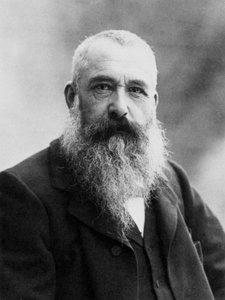
क्लाउड मोनेट
1840 - 1926 , फ्रांस
प्रमुख तथ्य
- Artistic Movement Or Style: प्रभाववाद (इंप्रेशनिज्म)
- Artists Or Movements Influenced By This Artist: ['आधुनिक कला']
- Artists Who Influenced This Artist:
- यूजीन बौडीन
- जे.एम.डब्ल्यू. टर्नर
- Date Of Birth: 14 नवंबर 1840
- Date Of Death: 5 दिसंबर 1926
- Full Name: ऑस्कर-क्लाउड मोनेट
- Nationality: फ्रांसीसी
- Notable Artworks:
- इम्प्रेशन, सूर्योदय
- जल लिली श्रृंखला
- गहू के ढेर
- रूएन कैथेड्रल
- Place Of Birth: पेरिस, फ्रांस
संबंधित लेख

क्लाउड मोनेट की शीर्ष 25 उत्कृष्ट कृतियाँ: कला और सौंदर्य का अद्भुत संग्रह | OriginalUniqueArt
क्लाउड मोनेट की शीर्ष 25 पेंटिंग! प्रभाववाद के जादू और वॉटर लिलीज़ की सुंदरता का अनुभव करें। कला इतिहास, तकनीक और प्रेरणादायक कहानियाँ जानें। OriginalUniqueArt.com पर उच्च गुणवत्ता वाले कला प्रिंट खोजें।

Boats on Canvas: 10 Masterpieces of Maritime Art for Your Home Decor
Sail away with 10 iconic boat paintings! Explore masterpieces by Monet, Van Gogh & Turner. Discover the stories behind these timeless seascapes and find museum-quality art reproductions for your home decor at OriginalUniqueArt.com.

Ephemeral Visions: Exploring the History & Emotional Resonance of Watercolor Painting
Explore the captivating history of watercolor painting, from ancient techniques to modern masters like Kandinsky & Blake. Discover essential artists, collecting tips & the emotional power of this luminous medium. Expert insights for art enthusiasts.

Watercolor Wonders: 10 Masterpieces That Redefined Art History | OriginalUniqueArt
Journey through 10 legendary watercolor masterpieces by Sargent, Turner & Homer! Explore iconic landscapes, portraits & floral art that redefined history. Find museum-quality reproductions and curated decor ideas at OriginalUniqueArt.com.

Ephemeral Visions: Exploring the Artistic Legacy & Contemporary Practice of Watercolor Painting
Explore the captivating world of watercolor painting! Discover its rich history, essential techniques, influential artists & collecting tips. A comprehensive guide for art enthusiasts from OriginalUniqueArt.