पूर्वावलोकन देखें
 साझा करें
 साझा करें
 विस्तृत विवरण

 डाउनलोड करें
 समान कलाकृतियाँ
 एक्स-रे
 स्लाइड शो देखें
Spring in Vetheuil


 पूरा देखें
गिक्ली / आर्ट प्रिंट
तेज़ उत्पादन और विभिन्न फिनिश विकल्पों के साथ म्यूजियम-क्वालिटी गिकली (giclée) या कैनवस प्रिंट। ( हाथ से बनी पेंटिंग खरीदें छवि खरीदें)




P118B $10

P118H $10

P118W $10

P438Z $10

P508JH $12

P508YH $12

P805H $10

P805Z $10

P919BZ $10

P919G $10

P919XJ $10

P959ZH $10

P968JZ $12

W106C $8

W218G $10

W218JH $8

W218Y $10

W307PJ $10

W316G $10

W316PJ $8

W316Y $10

W398PJ $8

W4111J $10

W500HY $15

W500JH $15

W692G $12

W849H $8

W940BG $15

W953PJ $8




कलाकृति के मूल अनुपात से मेल खाने वाले हमारे पूर्व निर्धारित आकारों में से चुनें।

आप किसी विशिष्ट फ्रेम या स्थान के अनुसार अपने स्वयं के आयाम (dimensions) दर्ज कर सकते हैं। यदि आपके द्वारा चुना गया आकार मूल छवि के अनुपात से मेल नहीं खाता है, तो हम कलाकृति को क्रॉप कर देंगे या मिरर किए गए या सॉलिड-फिल किनारे के साथ छवि का विस्तार करेंगे। उत्पादन शुरू होने से पहले आपकी स्वीकृति के लिए एक डिजिटल मॉकअप भेजा जाएगा।
कृपया ध्यान दें कि स्क्रीन पर दिखने वाला प्रीव्यू वास्तविक क्रॉपिंग या विस्तार को नहीं दर्शाता है। केवल मॉकअप ही अंतिम संरचना को सटीक रूप से दिखाएगा।
हालाँकि कस्टम आकार उपलब्ध हैं, फिर भी हम मूल अनुपात बनाए रखने के लिए पूर्व-निर्धारित सूची में से एक आयाम चुनने की सलाह देते हैं।
विश्वव्यापी डिलीवरी (), मानक 4/5 सप्ताह के बजाय मात्र 2 सप्ताह में। (25 अगस्त)

दुनिया भर में मुफ़्त एक्सप्रेस शिपिंग

उच्च गुणवत्ता वाला लिनेन कैनवास

पूर्ण शिपिंग बीमा

सीमा शुल्क और आयात कर वापसी की गारंटी

सटीक रंग मिलान की गारंटी

60-दिन की वापसी नीति (केवल दोषों के लिए)

100% पैसे वापसी की गारंटी

थोक छूट का लाभ
 ग्लास का विकल्प केवल 110 सेमी से कम आकार में ही उपलब्ध है।

Spring in Vetheuil
गिक्ली / आर्ट प्रिंट
प्रतिकृति का आकार
-


कुल देय राशि
$ 80
संग्रहणीय वस्तु का विवरण
A Moment Captured: The Essence of Spring in Vetheuil
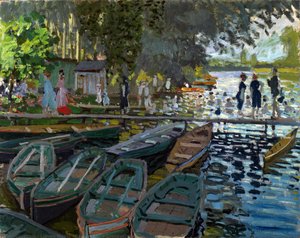
Claude Monet’s “Spring in Vetheuil,” painted in 1880, isn't merely a depiction of a riverside scene; it’s an immersion into the very feeling of springtime. This work, housed within the Wallraf-Richartz-Museum in Cologne, Germany, offers a glimpse into Monet’s revolutionary approach to painting – his dedication to capturing not just what he *saw*, but how light and atmosphere transformed that vision. The scene unfolds with a quiet grace: a solitary tree, laden with blossoms of delicate pink and white, dominates the foreground, its branches reaching towards a hazy sky. Beyond it, a tranquil waterway reflects the soft hues of the landscape, while a series of trees line the water’s edge, receding into a distant, almost dreamlike horizon. It's a scene brimming with serenity, yet vibrating with an undeniable energy – a testament to Monet’s ability to distill the fleeting beauty of nature onto canvas.
Impressionism and the Language of Light
“Spring in Vetheuil” is a quintessential example of Impressionist painting. Monet, along with his contemporaries like Renoir and Pissarro, rejected the rigid academic traditions of their time, opting instead to prioritize capturing the *impression* of a scene – the way light dances on surfaces, the subtle shifts in color, and the overall feeling evoked by a particular moment. Monet’s technique is immediately recognizable: loose, visible brushstrokes create a shimmering surface, avoiding sharp outlines and allowing the colors to blend optically. He employed what he called “broken color,” applying small dabs of pure pigment side-by-side rather than mixing them on the palette, resulting in a vibrant luminosity that seems to radiate from the canvas. The painting’s overall effect is one of movement and atmosphere – as if you could step into the scene and feel the gentle breeze rustling through the leaves.
Decoding Symbolism: Renewal and the Passage of Time
While seemingly a straightforward landscape, “Spring in Vetheuil” holds deeper symbolic resonance. The blossoming tree itself is a potent emblem of renewal – a visual representation of springtime’s arrival and the promise of new beginnings. Monet frequently used trees as symbols of life and growth within his work, often depicting them in various stages of bloom or decay. The water, mirroring the sky, adds to this sense of cyclical change, reflecting not just the physical landscape but also the passage of time. The muted palette – dominated by greens, blues, and soft pinks – contributes to a feeling of tranquility and contemplation, inviting the viewer to lose themselves in the scene’s peaceful atmosphere.
A Legacy of Light: Monet's Technique and Historical Context
Born in 1840, Claude Monet’s artistic journey was profoundly shaped by his encounter with Eugène Boudin, who encouraged him to paint *en plein air* – outdoors. This practice became the cornerstone of Monet’s style, allowing him to directly observe and translate the effects of light and atmosphere onto canvas. “Spring in Vetheuil” reflects this dedication to capturing fleeting moments, a hallmark of Impressionism's rise to prominence during the late 19th century. The painting emerged during a period of significant artistic experimentation, challenging established conventions and paving the way for modern art movements. It’s important to note that Monet’s work, like many others from this era, has been subject to historical scrutiny regarding potential connections to Nazi-looted art; resources on restitution claims can be found through Wikipedia: List of claims for restitution for Nazi-looted art. Despite these complexities, the artistic merit and enduring beauty of “Spring in Vetheuil” remain undeniable.
Bringing Monet’s Vision Home
A meticulously crafted oil painting reproduction of "Spring in Vetheuil" offers a remarkable opportunity to experience the magic of Monet's brushstrokes within your own space. OriginalUniqueArt.com and similar platforms provide high-quality reproductions that faithfully capture the artwork’s vibrant colors, delicate textures, and atmospheric depth. Whether you are an art enthusiast, a collector seeking to expand your collection, or simply someone looking for a beautiful piece of décor, this reproduction allows you to bring a touch of Impressionist brilliance into your home. Consider how the painting's luminous quality will interact with your existing interior design – its serene palette and evocative imagery creating a calming and inspiring focal point.
कलाकार का जीवन परिचय
क्लाउड मोनेट: प्रकाश और क्षणभंगुरता के कवि
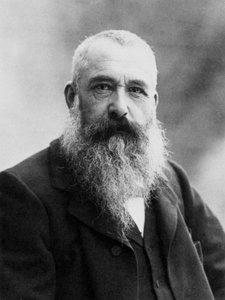
ऑस्कर-क्लाउड मोनेट, एक ऐसा नाम जो प्रभाववाद (Impressionism) से अभिन्न रूप से जुड़ा हुआ है, केवल परिदृश्य चित्रकार नहीं थे; वे क्षणिक पलों के क्रोनिकलर थे, प्रकाश और रंग के कवि थे। 14 नवंबर, 1840 को पेरिस में जन्मे, उनके शुरुआती जीवन में एक अप्रत्याशित मोड़ तब आया जब उनका परिवार पाँच वर्ष की आयु में नॉरमंडी (Normandy) के ले Havre (Le Havre) में चला गया। शुरू में उनके पिता द्वारा वाणिज्यिक करियर के लिए नियत, युवा क्लाउड की सहज कलात्मक प्रतिभा जल्द ही उभर कर सामने आई, पहले स्थानीय रूप से बेचे जाने वाले चारकोल कैरिकेचर (charcoal caricatures) के माध्यम से – उनकी कुशलता और उद्यमशीलता भावना दोनों का प्रमाण। हालाँकि, यूजीन बौडीन (Eugène Boudin) के साथ उनके मुठभेड़ ने निर्णायक साबित हुआ। बौडीन ने मोनेट को केवल यह नहीं सिखाया कि *कैसे* पेंट करना है; उन्होंने उनके भीतर एन प्लैन एयर—सीधे प्रकृति से—पेंट करने का क्रांतिकारी विचार स्थापित किया – एक ऐसी प्रथा जो उनके पूरे कलात्मक यात्रा को परिभाषित करेगी।
मोनेट की औपचारिक प्रशिक्षण पेरिस में शुरू हुई, संक्षिप्त रूप से एकेडमी सुइस (Académie Suisse) और बाद में चार्ल्स ग्लीयर (Charles Gleyre) के अधीन। यहीं पर उन्होंने ऑगस्टे रेनॉयर (Auguste Renoir) जैसे साथी कलाकारों के साथ स्थायी मित्रता निभाई, एक ऐसा बंधन जो साझा कलात्मक निराशाओं और पारंपरिक शैक्षणिक पेंटिंग की बाधाओं से मुक्त होने की इच्छा पर आधारित था। उनके शुरुआती कार्य, जबकि तकनीकी दक्षता का प्रदर्शन करते हैं, उस विशिष्ट आवाज की कमी थी जो जल्द ही उनकी शैली को चिह्नित करेगी। इसके बाद उथल-पुथल का दौर आया – फ्रांको-प्रशियाई युद्ध (Franco-Prussian War) के कारण मोनेट को लंदन शरण लेने के लिए मजबूर होना पड़ा, जहाँ उन्होंने जे.एम.डब्ल्यू. टर्नर (J.M.W. Turner) जैसे अंग्रेजी परिदृश्य के महानुभावों के कार्यों में खुद को डुबो दिया, उनके वायुमंडलीय प्रभावों और रंग के नवीन उपयोग को आत्मसात किया।
एक सौंदर्य क्रांति का जन्म
फ्रांस लौटने पर, मोनेट एक उभरते हुए कलात्मक विद्रोह में एक केंद्रीय व्यक्ति बन गए। सैलून (Salon) के रूढ़िवादी मानकों से असंतुष्ट होकर, उन्होंने अन्य समान विचारधारा वाले कलाकारों के साथ मिलकर स्वतंत्र प्रदर्शनियों का आयोजन किया। 1874 की प्रदर्शनी न केवल मोनेट के लिए बल्कि पूरे कला जगत के लिए भी एक महत्वपूर्ण क्षण साबित हुई। यहीं पर उनके चित्र “इंप्रेशन, soleil levant” (Impression, Sunrise) – डॉन (dawn) में ले Havre के बंदरगाह का धुंधला चित्रण – प्रदर्शित किया गया था, और इसी से "प्रभाववाद" शब्द की व्युत्पत्ति हुई। हालाँकि, नाम अटक गया, एक ऐसे आंदोलन के लिए एक सम्मानजनक प्रतीक के रूप में विकसित हुआ जो अपने सटीक प्रतिनिधित्व के बजाय दृश्य के व्यक्तिपरक *प्रभाव* को पकड़ने का प्रयास करता था।
इस अवधि के दौरान मोनेट की सिग्नेचर शैली पुष्पित हुई: ढीले, दिखाई देने वाले ब्रशस्ट्रोक (brushstrokes), जीवंत और अक्सर मिश्रित न किए गए रंग एक-दूसरे के बगल में लगाए जाते हैं (एक तकनीक जिसे "टूटे हुए रंग" के रूप में जाना जाता है), और प्रकाश के क्षणिक गुणों को पकड़ने पर अटूट ध्यान। उन्होंने लगातार अपने एन प्लैन एयर अभ्यास का पालन किया, बदलते परिस्थितियों के कारण दृश्य बदल जाने से पहले तुरंत अपनी धारणाओं को रिकॉर्ड करने के लिए तेजी से काम करते थे। यह समर्पण केवल यह चित्रित करने के बारे में नहीं था कि उन्होंने *क्या* देखा, बल्कि इसके प्रति उनकी प्रतिक्रिया में उन्होंने *कैसे* महसूस किया – कलात्मक सम्मेलनों से एक कट्टरपंथी प्रस्थान।
गिवर्नी: प्रकाश और प्रतिबिंब का स्वर्ग
1883 में, मोनेट गिवर्नी (Giverny), पेरिस के उत्तर-पश्चिम में बस गए, एक घर और उद्यान स्थापित किया जो दोनों उनका अभयारण्य और प्रेरणा का सबसे बड़ा स्रोत बन गया। उन्होंने सावधानीपूर्वक संपत्ति को एक विस्तृत स्वर्ग में बदल दिया, जिसमें विदेशी फूल, विलो के पेड़ और सबसे प्रसिद्ध रूप से, एक जापानी पुल द्वारा फैले हुए कमल के तालाब शामिल थे। यह केवल एक सजावटी बगीचा नहीं था; यह एक जीवित प्रयोगशाला थी जहाँ मोनेट नियंत्रित परिस्थितियों में पानी, पत्तों और प्रतिबिंबों पर प्रकाश के प्रभावों का अध्ययन कर सकता था।
उनके जीवन के अंतिम दशकों को लगभग पूरी तरह से गिवर्नी के कमल के तालाब को चित्रित करने के लिए समर्पित किया गया था। उन्होंने विशाल कैनवस शुरू किए जिनमें कमल के तालाब की सतह को रंग और प्रकाश के लगातार बदलते टेपेस्ट्री (tapestry) के रूप में दर्शाया गया था। ये केवल फूलों के चित्र नहीं थे; वे विसर्जनकारी अनुभव थे, जिसका उद्देश्य दर्शक को शांत सुंदरता और चिंतनशील स्थिरता की दुनिया में घेरना था। इन कार्यों का पैमाना आश्चर्यजनक है, पारंपरिक पेंटिंग की सीमाओं को आगे बढ़ाता है और सार अभिव्यक्तिवाद (abstract expressionism) का अनुमान लगाता है।
विरासत: कला इतिहास पर एक स्थायी प्रभाव
क्लाउड मोनेट का कला इतिहास पर प्रभाव असीम है। वे केवल प्रभाववाद के संस्थापक नहीं थे; उन्होंने कलाकारों द्वारा दुनिया को देखने और चित्रित करने के तरीके में मौलिक रूप से बदलाव किया। व्यक्तिपरक अनुभव पर उनका जोर, एन प्लैन एयर पेंटिंग को अपनाना और उनकी नवीन तकनीकों ने सार और गैर-प्रतिनिधि रूपों की खोज के लिए आधुनिक कला का मार्ग प्रशस्त किया।
मोनेट ने अपने जीवनकाल में महत्वपूर्ण वाणिज्यिक सफलता हासिल की – उनके युग के अत्याधुनिक कलाकारों के लिए एक दुर्लभ घटना। उनका काम दुनिया भर के दर्शकों को प्रेरित और मोहित करना जारी रखता है, जिससे पश्चिमी कला में सबसे महत्वपूर्ण आंकड़ों में से एक के रूप में उनकी जगह मजबूत होती है। 5 दिसंबर, 1926 को उनकी मृत्यु हो गई, जिससे एक विरासत पीछे छूट गई जो पीढ़ियों के कलाकारों और कला प्रेमियों दोनों को रोशन करती रहती है। उनके उत्कृष्ट कृतियों के महत्वपूर्ण संग्रह मुसी डी'ओरसे (Musée d'Orsay) और मुसी मार्मोटन मोनेट (Musée Marmottan Monet) में पेरिस में प्रतिष्ठित संस्थानों द्वारा आयोजित किए जाते हैं, यह सुनिश्चित करते हुए कि उनका दृष्टिकोण दुनिया को रोशन करना जारी रखेगा।
प्रमुख कलात्मक तकनीकें
- एन प्लैन एयर पेंटिंग: उनके विकास के लिए केंद्रीय, प्रकाश और वायुमंडल का प्रत्यक्ष अवलोकन करने की अनुमति देता है।
- टूटा हुआ रंग: ऑप्टिकल ब्लेंडिंग (optical blending) के लिए शुद्ध रंग के छोटे स्ट्रोक को एक-दूसरे के बगल में लगाना।
- श्रृंखला पेंटिंग: अलग-अलग प्रकाश और मौसम की स्थिति में एक ही विषय को चित्रित करना – समय और प्रकाश की परिवर्तनकारी शक्ति का प्रदर्शन करना।
क्लाउड मोनेट
1840 - 1926 , फ्रांस
मुख्य तथ्य
- Artistic Movement Or Style: प्रभाववाद (इंप्रेशनिज्म)
- Artists Or Movements Influenced By This Artist: ['आधुनिक कला']
- Artists Who Influenced This Artist:
- यूजीन बौडीन
- जे.एम.डब्ल्यू. टर्नर
- Date Of Birth: 14 नवंबर 1840
- Date Of Death: 5 दिसंबर 1926
- Full Name: ऑस्कर-क्लाउड मोनेट
- Nationality: फ्रांसीसी
- Notable Artworks:
- इम्प्रेशन, सूर्योदय
- जल लिली श्रृंखला
- गहू के ढेर
- रूएन कैथेड्रल
- Place Of Birth: पेरिस, फ्रांस
संबंधित लेख
क्लाउड मोनेट की शीर्ष 25 उत्कृष्ट कृतियाँ: कला और सौंदर्य का अद्भुत संग्रह | OriginalUniqueArt
क्लाउड मोनेट की शीर्ष 25 पेंटिंग! प्रभाववाद के जादू और वॉटर लिलीज़ की सुंदरता का अनुभव करें। कला इतिहास, तकनीक और प्रेरणादायक कहानियाँ जानें। OriginalUniqueArt.com पर उच्च गुणवत्ता वाले कला प्रिंट खोजें।

Impressionistic Landscapes: 10 Masterpieces That Changed Art & Decor
Journey into the heart of Impressionism! Explore 10 masterpieces by Monet, Renoir & Degas that revolutionized landscape art. Discover their stories, techniques & find museum-quality reproductions to elevate your home decor on OriginalUniqueArt.com.

छाया और प्रकाश की खोज: प्रभाववादी परिदृश्य के 10 उत्कृष्ट कृतियाँ
प्रभाववादी परिदृश्य की दुनिया में कदम रखें! मोनेट, रेनोइर और अन्य महान कलाकारों के 10 उत्कृष्ट कृतियों का अन्वेषण करें। कला इतिहास, तकनीक और प्रेरणा जानें। OriginalUniqueArt.com पर संग्रहालय-गुणवत्ता वाले प्रिंट खोजें।

Evocations of Place: A Historical Journey Through Landscape Art
Explore the rich history of landscape art with OriginalUniqueArt. Discover renowned artists, movements like Impressionism & tonalism, and expert guidance for collecting timeless pieces. Find your perfect serene escape today!

पॉल सेज़ान की शीर्ष 25 उत्कृष्ट कृतियाँ: कला और सजावट का अद्भुत संग्रह | OriginalUniqueArt
पॉल सेज़ान की शीर्ष 25 उत्कृष्ट कृतियों का अन्वेषण करें! प्रभाववाद और आधुनिक कला के जनक सेज़ान के जीवन, शैली और प्रसिद्ध चित्रों को जानें। OriginalUniqueArt पर उच्च गुणवत्ता वाले कैनवास प्रिंट और दीवार सजावट खरीदें।