पूर्वावलोकन देखें
 भेजें
भेजें साझा करें
 विवरण देखें
 मार्गदर्शिका

 डाउनलोड करें
 समान वस्तुएं
 एक्स-रे
 स्लाइड शो देखें
 आंकड़े
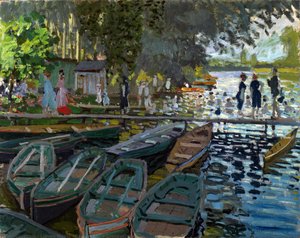
Luncheon on the Grass
 कैनवस पर एक्रिलिक पेंट
- वॉल आर्ट
- Impressionism
 1865
1865- आधुनिक काल
 130.0 x 181.0 cm
 पुష్किन राज्य संग्रहालय
 और पढ़ें
गिक्ली / आर्ट प्रिंट
तेज़ उत्पादन और विभिन्न फिनिश विकल्पों के साथ म्यूजियम-क्वालिटी गिकली (giclée) या कैनवस प्रिंट। ( हाथ से बनी पेंटिंग खरीदें डिजिटल इमेज पर जाएँ)




P118B ₹10

P118H ₹10

P118W ₹10

P438Z ₹10

P508JH ₹12

P508YH ₹12

P805H ₹10

P805Z ₹10

P919BZ ₹10

P919G ₹10

P919XJ ₹10

P959ZH ₹10

P968JZ ₹12

W106C ₹8

W218G ₹10

W218JH ₹8

W218Y ₹10

W307PJ ₹10

W316G ₹10

W316PJ ₹8

W316Y ₹10

W398PJ ₹8

W4111J ₹10

W500HY ₹15

W500JH ₹15

W692G ₹12

W849H ₹8

W940BG ₹15

W953PJ ₹8




कलाकृति के मूल अनुपात से मेल खाने वाले हमारे पूर्व निर्धारित आकारों में से चुनें।

अपने फ्रेम या अपनी दीवार के अनुसार आवश्यक चौड़ाई और ऊंचाई दर्ज करें। प्रिंट को केवल काटा जा सकता है, चित्र से बड़ा कभी नहीं बनाया जा सकता, इसलिए अलग आकार का साइज चित्र का एक हिस्सा खो देता है। किसी भी चीज़ को प्रिंट करने से पहले हम आपकी स्वीकृति के लिए आपको एक डिजिटल मॉकअप भेजते हैं। इस पृष्ठ पर दिखाया गया चित्र वास्तविक कटिंग नहीं दिखाता है — केवल मॉकअप ही इसे दर्शाता है।
विश्वव्यापी डिलीवरी (), मानक 4/5 सप्ताह के बजाय मात्र 2 सप्ताह में। (25 अक्टूबर)

दुनिया भर में मुफ़्त एक्सप्रेस शिपिंग

प्रीमियम ग्रेड लिनेन कैनवास

पूर्ण शिपिंग बीमा

सीमा शुल्क और आयात कर वापसी की गारंटी

सटीक रंग मिलान की गारंटी

100 दिनों की वापसी नीति (केवल निर्माण दोष होने पर)

100% पैसे वापसी की गारंटी

थोक छूट का अवसर
 ग्लास का विकल्प केवल 110 सेमी से कम आकार में ही उपलब्ध है।

Luncheon on the Grass
गिक्ली / आर्ट प्रिंट
प्रतिकृति का आकार
-


कुल मूल्य
₹ 7670
Luncheon on the Grass: A Symphony of Impressionistic Light
Claude Monet’s “Luncheon on the Grass,” completed in 1865, stands as a cornerstone of Impressionism and an enduring testament to Monet's revolutionary approach to painting. Measuring a monumental 130 x 181 cm, it currently resides within the prestigious Pushkin State Museum in Moscow, Russia—a location that underscores its significance within the canon of Western art history. This canvas isn’t merely a depiction of a picnic; it’s an immersive experience rendered through Monet's masterful manipulation of light and color, capturing a fleeting moment of summer conviviality with breathtaking precision.Composition and Setting: Capturing Atmosphere
The painting portrays a group of figures enjoying a leisurely meal outdoors—likely in Monet’s beloved Normandy garden. The scene unfolds with remarkable spontaneity, mirroring the Impressionist ethos of immediacy and observation. Monet skillfully arranges his subjects within a lush landscape dominated by vibrant greens and dappled sunlight. Notice how he subtly incorporates secondary figures – a woman tending to a basket of fruit and a man gesturing animatedly – adding depth and dynamism to the composition without disrupting its harmonious balance. The table itself serves as a focal point, illuminated by radiant beams of light that transform the colors surrounding it into shimmering hues.Monet’s Technique: Pioneering Impressionistic Brushstrokes
Monet's technique exemplifies the core principles of Impressionism. He employed oil paints on canvas, applying loose, visible brushstrokes—a deliberate departure from academic conventions—to convey the sensation of light and color rather than meticulous detail. Monet utilized a layering process known as *glazing*, applying thin washes of pigment over previous layers to build up tonal variations and create an ethereal luminosity. The bold strokes capture the movement of air and the shimmering reflections on water, creating an illusion of depth and vibrancy that transcends mere representation. This technique was heavily influenced by Eugène Boudin’s teachings about painting en plein air—directly from nature—a practice that profoundly shaped Monet's artistic vision.Historical Context: Challenging Artistic Norms
“Luncheon on the Grass” emerged during a period of significant upheaval in the art world, marking a decisive rejection of Romantic idealism and academic realism. The Salon rejected Monet’s painting initially, highlighting the controversy surrounding Impressionism’s unconventional style. However, its subsequent acceptance by critics and collectors signaled a triumph for Monet's artistic innovation and paved the way for the broader embrace of Impressionist principles. This painting represents a crucial step in establishing Impressionism as a dominant force in European art—a movement that would forever alter perceptions of beauty and artistic expression.Symbolic Resonance: Light, Color, and Everyday Life
Beyond its technical brilliance, “Luncheon on the Grass” resonates with symbolic significance. Monet’s deliberate focus on capturing the ephemeral qualities of light and color speaks to the Impressionists' fascination with sensory experience and their desire to convey emotion through visual art. The picnic itself symbolizes leisure, companionship, and the appreciation of natural beauty—themes that were central to the Romantic era but reimagined in a more accessible and optimistic vein by Monet and his contemporaries. Ultimately, “Luncheon on the Grass” invites viewers to contemplate not just what they see but how it feels—a testament to Monet’s enduring legacy as one of art history's most influential figures.प्रश्न और उत्तर
क्या क्लाउड मोनेट द्वारा "Luncheon on the Grass" के रंग गहरे और चमकीले हैं या हल्के और सौम्य?
"Luncheon on the Grass" का रंग पैलेट संतृप्ति (saturation) में संतुलित कोमल है।
क्लाउड मोनेट द्वारा "Luncheon on the Grass" का ओरिएंटेशन (orientation) क्या है?
"Luncheon on the Grass" का प्रारूप लैंडस्केप है। यह तब उपयोगी होता है जब आप यह योजना बना रहे हों कि पुनरुत्पादन (reproduction) कहाँ रखा जाएगा।
क्लाउड मोनेट द्वारा "Luncheon on the Grass" के लिए किस स्थान का सुझाव दिया गया है?
क्लाउड मोनेट द्वारा "Luncheon on the Grass" के लिए लिविंग रूम की अनुशंसा की जाती है। यह सुझाव कलाकृति के विषय, रंगों और भाव पर आधारित है।
कलाकार का परिचय
प्रकाश में डूबा एक जीवन: क्लाउड मोनेट की दुनिया
ऑस्कर-क्लाउड मोनेट, एक ऐसा नाम जो प्रभाववाद (Impressionism) का पर्याय है, केवल परिदृश्य चित्रकार नहीं थे; वे क्षणिक पलों के क्रोनिकलर थे, प्रकाश और रंग के कवि थे। 14 नवंबर, 1840 को पेरिस में जन्मे, उनके शुरुआती जीवन में एक अप्रत्याशित मोड़ तब आया जब पाँच वर्ष की आयु में उनका परिवार नॉरमंडी के ले Havre में बस गया। हालाँकि उनके पिता उन्हें एक वाणिज्यिक करियर के लिए तैयार कर रहे थे, लेकिन युवा क्लाउड की सहज कलात्मक प्रतिभा जल्द ही उभर कर सामने आई, जो पहले स्थानीय स्तर पर बेचे जाने वाले चारकोल कैरिकेचर के रूप में दिखाई दी – जो उनकी कुशलता और उद्यमशीलता दोनों का प्रमाण था। हालाँकि, यूजीन बौडीन के साथ उनका मिलन निर्णायक साबित हुआ। बौडीन ने मोनेट को केवल यह नहीं सिखाया कि *कैसे* पेंट करना है; उन्होंने उनके भीतर एन प्लेन एयर—सीधे प्रकृति से—पेंट करने का क्रांतिकारी विचार स्थापित किया – एक ऐसी प्रथा जो उनकी पूरी कलात्मक यात्रा को परिभाषित करने वाली थी।
मोनेट का औपचारिक प्रशिक्षण पेरिस में शुरू हुआ, पहले अकादेमी सुइस (Académie Suisse) में और बाद में चार्ल्स ग्लीरे के मार्गदर्शन में। यहीं उन्होंने ऑगस्ट रेनोआ जैसे साथी कलाकारों के साथ स्थायी मित्रता की नींव रखी, एक ऐसा बंधन जो साझा कलात्मक संघर्षों और पारंपरिक अकादमिक पेंटिंग की सीमाओं से मुक्त होने की इच्छा पर आधारित था। उनके शुरुआती कार्यों में तकनीकी दक्षता तो थी, लेकिन उनमें उस विशिष्ट स्वर का अभाव था जो जल्द ही उनकी शैली की पहचान बनने वाला था। इसके बाद उथल-पुथल का एक दौर आया – फ्रेंको-प्रुशियन युद्ध के कारण मोनेट को लंदन में शरण लेनी पड़ी, जहाँ उन्होंने जे.एम.डब्ल्यू. टर्नर जैसे अंग्रेजी परिदृश्य दिग्गजों के कार्यों में खुद को डुबो दिया और उनके वायुमंडलीय प्रभावों एवं रंगों के अभिनव उपयोग को आत्मसात किया।
एक सौंदर्यवादी क्रांति का जन्म
फ्रांस लौटने पर, मोनेट एक उभरते हुए कलात्मक विद्रोह के केंद्र बिंदु बन गए। सैलून (Salon) के रूढ़िवादी मानकों से असंतुष्ट होकर, उन्होंने स्वतंत्र प्रदर्शनियाँ आयोजित करने के लिए अन्य समान विचारधारा वाले कलाकारों के साथ हाथ मिलाया। 1874 की प्रदर्शनी न केवल मोनेट के लिए बल्कि पूरी कला जगत के लिए एक ऐतिहासिक मोड़ साबित हुई। यहीं उनकी पेंटिंग “इंप्रशन, सोले लेवेंट” (Impression, Sunrise) प्रदर्शित की गई थी – जो भोर के समय ले Havre के बंदरगाह का एक धुंधला चित्रण था – और इसी से उपहासपूर्ण शब्द "प्रभाववाद" (Impressionism) की उत्पत्ति हुई। हालाँकि, यह नाम उनके साथ जुड़ गया और एक ऐसे आंदोलन के सम्मान के प्रतीक के रूप में विकसित हुआ जिसने किसी दृश्य के सटीक चित्रण के बजाय उसके व्यक्तिपरक *प्रभाव* को कैद करने का प्रयास किया।
इस अवधि के दौरान मोनेट की विशिष्ट शैली पूरी तरह से निखर कर आई: ढीले, स्पष्ट ब्रशस्ट्रोक, जीवंत और अक्सर बिना मिले हुए रंग जिन्हें अगल-बगल लगाया जाता था (एक तकनीक जिसे “ब्रोकन कलर” कहा जाता है), और प्रकाश के क्षणभंगुर गुणों को पकड़ने पर अटूट ध्यान। उन्होंने अपनी एन प्लेन एयर पद्धति का अथक अभ्यास किया, बदलते परिवेश द्वारा दृश्य को बदलने से पहले अपनी तात्कालिक धारणाओं को दर्ज करने के लिए तेजी से काम किया। यह समर्पण केवल वह चित्रित करने के बारे में नहीं था जो उन्होंने *देखा*, बल्कि इसके प्रति उनकी *अनुभूति* के बारे में था – जो कलात्मक परंपराओं से एक क्रांतिकारी विचलन था।
गिवर्नी: प्रकाश और प्रतिबिंब का स्वर्ग
1883 में, मोनेट पेरिस के उत्तर-पश्चिम में गिवर्नी में बस गए, जहाँ उन्होंने एक ऐसा घर और बगीचा बनाया जो उनका आश्रय स्थल और प्रेरणा का सबसे बड़ा स्रोत बन गया। उन्होंने इस संपत्ति को बड़ी बारीकी से एक विस्तृत स्वर्ग में बदल दिया, जिसमें विदेशी फूल, विलो के पेड़ और सबसे प्रसिद्ध रूप से, एक जापानी पुल से सटा हुआ जल लिली का तालाब शामिल था। यह केवल एक सजावटी बगीचा नहीं था; यह एक जीवित प्रयोगशाला थी जहाँ मोनेट नियंत्रित परिस्थितियों में पानी, पत्तियों और प्रतिबिंबों पर प्रकाश के प्रभावों का अध्ययन कर सकते थे।
उनके जीवन के अंतिम दशक लगभग पूरी तरह से गिवर्नी के जल लिली तालाब को चित्रित करने के प्रति समर्पित थे। उन्होंने विशाल 'वॉटर लिलीज' (Nymphéas) श्रृंखला की शुरुआत की, जिसमें ऐसे बड़े कैनवस बनाए जिन्होंने तालाब की सतह को रंग और प्रकाश के निरंतर बदलते हुए टेपेस्ट्री के रूप में दिखाया। ये केवल फूलों के चित्र नहीं थे; ये एक ऐसा गहन अनुभव थे, जिसे दर्शक को शांत सुंदरता और चिंतनशील स्थिरता की दुनिया में सराबोर करने के लिए बनाया गया था। इन कार्यों का पैमाना विस्मयकारी है, जो पारंपरिक पेंटिंग की सीमाओं को आगे बढ़ाता है और अमूर्त अभिव्यक्तिवाद (Abstract Expressionism) का पूर्वाभास देता है।
विरासत: कला इतिहास पर एक स्थायी प्रभाव
कला इतिहास पर क्लाउड मोनेट का प्रभाव अतुलनीय है। वे केवल प्रभाववाद के संस्थापक नहीं थे; उन्होंने मौलिक रूप से उस तरीके को बदल दिया जिससे कलाकार अपने आसपास की दुनिया को देखते और प्रस्तुत करते हैं। व्यक्तिपरक अनुभव पर उनके जोर, एन प्लेन एयर पेंटिंग के उनके प्रेम, और उनकी नवीन तकनीकों ने आधुनिक कला के अमूर्तता और गैर-प्रतिनिधित्ववादी रूपों की खोज का मार्ग प्रशस्त किया।
मोनेट ने अपने जीवनकाल में काफी व्यावसायिक सफलता प्राप्त की – जो उनके युग के अग्रगामी कलाकारों के लिए दुर्लभ था। उनका कार्य आज भी दुनिया भर के दर्शकों को विस्मय से भर देता है, जिससे पश्चिमी कला में एक अत्यंत महत्वपूर्ण व्यक्तित्व के रूप में उनका स्थान सुदृढ़ होता है। 5 दिसंबर, 1926 को उनका निधन हो गया, लेकिन वे अपने पीछे एक ऐसी विरासत छोड़ गए जो कलाकारों और कला प्रेमियों की पीढ़ियों में गूंजती रहती है। उनकी उत्कृष्ट कृतियों का महत्वपूर्ण संग्रह पेरिस के प्रतिष्ठित संस्थानों जैसे म्यूज़ियम डी'ओर्से और म्यूज़ियम मार्मोटन मोनेट में सुरक्षित है, जो यह सुनिश्चित करता है कि उनका दृष्टिकोण दुनिया को आलोकित करना जारी रखे।
प्रमुख कलात्मक तकनीकें
- एन प्लेन एयर पेंटिंग: उनके विकास का केंद्र, जिसने प्रकाश और वातावरण के प्रत्यक्ष अवलोकन की अनुमति दी।
- ब्रोकन कलर (Broken Color): ऑप्टिकल सम्मिश्रण के लिए शुद्ध रंगों के छोटे स्ट्रोक को अगल-बगल लगाना।
- सीरीज पेंटिंग: अलग-अलग प्रकाश और मौसम की स्थितियों के तहत एक ही विषय का चित्रण करना – जो समय और प्रकाश की परिवर्तनकारी शक्ति को प्रदर्शित करता है।
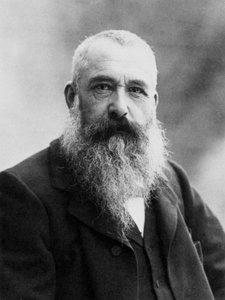
क्लाउड मोनेट
1840 - 1926 , फ्रांस
संक्षिप्त जानकारी
- Artistic Movement Or Style: प्रभाववाद (इंप्रेशनिज्म)
- Artists Or Movements Influenced By This Artist: ['आधुनिक कला']
- Artists Who Influenced This Artist:
- यूजीन बौडीन
- जे.एम.डब्ल्यू. टर्नर
- Date Of Birth: 14 नवंबर 1840
- Date Of Death: 5 दिसंबर 1926
- Full Name: ऑस्कर-क्लाउड मोनेट
- Nationality: फ्रांसीसी
- Notable Artworks:
- इम्प्रेशन, सूर्योदय
- जल लिली श्रृंखला
- गहू के ढेर
- रूएन कैथेड्रल
- Place Of Birth: पेरिस, फ्रांस
संबंधित लेखों की सूची

Impressionistic Landscapes: 10 Masterpieces That Changed Art & Decor
Journey into the heart of Impressionism! Explore 10 masterpieces by Monet, Renoir & Degas that revolutionized landscape art. Discover their stories, techniques & find museum-quality reproductions to elevate your home decor on OriginalUniqueArt.com.

छाया और प्रकाश की खोज: प्रभाववादी परिदृश्य के 10 उत्कृष्ट कृतियाँ
प्रभाववादी परिदृश्य की दुनिया में कदम रखें! मोनेट, रेनोइर और अन्य महान कलाकारों के 10 उत्कृष्ट कृतियों का अन्वेषण करें। कला इतिहास, तकनीक और प्रेरणा जानें। OriginalUniqueArt.com पर संग्रहालय-गुणवत्ता वाले प्रिंट खोजें।
प्रभाववाद के 10 उत्कृष्ट कृतियाँ: कला, कलाकार और आपके घर के लिए सजावट
प्रभाववाद की 10 उत्कृष्ट कृतियाँ जानें! मोनेट, रेनॉयर जैसे कलाकारों के अद्भुत कार्यों का अन्वेषण करें। कला इतिहास और घर की सजावट के लिए प्रेरणा पाएं। OriginalUniqueArt.com पर संग्रहालय-गुणवत्ता वाले कला पुनरुत्पादन खरीदें। ऑनलाइन संग्रह देखें!
क्लाउड मोनेट की शीर्ष 25 उत्कृष्ट कृतियाँ: कला और सौंदर्य का अद्भुत संग्रह | OriginalUniqueArt
क्लाउड मोनेट की शीर्ष 25 पेंटिंग! प्रभाववाद के जादू और वॉटर लिलीज़ की सुंदरता का अनुभव करें। कला इतिहास, तकनीक और प्रेरणादायक कहानियाँ जानें। OriginalUniqueArt.com पर उच्च गुणवत्ता वाले कला प्रिंट खोजें।
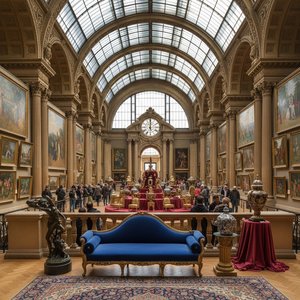
पेरिस के Musée d'Orsay की 25 उत्कृष्ट कलाकृतियाँ: इतिहास, कलाकार और सौंदर्य
पेरिस के Musée d'Orsay की 25 उत्कृष्ट कलाकृतियों का अन्वेषण करें! क्लाउड मोनेट, वान गाग और देगास जैसे कलाकारों की कहानियाँ जानें। प्रभाववाद और पोस्ट-प्रभाववाद से प्रेरित घर की सजावट के लिए उच्च गुणवत्ता वाले कला प्रिंट खरीदें - OriginalUniqueArt.com पर।