पूर्वावलोकन देखें
 भेजें
भेजें साझा करें
 विवरण देखें
 मार्गदर्शिका

 डाउनलोड करें
 समान वस्तुएं
 एक्स-रे
 स्लाइड शो देखें
 आंकड़े
Japonnaise


 और पढ़ें
हस्तनिर्मित ऑयल रिप्रोडक्शन
आपके आकार और फ्रेम के अनुसार कैनवास पर हाथ से बनी ऑयल पेंटिंग, हमारे कलाकारों द्वारा विशेष रूप से ऑर्डर पर तैयार। ( प्रिंट विकल्प पर जाएँ डिजिटल इमेज पर जाएँ)




P118B ₹10

P118H ₹10

P118W ₹10

P438Z ₹10

P508JH ₹12

P508YH ₹12

P805H ₹10

P805Z ₹10

P919BZ ₹10

P919G ₹10

P919XJ ₹10

P959ZH ₹10

P968JZ ₹12

W106C ₹8

W218G ₹10

W218JH ₹8

W218Y ₹10

W307PJ ₹10

W316G ₹10

W316PJ ₹8

W316Y ₹10

W398PJ ₹8

W4111J ₹10

W500HY ₹15

W500JH ₹15

W692G ₹12

W849H ₹8

W940BG ₹15

W953PJ ₹8




कलाकृति के मूल अनुपात से मेल खाने वाले हमारे पूर्व निर्धारित आकारों में से चुनें।

अपने फ्रेम या अपनी दीवार के अनुसार आवश्यक चौड़ाई और ऊंचाई दर्ज करें। यह हाथ से पेंट किया गया है, इसलिए अलग आकार के लिए कलाकार चित्र के चारों ओर थोड़ा अधिक पेंट कर सकता है, या थोड़ा काट सकता है — चुनाव आपका है। पेंटिंग शुरू होने से पहले हम आपकी स्वीकृति के लिए एक डिजिटल मॉकअप भेजते हैं। इस पृष्ठ पर दिखाई गई तस्वीर वास्तविक परिणाम नहीं दिखाती है — केवल मॉकअप ही वास्तविक रूप दिखाता है।
ऑर्डर देने के बाद, OriginalUniqueArt.com टीम निर्देशों के लिए क्लाइंट को ईमेल करेगी और एक मॉकअप प्रीव्यू प्रदान करेगी
विश्वव्यापी वितरण () मानक 5 सप्ताह के बजाय मात्र 3/4 सप्ताह में। (23 अक्टूबर)। गुणवत्ता से कोई समझौता नहीं।

दुनिया भर में मुफ़्त एक्सप्रेस शिपिंग

प्रीमियम ग्रेड लिनेन कैनवास

पूर्ण शिपिंग बीमा

सीमा शुल्क और आयात कर वापसी की गारंटी

सटीक रंग मिलान की गारंटी

100 दिनों की वापसी नीति (केवल निर्माण दोष होने पर)

100% पैसे वापसी की गारंटी

थोक छूट का अवसर
 ग्लास का विकल्प केवल 110 सेमी से कम आकार में ही उपलब्ध है।

Japonnaise
प्रतिकृति की सामग्री
प्रतिकृति का आकार
-


कुल मूल्य
₹ 28805
A Glimpse of Japonisme: Claude Monet’s *Japonnaise*
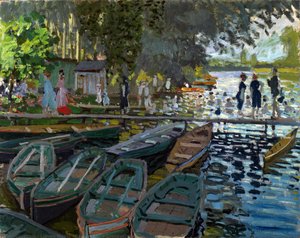
Claude Monet's *Japonnaise*, painted in 1876, isn’t merely a portrait; it’s a captivating window into the burgeoning fascination Europe held with Japanese culture during the late 19th century. This oil painting, now residing within the esteemed collection of the Museum of Fine Arts, Boston, transcends a simple depiction of a woman and her surroundings, offering instead a complex meditation on Western appropriation of Eastern aesthetics and the evolving role of women in society. The work immediately draws the eye with its rich palette – deep reds, vibrant blues, and subtle greens—a deliberate choice that echoes the bold colors characteristic of Japanese woodblock prints, or *ukiyo-e*, which had recently begun to circulate widely throughout Europe.
At the heart of the composition stands Camille Doncieux, Monet’s beloved wife, posed in a lavish red kimono. The garment itself is a key element, meticulously rendered with intricate embroidery – a detail that speaks volumes about the value placed on Japanese craftsmanship and luxury at the time. Her pose, slightly turned away from the viewer, creates an intimate yet distant quality, mirroring the way subjects were often depicted in Japanese prints. Notably, Camille wears a blonde wig; this deliberate alteration reflects the Western desire to transform the exotic into something familiar, a process known as “Japonisme.” The inclusion of the wig subtly highlights the painting’s commentary on cultural exchange – a beautiful object admired and adopted, but ultimately filtered through a European lens.
Impressionistic Techniques & Atmospheric Depth
Monet's signature Impressionistic style is powerfully evident in *Japonnaise*. He employs loose brushstrokes and a broken color technique to capture the fleeting effects of light and atmosphere. Rather than striving for photographic realism, Monet prioritizes conveying his subjective experience of the scene—the way light dances on fabrics, the subtle shifts in color, and the overall mood. The background is particularly noteworthy; it’s not a detailed representation of a Japanese room but rather an atmospheric construction built from layered washes of paint, creating a sense of depth and spatial ambiguity. The scattered umbrellas, rendered with similar broken brushwork, contribute to this feeling of movement and transient beauty.
Monet's use of color is particularly striking. The reds are not uniform; they range from deep crimson to lighter shades, suggesting the play of light on silk and creating a sense of warmth and luxury. The blues and greens in the background provide a cool counterpoint, grounding the composition and adding visual interest. He masterfully utilizes *plein air* painting techniques, working directly from observation, which is evident in the immediacy and freshness of the work.
Symbolism & Cultural Dialogue
*Japonnaise* operates on multiple symbolic levels. Beyond its surface depiction of a fashionable woman in Japanese attire, it raises questions about cultural appropriation and the romanticized view of the “Orient” prevalent at the time. The samurai figure embroidered on Camille’s robe is particularly significant; it represents both the exotic allure of Japan and the Western fascination with military power and tradition. The inclusion of the fan, a common motif in Japanese art and culture, further reinforces this dialogue.
Furthermore, the painting can be interpreted as a commentary on the changing role of women in Victorian society. Camille’s pose—elegant yet slightly detached—suggests a woman navigating the constraints of her social position while simultaneously embracing elements of foreign exoticism. The painting is not simply a portrait; it's a visual exploration of identity, cultural exchange, and the complexities of representation.
A Reproduction for Your Space
OriginalUniqueArt offers meticulously hand-painted reproductions of *Japonnaise* that capture the essence of Monet’s masterpiece. Our skilled artists replicate his distinctive brushwork, vibrant colors, and atmospheric depth with exceptional accuracy. Whether you're an art enthusiast, a collector seeking to expand your collection, or simply looking for a stunning piece of wall décor, our reproduction provides an authentic representation of this iconic work. Choose from a range of sizes and framing options to perfectly complement your interior design style. Experience the beauty and intrigue of *Japonnaise* in your own home – a timeless testament to Monet’s artistic vision and the captivating allure of Japonisme.
प्रश्न और उत्तर
क्लाउड मोनेट द्वारा "Japonnaise" के रंग कितने सामंजस्यपूर्ण हैं?
"Japonnaise" का रंग सामंजस्य Strong Color Unity के रूप में दर्ज है।
"Japonnaise" किस सामग्री से बना है, और इसकी शैली क्या है?
क्लाउड मोनेट द्वारा "Japonnaise", Acrylic On Canvas तकनीक को Impressionism शैली के साथ जोड़ता है। तकनीक और आंदोलन कलाकृति के निर्माण और उसकी शैली का वर्णन करते हैं।
"Japonnaise" के प्रिंट का अनुशंसित उपयोग क्या है?
क्लाउड मोनेट द्वारा "Japonnaise" की यह प्रतिकृति Statement के लिए अनुशंसित है। यह सुझाव इस कृति के विषय, भाव और रंगों पर आधारित है।
कलाकार का परिचय
प्रकाश में डूबा एक जीवन: क्लाउड मोनेट की दुनिया
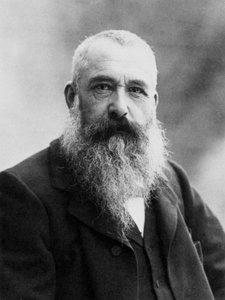
ऑस्कर-क्लाउड मोनेट, एक ऐसा नाम जो प्रभाववाद (Impressionism) का पर्याय है, केवल परिदृश्य चित्रकार नहीं थे; वे क्षणिक पलों के क्रोनिकलर थे, प्रकाश और रंग के कवि थे। 14 नवंबर, 1840 को पेरिस में जन्मे, उनके शुरुआती जीवन में एक अप्रत्याशित मोड़ तब आया जब पाँच वर्ष की आयु में उनका परिवार नॉरमंडी के ले Havre में बस गया। हालाँकि उनके पिता उन्हें एक वाणिज्यिक करियर के लिए तैयार कर रहे थे, लेकिन युवा क्लाउड की सहज कलात्मक प्रतिभा जल्द ही उभर कर सामने आई, जो पहले स्थानीय स्तर पर बेचे जाने वाले चारकोल कैरिकेचर के रूप में दिखाई दी – जो उनकी कुशलता और उद्यमशीलता दोनों का प्रमाण था। हालाँकि, यूजीन बौडीन के साथ उनका मिलन निर्णायक साबित हुआ। बौडीन ने मोनेट को केवल यह नहीं सिखाया कि *कैसे* पेंट करना है; उन्होंने उनके भीतर एन प्लेन एयर—सीधे प्रकृति से—पेंट करने का क्रांतिकारी विचार स्थापित किया – एक ऐसी प्रथा जो उनकी पूरी कलात्मक यात्रा को परिभाषित करने वाली थी।
मोनेट का औपचारिक प्रशिक्षण पेरिस में शुरू हुआ, पहले अकादेमी सुइस (Académie Suisse) में और बाद में चार्ल्स ग्लीरे के मार्गदर्शन में। यहीं उन्होंने ऑगस्ट रेनोआ जैसे साथी कलाकारों के साथ स्थायी मित्रता की नींव रखी, एक ऐसा बंधन जो साझा कलात्मक संघर्षों और पारंपरिक अकादमिक पेंटिंग की सीमाओं से मुक्त होने की इच्छा पर आधारित था। उनके शुरुआती कार्यों में तकनीकी दक्षता तो थी, लेकिन उनमें उस विशिष्ट स्वर का अभाव था जो जल्द ही उनकी शैली की पहचान बनने वाला था। इसके बाद उथल-पुथल का एक दौर आया – फ्रेंको-प्रुशियन युद्ध के कारण मोनेट को लंदन में शरण लेनी पड़ी, जहाँ उन्होंने जे.एम.डब्ल्यू. टर्नर जैसे अंग्रेजी परिदृश्य दिग्गजों के कार्यों में खुद को डुबो दिया और उनके वायुमंडलीय प्रभावों एवं रंगों के अभिनव उपयोग को आत्मसात किया।
एक सौंदर्यवादी क्रांति का जन्म
फ्रांस लौटने पर, मोनेट एक उभरते हुए कलात्मक विद्रोह के केंद्र बिंदु बन गए। सैलून (Salon) के रूढ़िवादी मानकों से असंतुष्ट होकर, उन्होंने स्वतंत्र प्रदर्शनियाँ आयोजित करने के लिए अन्य समान विचारधारा वाले कलाकारों के साथ हाथ मिलाया। 1874 की प्रदर्शनी न केवल मोनेट के लिए बल्कि पूरी कला जगत के लिए एक ऐतिहासिक मोड़ साबित हुई। यहीं उनकी पेंटिंग “इंप्रशन, सोले लेवेंट” (Impression, Sunrise) प्रदर्शित की गई थी – जो भोर के समय ले Havre के बंदरगाह का एक धुंधला चित्रण था – और इसी से उपहासपूर्ण शब्द "प्रभाववाद" (Impressionism) की उत्पत्ति हुई। हालाँकि, यह नाम उनके साथ जुड़ गया और एक ऐसे आंदोलन के सम्मान के प्रतीक के रूप में विकसित हुआ जिसने किसी दृश्य के सटीक चित्रण के बजाय उसके व्यक्तिपरक *प्रभाव* को कैद करने का प्रयास किया।
इस अवधि के दौरान मोनेट की विशिष्ट शैली पूरी तरह से निखर कर आई: ढीले, स्पष्ट ब्रशस्ट्रोक, जीवंत और अक्सर बिना मिले हुए रंग जिन्हें अगल-बगल लगाया जाता था (एक तकनीक जिसे “ब्रोकन कलर” कहा जाता है), और प्रकाश के क्षणभंगुर गुणों को पकड़ने पर अटूट ध्यान। उन्होंने अपनी एन प्लेन एयर पद्धति का अथक अभ्यास किया, बदलते परिवेश द्वारा दृश्य को बदलने से पहले अपनी तात्कालिक धारणाओं को दर्ज करने के लिए तेजी से काम किया। यह समर्पण केवल वह चित्रित करने के बारे में नहीं था जो उन्होंने *देखा*, बल्कि इसके प्रति उनकी *अनुभूति* के बारे में था – जो कलात्मक परंपराओं से एक क्रांतिकारी विचलन था।
गिवर्नी: प्रकाश और प्रतिबिंब का स्वर्ग
1883 में, मोनेट पेरिस के उत्तर-पश्चिम में गिवर्नी में बस गए, जहाँ उन्होंने एक ऐसा घर और बगीचा बनाया जो उनका आश्रय स्थल और प्रेरणा का सबसे बड़ा स्रोत बन गया। उन्होंने इस संपत्ति को बड़ी बारीकी से एक विस्तृत स्वर्ग में बदल दिया, जिसमें विदेशी फूल, विलो के पेड़ और सबसे प्रसिद्ध रूप से, एक जापानी पुल से सटा हुआ जल लिली का तालाब शामिल था। यह केवल एक सजावटी बगीचा नहीं था; यह एक जीवित प्रयोगशाला थी जहाँ मोनेट नियंत्रित परिस्थितियों में पानी, पत्तियों और प्रतिबिंबों पर प्रकाश के प्रभावों का अध्ययन कर सकते थे।
उनके जीवन के अंतिम दशक लगभग पूरी तरह से गिवर्नी के जल लिली तालाब को चित्रित करने के प्रति समर्पित थे। उन्होंने विशाल 'वॉटर लिलीज' (Nymphéas) श्रृंखला की शुरुआत की, जिसमें ऐसे बड़े कैनवस बनाए जिन्होंने तालाब की सतह को रंग और प्रकाश के निरंतर बदलते हुए टेपेस्ट्री के रूप में दिखाया। ये केवल फूलों के चित्र नहीं थे; ये एक ऐसा गहन अनुभव थे, जिसे दर्शक को शांत सुंदरता और चिंतनशील स्थिरता की दुनिया में सराबोर करने के लिए बनाया गया था। इन कार्यों का पैमाना विस्मयकारी है, जो पारंपरिक पेंटिंग की सीमाओं को आगे बढ़ाता है और अमूर्त अभिव्यक्तिवाद (Abstract Expressionism) का पूर्वाभास देता है।
विरासत: कला इतिहास पर एक स्थायी प्रभाव
कला इतिहास पर क्लाउड मोनेट का प्रभाव अतुलनीय है। वे केवल प्रभाववाद के संस्थापक नहीं थे; उन्होंने मौलिक रूप से उस तरीके को बदल दिया जिससे कलाकार अपने आसपास की दुनिया को देखते और प्रस्तुत करते हैं। व्यक्तिपरक अनुभव पर उनके जोर, एन प्लेन एयर पेंटिंग के उनके प्रेम, और उनकी नवीन तकनीकों ने आधुनिक कला के अमूर्तता और गैर-प्रतिनिधित्ववादी रूपों की खोज का मार्ग प्रशस्त किया।
मोनेट ने अपने जीवनकाल में काफी व्यावसायिक सफलता प्राप्त की – जो उनके युग के अग्रगामी कलाकारों के लिए दुर्लभ था। उनका कार्य आज भी दुनिया भर के दर्शकों को विस्मय से भर देता है, जिससे पश्चिमी कला में एक अत्यंत महत्वपूर्ण व्यक्तित्व के रूप में उनका स्थान सुदृढ़ होता है। 5 दिसंबर, 1926 को उनका निधन हो गया, लेकिन वे अपने पीछे एक ऐसी विरासत छोड़ गए जो कलाकारों और कला प्रेमियों की पीढ़ियों में गूंजती रहती है। उनकी उत्कृष्ट कृतियों का महत्वपूर्ण संग्रह पेरिस के प्रतिष्ठित संस्थानों जैसे म्यूज़ियम डी'ओर्से और म्यूज़ियम मार्मोटन मोनेट में सुरक्षित है, जो यह सुनिश्चित करता है कि उनका दृष्टिकोण दुनिया को आलोकित करना जारी रखे।
प्रमुख कलात्मक तकनीकें
- एन प्लेन एयर पेंटिंग: उनके विकास का केंद्र, जिसने प्रकाश और वातावरण के प्रत्यक्ष अवलोकन की अनुमति दी।
- ब्रोकन कलर (Broken Color): ऑप्टिकल सम्मिश्रण के लिए शुद्ध रंगों के छोटे स्ट्रोक को अगल-बगल लगाना।
- सीरीज पेंटिंग: अलग-अलग प्रकाश और मौसम की स्थितियों के तहत एक ही विषय का चित्रण करना – जो समय और प्रकाश की परिवर्तनकारी शक्ति को प्रदर्शित करता है।
क्लाउड मोनेट
1840 - 1926 , फ्रांस
संक्षिप्त जानकारी
- Artistic Movement Or Style: प्रभाववाद (इंप्रेशनिज्म)
- Artists Or Movements Influenced By This Artist: ['आधुनिक कला']
- Artists Who Influenced This Artist:
- यूजीन बौडीन
- जे.एम.डब्ल्यू. टर्नर
- Date Of Birth: 14 नवंबर 1840
- Date Of Death: 5 दिसंबर 1926
- Full Name: ऑस्कर-क्लाउड मोनेट
- Nationality: फ्रांसीसी
- Notable Artworks:
- इम्प्रेशन, सूर्योदय
- जल लिली श्रृंखला
- गहू के ढेर
- रूएन कैथेड्रल
- Place Of Birth: पेरिस, फ्रांस
संबंधित लेखों की सूची

Impressionistic Landscapes: 10 Masterpieces That Changed Art & Decor
Journey into the heart of Impressionism! Explore 10 masterpieces by Monet, Renoir & Degas that revolutionized landscape art. Discover their stories, techniques & find museum-quality reproductions to elevate your home decor on OriginalUniqueArt.com.
क्लाउड मोनेट की शीर्ष 25 उत्कृष्ट कृतियाँ: कला और सौंदर्य का अद्भुत संग्रह | OriginalUniqueArt
क्लाउड मोनेट की शीर्ष 25 पेंटिंग! प्रभाववाद के जादू और वॉटर लिलीज़ की सुंदरता का अनुभव करें। कला इतिहास, तकनीक और प्रेरणादायक कहानियाँ जानें। OriginalUniqueArt.com पर उच्च गुणवत्ता वाले कला प्रिंट खोजें।
पेरिस के Musée d'Orsay की 25 उत्कृष्ट कलाकृतियाँ: इतिहास, कलाकार और सौंदर्य
पेरिस के Musée d'Orsay की 25 उत्कृष्ट कलाकृतियों का अन्वेषण करें! क्लाउड मोनेट, वान गाग और देगास जैसे कलाकारों की कहानियाँ जानें। प्रभाववाद और पोस्ट-प्रभाववाद से प्रेरित घर की सजावट के लिए उच्च गुणवत्ता वाले कला प्रिंट खरीदें - OriginalUniqueArt.com पर।

छाया और प्रकाश की खोज: प्रभाववादी परिदृश्य के 10 उत्कृष्ट कृतियाँ
प्रभाववादी परिदृश्य की दुनिया में कदम रखें! मोनेट, रेनोइर और अन्य महान कलाकारों के 10 उत्कृष्ट कृतियों का अन्वेषण करें। कला इतिहास, तकनीक और प्रेरणा जानें। OriginalUniqueArt.com पर संग्रहालय-गुणवत्ता वाले प्रिंट खोजें।

Impressionism's Masterpieces: 10 Paintings That Defined a Movement | OriginalUniqueArt
Journey through Impressionism's heart with 10 iconic paintings by Monet, Renoir & Degas. Explore light, color & the stories behind these masterpieces. Find museum-quality art reproductions and elevate your home decor on OriginalUniqueArt.com.