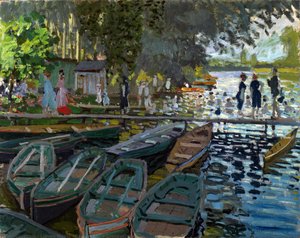
पूर्वावलोकन देखें
 साझा करें
 साझा करें
 विस्तृत विवरण

 डाउनलोड करें
 समान कलाकृतियाँ
 एक्स-रे
 स्लाइड शो देखें
Coquelicots

 पूरा देखें
गिक्ली / आर्ट प्रिंट
तेज़ उत्पादन और विभिन्न फिनिश विकल्पों के साथ म्यूजियम-क्वालिटी गिकली (giclée) या कैनवस प्रिंट। ( हाथ से बनी पेंटिंग खरीदें छवि खरीदें)




P118B $10

P118H $10

P118W $10

P438Z $10

P508JH $12

P508YH $12

P805H $10

P805Z $10

P919BZ $10

P919G $10

P919XJ $10

P959ZH $10

P968JZ $12

W106C $8

W218G $10

W218JH $8

W218Y $10

W307PJ $10

W316G $10

W316PJ $8

W316Y $10

W398PJ $8

W4111J $10

W500HY $15

W500JH $15

W692G $12

W849H $8

W940BG $15

W953PJ $8




कलाकृति के मूल अनुपात से मेल खाने वाले हमारे पूर्व निर्धारित आकारों में से चुनें।

आप किसी विशिष्ट फ्रेम या स्थान के अनुसार अपने स्वयं के आयाम (dimensions) दर्ज कर सकते हैं। यदि आपके द्वारा चुना गया आकार मूल छवि के अनुपात से मेल नहीं खाता है, तो हम कलाकृति को क्रॉप कर देंगे या मिरर किए गए या सॉलिड-फिल किनारे के साथ छवि का विस्तार करेंगे। उत्पादन शुरू होने से पहले आपकी स्वीकृति के लिए एक डिजिटल मॉकअप भेजा जाएगा।
कृपया ध्यान दें कि स्क्रीन पर दिखने वाला प्रीव्यू वास्तविक क्रॉपिंग या विस्तार को नहीं दर्शाता है। केवल मॉकअप ही अंतिम संरचना को सटीक रूप से दिखाएगा।
हालाँकि कस्टम आकार उपलब्ध हैं, फिर भी हम मूल अनुपात बनाए रखने के लिए पूर्व-निर्धारित सूची में से एक आयाम चुनने की सलाह देते हैं।
विश्वव्यापी डिलीवरी (), मानक 4/5 सप्ताह के बजाय मात्र 2 सप्ताह में। (2 सितमबर)

दुनिया भर में मुफ़्त एक्सप्रेस शिपिंग

उच्च गुणवत्ता वाला लिनेन कैनवास

पूर्ण शिपिंग बीमा

सीमा शुल्क और आयात कर वापसी की गारंटी

सटीक रंग मिलान की गारंटी

60-दिन की वापसी नीति (केवल दोषों के लिए)

100% पैसे वापसी की गारंटी

थोक छूट का लाभ
 ग्लास का विकल्प केवल 110 सेमी से कम आकार में ही उपलब्ध है।

Coquelicots
गिक्ली / आर्ट प्रिंट
प्रतिकृति का आकार
-


कुल देय राशि
$ 80
“Coquelicots”: A Symphony of Light and Emotion in Monet’s Impressionistic Vision
Claude Monet, a name inextricably linked to the very essence of Impressionism, wasn't merely an artist who depicted landscapes; he was a profound observer of ephemeral beauty—a poet translating light into pigment onto canvas. Born in Paris on November 14, 1840, his formative years unfolded amidst the burgeoning artistic fervor of the Belle Époque, shaping him into the luminary we recognize today. His early life took an unexpected detour when his family relocated to Le Havre, Normandy, at the age of five—a move that would irrevocably connect him with the vibrant hues and textures of the French countryside. While initially destined for a commercially viable path by his father, young Claude’s innate artistic inclination swiftly asserted itself, beginning with charcoal caricatures sold locally – an early demonstration of both his talent and entrepreneurial spirit. However, it was Eugène Boudin's influence that truly ignited Monet’s artistic trajectory. Boudin didn’t simply impart painting skills; he championed a revolutionary approach: *plein air*—painting directly from nature—a practice that would become the cornerstone of Monet’s artistic philosophy and propel him to international acclaim. Boudin instilled within Monet the conviction that capturing the fleeting effects of sunlight was paramount, urging him to abandon studio conventions in favor of immersing himself in the immediacy of observation. This decision fundamentally altered the course of Impressionism itself.The Canvas Speaks: Technique and Style
Monet’s formal artistic training commenced in Paris, initially at the Académie Suisse before progressing to Charles Gleyre's studio. It was here he honed his skills under Gleyre’s guidance, absorbing lessons on tonal gradation and compositional balance—skills that would serve as invaluable tools for his subsequent explorations of color and light. Yet, it was Boudin who fundamentally reshaped Monet’s artistic vision. The artist embraced Boudin's encouragement to forgo the traditional studio setting, opting instead for outdoor sessions where he could directly confront the challenges and rewards of capturing atmospheric conditions. This dedication to *plein air* resulted in a distinctive style characterized by loose brushstrokes—broken color patches applied with visible impasto—creating an illusion of shimmering light and vibrating hues. Monet meticulously layered paint onto canvas, striving to reproduce not just what he saw but how it felt – the warmth of the sun, the coolness of shade, the subtle shifts in color as the day progressed.A Field Ablaze: Context and Symbolism
“Coquelicots,” or Poppy Fields near Argenteuil, exemplifies Monet’s unwavering commitment to Impressionistic principles. Painted between 1873 and 1874 during a period of intense artistic experimentation, the artwork reflects the broader cultural landscape of its time—a burgeoning fascination with scientific observation and a desire to represent subjective experience rather than objective reality. Argenteuil, Monet's chosen residence at the time, served as an ideal laboratory for capturing the transformative effects of light on natural subjects. Supported by his astute dealer, Paul Durand-Ruel, Monet found in the region’s verdant meadows the perfect canvas for exploring the expressive potential of *plein air* painting. The choice of poppies—symbolic of remembrance and mourning—adds a poignant layer of emotional resonance to the composition. They stand as emblems of beauty amidst sorrow, mirroring the artist's own contemplation on mortality and the passage of time.Ephemeral Beauty: Emotional Impact
The painting’s luminous palette—dominated by shades of crimson, ochre, and emerald green—captures the radiant glow of midday sun filtering through a field brimming with poppies. Monet skillfully renders the dappled light dancing across the petals, conveying not merely visual information but also an intangible sense of serenity and wonder. The inclusion of figures strolling leisurely through the meadow underscores the importance of human presence in experiencing nature’s grandeur—a theme central to Impressionist aesthetics. “Coquelicots” transcends mere depiction; it invites viewers into Monet's artistic process, allowing them to share in his profound appreciation for fleeting beauty and his unwavering belief in painting as a conduit for emotional expression. It remains a testament to Monet’s genius – an enduring masterpiece that continues to inspire awe and contemplation centuries later.कलाकार का जीवन परिचय
क्लाउड मोनेट: प्रकाश और क्षणभंगुरता के कवि
ऑस्कर-क्लाउड मोनेट, एक ऐसा नाम जो प्रभाववाद (Impressionism) से अभिन्न रूप से जुड़ा हुआ है, केवल परिदृश्य चित्रकार नहीं थे; वे क्षणिक पलों के क्रोनिकलर थे, प्रकाश और रंग के कवि थे। 14 नवंबर, 1840 को पेरिस में जन्मे, उनके शुरुआती जीवन में एक अप्रत्याशित मोड़ तब आया जब उनका परिवार पाँच वर्ष की आयु में नॉरमंडी (Normandy) के ले Havre (Le Havre) में चला गया। शुरू में उनके पिता द्वारा वाणिज्यिक करियर के लिए नियत, युवा क्लाउड की सहज कलात्मक प्रतिभा जल्द ही उभर कर सामने आई, पहले स्थानीय रूप से बेचे जाने वाले चारकोल कैरिकेचर (charcoal caricatures) के माध्यम से – उनकी कुशलता और उद्यमशीलता भावना दोनों का प्रमाण। हालाँकि, यूजीन बौडीन (Eugène Boudin) के साथ उनके मुठभेड़ ने निर्णायक साबित हुआ। बौडीन ने मोनेट को केवल यह नहीं सिखाया कि *कैसे* पेंट करना है; उन्होंने उनके भीतर एन प्लैन एयर—सीधे प्रकृति से—पेंट करने का क्रांतिकारी विचार स्थापित किया – एक ऐसी प्रथा जो उनके पूरे कलात्मक यात्रा को परिभाषित करेगी।
मोनेट की औपचारिक प्रशिक्षण पेरिस में शुरू हुई, संक्षिप्त रूप से एकेडमी सुइस (Académie Suisse) और बाद में चार्ल्स ग्लीयर (Charles Gleyre) के अधीन। यहीं पर उन्होंने ऑगस्टे रेनॉयर (Auguste Renoir) जैसे साथी कलाकारों के साथ स्थायी मित्रता निभाई, एक ऐसा बंधन जो साझा कलात्मक निराशाओं और पारंपरिक शैक्षणिक पेंटिंग की बाधाओं से मुक्त होने की इच्छा पर आधारित था। उनके शुरुआती कार्य, जबकि तकनीकी दक्षता का प्रदर्शन करते हैं, उस विशिष्ट आवाज की कमी थी जो जल्द ही उनकी शैली को चिह्नित करेगी। इसके बाद उथल-पुथल का दौर आया – फ्रांको-प्रशियाई युद्ध (Franco-Prussian War) के कारण मोनेट को लंदन शरण लेने के लिए मजबूर होना पड़ा, जहाँ उन्होंने जे.एम.डब्ल्यू. टर्नर (J.M.W. Turner) जैसे अंग्रेजी परिदृश्य के महानुभावों के कार्यों में खुद को डुबो दिया, उनके वायुमंडलीय प्रभावों और रंग के नवीन उपयोग को आत्मसात किया।
एक सौंदर्य क्रांति का जन्म
फ्रांस लौटने पर, मोनेट एक उभरते हुए कलात्मक विद्रोह में एक केंद्रीय व्यक्ति बन गए। सैलून (Salon) के रूढ़िवादी मानकों से असंतुष्ट होकर, उन्होंने अन्य समान विचारधारा वाले कलाकारों के साथ मिलकर स्वतंत्र प्रदर्शनियों का आयोजन किया। 1874 की प्रदर्शनी न केवल मोनेट के लिए बल्कि पूरे कला जगत के लिए भी एक महत्वपूर्ण क्षण साबित हुई। यहीं पर उनके चित्र “इंप्रेशन, soleil levant” (Impression, Sunrise) – डॉन (dawn) में ले Havre के बंदरगाह का धुंधला चित्रण – प्रदर्शित किया गया था, और इसी से "प्रभाववाद" शब्द की व्युत्पत्ति हुई। हालाँकि, नाम अटक गया, एक ऐसे आंदोलन के लिए एक सम्मानजनक प्रतीक के रूप में विकसित हुआ जो अपने सटीक प्रतिनिधित्व के बजाय दृश्य के व्यक्तिपरक *प्रभाव* को पकड़ने का प्रयास करता था।
इस अवधि के दौरान मोनेट की सिग्नेचर शैली पुष्पित हुई: ढीले, दिखाई देने वाले ब्रशस्ट्रोक (brushstrokes), जीवंत और अक्सर मिश्रित न किए गए रंग एक-दूसरे के बगल में लगाए जाते हैं (एक तकनीक जिसे "टूटे हुए रंग" के रूप में जाना जाता है), और प्रकाश के क्षणिक गुणों को पकड़ने पर अटूट ध्यान। उन्होंने लगातार अपने एन प्लैन एयर अभ्यास का पालन किया, बदलते परिस्थितियों के कारण दृश्य बदल जाने से पहले तुरंत अपनी धारणाओं को रिकॉर्ड करने के लिए तेजी से काम करते थे। यह समर्पण केवल यह चित्रित करने के बारे में नहीं था कि उन्होंने *क्या* देखा, बल्कि इसके प्रति उनकी प्रतिक्रिया में उन्होंने *कैसे* महसूस किया – कलात्मक सम्मेलनों से एक कट्टरपंथी प्रस्थान।
गिवर्नी: प्रकाश और प्रतिबिंब का स्वर्ग
1883 में, मोनेट गिवर्नी (Giverny), पेरिस के उत्तर-पश्चिम में बस गए, एक घर और उद्यान स्थापित किया जो दोनों उनका अभयारण्य और प्रेरणा का सबसे बड़ा स्रोत बन गया। उन्होंने सावधानीपूर्वक संपत्ति को एक विस्तृत स्वर्ग में बदल दिया, जिसमें विदेशी फूल, विलो के पेड़ और सबसे प्रसिद्ध रूप से, एक जापानी पुल द्वारा फैले हुए कमल के तालाब शामिल थे। यह केवल एक सजावटी बगीचा नहीं था; यह एक जीवित प्रयोगशाला थी जहाँ मोनेट नियंत्रित परिस्थितियों में पानी, पत्तों और प्रतिबिंबों पर प्रकाश के प्रभावों का अध्ययन कर सकता था।
उनके जीवन के अंतिम दशकों को लगभग पूरी तरह से गिवर्नी के कमल के तालाब को चित्रित करने के लिए समर्पित किया गया था। उन्होंने विशाल कैनवस शुरू किए जिनमें कमल के तालाब की सतह को रंग और प्रकाश के लगातार बदलते टेपेस्ट्री (tapestry) के रूप में दर्शाया गया था। ये केवल फूलों के चित्र नहीं थे; वे विसर्जनकारी अनुभव थे, जिसका उद्देश्य दर्शक को शांत सुंदरता और चिंतनशील स्थिरता की दुनिया में घेरना था। इन कार्यों का पैमाना आश्चर्यजनक है, पारंपरिक पेंटिंग की सीमाओं को आगे बढ़ाता है और सार अभिव्यक्तिवाद (abstract expressionism) का अनुमान लगाता है।
विरासत: कला इतिहास पर एक स्थायी प्रभाव
क्लाउड मोनेट का कला इतिहास पर प्रभाव असीम है। वे केवल प्रभाववाद के संस्थापक नहीं थे; उन्होंने कलाकारों द्वारा दुनिया को देखने और चित्रित करने के तरीके में मौलिक रूप से बदलाव किया। व्यक्तिपरक अनुभव पर उनका जोर, एन प्लैन एयर पेंटिंग को अपनाना और उनकी नवीन तकनीकों ने सार और गैर-प्रतिनिधि रूपों की खोज के लिए आधुनिक कला का मार्ग प्रशस्त किया।
मोनेट ने अपने जीवनकाल में महत्वपूर्ण वाणिज्यिक सफलता हासिल की – उनके युग के अत्याधुनिक कलाकारों के लिए एक दुर्लभ घटना। उनका काम दुनिया भर के दर्शकों को प्रेरित और मोहित करना जारी रखता है, जिससे पश्चिमी कला में सबसे महत्वपूर्ण आंकड़ों में से एक के रूप में उनकी जगह मजबूत होती है। 5 दिसंबर, 1926 को उनकी मृत्यु हो गई, जिससे एक विरासत पीछे छूट गई जो पीढ़ियों के कलाकारों और कला प्रेमियों दोनों को रोशन करती रहती है। उनके उत्कृष्ट कृतियों के महत्वपूर्ण संग्रह मुसी डी'ओरसे (Musée d'Orsay) और मुसी मार्मोटन मोनेट (Musée Marmottan Monet) में पेरिस में प्रतिष्ठित संस्थानों द्वारा आयोजित किए जाते हैं, यह सुनिश्चित करते हुए कि उनका दृष्टिकोण दुनिया को रोशन करना जारी रखेगा।
प्रमुख कलात्मक तकनीकें
- एन प्लैन एयर पेंटिंग: उनके विकास के लिए केंद्रीय, प्रकाश और वायुमंडल का प्रत्यक्ष अवलोकन करने की अनुमति देता है।
- टूटा हुआ रंग: ऑप्टिकल ब्लेंडिंग (optical blending) के लिए शुद्ध रंग के छोटे स्ट्रोक को एक-दूसरे के बगल में लगाना।
- श्रृंखला पेंटिंग: अलग-अलग प्रकाश और मौसम की स्थिति में एक ही विषय को चित्रित करना – समय और प्रकाश की परिवर्तनकारी शक्ति का प्रदर्शन करना।
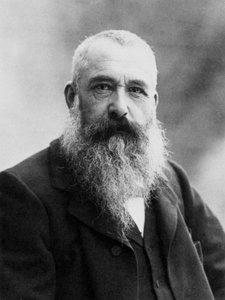
क्लाउड मोनेट
1840 - 1926 , फ्रांस
मुख्य तथ्य
- Artistic Movement Or Style: प्रभाववाद (इंप्रेशनिज्म)
- Artists Or Movements Influenced By This Artist: ['आधुनिक कला']
- Artists Who Influenced This Artist:
- यूजीन बौडीन
- जे.एम.डब्ल्यू. टर्नर
- Date Of Birth: 14 नवंबर 1840
- Date Of Death: 5 दिसंबर 1926
- Full Name: ऑस्कर-क्लाउड मोनेट
- Nationality: फ्रांसीसी
- Notable Artworks:
- इम्प्रेशन, सूर्योदय
- जल लिली श्रृंखला
- गहू के ढेर
- रूएन कैथेड्रल
- Place Of Birth: पेरिस, फ्रांस
संबंधित लेख
क्लाउड मोनेट की शीर्ष 25 उत्कृष्ट कृतियाँ: कला और सौंदर्य का अद्भुत संग्रह | OriginalUniqueArt
क्लाउड मोनेट की शीर्ष 25 पेंटिंग! प्रभाववाद के जादू और वॉटर लिलीज़ की सुंदरता का अनुभव करें। कला इतिहास, तकनीक और प्रेरणादायक कहानियाँ जानें। OriginalUniqueArt.com पर उच्च गुणवत्ता वाले कला प्रिंट खोजें।

Impressionistic Landscapes: 10 Masterpieces That Changed Art & Decor
Journey into the heart of Impressionism! Explore 10 masterpieces by Monet, Renoir & Degas that revolutionized landscape art. Discover their stories, techniques & find museum-quality reproductions to elevate your home decor on OriginalUniqueArt.com.

छाया और प्रकाश की खोज: प्रभाववादी परिदृश्य के 10 उत्कृष्ट कृतियाँ
प्रभाववादी परिदृश्य की दुनिया में कदम रखें! मोनेट, रेनोइर और अन्य महान कलाकारों के 10 उत्कृष्ट कृतियों का अन्वेषण करें। कला इतिहास, तकनीक और प्रेरणा जानें। OriginalUniqueArt.com पर संग्रहालय-गुणवत्ता वाले प्रिंट खोजें।
पेरिस के Musée d'Orsay की 25 उत्कृष्ट कलाकृतियाँ: इतिहास, कलाकार और सौंदर्य
पेरिस के Musée d'Orsay की 25 उत्कृष्ट कलाकृतियों का अन्वेषण करें! क्लाउड मोनेट, वान गाग और देगास जैसे कलाकारों की कहानियाँ जानें। प्रभाववाद और पोस्ट-प्रभाववाद से प्रेरित घर की सजावट के लिए उच्च गुणवत्ता वाले कला प्रिंट खरीदें - OriginalUniqueArt.com पर।
Capturing Light: The Revolution of Impressionism and the Enduring Legacy of Claude Monet
Explore the revolutionary history of Impressionism and the luminous legacy of Claude Monet. Discover how his mastery of light and color redefined modern art through an expert-led journey into the heart of 19th-century France.