

 पूर्वावलोकन देखें
 साझा करें
 साझा करें
 विस्तृत विवरण

 डाउनलोड करें
 समान कलाकृतियाँ
 एक्स-रे
 स्लाइड शो देखें
 आंकड़े
Democritus
 Oil
Oil- WallArt
- Baroque and Rococo
 1692
1692- Early Modern
 69.0 x 57.0 cm
 लौवर संग्रहालय
 पूरा देखें
गिक्ली / आर्ट प्रिंट
तेज़ उत्पादन और विभिन्न फिनिश विकल्पों के साथ म्यूजियम-क्वालिटी गिकली (giclée) या कैनवस प्रिंट। ( हाथ से बनी पेंटिंग खरीदें डिजिटल इमेज पर स्विच करें)




P118B $10

P118H $10

P118W $10

P438Z $10

P508JH $12

P508YH $12

P805H $10

P805Z $10

P919BZ $10

P919G $10

P919XJ $10

P959ZH $10

P968JZ $12

W106C $8

W218G $10

W218JH $8

W218Y $10

W307PJ $10

W316G $10

W316PJ $8

W316Y $10

W398PJ $8

W4111J $10

W500HY $15

W500JH $15

W692G $12

W849H $8

W940BG $15

W953PJ $8




कलाकृति के मूल अनुपात से मेल खाने वाले हमारे पूर्व निर्धारित आकारों में से चुनें।

आप किसी विशिष्ट फ्रेम या स्थान के अनुसार अपने स्वयं के आयाम (dimensions) दर्ज कर सकते हैं। यदि आपके द्वारा चुना गया आकार मूल छवि के अनुपात से मेल नहीं खाता है, तो हम कलाकृति को क्रॉप कर देंगे या मिरर किए गए या सॉलिड-फिल किनारे के साथ छवि का विस्तार करेंगे। उत्पादन शुरू होने से पहले आपकी स्वीकृति के लिए एक डिजिटल मॉकअप भेजा जाएगा।
कृपया ध्यान दें कि स्क्रीन पर दिखने वाला प्रीव्यू वास्तविक क्रॉपिंग या विस्तार को नहीं दर्शाता है। केवल मॉकअप ही अंतिम संरचना को सटीक रूप से दिखाएगा।
हालाँकि कस्टम आकार उपलब्ध हैं, फिर भी हम मूल अनुपात बनाए रखने के लिए पूर्व-निर्धारित सूची में से एक आयाम चुनने की सलाह देते हैं।
विश्वव्यापी डिलीवरी (), मानक 4/5 सप्ताह के बजाय मात्र 2 सप्ताह में। (16 सितमबर)

दुनिया भर में मुफ़्त एक्सप्रेस शिपिंग

उच्च गुणवत्ता वाला लिनेन कैनवास

पूर्ण शिपिंग बीमा

सीमा शुल्क और आयात कर वापसी की गारंटी

सटीक रंग मिलान की गारंटी

100-दिन की वापसी नीति (केवल दोषपूर्ण होने पर)

100% पैसे वापसी की गारंटी

थोक छूट का लाभ
 ग्लास का विकल्प केवल 110 सेमी से कम आकार में ही उपलब्ध है।

Democritus
गिक्ली / आर्ट प्रिंट
प्रतिकृति का आकार
-


कुल देय राशि
$ 80
Charles Antoine Coypel: A Synthesis of Baroque Grandeur and Rococo Delight
Charles Antoine Coypel (1694-1752) stands as a pivotal figure in French art history, embodying the stylistic transition between the opulent Baroque era and the burgeoning Rococo movement. Born in Paris to Antoine Coypel, himself a celebrated artist, Coypel inherited a lineage steeped in artistic tradition – his grandfather Noël Coypel was also a respected painter. This familial connection undoubtedly fostered an early appreciation for visual artistry and propelled him toward a distinguished career as premier peintre du roi (first painter to the king) at Louis XIV’s court, a position he held until his untimely death. He represents a crucial bridge between two dominant artistic sensibilities, skillfully blending their characteristics into a uniquely expressive oeuvre. His ascent began with a formal apprenticeship under Nicolas Frémiet, mastering the techniques of oil painting and etching – skills that would prove invaluable throughout his prolific output. Coypel quickly gained recognition for his ability to capture dramatic narratives and idealized figures, aligning perfectly with the tastes of the French aristocracy during Louis XIV’s reign. However, unlike many Baroque artists who prioritized monumental scale and formal rigidity, Coypel embraced a softer aesthetic, incorporating delicate pastel hues and flowing drapery—elements characteristic of Rococo style. This stylistic duality is evident throughout his extensive body of work, demonstrating an artist acutely aware of the evolving artistic landscape.The Painting: Democritus – A Portrait Steeped in Symbolism
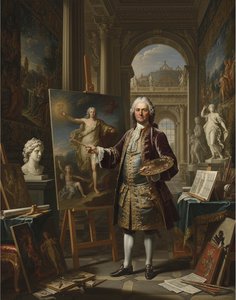
“Democritus” depicts a man with a dignified gaze and subtle smile, rendered in meticulous detail against a muted crimson backdrop. The subject’s attire—a scarlet robe—immediately evokes associations with royalty and piety, suggesting he may have been a religious figure or an intellectual deeply engaged in philosophical contemplation. Coypel's masterful use of chiaroscuro – the dramatic interplay between light and shadow – enhances the portrait’s expressive power, emphasizing the contours of the face and conveying a sense of inner serenity. Two additional figures flank the central subject, appearing smaller and serving as compositional anchors—likely intended to convey depth and perspective within the frame.Technique and Style: Baroque Precision Meets Rococo Elegance
Coypel’s technique exemplifies the harmonious blend of Baroque precision and Rococo elegance. He employed oil paint on canvas with painstaking accuracy, achieving remarkable tonal gradations and capturing subtle nuances of skin texture. Yet, he skillfully incorporated Rococo stylistic elements—such as soft pastel colors and flowing drapery—creating a visual experience that transcends mere representation. The artist’s meticulous attention to detail is particularly noticeable in the rendering of the man's facial features and hair, demonstrating his mastery of anatomical observation. This combination resulted in an artwork that possesses both grandeur and grace, reflecting the artistic sensibilities of its time.Historical Context: Louis XIV’s Court and Artistic Patronage
“Democritus” was created during the zenith of Louis XIV’s reign—a period marked by unparalleled royal patronage of the arts. Coypel benefited enormously from this support, securing commissions for portraits and decorative panels that adorned Versailles and other palaces throughout France. The Baroque tradition, established under Louis XIII, continued to exert influence on artistic production, emphasizing grandeur, monumentality, and idealized beauty. However, Coypel’s work signaled a decisive shift toward the Rococo style—characterized by frivolity, ornamentation, and an emphasis on sensual pleasure—reflecting the changing tastes of the French court and society.Emotional Impact: Serenity Amidst Formal Ornamentation
Despite its formal elegance, “Democritus” communicates a profound sense of inner peace and contemplation. The man’s serene expression invites viewers to engage in introspection, mirroring the philosophical ideals prevalent during Coypel's era. The subdued crimson hue of the robe contributes to the painting’s atmosphere of solemn dignity—a deliberate contrast to the exuberant colors and decorative flourishes typical of Rococo art. Ultimately, Coypel’s masterpiece transcends mere visual spectacle, offering a glimpse into the human spirit and capturing the essence of aristocratic refinement.कलाकार का जीवन परिचय
चार्ल्स एंटोनी कोयपेल की विरासत: युगों के बीच एक सेतु
फ्रांसीसी कला इतिहास के भव्य ताने-बाने में, बहुत कम व्यक्तित्व बारोक (Baroque) की भारी भव्यता से रोकोको (Rococo) की चंचल सुंदरता तक के नाजुक संक्रमण को चार्ल्स एंटोनी कोयपेल की तरह शालीनता से साकार करते हैं। 1694 में पेरिस में एक प्रतिष्ठित कलात्मक वंश में जन्मे, कोयपेल महानता के लिए ही नियति थे। प्रसिद्ध एंटोनी कोयपेल के पुत्र और नोएल कोयपेल के पोते के रूप में, उनका अस्तित्व अकादमी रॉयल की परंपराओं में रचा-बसा था। इस पारिवारिक विरासत ने उन्हें केवल एक नाम ही नहीं दिया; बल्कि इसने उन्हें अपने समय के उस्तादों के सानिध्य में प्रशिक्षण लेने का अवसर भी प्रदान किया, जिससे वे शास्त्रीय संरचना की गहरी समझ और फ्रांसीसी दरबार की आवश्यकता वाले नाटकीय कौशल को विरासत में प्राप्त कर सके।
निकोलस फ्रिमेट के मार्गदर्शन में उनके प्रारंभिक प्रशिक्षण ने उन्हें नक्काशी (etching) की सटीकता से लेकर तेल चित्रकला (oil painting) की प्रवाहपूर्ण महारत तक, एक बहुमुखी तकनीकी कौशल से सुसज्जित किया। यह बहुमुखी प्रतिभा उनके करियर का आधार बनी, जिसने उन्हें 18वीं शताब्दी की शुरुआत के बदलते सौंदर्यवादी रुझानों के साथ तालमेल बिठाने में सक्षम बनाया। हालाँकि उनकी नींव देर से आने वाले बारोक शैली की भव्य और अक्सर नाटकीय शैली में मजबूती से जमी हुई थी, फिर भी उनमें उभरती हुई रोकोको भावना के प्रति एक अद्वितीय संवेदनशीलता थी। उन्होंने अपने कार्यों में एक नई तरह की हल्कापन भरना शुरू किया, जिसमें कोमल पेस्टल रंगों का उपयोग, असममित व्यवस्थाएं और एक ऐसा सजावटी आकर्षण शामिल था, जिसने आने वाले दशकों तक फ्रांसीसी सौंदर्यशास्त्र को परिभाषित किया।
कथावाचन और शाही आयोग के उस्ताद
कोयपेल के पेशेवर जीवन का चरमोत्कर्ष उनकी प्रतिष्ठित नियुक्ति प्रिमियर पेंटर डू रोई (राजा के प्रथम चित्रकार) के रूप में हुआ। लुई XIV और उनके उत्तराधिकारियों के दरबार की सेवा करते हुए, वे फ्रांसीसी राजशाही के प्रमुख दृश्य कथावाचक बन गए। उनकी प्रतिभा कैनवास से कहीं आगे तक फैली हुई थी; वे एक दूरदर्शी डिजाइनर थे जो समझते थे कि कला कैसे पूरे वास्तुकला स्थलों को जीवंत कर सकती है। उनकी सबसे लुभावनी उपलब्धियों में से एक वर्साय चैपल (Versailles Chapel) में उनका योगदान है, जहाँ उनके भित्ति चित्र कार्य—जैसे कि ईश्वर पिता का महिमामय चित्रण—ने मास्टरफुल ट्रॉम्प-ल'ऑइल (trompe-l'oeil) तकनीकों का उपयोग किया, जिससे ऐसे स्वर्गीय परिप्रेक्ष्य निर्मित हुए जो छत को ही स्वर्ग में विलीन करते प्रतीत होते थे।
शाही चैपलों की दीवारों से परे, गोबेलिन मैन्युफैक्चररी (Gobelins Manufactory) के साथ उनके व्यापक सहयोग के माध्यम से कोयपेल का प्रभाव सजावटी कलाओं में भी समाहित हो गया। उनके पास महाकाव्य कथाओं को भव्य टेपेस्ट्री डिजाइनों में बदलने की एक दुर्लभ क्षमता थी। होमर की इलियड और ओडिसी> से प्रेरित श्रृंखलाओं पर उनके कार्य ने रंग और गति पर गहरा नियंत्रण प्रदर्शित किया, जिससे बुने हुए धागे प्रकाश और छाया की महाकाव्य कविताओं में बदल गए। शायद उनका सबसे साहसी और क्रांतिकारी प्रयास मिगुएल डी सर्वेंटिस के डॉन क्विक्सोट के लिए उनकी सचित्र श्रृंखला थी। इस परियोजना में, कोयपेल ने कठोर औपचारिकता को त्यागकर कहानी कहने के एक अधिक गतिशील और चरित्र-प्रधान दृष्टिकोण को अपनाया, जिससे शास्त्रीय चित्रण और आधुनिक कथा कला के बीच की खाई प्रभावी रूप से भर गई।
कलात्मक महत्व और स्थायी प्रभाव
चार्ल्स एंटोनी कोयपेल का ऐतिहासिक महत्व एक कलात्मक मध्यस्थ के रूप में उनकी भूमिका में निहित है। उन्होंने केवल एक युग से दूसरे युग में संक्रमण को देखा ही नहीं; बल्कि उन्होंने इसे सक्रिय रूप से आकार दिया। बारोक की संरचनात्मक अखंडता और नाटकीय भार को रोकोको की चंचल, वायुपूर्ण भव्यता के साथ मिश्रित करके, उन्होंने एक ऐसी शैलीगत निरंतरता प्रदान की जिसने फ्रांसीसी कला को अपनी महिमा खोए बिना विकसित होने की अनुमति दी। उनके चित्र, जैसे कि विचारोत्तेजक डेमोक्रिटस, शाही गरिमा और गहन मनोवैज्ञानिक गहराई के बीच संतुलन बनाने की उनकी क्षमता से दर्शकों को मंत्रमुग्ध करना जारी रखते हैं।
हालाँकि 1752 में उनका जीवन अल्पायु रहा, लेकिन उनके कार्य का प्रभाव यूरोपीय चित्रकला के इतिहास में अंकित है। उनकी विरासत निम्नलिखित में पाई जाती है:
- फ्रांसीसी पोर्ट्रेटकला का विकास: विषय के चित्रण को कठोर औपचारिकता से हटाकर अधिक अभिव्यंजक और भावनात्मक रूप की ओर ले जाना।
- टेपेस्ट्री और सजावटी डिजाइन: गोबेलिन आयोगों के माध्यम से बड़े पैमाने के वस्त्र कार्यों को उच्च कथा कला के स्तर तक उठाना।
- शैलियों का एकीकरण: 17वीं शताब्दी के विशाल पैमाने को 18वीं शताब्दी की अंतरंग, सजावटी संवेदनाओं के साथ सफलतापूर्वक संश्लेषित करना।
आज, कोयपेल के कार्य मानवीय रचनात्मकता के एक परिवर्तनकारी काल की खिड़की के रूप में कार्य करते हैं, जो हमें उस समय की याद दिलाते हैं जब कला का उपयोग राजाओं के सांसारिक वैभव और आत्मा की दिव्य आकांक्षाओं के बीच की दूरी को पाटने के लिए किया जाता था।

चार्ल्स एंटोनी कोयपेल
1694 - 1752 , फ्रांस
मुख्य तथ्य
- Artistic Movement Or Style: बरोक रोकोको
- Artists Who Influenced This Artist:
- एंटोनी कोयपेल
- नोएल कोयपेल
- Date Of Birth: 1694 पेरिस फ्रांस
- Date Of Death: 1752
- Full Name: चार्ल्स एंटोनी कोयपेल
- Nationality: फ्रांसीसी
- Notable Artworks:
- डॉन क्विक्सोट श्रृंखला
- फिलिप कोयपेल का चित्र
- अपनी पत्नी के साथ फिलिप कोयपेल का एक चित्र
- Place Of Birth: पेरिस फ्रांस
संबंधित लेख
10 Iconic Rococo Masterpieces That Defined an Era of Elegance
Step into the elegance of the 18th century. Explore 10 iconic Rococo masterpieces, from Fragonard to Boucher, featuring lush pastels and ornate beauty. Find museum-quality art reproductions and decor inspiration at OriginalUniqueArt.com. Discover all masterpieces on OriginalUniqueArt.com
Baroque vs. Rococo: A Definitive Guide to High-Drama Shadows and Golden Elegance
Explore the dramatic evolution from Baroque's intense chiaroscuro to Rococo's golden elegance. Our expert guide decodes the shift from high-drama shadows to playful, ornate grace for art enthusiasts and collectors seeking deep historical insight.
10 Iconic Rococo Masterpieces That Defined an Era of Elegance
Step into the elegance of the 18th century. Explore 10 iconic Rococo masterpieces by Fragonard and Boucher, featuring pastel hues and ornate beauty. Find museum-quality art reproductions and decor inspiration at OriginalUniqueArt.com. Discover all masterpieces on OriginalUniqueArt.com.
From Grandeur to Grace: Exploring the Evolution of Baroque & Rococo Art
Explore the captivating evolution from Baroque's drama to Rococo's grace! Discover key artists, characteristics & lasting influence of these art movements with expert insights at OriginalUniqueArt.
Charles Le Brun: Master of French Baroque Classicism & His Enduring Legacy
Explore the life & art of Charles Le Brun, master of French Baroque Classicism. Discover his royal commissions, influence on Versailles, and enduring legacy through detailed analysis & stunning artworks.