
 पूर्वावलोकन देखें
 साझा करें
 साझा करें
 विस्तृत विवरण
 मार्गदर्शिका

 डाउनलोड करें
 समान वस्तुएं
 एक्स-रे
 स्लाइड शो देखें
 प्रश्न और उत्तर
 आंकड़े
Little Girl in Blue


 पूरा देखें
गिक्ली / आर्ट प्रिंट
तेज़ उत्पादन और विभिन्न फिनिश विकल्पों के साथ म्यूजियम-क्वालिटी गिकली (giclée) या कैनवस प्रिंट। ( इस संग्रहणीय वस्तु की हाथ से बनी प्रतिकृति मंगवाएं डिजिटल इमेज पर स्विच करें)




P118B ₹10

P118H ₹10

P118W ₹10

P438Z ₹10

P508JH ₹12

P508YH ₹12

P805H ₹10

P805Z ₹10

P919BZ ₹10

P919G ₹10

P919XJ ₹10

P959ZH ₹10

P968JZ ₹12

W106C ₹8

W218G ₹10

W218JH ₹8

W218Y ₹10

W307PJ ₹10

W316G ₹10

W316PJ ₹8

W316Y ₹10

W398PJ ₹8

W4111J ₹10

W500HY ₹15

W500JH ₹15

W692G ₹12

W849H ₹8

W940BG ₹15

W953PJ ₹8




कलाकृति के मूल अनुपात से मेल खाने वाले हमारे पूर्व निर्धारित आकारों में से चुनें।

अपने फ्रेम या अपनी दीवार के अनुसार आवश्यक चौड़ाई और ऊंचाई दर्ज करें। प्रिंट को केवल काटा जा सकता है, चित्र से बड़ा कभी नहीं बनाया जा सकता, इसलिए अलग आकार का साइज चित्र का एक हिस्सा खो देता है। किसी भी चीज़ को प्रिंट करने से पहले हम आपकी स्वीकृति के लिए आपको एक डिजिटल मॉकअप भेजते हैं। इस पृष्ठ पर दिखाया गया चित्र वास्तविक कटिंग नहीं दिखाता है — केवल मॉकअप ही इसे दर्शाता है।
विश्वव्यापी डिलीवरी (), मानक 4/5 सप्ताह के बजाय मात्र 2 सप्ताह में। (9 नवमबर)

दुनिया भर में मुफ़्त एक्सप्रेस शिपिंग

उच्च गुणवत्ता वाला लिनेन कैनवास

पूर्ण शिपिंग बीमा

सीमा शुल्क और आयात कर वापसी की गारंटी

सटीक रंग मिलान की गारंटी

100 दिनों की वापसी नीति (केवल दोष होने पर)

100% पैसे वापसी की गारंटी

थोक छूट का अवसर
 ग्लास का विकल्प केवल 110 सेमी से कम आकार में ही उपलब्ध है।

Little Girl in Blue
गिक्ली / आर्ट प्रिंट
प्रतिकृति का आकार
-


कुल देय राशि
₹ 7854
A Portrait of Quiet Intensity: Chaim Soutine’s “Little Girl in Blue”
Chaim Soutine's "Little Girl in Blue," painted circa 1934-1935, is not merely a portrait; it’s an immersion into the heart of emotional vulnerability. This arresting canvas, currently residing within the Kunstmuseum Bern, Switzerland, offers a profound glimpse into the artist’s signature style – a turbulent blend of Expressionism and a deeply personal vision of the human form. Soutine, a Russian-born painter who spent much of his career in Paris, was renowned for his intensely expressive depictions of figures, often imbued with a sense of melancholy and psychological depth. “Little Girl in Blue” exemplifies this approach, presenting a young girl not as a static subject but as a vessel brimming with unspoken emotions.
The painting immediately draws the viewer in with its dominant palette of muted blues and purples – colors that evoke both serenity and a subtle undercurrent of sadness. These cool tones are masterfully contrasted by flashes of warm orange, most notably within the girl’s gloves and highlighting her cheekbones, creating a dynamic interplay between light and shadow. Soutine's technique is characterized by thick, impasto brushstrokes, building up layers of paint to create a tactile surface that seems almost sculptural. This deliberate roughness isn’t simply decorative; it actively contributes to the painting’s emotional intensity, mirroring the turbulence within the subject’s gaze.
Deconstructing the Form: Composition and Distortion
The composition is strikingly direct – the girl occupies nearly the entire frame, her presence commanding attention. However, Soutine deliberately distorts the figure's proportions, elongating her body and subtly shifting her features. This distortion isn’t a flaw but an integral part of his artistic language; it serves to amplify the painting’s emotional impact, conveying a sense of unease and vulnerability. The background is intentionally blurred, dissolving into a wash of color that further isolates the subject and directs the viewer's focus entirely onto her face and expression.
Notice how Soutine avoids precise lines or sharp edges. Instead, he employs gestural brushstrokes – loose, expressive marks that follow the contours of the figure’s body. This technique creates a sense of movement and fluidity, as if the girl is caught in a moment of introspection or quiet contemplation. The flattened perspective further enhances this feeling, eliminating traditional depth cues and forcing the viewer to engage with the painting on a purely emotional level.
A Window into Soutine’s World: Biography and Context
Understanding Chaim Soutine requires acknowledging the profound impact of his early life. Born in Smilovichi, Russia, amidst poverty and restrictive religious practices, he developed an intense sensitivity to human emotion – a quality that would profoundly shape his artistic vision. His emigration to Paris in 1913 proved pivotal, immersing him within a vibrant artistic community while simultaneously allowing him to forge his own unique path. The painting’s creation during this period reflects the artist's ongoing struggle with personal demons and his exploration of themes related to isolation, vulnerability, and the complexities of human experience.
Interestingly, “Little Girl in Blue” was painted shortly after Soutine’s move back to India, where he spent a significant portion of his career. This shift is reflected in the painting's color palette – the muted blues and purples are juxtaposed with warmer tones reminiscent of the Indian landscape. The subject herself, Lalit Kaur Mann, embodies this transition, representing both the innocence of childhood and the burgeoning awareness of the world around her.
Symbolism and Emotional Resonance
Beyond its formal elements, “Little Girl in Blue” is rich with symbolic meaning. The girl’s averted gaze suggests a sense of introspection or perhaps even sadness – she seems lost in thought, disconnected from the viewer. Her simple blue dress symbolizes purity and innocence, while the orange accents hint at warmth and vitality struggling to emerge. The painting's overall mood is one of quiet melancholy, inviting viewers to contemplate themes of vulnerability, isolation, and the enduring power of human emotion.
Soutine’s “Little Girl in Blue” remains a powerfully evocative work of art – a testament to his unique artistic vision and his ability to capture the complexities of the human spirit. It is a painting that rewards repeated viewing, revealing new layers of meaning with each encounter. Whether you are an avid collector, an interior designer seeking a statement piece, or simply an admirer of fine art, this captivating portrait offers a profound and unforgettable experience.
प्रश्न और उत्तर
"Little Girl in Blue" को प्रिंट करने के लिए क्या सुझाव दिया जाता है - कौन सा आकार और कौन सा ओरिएंटेशन (orientation) सबसे अच्छा रहेगा?
Medium आकार, Tall ओरिएंटेशन: यह चैम सटीन द्वारा "Little Girl in Blue" के लिए सुझाई गई प्रिंट सेटिंग है।
क्या चैम सटीन द्वारा निर्मित "Little Girl in Blue" सार्वजनिक डोमेन (public domain) में है, और क्यों?
चैम सटीन द्वारा निर्मित "Little Girl in Blue" सार्वजनिक डोमेन में - इसका कॉपीराइट समाप्त हो चुका है है। कॉपीराइट की अवधि कलाकार की मृत्यु के वर्ष से मापी जाती है, और चैम सटीन का निधन 1943 में हुआ था।
क्या "Little Girl in Blue" कुल मिलाकर अधिक उज्ज्वल है या गहरा?
चैम सटीन द्वारा "Little Girl in Blue" के लिए दर्ज किए गए मान हैं: deep_shadow चमक और Dark ल्यूमिनेंस।
कलाकार की जीवनी
चैम सटीन: एक अशांत जीवन, कला की दुनिया
1893 में रूस (वर्तमान बेलारूस) के स्मिलोविची नामक छोटे से शहर में जन्मे चैम सटीन का प्रारंभिक जीवन कठिनाइयों से भरा था। उनके परिवार की आर्थिक स्थिति बहुत खराब थी और वे एक रूढ़िवादी यहूदी समुदाय में रहते थे, जहाँ कला को प्रोत्साहन नहीं दिया जाता था। हालांकि, बचपन में ही ड्राइंग के प्रति उनका रुझान दिखा, जो उनकी तीव्र भावनाओं को व्यक्त करने की क्षमता का संकेत था। उन्होंने 1910 से 1913 तक विल्ना (अब लिथुआनिया) में एक कला अकादमी में औपचारिक प्रशिक्षण प्राप्त किया, लेकिन 1913 में पेरिस में प्रवास करना उनके जीवन का निर्णायक क्षण साबित हुआ। फ़र्नांड कोर्मोन के अधीन École des Beaux-Arts में प्रवेश लेने के बाद, सटीन एक जीवंत कला समुदाय में शामिल हुए, फिर भी वे प्रचलित रुझानों से अलग रहे और अपनी अनूठी राह बनाई। पेरिस में शुरुआती वर्षों में उन्हें अत्यधिक गरीबी का सामना करना पड़ा, जो उनकी पेंटिंग की सतह पर उबलती हुई भावनाओं को दर्शाती थी।एक अभिव्यक्तिवादी कलाकार: शैली और प्रभाव
सटीन को अक्सर एक अभिव्यक्तिवादी के रूप में वर्गीकृत किया जाता है, लेकिन उन्हें केवल इसी श्रेणी में सीमित करना उचित नहीं होगा। उनकी शैली गहराई से व्यक्तिगत थी, जो पारंपरिक यूरोपीय पेंटिंग—विशेषकर डच मास्टर्स जैसे रेम्ब्रांद्ट और चार्डिन, और कूर्बे की यथार्थवाद—और तीव्र भावनात्मकता के लेंस से होकर गुजरती थी। उन्होंने इन मास्टर्स की नकल नहीं की; बल्कि, उनकी तकनीकों और रचना रणनीतियों को आत्मसात किया और फिर अपनी आंतरिक दुनिया को व्यक्त करने के लिए उन्हें हिंसक रूप से पुनर्व्याख्या किया। बोल्ड रंग, मोटे इम्पैस्टो – एक बनावट वाली पेंटिंग तकनीक जो उनकी सतहों को मूर्त भौतिकता प्रदान करती है – और उत्तेजित ब्रशवर्क उनकी शैली की पहचान हैं। सटीन सटीक प्रतिनिधित्व में रुचि नहीं रखते थे; वे अपने विषयों के भावनात्मक सार को पकड़ना चाहते थे, अक्सर उनमें बेचैनी या मनोवैज्ञानिक तनाव भरते थे। परिदृश्य, चित्र और स्थिर जीवन उनके अन्वेषण के लिए पसंदीदा माध्यम बन गए, जिसमें भोजन और जानवरों जैसे आवर्ती विषय उनके व्यक्तिगत अनुभवों और यहूदी विरासत को दर्शाते थे। ये केवल चित्रण नहीं थे; वे लगभग निराशाजनक ऊर्जा के साथ चित्रित भावनाओं की तीव्र अभिव्यक्तियाँ थीं।विकास और निर्णायक कार्य
सटीन का कलात्मक विकास विशिष्ट अवधियों से होकर गुजरा, जिनमें से प्रत्येक अनूठी शैलीगत खोजों द्वारा चिह्नित था। पेरिस में शुरुआती वर्षों (1913-1917) में उन्होंने वित्तीय कठिनाई के बीच अपनी आवाज खोजने की कोशिश की। 1919 और 1922 के बीच सेरेट में बिताया गया समय महत्वपूर्ण साबित हुआ। यहीं पर, दक्षिणी फ्रांस के नाटकीय परिदृश्यों से घिरे हुए, उन्होंने अपने सबसे प्रसिद्ध कार्यों में से कई बनाए। इन चित्रों को जीवंत रंगों, विकृत आकृतियों और लगभग हिंसक ऊर्जा की भावना द्वारा चिह्नित किया जाता है। पेड़, खड़ी चट्टानें और खेत पेंट के घूमते द्रव्यमान बन जाते हैं, जो सटीन ने क्या देखा, बल्कि उन्होंने वहां कैसा महसूस किया, इसे दर्शाते हैं। उनके चित्रों में भी गहराई दिखाई देती है। उन्होंने अक्सर काम करने वाले वर्ग के व्यक्तियों को चित्रित किया, जो पारंपरिक चित्रकला को चुनौती देते हुए उनकी गरिमा और भेद्यता को उजागर करते थे। इसी तरह, उनके स्थिर जीवन—भोजन और वस्तुओं की व्यवस्था—एक जीवंत भावना व्यक्त करते हैं, लेकिन साथ ही एक बेचैन ऊर्जा भी होती है, जैसे कि निर्जीव वस्तुएं भी जीवन और भावनाओं से भरी हों। इस अवधि के उल्लेखनीय कार्यों में “जीवन का नृत्य” से संबंधित अध्ययन शामिल हैं, साथ ही सेरेट के सार को पकड़ने वाले कई परिदृश्य और पेरिस में रूसी प्रवासियों के मार्मिक चित्र शामिल हैं।मान्यता, विरासत और स्थायी प्रभाव
सटीन 20वीं सदी की शुरुआत में शहर में काम कर रहे कलाकारों के विविध समूह, पेरिस स्कूल के प्रमुख व्यक्ति थे। हालांकि, उनकी पहचान का मार्ग आसान नहीं था। कला डीलर लियोपोल्ड ज़बोरोव्स्की ने सटीन के काम को बढ़ावा देने और उनकी वित्तीय स्थिरता सुनिश्चित करने में महत्वपूर्ण भूमिका निभाई, जिसने उनके अद्वितीय दृष्टिकोण की शक्ति को पहचाना। प्रारंभिक आलोचनात्मक प्रतिक्रिया मिश्रित थी, लेकिन उनकी प्रतिष्ठा समय के साथ लगातार बढ़ी। पेंट के उनके अभिव्यंजक उपयोग और भावनात्मक तीव्रता ने बाद के कलाकारों को गहराई से प्रभावित किया, जिनमें विलेम डी कूनिंग और फ्रांसिस बेकन शामिल हैं, जिन्होंने सटीन में एक समान आत्मा देखी—एक ऐसा कलाकार जो प्रामाणिक अभिव्यक्ति की खोज में प्रतिनिधित्व की सीमाओं को आगे बढ़ाने को तैयार था। आज, चैम सटीन को सही मायने में अभिव्यक्तिवाद के प्रमुख व्यक्ति और 20वीं सदी की कला के महत्वपूर्ण योगदानकर्ता के रूप में पहचाना जाता है। उनके कार्य दुनिया भर के प्रतिष्ठित संग्रहालयों में रखे गए हैं, जो उनकी स्थायी विरासत का प्रमाण हैं। वह पारंपरिक यूरोपीय पेंटिंग तकनीकों और अमूर्त अभिव्यक्तिवाद के उभरते रूपों के बीच एक महत्वपूर्ण कड़ी का प्रतिनिधित्व करते हैं, वस्तुनिष्ठ प्रतिनिधित्व पर भावनात्मक अभिव्यक्ति को प्राथमिकता देते हैं और एक कलात्मक आवाज विकसित करते हैं जो विशिष्ट अभिव्यक्तिवादी चिंताओं से परे है। उनकी नवीन शैली ने भविष्य की पीढ़ियों के कलाकारों के लिए मार्ग प्रशस्त किया, जिन्होंने पेंट की शक्ति के माध्यम से मानवीय भावनाओं की गहराई का पता लगाने की कोशिश की।
चैम सटीन
1894 - 1943 , रूस
प्रमुख तथ्य
- Artistic Movement Or Style: अभिव्यक्तिवाद
- Artists Or Movements Influenced By This Artist:
- विलेम डी कूनिंग
- फ्रांसिस बेकन
- अमूर्त अभिव्यक्तिवाद
- Artists Who Influenced This Artist:
- रेम्ब्रांद्ट
- शार्डिन
- कूर्बे
- Date Of Birth: 13 जनवरी 1893
- Date Of Death: 1943
- Full Name: चाईम सoutine
- Nationality: फ्रांसीसी
- Notable Artworks:
- Suburban Landscape...
- Untitled (2161)
- Study for the Dance...
- Place Of Birth (City And Country): स्मिलोविच, रूस
संबंधित लेख

Liquid Vibes: Bold Water Landscapes & Deep Blue Textures to Level Up Your Space
Elevate your space with bold water landscapes and deep blue textures. Discover trending abstract art, from sculptural textiles to premium oil reproductions, designed to bring high-impact, liquid vibes to modern urban interiors.
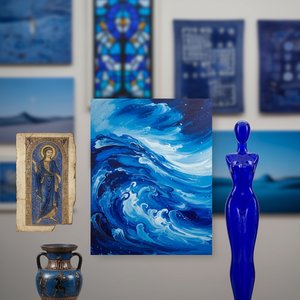
The Allure of Azure: Exploring the Symbolic & Aesthetic Depths of Blue in Art History
Explore the rich history of blue in art! Discover its symbolism, from ancient pigments to modern masterpieces by Kandinsky & Seurat. Uncover the psychological impact and cultural meanings behind this captivating hue.

Serene Blue Backgrounds: Discover Soulful Art to Transform Your Space with Timeless Elegance
Transform your home with soulful blue art. From serene Monet impressions to modern textured sculptures, discover curated masterpieces designed to inspire calm. Explore expert art consultations and bespoke hand-painted reproductions to create your personal sanctuary.

German Expressionism's 10 Defining Masterpieces | Art for Your Home
Explore 10 defining German Expressionism masterpieces – from Munch's 'The Scream' to Kandinsky’s abstracts. Discover the artists, stories & bold colors behind this powerful art movement. Find museum-quality reproductions at OriginalUniqueArt.com.

Slate Blue Masterpieces: 10 Iconic Paintings & Timeless Home Decor Ideas
Immerse yourself in the captivating world of slate blue! Explore 10 iconic paintings by Monet, Van Gogh & Renoir. Discover their stories, techniques & find museum-quality art reproductions for your home at .