
 पूर्वावलोकन देखें
 भेजें
भेजें साझा करें
 विवरण देखें
 मार्गदर्शिका

 डाउनलोड करें
 समान वस्तुएं
 एक्स-रे
 स्लाइड शो देखें
 Q&A
Q&A आंकड़े
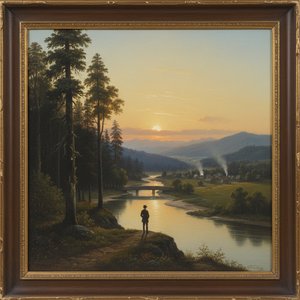
Castle Rock, Columbia River

- 39.0 x 52.0 cm


 और पढ़ें
गिक्ली / आर्ट प्रिंट
तेज़ उत्पादन और विभिन्न फिनिश विकल्पों के साथ म्यूजियम-क्वालिटी गिकली (giclée) या कैनवस प्रिंट। ( हाथ से बनी पेंटिंग खरीदें डिजिटल इमेज पर जाएँ)




P118B ₹10

P118H ₹10

P118W ₹10

P438Z ₹10

P508JH ₹12

P508YH ₹12

P805H ₹10

P805Z ₹10

P919BZ ₹10

P919G ₹10

P919XJ ₹10

P959ZH ₹10

P968JZ ₹12

W106C ₹8

W218G ₹10

W218JH ₹8

W218Y ₹10

W307PJ ₹10

W316G ₹10

W316PJ ₹8

W316Y ₹10

W398PJ ₹8

W4111J ₹10

W500HY ₹15

W500JH ₹15

W692G ₹12

W849H ₹8

W940BG ₹15

W953PJ ₹8




कलाकृति के मूल अनुपात से मेल खाने वाले हमारे पूर्व निर्धारित आकारों में से चुनें।

अपने फ्रेम या अपनी दीवार के अनुसार आवश्यक चौड़ाई और ऊंचाई दर्ज करें। प्रिंट को केवल काटा जा सकता है, चित्र से बड़ा कभी नहीं बनाया जा सकता, इसलिए अलग आकार का साइज चित्र का एक हिस्सा खो देता है। किसी भी चीज़ को प्रिंट करने से पहले हम आपकी स्वीकृति के लिए आपको एक डिजिटल मॉकअप भेजते हैं। इस पृष्ठ पर दिखाया गया चित्र वास्तविक कटिंग नहीं दिखाता है — केवल मॉकअप ही इसे दर्शाता है।
विश्वव्यापी डिलीवरी (), मानक 4/5 सप्ताह के बजाय मात्र 2 सप्ताह में। (1 नवमबर)

दुनिया भर में मुफ़्त एक्सप्रेस शिपिंग

प्रीमियम ग्रेड लिनेन कैनवास

पूर्ण शिपिंग बीमा

सीमा शुल्क और आयात कर वापसी की गारंटी

सटीक रंग मिलान की गारंटी

100 दिनों की वापसी नीति (केवल निर्माण दोष होने पर)

100% पैसे वापसी की गारंटी

थोक छूट का अवसर
 ग्लास का विकल्प केवल 110 सेमी से कम आकार में ही उपलब्ध है।

Castle Rock, Columbia River
गिक्ली / आर्ट प्रिंट
प्रतिकृति का आकार
-


कुल मूल्य
₹ 7708
A Vista of Majesty: Carleton Watkins’ “Castle Rock, Columbia River”
Carleton Watkins' "Castle Rock, Columbia River," painted in 1867, isn’t merely a landscape photograph; it’s a portal to the American West as it was perceived and captured during a pivotal moment of national identity. This albumen print, rendered in the muted tones characteristic of mid-19th century photographic processes, transports us to the heart of the Columbia River Valley – a region simultaneously rugged and profoundly beautiful. The scene unfolds with an almost overwhelming sense of scale; towering basalt cliffs, sculpted by millennia of glacial activity and relentless river currents, dominate the horizon, their jagged edges softened by atmospheric haze. Below, the broad expanse of the Columbia River snakes its way through a verdant valley, reflecting the sky in shimmering bands of light and shadow. It’s a vista that speaks to both the grandeur of nature and the nascent spirit of exploration that defined America at the time.
Watkins, a pioneer of American landscape photography, wasn't simply documenting scenery; he was actively shaping how Americans understood their vast territory. His work, particularly his images of Yosemite Valley, played a crucial role in galvanizing support for its preservation as a national park – a testament to the power of visual representation to influence public opinion and policy. “Castle Rock” embodies this mission, presenting a carefully composed scene that emphasizes the sublime qualities of the wilderness, aligning with the tenets of the American Romantic movement. The composition itself is deliberate: the strong horizontal format underscores the breadth of the landscape, while the prominent tree on the right acts as a grounding vertical element, drawing the eye into the immense depth of the image.
The Alchemy of Wet Plate Collodion
To truly appreciate “Castle Rock,” one must understand the technical process behind its creation. Watkins utilized the wet plate collodion method – a demanding and intricate photographic technique that required immediate execution. The photographer had to coat a glass plate with a light-sensitive emulsion, expose it within minutes, and develop it while the plate was still wet, all before the chemicals dried. This meant working outdoors in challenging conditions, often battling inclement weather and limited time. The resulting image is characterized by its fine grain, subtle tonal variations, and a remarkable level of detail – qualities that are particularly evident in the textures of the rock formations and the foliage along the riverbank.
The albumen printing process further contributes to the photograph’s distinctive aesthetic. Albumen prints utilize egg whites as a binder for silver salts, creating a richly textured surface with deep blacks and luminous whites. This technique lends a painterly quality to Watkins' work, enhancing the sense of depth and atmosphere. The sepia tones – achieved through the addition of iron salts during development – add a layer of nostalgia and timelessness, evoking the spirit of the American frontier.
Symbolism in Stone and Water
Beyond its technical brilliance, “Castle Rock” is rich in symbolic meaning. The imposing basalt cliffs represent both strength and resilience—a visual metaphor for the enduring power of nature. Their sheer scale dwarfs the human presence within the frame, reminding us of our relative insignificance in the face of geological time. The Columbia River itself symbolizes movement, change, and the relentless forces that shape the landscape. Its winding course reflects the journey of westward expansion, connecting disparate communities and cultures.
The lone tree on the right side of the composition adds a subtle element of human presence—a reminder of the settlers who were beginning to stake their claims in this wild land. However, it’s positioned at the edge of the frame, suggesting a respectful distance from the overwhelming power of nature. The photograph doesn't depict conquest or domination; instead, it celebrates the beauty and majesty of the wilderness – inviting contemplation and fostering a sense of awe.
A Legacy in Reproduction
Reproductions of “Castle Rock” capture much of the original’s evocative quality, offering a tangible connection to this pivotal moment in American art history. OriginalUniqueArt's meticulous hand-painted reproductions strive to faithfully recreate Watkins’ masterful composition and tonal range, ensuring that the photograph’s emotional impact is preserved for contemporary audiences. The choice of materials – archival paper and pigments – guarantees the longevity of these reproductions, allowing them to be enjoyed for generations to come. “Castle Rock” isn't just a beautiful image; it’s a window into the past—a testament to the power of photography to shape our understanding of America’s wild spaces.
प्रश्न और उत्तर
"Castle Rock, Columbia River" किस बारे में है?
कार्लटन वॉटकिंस द्वारा "Castle Rock, Columbia River" में दर्शाया गया है: american west, river valley landscape, mountain photography, 19th century art, vast wilderness, sepia tone image, early photography।
"Castle Rock, Columbia River" को प्रिंट करने के लिए क्या सुझाव दिया जाता है - कौन सा आकार और कौन सा ओरिएंटेशन (orientation) सबसे अच्छा रहेगा?
"Castle Rock, Columbia River" के लिए, अनुशंसित प्रिंट सेटअप Medium आकार और Landscape ओरिएंटेशन है।
कार्लटन वॉटकिंस द्वारा "Castle Rock, Columbia River" की माध्यम (medium) और आयाम (dimensions) क्या हैं?
मूल कार्लटन वॉटकिंस द्वारा "Castle Rock, Columbia River" एक Acrylic On Canvas कृति है जिसका माप 39 x 52 cm है। तकनीक और आकार मूल वस्तु का वर्णन करते हैं।
कलाकार का परिचय
कार्लटन वॉटकिंस: लैंडस्केप फोटोग्राफी के अग्रदूत
प्रारंभिक जीवन और जड़ें (1829-1851)
- जन्म: 11 नवंबर, 1829, वनओन्टा, न्यूयॉर्क।
- कार्लटन ई. वॉटकिंस जॉन और जूलिया वॉटकिंस के आठ बच्चों में सबसे बड़े थे; उनके पिता एक बढ़ई थे और माता एक सराय चलाने वाली थीं।
- उनका पालन-पोषण ग्रामीण परिवेश में हुआ, जहाँ उन्होंने एक शिकारी और मछुआरे के रूप में कौशल विकसित किए, साथ ही स्थानीय गतिविधियों जैसे ग्ली क्लब और प्रेस्बिटेरियन चर्च गायक दल में भी भाग लिया।
- 1851 में, भाग्य की तलाश में प्रेरित होकर, वॉटकिks अपने बचपन के मित्र कॉलिस हंटिंगटन के साथ सैन फ्रांसिस्को की यात्रा पर निकल पड़े।
प्रारंभिक करियर और फोटोग्राफी की शुरुआत (1851-1861)
- यद्यपि शुरुआत में सोना खोजने में उन्हें सफलता नहीं मिली, लेकिन वॉटकिंस और हंटिंगटन दोनों ने अपने संबंधित क्षेत्रों में सफलता प्राप्त की।
- वॉटकिंस ने जॉर्ज मरे की बुकस्टोर में क्लर्क बनने से पहले खनन कार्यों के लिए आपूर्ति प्रदाता के रूप में काम करना शुरू किया।
- एक निर्णायक क्षण: डेगुएरियोटाइपिस्ट रॉबर्ट एच. वेंस के स्टूडियो में एक अप्रत्याशित रिक्तता ने वॉटकिंस को प्रशिक्षु बनने का अवसर दिया, भले ही उन्हें फोटोग्राफी का कोई पूर्व अनुभव नहीं था।
- उन्होंने बहुत जल्द इस कला में महारत हासिल कर ली, अपने प्रशिक्षक से भी आगे निकल गए और गुणवत्तापूर्ण कार्य के लिए अपनी प्रतिष्ठा स्थापित की।
- 1858 तक, वॉटकिंस ने अपना स्वयं का फोटोग्राफी व्यवसाय स्थापित कर लिया, जिसमें जेम्स मेसन हचिंग्स के लिए कैलिफोर्निया का चित्रण करना और खनन संपत्तियों का दस्तावेजीकरण करना जैसे महत्वपूर्ण कार्य शामिल थे।
योसेमाइट और मैमथ प्लेट युग (1861-1867)
- एक महत्वपूर्ण मोड़: जुलाई 1861 में, वॉटकिंस अपने मैमथ-प्लेट कैमरे (18x22 इंच ग्लास प्लेट का उपयोग करने वाला) और एक स्टीरियोस्कोपिक कैमरे के साथ योसेमाइट घाटी की यात्रा पर निकले।
- उन्होंने योसेमाइट की कुछ सबसे विस्तृत तस्वीरें कैद कीं, जो पूर्वी दर्शकों के सामने इसकी भव्यता को प्रदर्शित करती थीं।
- ये चित्र कांग्रेस को योसेमाइट घाटी को एक राष्ट्रीय उद्यान के रूप में संरक्षित करने के लिए राजी करने में सहायक सिद्ध हुए – जो दृश्य दस्तावेजीकरण की शक्ति का एक प्रमाण है।
- 1864 में, उन्हें कैलिफोर्निया स्टेट जियोलॉजिकल सर्वे द्वारा योसेमाइट की फोटोग्राफी करने के लिए नियुक्त किया गया था।
- उन्होंने 1867 में अपनी पहली सार्वजनिक गैलरी खोली और पेरिस में यूनिवर्सल एक्सपोजिशन में भाग लिया, जहाँ उन्हें अपने कार्य के लिए पदक से सम्मानित किया गया।
सफलता, असफलता और उत्तरार्द्ध जीवन (1867-1916)
- वॉटकिंस की "योसेमाइट आर्ट गैलरी" में प्रशांत तट के सौ से अधिक बड़े दृश्य और हजारों स्टीरियोस्कोपिक चित्र प्रदर्शित किए गए थे।
- व्यावसायिक चुनौतियाँ: कलात्मक सफलता के बावजूद, वॉटकिंस को व्यवसाय प्रबंधन में कठिनाइयों का सामना करना पड़ा और उन्होंने अपनी गैलरी लेनदार जे.जे. कुक के हाथों खो दी, जिसने उस समय फोटोग्राफ के लिए कॉपीराइट कानूनों की कमी के कारण बिना श्रेय दिए उनके काम को पुनरुत्पादित किया।
- उन्होंने अपनी कलात्मक दृष्टि को पुनः प्राप्त करने के प्रयास में छवियों की एक "नई श्रृंखला" बनाकर इसका उत्तर दिया।
- वॉटकिंस ने 1879 में फ्रांसिस स्नीड से विवाह किया और उनके दो बच्चे हुए: जूलिया (जन्म 1881) और कॉलिस (जन्म 1883)।
- 1890 के दशक में दृष्टि की क्रमिक हानि ने उनके काम में बाधा डाली, जिसका अंत फिबी हर्श द्वारा दिए गए एक कमीशन को पूरा करने में असमर्थता के रूप में हुआ।
अंतिम वर्ष और विरासत
- आर्थिक तंगी के कारण वॉटकिंस परिवार को अठारह महीनों तक एक रेलवे कार में रहना पड़ा।
- 1906 के सैन फ्रांसिस्को भूकंप और आग ने उनके स्टूडियो के साथ अनगिनत तस्वीरों और नेगेटिव्स को नष्ट कर दिया।
- वॉटकिंस कैपेय रेंच में सेवानिवृत्त हुए और 1910 में उन्हें अक्षम घोषित कर दिया गया, जिसके बाद उन्हें नापा स्टेट अस्पताल (मानसिक संस्थान) में भर्ती कराया गया।
- मृत्यु: 1916 में उनका निधन हो गया और अस्पताल के मैदान में एक बिना नाम वाली कब्र में उनका अंतिम संस्कार किया गया।
- वॉटकिंस की विरासत आज भी जीवित है; वे लैंडस्केप फोटोग्राफी के एक ऐसे अग्रदूत के रूप में जाने जाते हैं, जिनकी छवियों ने न केवल अमेरिकी पश्चिम की सुंदरता को कैद किया बल्कि इसके संरक्षण में भी महत्वपूर्ण भूमिका निभाई।

कार्लटन वॉटकिंस
1829 - 1916 , संयुक्त राज्य अमेरिका
संक्षिप्त जानकारी
- Birth Date: 11 नवंबर, 1829
- Birth Place: ओनेोंटा, न्यूयॉर्क
- Death Date: 1916
- Influenced: संयुक्त राज्य अमेरिका के संरक्षण प्रयास
- Influenced By: रॉबर्ट एच. वेंस
- Movement: अमेरिकी परिदृश्य फोटोग्राफी
- Name: कार्लटन वॉटकिंस
- Nationality: अमेरिकी
- Notable Works:
- द डेविल
- पोहोनो, ब्राइडल वेल, 900 फीट, योसेमाइट
- कैसल रॉक, कोलंबिया नदी
संबंधित लेखों की सूची
Asher Brown Durand: Luminism, Landscape & the American Ideal – A Comprehensive Exploration
Explore the life & art of Asher Brown Durand, a founding member of the Hudson River School. Discover his masterful landscapes, Luminist techniques, and lasting impact on American painting. Learn about key works like 'Kindred Spirits' & collecting Durand today.
Capturing the American Spirit: A Journey Through Iconic Landscapes and the Legacy of the Hudson River School
Explore the profound beauty of American art history. From the Hudson River School to iconic landscapes, discover a curated journey through the masterpieces that defined a nation's spirit and the enduring legacy of American Romanticism.
हडसन रिवर स्कूल: शीर्ष 10 कलाकृतियाँ जो सौंदर्य और प्रकृति को परिभाषित करती हैं | OriginalUniqueArt
हडसन रिवर स्कूल की 10 उत्कृष्ट कृतियाँ! थॉमस कोल से लेकर चर्च तक, अमेरिकी कला के इस आंदोलन की सुंदरता जानें। प्राकृतिक दृश्यों और रोमांटिक रंगों का अनुभव करें। OriginalUniqueArt.com पर संग्रहालय-गुणवत्ता वाले प्रिंट खोजें!
The Sublime Landscape: Exploring the Hudson River School Movement
Explore the captivating world of the Hudson River School! Discover the history, artists, and defining characteristics of this iconic American art movement. Learn about Romanticism's influence & find inspiration for your collection.
Robert Spencer: Luminism, Narrative & the American Landscape Tradition
Explore the captivating world of Luminism & the Hudson River School with our expert analysis. Discover the history, artists, and enduring beauty of 19th-century American landscape painting. Find museum-quality reproductions at OriginalUniqueArt.