

 पूर्वावलोकन देखें
 भेजें
भेजें साझा करें
 विवरण देखें
 मार्गदर्शिका

 डाउनलोड करें
 समान वस्तुएं
 एक्स-रे
 स्लाइड शो देखें
 आंकड़े
Scaffold in Storm
 Acrylic On Canvas
- WallArt
- Romantic Industrialization
 1833
1833 29.0 x 46.0 cm
 Gemäldegalerie
 और पढ़ें
गिक्ली / आर्ट प्रिंट
तेज़ उत्पादन और विभिन्न फिनिश विकल्पों के साथ म्यूजियम-क्वालिटी गिकली (giclée) या कैनवस प्रिंट। ( हाथ से बनी पेंटिंग खरीदें डिजिटल इमेज पर जाएँ)




P118B ₹10

P118H ₹10

P118W ₹10

P438Z ₹10

P508JH ₹12

P508YH ₹12

P805H ₹10

P805Z ₹10

P919BZ ₹10

P919G ₹10

P919XJ ₹10

P959ZH ₹10

P968JZ ₹12

W106C ₹8

W218G ₹10

W218JH ₹8

W218Y ₹10

W307PJ ₹10

W316G ₹10

W316PJ ₹8

W316Y ₹10

W398PJ ₹8

W4111J ₹10

W500HY ₹15

W500JH ₹15

W692G ₹12

W849H ₹8

W940BG ₹15

W953PJ ₹8




कलाकृति के मूल अनुपात से मेल खाने वाले हमारे पूर्व निर्धारित आकारों में से चुनें।

अपने फ्रेम या अपनी दीवार के अनुसार आवश्यक चौड़ाई और ऊंचाई दर्ज करें। प्रिंट को केवल काटा जा सकता है, चित्र से बड़ा कभी नहीं बनाया जा सकता, इसलिए अलग आकार का साइज चित्र का एक हिस्सा खो देता है। किसी भी चीज़ को प्रिंट करने से पहले हम आपकी स्वीकृति के लिए आपको एक डिजिटल मॉकअप भेजते हैं। इस पृष्ठ पर दिखाया गया चित्र वास्तविक कटिंग नहीं दिखाता है — केवल मॉकअप ही इसे दर्शाता है।
विश्वव्यापी डिलीवरी (), मानक 4/5 सप्ताह के बजाय मात्र 2 सप्ताह में। (28 अक्टूबर)

दुनिया भर में मुफ़्त एक्सप्रेस शिपिंग

प्रीमियम ग्रेड लिनेन कैनवास

पूर्ण शिपिंग बीमा

सीमा शुल्क और आयात कर वापसी की गारंटी

सटीक रंग मिलान की गारंटी

100 दिनों की वापसी नीति (केवल निर्माण दोष होने पर)

100% पैसे वापसी की गारंटी

थोक छूट का अवसर
 ग्लास का विकल्प केवल 110 सेमी से कम आकार में ही उपलब्ध है।

Scaffold in Storm
गिक्ली / आर्ट प्रिंट
प्रतिकृति का आकार
-


कुल मूल्य
₹ 7685
A Tempestuous Vision: Carl Blechen’s “Scaffold in Storm”
Carl Blechen's "Scaffold in Storm," painted in 1833, isn’t merely a landscape; it’s a visceral embodiment of the Romantic era’s fascination with nature’s untamed power and the encroaching realities of industrialization. This oil on canvas, measuring a modest 29 x 46 cm, housed within the Gemäldegalerie in Dresden, Germany, immediately commands attention with its dramatic intensity. Blechen, a pivotal figure often overlooked yet profoundly influential, masterfully captures a moment suspended between chaos and a strange, unsettling beauty.
The scene unfolds upon a rugged, almost primordial landscape dominated by a dark, brooding sky pregnant with the promise of a violent storm. A rocky outcrop, starkly contrasted against the turbulent heavens, serves as the anchor for two imposing structures – what appear to be scaffolding or platforms – reaching upwards like skeletal fingers. These aren’t idyllic retreats; they possess an unsettling quality, hinting at human intervention disrupting the natural order. Blechen's masterful use of color is key here: a restrained palette of blues, grays, and blacks dominates, creating a sense of oppressive weight and impending doom. Yet, within this darkness, flashes of light – primarily in the structures themselves – offer fleeting moments of visual relief, drawing the eye and emphasizing their precarious position.
The Language of Romanticism: Light, Atmosphere, and Emotion
Blechen’s artistic approach is deeply rooted in the tenets of Romanticism. Unlike the Neoclassical emphasis on reason and order, Romantic artists sought to capture subjective experience, prioritizing emotion and intuition. “Scaffold in Storm” exemplifies this perfectly. The loose, expressive brushstrokes – a hallmark of Blechen's style – convey not just the physical appearance of the storm but also its emotional impact. There’s a palpable sense of unease, a feeling of vulnerability in the face of nature’s overwhelming force. Blechen wasn’t simply depicting a weather event; he was translating it into a profound psychological state.
Furthermore, Blechen's deliberate use of light is crucial to the painting’s effect. He doesn’t attempt to render a realistic depiction of sunlight piercing through clouds. Instead, he employs diffused light and shadow to heighten the drama and create an atmosphere of mystery. The contrast between the lighter structures and the enveloping darkness serves as a powerful visual metaphor – suggesting both human ambition and its potential fragility against the vastness of the natural world.
A Pioneer in Industrialized Landscapes
What sets Blechen’s work apart is his engagement with the rapidly changing landscape of 19th-century Germany. He wasn't solely focused on idealized nature; he documented the visible effects of industrialization – the construction of roads, canals, and infrastructure – often juxtaposing them with the remnants of a more primal wilderness. “Scaffold in Storm” can be interpreted as a commentary on this collision between tradition and progress. The scaffolding itself represents human endeavor, attempting to impose order upon the chaotic forces of nature, yet ultimately dwarfed by its immensity.
His early career was shaped by his time in Italy, where he developed a keen eye for color and composition, which he then brought back to Germany. This exposure to Italian landscapes profoundly influenced his style, contributing to the painting's evocative atmosphere and masterful use of light and shadow. The Gemäldegalerie’s collection offers a valuable opportunity to witness this pivotal moment in Blechen’s artistic development.
Collecting the Storm: Reproduction and Artistic Legacy
Reproductions of “Scaffold in Storm” offer a remarkable way to bring this powerful image into your home or office. Whether you choose a high-quality print on canvas or a meticulously crafted oil painting reproduction, capturing Blechen’s atmospheric intensity remains a significant challenge. The dynamic brushwork and subtle color variations are best appreciated when reproduced with careful attention to detail. Consider pairing this artwork with other pieces from the Romantic era – works by Caspar David Friedrich or Joseph Anton Koch – to create a cohesive collection that celebrates the beauty and drama of the natural world.
For further exploration, we encourage you to visit the Gemäldegalerie in Dresden, Germany, or explore online resources such as Carl Blechen’s page on OriginalUniqueArt.com, where you can discover more about his life, work, and legacy.
प्रश्न और उत्तर
कार्ल ब्लेचेन द्वारा "Scaffold in Storm" के प्रिंट के लिए किस आकार और ओरिएंटेशन (orientation) की सिफारिश की जाती है?
Large आकार, Landscape ओरिएंटेशन: यह कार्ल ब्लेचेन द्वारा "Scaffold in Storm" के लिए सुझाई गई प्रिंट सेटिंग है।
"Scaffold in Storm" का निर्माण किसने किया?
"Scaffold in Storm" का श्रेय कार्ल ब्लेचेन को दिया जाता है।
कार्ल ब्लेचेन द्वारा "Scaffold in Storm" किस कला आंदोलन का हिस्सा है?
कार्ल ब्लेचेन द्वारा "Scaffold in Storm" से जुड़ी कला शैली Romantic Industrialization है। यह वर्गीकरण इस कृति को संबंधित कलाकारों और कलाकृतियों के बीच स्थापित करता है।
कलाकार का परिचय
कार्ल ब्लेचेन: रोमांटिक औद्योगिकीकरण के अग्रदूत
कार्ल एडुआर्ड फर्डिनेंड ब्लेचेन, जिनका जन्म 1798 में जर्मनी के कॉटबस शहर में हुआ था, परिदृश्य चित्रकला की परंपरा में एक अद्वितीय और अक्सर अनदेखा स्थान रखते हैं। उनका जीवन कलात्मक प्रतिभा और व्यक्तिगत उथल-पुथल दोनों से चिह्नित था, एक द्वैत जिसने उनकी मार्मिक और अभूतपूर्व रचनाओं को गहराई से आकार दिया। पारिवारिक वित्तीय बाधाओं के कारण उन्हें शुरू में बैंकिंग जैसे व्यावहारिक करियर के लिए नियत किया गया था, लेकिन उनकी अंतर्निहित कलात्मक प्रवृत्तियाँ प्रबल हुईं। उन्होंने 1822 में बर्लिन एकेडमी ऑफ आर्ट्स में अध्ययन किया, एक ऐसे मार्ग पर आगे बढ़े जिससे वे पहले कलाकारों में से एक बन गए जिन्होंने प्रारंभिक औद्योगिकीकरण द्वारा प्रस्तुत सौंदर्य चुनौतियों—और संभावनाओं—का सामना किया।
ब्लेचेन के शुरुआती वर्ष यूरोप में व्याप्त रोमांटिक आदर्शों में डूबे हुए थे। हालाँकि, उनके कई समकालीनों के विपरीत जो केवल आदर्श प्राकृतिक सुंदरता या ऐतिहासिक भव्यता पर ध्यान केंद्रित करते थे, ब्लेचेन की नज़र एक बदलती दुनिया पर पड़ी। 1828-1829 की इटली की यात्रा एक महत्वपूर्ण मोड़ साबित हुई। इतालवी देहाती इलाकों की रोशनी और वातावरण में डूबे हुए, उन्होंने खुले मैदान में स्केचिंग कौशल को निखारा, उल्लेखनीय संवेदनशीलता के साथ क्षणिक क्षणों और नाटकीय प्रभावों को कैद किया। ये रेखाचित्र केवल प्रारंभिक अध्ययन नहीं थे; वे एक जीवंत ऊर्जा से ओत-प्रोत थे जो उनकी परिपक्व शैली की विशेषता होगी। बर्लिन लौटने पर वे न केवल एक तकनीकी रूप से कुशल चित्रकार बने, बल्कि एक विशिष्ट दृष्टि वाले कलाकार भी बने—एक ऐसी दृष्टि जिसने प्रकृति की उदात्त सुंदरता को आधुनिकता की बढ़ती वास्तविकताओं के साथ समेटने का प्रयास किया।
परंपरा और परिवर्तन को नेविगेट करना
ब्लेचेन के कलात्मक उत्पादन में रोमांटिक संवेदनशीलता और एक प्रारंभिक यथार्थवाद के बीच एक सम्मोहक तनाव है। उन्होंने उभरते औद्योगिक परिदृश्य को चित्रित करने से नहीं हिचकिचाया, लेकिन न ही उन्होंने इसकी आलोचना की। 1830 और 1832 के बीच चित्रित Bau der Teufelsbrücke (शैतान के पुल का निर्माण) इस दृष्टिकोण का उदाहरण देता है। यह चित्र इंजीनियरिंग उपलब्धि की महिमा नहीं करता है; इसके बजाय, यह एक नाटकीय पृष्ठभूमि के खिलाफ कठिन श्रम का दृश्य प्रस्तुत करता है, जो मानव महत्वाकांक्षा और प्राकृतिक व्यवस्था को बाधित करने की क्षमता दोनों का संकेत देता है। समय की जटिलताओं का सामना करने की उनकी इच्छा उन्हें अपने समकालीनों से अलग करती है।
उनके परिदृश्य अक्सर उदास वातावरण से ओत-प्रोत होते हैं, जो न केवल बदलते भौतिक पर्यावरण बल्कि उनके अपने आंतरिक संघर्षों को भी दर्शाते हैं। उदाहरण के लिए, Waldweg bei Spandau (स्पैंडौ के पास वन पथ) एकाकीपन और आत्मनिरीक्षण की भावना जगाता है, साथ ही प्रकाश और छाया में ब्लेचेन की महारत का प्रदर्शन करता है। उन्होंने गहराई और मनोदशा बनाने के लिए वायुमंडलीय परिप्रेक्ष्य को कुशलता से नियोजित किया, दर्शक को दृश्य में खींचा और चिंतन को आमंत्रित किया। वे केवल यह रिकॉर्ड नहीं कर रहे थे कि उन्होंने क्या देखा; वे इसके प्रति एक भावनात्मक प्रतिक्रिया व्यक्त कर रहे थे।
एक प्रतिभाशाली प्रतिभा और स्थायी विरासत
अपनी कलात्मक उपलब्धियों के बावजूद, ब्लेचेन का जीवन दुखद रूप से मानसिक बीमारी ने छोटा कर दिया था। 1831 में बर्लिन एकेडमी में लैंडस्केप पेंटिंग के प्रोफेसर के रूप में नियुक्त—उनकी बढ़ती प्रतिष्ठा का प्रमाण—उनकी स्थिति 1835 के बाद तेजी से बिगड़ती गई। उन्हें अवकाश लेने और अंततः अस्पताल में भर्ती होने के लिए मजबूर किया गया, उन्होंने अपनी पीड़ा के बीच भी कला बनाना जारी रखा, मार्मिक रेखाचित्र तैयार किए जो उनकी परेशान आंतरिक दुनिया की एक झलक प्रदान करते हैं। 1840 में बर्लिन में 41 वर्ष की आयु में उनका निधन हो गया।
हालांकि उनका करियर अपेक्षाकृत संक्षिप्त था, कार्ल ब्लेचेन का बाद की पीढ़ियों के कलाकारों पर प्रभाव निर्विवाद है। औद्योगिक परिदृश्यों के उनके अग्रणी चित्रण ने बाद के यथार्थवादी और प्रभाववादी चित्रकारों के लिए मार्ग प्रशस्त किया जिन्होंने आधुनिक जीवन के बदलते चेहरे को कैद करने की मांग की। उन्होंने यह प्रदर्शित किया कि परिवर्तन के बीच भी सुंदरता—और अर्थ—ढूंढना संभव है, एक ऐसा सबक जो आज भी कलाकारों के साथ गूंजता रहता है। उनका काम मानवता, प्रकृति और प्रगति के बीच जटिल संबंध की एक शक्तिशाली अनुस्मारक बना हुआ है।
प्रमुख रचनाएँ एवं संग्रह
- Im Berliner Tiergarten (बर्लिन चिड़ियाघर), 1825: रोमांटिक संवेदनशीलता के साथ वायुमंडलीय प्रभावों और रोजमर्रा के दृश्यों को पकड़ने की उनकी क्षमता का प्रारंभिक उदाहरण।
- Waldweg bei Spandau (स्पैंडौ के पास वन पथ): एक प्रेतवाधित परिदृश्य जो प्रकाश, छाया और मनोदशा में उनकी महारत का प्रतीक है।
- Bau der Teufelsbrücke (शैतान के पुल का निर्माण), 1830–32: प्रारंभिक औद्योगिकीकरण का एक अभूतपूर्व चित्रण, जो मानव महत्वाकांक्षा और प्राकृतिक दुनिया पर इसके प्रभाव दोनों को दर्शाता है।
आज, ब्लेचेन की रचनाएँ दुनिया भर के प्रमुख संग्रहालय संग्रहों में पाई जा सकती हैं, जिनमें जर्मनी का कुन्स्टहल्ले Bielefeld, कैम्ब्रिज का फिट्ज़विलियम संग्रहालय और लंदन का राष्ट्रीय गैलरी शामिल हैं। ये संस्थान भविष्य की पीढ़ियों के लिए उनकी विरासत को संरक्षित करते हैं, यह सुनिश्चित करते हुए कि उनकी नवीन दृष्टि प्रेरित करती रहे और दर्शकों को चुनौती देती रहे।
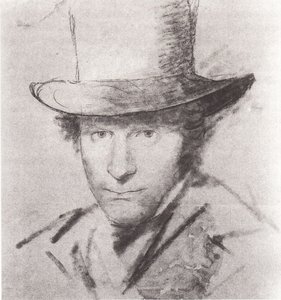
कार्ल ब्लेचेन
1798 - 1840 , जर्मनी
संक्षिप्त जानकारी
- Artistic Movement Or Style: रोमांटिकवाद
- Artists Who Influenced This Artist:
- कास्पर डेविड फ्रेडरिक
- जोहान क्रिश्चियन डाहल
- Date Of Birth: 29 जुलाई 1798
- Date Of Death: 23 जुलाई 1840
- Full Name: कार्ल एडुआर्ड फर्डिनेंड ब्लेचेन
- Nationality: जर्मन
- Notable Artworks (List Of Titles):
- इम बर्लिनर टियरगार्टेन
- वाल्डवेग बेई स्पंदाउ
- बाऊ डेर टेउफल्सब्रücke
- Place Of Birth (City And Country): कॉट्सबस, जर्मनी
संबंधित लेखों की सूची

Evocations of Place: A Historical Journey Through Landscape Art
Explore the rich history of landscape art with OriginalUniqueArt. Discover renowned artists, movements like Impressionism & Romanticism, and expert guidance for collecting timeless pieces. Find your perfect serene escape today!
Industrial Revolution on Canvas: 10 Artworks That Define a Modern Aesthetic
Explore 10 iconic artworks capturing the Industrial Revolution’s grit & beauty. From Monet to Manet, discover realism, impressionism & powerful scenes of urban life. Find museum-quality reproductions for your home at OriginalUniqueArt.com.

जॉन कॉन्स्टेबल की शीर्ष 25 कलाकृतियाँ: प्रकृति का सौंदर्य और भावनात्मक गहराई | OriginalUniqueArt
जॉन कॉन्स्टेबल की शीर्ष 25 कलाकृतियों का अन्वेषण करें! ग्रामीण इंग्लैंड के रोमांटिक परिदृश्य, हे वेन और स्टूर नदी के सुंदर चित्रण। उच्च गुणवत्ता वाले कला प्रिंट और दीवार सजावट के लिए OriginalUniqueArt.com पर संग्रह देखें।

रोमांटिक कला: 10 उत्कृष्ट लैंडस्केप कृतियाँ जो परिभाषित करती हैं | OriginalUniqueArt
रोमांटिक लैंडस्केप पेंटिंग की 10 उत्कृष्ट कृतियाँ! जानें कैस्पर डेविड फ्रेडरिक, टर्नर जैसे कलाकारों के बारे में और कला के इतिहास को समझें। OriginalUniqueArt.com पर उच्च गुणवत्ता वाले आर्ट रिप्रोडक्शन और सजावट के विचार खोजें।
Evoking Nature's Sublime: A Comprehensive Exploration of 19th-Century Landscape Painting
Explore the captivating world of 19th-century landscape painting! Discover renowned artists like Friedrich & Monet, key movements, and find the perfect artwork to bring nature's serenity into your home. Expert insights at OriginalUniqueArt.