 पूर्वावलोकन देखें
 साझा करें
 साझा करें
 विस्तृत विवरण

 डाउनलोड करें
 समान कलाकृतियाँ
 एक्स-रे
 स्लाइड शो देखें
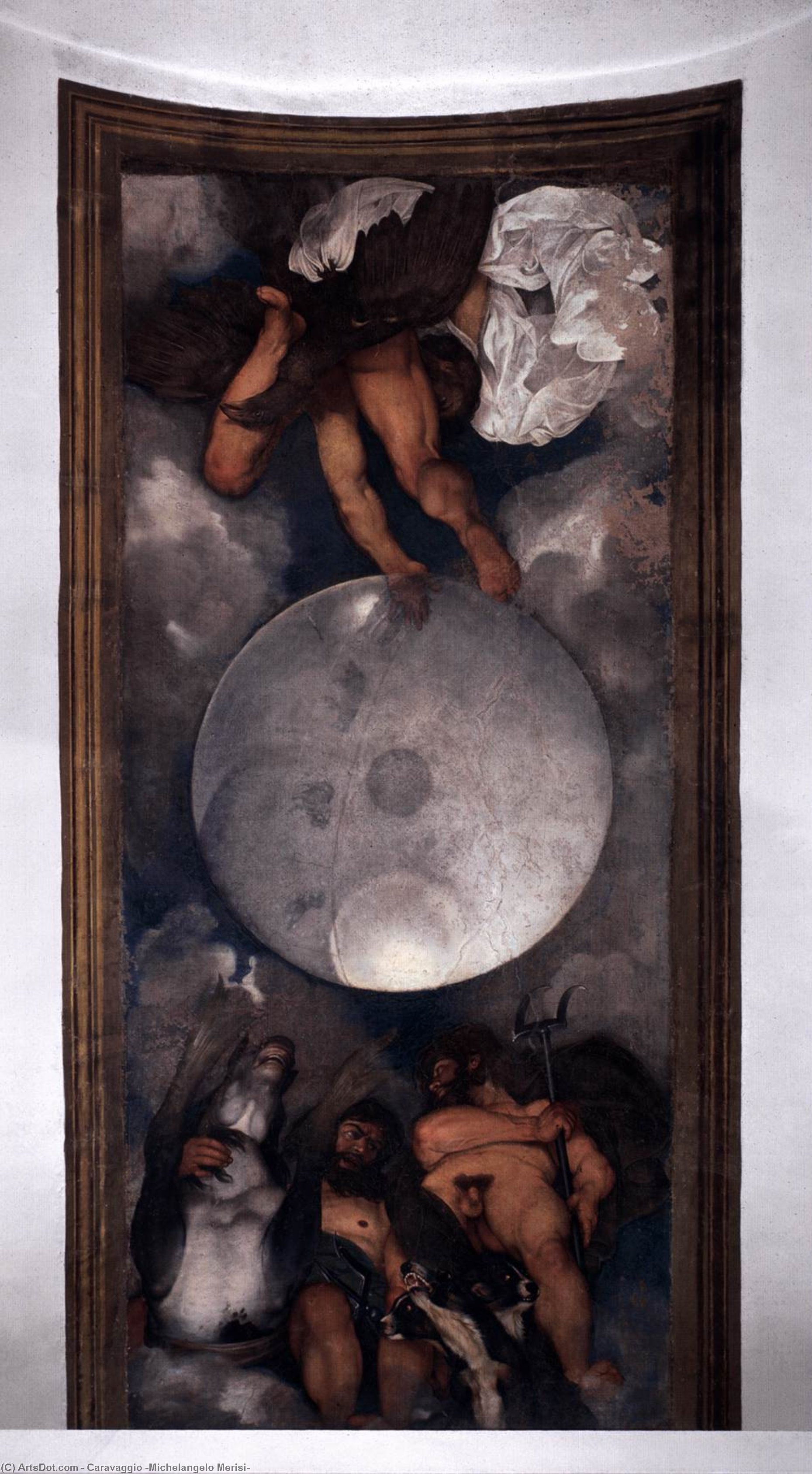
Jupiter, Neptune and Pluto
 कैनवस पर तेल रंग
- वॉल आर्ट
- Baroque
 1597
1597- पुनर्जागरण
 300.0 x 180.0 cm
 Casino Boncompagni Ludovisi
 पूरा देखें
हाथ से बनी ऑयल रिप्रोडक्शन
आपके आकार और फ्रेम के अनुसार कैनवास पर हाथ से बनी ऑयल पेंटिंग, हमारे कलाकारों द्वारा विशेष रूप से ऑर्डर पर तैयार। ( प्रिंट पर जाएँ इमेज पर बदलें)




P118B $10

P118H $10

P118W $10

P438Z $10

P508JH $12

P508YH $12

P805H $10

P805Z $10

P919BZ $10

P919G $10

P919XJ $10

P959ZH $10

P968JZ $12

W106C $8

W218G $10

W218JH $8

W218Y $10

W307PJ $10

W316G $10

W316PJ $8

W316Y $10

W398PJ $8

W4111J $10

W500HY $15

W500JH $15

W692G $12

W849H $8

W940BG $15

W953PJ $8




कलाकृति के मूल अनुपात से मेल खाने वाले हमारे पूर्व निर्धारित आकारों में से चुनें।

आप किसी विशिष्ट फ्रेम या स्थान के अनुसार अपने स्वयं के आयाम (dimensions) दर्ज कर सकते हैं। यदि आपके द्वारा चुना गया आकार मूल छवि के अनुपात से मेल नहीं खाता है, तो हम कलाकृति को क्रॉप करेंगे या पेंटिंग में अतिरिक्त हाथ से चित्रित तत्व जोड़कर उसका विस्तार करेंगे। उत्पादन शुरू होने से पहले आपकी स्वीकृति के लिए एक डिजिटल मॉकअप भेजा जाएगा।
कृपया ध्यान दें कि स्क्रीन पर दिखने वाला पूर्वावलोकन वास्तविक क्रॉपिंग या विस्तार को नहीं दर्शाता है। केवल मॉकअप ही अंतिम रचना को सटीक रूप से दिखाएगा।
यद्यपि कस्टम आकार उपलब्ध हैं, फिर भी हम मूल अनुपात बनाए रखने के लिए पूर्व-निर्धारित सूची से आयाम चुनने की सलाह देते हैं।
ऑर्डर देने के बाद, OriginalUniqueArt.com टीम निर्देशों के लिए क्लाइंट को ईमेल करेगी और एक मॉकअप प्रीव्यू प्रदान करेगी
विश्वव्यापी वितरण () मानक 5 सप्ताह के बजाय मात्र 3/4 सप्ताह में। (10 अगस्त)। गुणवत्ता से कोई समझौता नहीं।

दुनिया भर में मुफ़्त एक्सप्रेस शिपिंग

उच्च गुणवत्ता वाला लिनेन कैनवास

पूर्ण शिपिंग बीमा

सीमा शुल्क और आयात कर वापसी की गारंटी

सटीक रंग मिलान की गारंटी

60-दिन की वापसी नीति (केवल दोषों के लिए)

100% पैसे वापसी की गारंटी

थोक छूट का लाभ
 ग्लास का विकल्प केवल 110 सेमी से कम आकार में ही उपलब्ध है।

Jupiter, Neptune and Pluto
प्रतिकृति की विधि
प्रतिकृति का आकार
-


कुल देय राशि
$ 300
कलाकृति का विवरण
The Dramatic Dance of the Gods
Michelangelo Merisi da Caravaggio’s “Jupiter, Neptune and Pluto” is not merely a painting; it's an immersive theatrical experience captured on plaster. Completed in 1597 for Cardinal Francesco Maria Del Monte’s villa in Rome – later known as Villa Ludovisi – this monumental mural plunges the viewer into a world of mythic grandeur and stark, emotional intensity. Measuring a substantial 300 x 180 cm, it dominates its space with an arresting combination of classical subject matter and Caravaggio's signature style: a masterful manipulation of light and shadow that elevates the scene beyond simple illustration. The composition itself is carefully orchestrated – Jupiter, the king of the gods, stands proudly at the center, reaching out to command the celestial sphere, while Neptune and Pluto, his brothers, flank him in a display of power and somber authority. Two smaller figures, likely representing Mercury and Venus, add depth and intrigue to the background, hinting at the allegorical nature of the work. The stark white wall behind the figures provides a dramatic backdrop, intensifying the impact of the vibrant colors and chiaroscuro that define Caravaggio’s vision.- Technique: Oil on plaster – an innovative approach for its time, showcasing Caravaggio's experimental spirit.
- Scale: Large format (300 x 180 cm) designed to command attention and immerse the viewer.
- Composition: Balanced yet dynamic, utilizing foreshortening to create a sense of depth and drama.
Caravaggio’s Revolutionary Light
At the heart of “Jupiter, Neptune and Pluto” lies Caravaggio's revolutionary use of light – or *tenebrism*. He doesn’t simply illuminate the scene; he sculpts it with stark contrasts between darkness and brilliance. The figures are bathed in a dramatic spotlight, their forms sharply defined against the enveloping shadows. This technique wasn’t merely aesthetic; it served to heighten the emotional impact of the scene, creating a sense of tension, drama, and even foreboding. Caravaggio was known for his ability to capture fleeting expressions of human emotion – fear, anger, sorrow – and he applies this same skill to the gods themselves. Jupiter's outstretched hand conveys authority and command, while Neptune’s expression hints at a brooding melancholy, and Pluto’s visage is one of solemn gravity. This masterful manipulation of light isn’t just about visual impact; it’s about conveying psychological depth and emotional resonance. Key to Caravaggio’s style: *Tenebrism* – the dramatic use of strong contrasts between light and dark.A Villa Within a Villa: Context and History
“Jupiter, Neptune and Pluto” resides within the Casino Boncompagni Ludovisi, part of the larger Villino Boncompagni Ludovisi villa in Rome. This villa itself is a fascinating blend of architectural styles – Baroque grandeur combined with Art Nouveau details, reflecting the evolving tastes of its owners over centuries. The casino, where the mural hangs, was originally designed as a private gaming room for the Cardinal Del Monte, a renowned collector of art and alchemy. It’s believed that Caravaggio's work was commissioned to reflect Del Monte’s interest in classical mythology and his pursuit of alchemical knowledge – the figures representing the elements of Jupiter (sulphur & air), Neptune (mercury & water) and Pluto (salt & earth). The villa’s history is rich, transitioning through various noble families before becoming a museum showcasing 19th and 20th-century culture. The Casino Boncompagni Ludovisi offers a glimpse into the opulent lifestyle of Rome's elite during the Baroque period.Symbolism and Mythic Resonance
Beyond its dramatic visual impact, “Jupiter, Neptune and Pluto” is steeped in symbolism drawn from classical mythology. The three gods represent not just their respective domains – Jupiter’s sky, Neptune’s seas, and Pluto’s underworld – but also fundamental elements of the universe: creation, destruction, and transformation. Jupiter's gesture suggests his control over the cosmos, while Neptune embodies a more subdued power, and Pluto represents the inevitable cycle of decay and rebirth. The inclusion of Mercury and Venus adds another layer of meaning, representing intellect and love—essential components of human experience. The choice of animals – an eagle for Jupiter, a hippocampus for Neptune, and a three-headed dog for Pluto – further reinforces their identities and associations within the mythological narrative.- Jupiter: Represents the sky, authority, and divine power.
- Neptune: Embodies the seas, fluidity, and mystery.
- Pluto: Symbolizes the underworld, death, and transformation.
- Mercury & Venus: Represent intellect and love.
Bringing Caravaggio Home
OriginalUniqueArt offers exquisite, hand-painted reproductions of “Jupiter, Neptune and Pluto,” allowing you to experience the power and beauty of this masterpiece in your own home. Our skilled artisans meticulously recreate Caravaggio’s dramatic lighting and nuanced details, ensuring that each reproduction captures the essence of the original while maintaining a high level of artistic integrity. Whether you're an art enthusiast, a collector, or simply seeking a stunning piece to elevate your interior décor, our reproductions provide a unique opportunity to own a tangible connection to one of history’s greatest artists. Explore our collection today and bring the drama of “Jupiter, Neptune and Pluto” into your space.कलाकार का जीवन परिचय
Michelangelo Merisi da Caravaggio: छाया और प्रकाश का एक जीवन
कारवागियो, जिनका असली नाम मिचेलांजेलो मेरिसी दा कारवागियो था, 1571 में मिलान में जन्मे, पश्चिमी कला के इतिहास में एक अद्वितीय स्थान रखते हैं। उनका जीवन संघर्षों से भरा रहा, लेकिन उनकी कला ने Baroque शैली को हमेशा के लिए बदल दिया। प्रारंभिक जीवन में ही उन्हें कई कठिनाइयों का सामना करना पड़ा; जब वह केवल छह वर्ष के थे, तो प्लेग ने उनके पिता और दादाजी की जान ले ली थी। गरीबी में पले-बढ़े कारवागियो ने मानव पीड़ा और लचीलापन को करीब से देखा, जो बाद में उनकी कला में गहराई से प्रतिबिंबित हुआ। उन्होंने मिलान में सिमोन पीटरजानो के अधीन प्रशिक्षण प्राप्त किया, जिन्होंने टिटियन के शिष्य थे। इस शिक्षा ने उन्हें पुनर्जागरण तकनीकों की बुनियादी समझ प्रदान की, लेकिन जल्द ही उन्होंने पारंपरिक मानदंडों को चुनौती देने का साहस दिखाया। 1592 के आसपास रोम पहुंचने पर, कारवागियो ने अपनी कलात्मक पहचान स्थापित करने के लिए संघर्ष किया, लेकिन शहर की जीवंत कलात्मक और धार्मिक ऊर्जा ने उन्हें प्रेरित किया।कलात्मक क्रांति: तकनीक और शैली
कारवागियो का रोम आगमन कला जगत में एक भूचाल जैसा साबित हुआ। उन्होंने प्रचलित Mannerist शैली को अस्वीकार कर दिया, जो कृत्रिम सुंदरता और लम्बे रूपों से चिह्नित थी, और इसके बजाय एक बेजोड़ यथार्थवाद अपनाया जिसने दर्शकों को चौंका दिया और मोहित कर लिया। उनकी सबसे महत्वपूर्ण नवाचारों में से एक chiaroscuro का उनका कुशल उपयोग था - प्रकाश और अंधेरे के बीच नाटकीय कंट्रास्ट, जिसे उन्होंने एक नई ऊंचाई पर पहुंचाया। इस तकनीक, जिसे अक्सर tenebrism कहा जाता है, केवल एक सौंदर्य संबंधी पसंद नहीं थी; यह भावनात्मक प्रभाव को तीव्र करने, दर्शकों को दृश्य के केंद्र में खींचने और उनके चित्रों में पात्रों को एक ठोस उपस्थिति प्रदान करने का एक साधन था। उन्होंने आदर्शित चित्रणों से परहेज किया, बल्कि रोम की सड़कों से खींचे गए साधारण लोगों को धार्मिक आंकड़ों के मॉडल के रूप में इस्तेमाल किया। इस क्रांतिकारी दृष्टिकोण ने सौंदर्य और पवित्रता की पारंपरिक धारणाओं को चुनौती दी, जिससे पवित्रता मानवीय और प्रासंगिक हो गई। उनके रचनाएँ अक्सर कठोर और सीधी होती थीं, जो तीव्र नाटक के महत्वपूर्ण क्षणों पर ध्यान केंद्रित करती थीं, चाहे वह "क्राइस्ट का अपहरण" की क्रूर यथार्थवाद हो या "सेंट फ्रांसिस ऑफ असिसी में एक्सेटेसी" में शांत चिंतन।प्रमुख कार्य और स्थायी प्रभाव
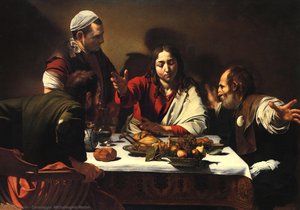
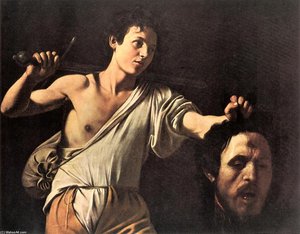
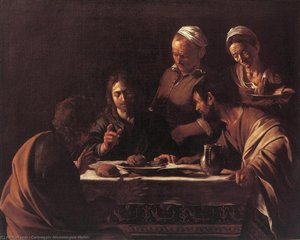
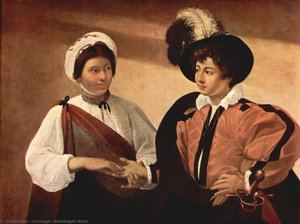
अपने अपेक्षाकृत कम करियर में, कारवागियो ने कला के कार्यों का एक संग्रह बनाया जो आज भी दर्शकों को प्रेरित करता है। “द फॉर्च्यून टेलर” (1594) जैसे शुरुआती कार्यों से उनकी वास्तविक विवरणों और मनोवैज्ञानिक बारीकियों को पकड़ने की क्षमता का पता चलता है। "सुपर एट एमाउस" (1601-1602), लंदन के नेशनल गैलरी में स्थित, chiaroscuro के उनके महारत और एक बाइबिल कथा के भीतर गहन भावनात्मक गहराई व्यक्त करने की क्षमता का उदाहरण है। “डेविड विद द हेड ऑफ गोलियथ” (c. 1610) विशेष रूप से भयावह है, जिसे अक्सर कारवागियो की अपनी अशांत मानसिक स्थिति को दर्शाने वाला आत्म-चित्रण माना जाता है। उनका प्रभाव इटली से परे फैल गया, जिससे कलाकारों की एक पीढ़ी प्रेरित हुई जिन्हें Caravaggisti या "शैडोइस्ट" के रूप में जाना जाता है, जिन्होंने पूरे यूरोप में उनकी शैली को अपनाया। उल्लेखनीय अनुयायियों में पीटर पॉल रूबेन्स, ज्यूसेपे डी रिबेरा और गेरिट वैन होनथोर्स्ट शामिल थे, जिनमें से प्रत्येक ने कारवागियो की तकनीकों को अपनी अनूठी कलात्मक दृष्टि के अनुरूप बनाया।एक अशांत अस्तित्व और चिरस्थायी विरासत
कारवागियो का जीवन उनकी कला जितना ही नाटकीय और अशांत था। एक अस्थिर स्वभाव और झगड़ों की प्रवृत्ति के कारण उन्हें अक्सर कानून के साथ परेशानी हुई, जो 1606 में हत्या के आरोप में परिणत हुई, जिसके कारण उन्हें रोम से भागना पड़ा। अगले चार वर्षों तक उन्होंने नेपल्स, माल्टा और सिसिली में घूमते हुए पेंटिंग जारी रखी, जबकि पोप से माफी पाने की सख्त कोशिश कर रहे थे। अपनी कोशिशों के बावजूद, वह एक भगोड़े बने रहे, अपने अतीत से परेशान और व्यक्तिगत संघर्षों से जूझते रहे। 1610 में पोर्टो एर्कोले, इटली में उनकी मृत्यु रहस्यमय परिस्थितियों में हुई - उनकी मृत्यु का कारण बहस का विषय बना हुआ है, जिसमें बुखार से लेकर जहर तक की अटकलें लगाई गई हैं। हालांकि उनका जीवन छोटा रहा, कारवागियो की कलात्मक विरासत उनकी क्रांतिकारी दृष्टि और यथार्थवाद के प्रति अटूट प्रतिबद्धता का प्रमाण बनी हुई है। उन्होंने अपने समय के मानदंडों को चुनौती दी, एक अधिक आधुनिक पेंटिंग दृष्टिकोण का मार्ग प्रशस्त किया और पश्चिमी कला के इतिहास पर एक अमिट छाप छोड़ी। उनके कार्य आज भी विस्मयकारी हैं और चिंतन को प्रेरित करते हैं, जो हमें मानव अनुभव के सबसे अंधेरे कोनों को रोशन करने की कला की शक्ति की याद दिलाते हैं।
कारावागियो
1571 - 1610 , स्पेन
मुख्य तथ्य
- Artistic Movement Or Style: बरोक्, तेनेब्रिज़्म
- Artists Or Movements Influenced By This Artist:
- रूबेंस
- रिबेरा
- कारावागिस्टी
- Artists Who Influenced This Artist:
- टिटियन
- लियोनार्डो दा विंची
- मिकेल एंजेलो
- Date Of Birth: 29 सितंबर, 1571
- Date Of Death: 18 जुलाई, 1610
- Full Name: माइकल एंजेलो मेरिसी दा कारावागियो
- Nationality: इतालवी
- Notable Artworks:
- द फॉर्च्यून टेलर
- सुपर एट एमाउस
- डेविड विथ गोलियथ
- सेंट फ्रांसिस इन एक्सटसी
- Place Of Birth: मिलान, स्पेन
संबंधित लेख

भारोपीय कला: शीर्ष 10 उत्कृष्ट कृतियाँ जो युग को परिभाषित करती हैं | OriginalUniqueArt
भारोपीय कला की भव्यता का अनुभव करें! शीर्ष 10 उत्कृष्ट कृतियाँ जानें जिन्होंने इस युग को परिभाषित किया। रुबेन्स, रेम्ब्रांट और कारवागियो जैसे कलाकारों के अद्भुत कार्यों की खोज करें। OriginalUniqueArt.com पर संग्रहालय-गुणवत्ता वाले कला प्रजनन और सजावट के विचार खोजें।

The Dramatic Flourish: Exploring the Baroque Movement's Enduring Legacy in Art History
Explore the dramatic world of Baroque art! Discover iconic artists like Caravaggio & Rubens, defining techniques, and its lasting impact on art history. Expert insights for collectors & enthusiasts at OriginalUniqueArt.

The Visceral Stage: Exploring Dramatic Narratives & Emotional Intensity in Baroque Art
Explore the dramatic world of Baroque art! Discover iconic masters like Caravaggio & Rembrandt, their techniques, and the movement's lasting impact. Expert insights for collectors & enthusiasts at OriginalUniqueArt.

Theatricality & Triumph: Baroque Drama in Painting & Sculpture
Explore the dramatic world of Baroque art! Discover its history, defining characteristics, & lasting influence on painting & sculpture. Expert insights into Caravaggio, Zurbarán, and Bernini – plus high-quality reproductions at OriginalUniqueArt.
Baroque Painting's Greatest Hits: 10 Masterpieces for Your Home | OriginalUniqueArt
Journey through Baroque painting's glory! Explore 10 masterpieces by Caravaggio, Rembrandt & Vermeer. Discover dramatic lighting, rich colors & timeless stories. Find museum-quality art reproductions for your home at OriginalUniqueArt.com.