पूर्वावलोकन देखें
 भेजें
भेजें साझा करें
 विवरण देखें
 मार्गदर्शिका

 डाउनलोड करें
 समान वस्तुएं
 एक्स-रे
 स्लाइड शो देखें
 आंकड़े
David, 1600


 और पढ़ें
गिक्ली / आर्ट प्रिंट
तेज़ उत्पादन और विभिन्न फिनिश विकल्पों के साथ म्यूजियम-क्वालिटी गिकली (giclée) या कैनवस प्रिंट। ( हाथ से बनी पेंटिंग खरीदें डिजिटल इमेज पर जाएँ)




P118B ₹10

P118H ₹10

P118W ₹10

P438Z ₹10

P508JH ₹12

P508YH ₹12

P805H ₹10

P805Z ₹10

P919BZ ₹10

P919G ₹10

P919XJ ₹10

P959ZH ₹10

P968JZ ₹12

W106C ₹8

W218G ₹10

W218JH ₹8

W218Y ₹10

W307PJ ₹10

W316G ₹10

W316PJ ₹8

W316Y ₹10

W398PJ ₹8

W4111J ₹10

W500HY ₹15

W500JH ₹15

W692G ₹12

W849H ₹8

W940BG ₹15

W953PJ ₹8




कलाकृति के मूल अनुपात से मेल खाने वाले हमारे पूर्व निर्धारित आकारों में से चुनें।

अपने फ्रेम या अपनी दीवार के अनुसार आवश्यक चौड़ाई और ऊंचाई दर्ज करें। प्रिंट को केवल काटा जा सकता है, चित्र से बड़ा कभी नहीं बनाया जा सकता, इसलिए अलग आकार का साइज चित्र का एक हिस्सा खो देता है। किसी भी चीज़ को प्रिंट करने से पहले हम आपकी स्वीकृति के लिए आपको एक डिजिटल मॉकअप भेजते हैं। इस पृष्ठ पर दिखाया गया चित्र वास्तविक कटिंग नहीं दिखाता है — केवल मॉकअप ही इसे दर्शाता है।
विश्वव्यापी डिलीवरी (), मानक 4/5 सप्ताह के बजाय मात्र 2 सप्ताह में। (21 अक्टूबर)

दुनिया भर में मुफ़्त एक्सप्रेस शिपिंग

प्रीमियम ग्रेड लिनेन कैनवास

पूर्ण शिपिंग बीमा

सीमा शुल्क और आयात कर वापसी की गारंटी

सटीक रंग मिलान की गारंटी

100 दिनों की वापसी नीति (केवल निर्माण दोष होने पर)

100% पैसे वापसी की गारंटी

थोक छूट का अवसर
 ग्लास का विकल्प केवल 110 सेमी से कम आकार में ही उपलब्ध है।

David, 1600
गिक्ली / आर्ट प्रिंट
प्रतिकृति का आकार
-


कुल मूल्य
₹ 7653
David, 1600
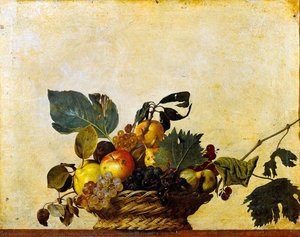
Michelangelo Merisi da Caravaggio’s *David*, painted in 1600, stands as an unparalleled testament to Baroque artistry—a dramatic distillation of biblical narrative rendered with breathtaking realism and imbued with profound psychological depth. More than just a depiction of the heroic triumph over Goliath, it embodies Caravaggio's revolutionary approach to painting, establishing him as one of the most influential figures in European art history.Style and Technique: The Power of Chiaroscuro
Caravaggio’s signature technique—chiaroscuro—dominates this monumental canvas. This masterful manipulation of light and dark isn't merely stylistic; it’s fundamentally expressive, mirroring the internal turmoil of David as he contemplates the severed head of his vanquished foe. Unlike earlier artists who sought to portray figures in idealized forms bathed in diffused light, Caravaggio plunged his subjects into oppressive darkness punctuated by intense beams of illumination. This dramatic contrast creates a palpable tension—a visual embodiment of David’s apprehension and determination—drawing the viewer's eye directly to the focal point: the head of Goliath, illuminated with an almost supernatural glow. The artist achieved this effect through meticulous observation of natural light sources, painstakingly recreating shadows that seem to emanate from within the figures themselves. This painstaking realism distinguishes Caravaggio’s work from Mannerist conventions and cemented his reputation as a pioneer of Baroque painting.Historical Context: A Renaissance Legacy Transformed
Caravaggio emerged during a period of significant artistic upheaval—the waning influence of Renaissance humanism was giving way to the fervent spirituality and grandeur characteristic of the Baroque era. The Catholic Church, reeling from the Protestant Reformation, sought visual representations that would inspire piety and reaffirm its authority. Caravaggio’s *David* perfectly captures this mood, portraying David not as a triumphant warrior celebrating victory but as a young man wrestling with moral responsibility—a figure humbled by experience yet resolute in his faith. The painting was commissioned by Cardinal Francesco Maria Del Monte, a prominent patron of the arts who championed Caravaggio's innovative style and helped propel him to international acclaim. Its placement within Del Monte’s villa underscores the importance of artistic patronage in shaping artistic trends during this transformative period.Symbolism: Beyond Narrative Representation
The painting transcends mere retelling of the biblical story; it operates on multiple symbolic levels. The darkness enveloping David represents not only physical obscurity but also psychological introspection—the contemplation of consequences and the burden of heroism. The luminous head of Goliath symbolizes evil vanquished, yet Caravaggio subtly undermines conventional notions of triumph by depicting it with unsettling realism. The inclusion of a wound on Goliath’s forehead serves as a poignant reminder of mortality and underscores the vulnerability inherent in even the most formidable adversaries. Furthermore, Caravaggio's deliberate choice to portray David as almost invisible—his face obscured by shadow—suggests that true heroism lies not in outward bravado but in inner fortitude and moral integrity.Emotional Impact: A Masterpiece of Psychological Drama
*David*, like many of Caravaggio’s paintings, evokes a visceral emotional response from the viewer. The artist's ability to convey profound psychological drama is unparalleled—capturing the subtle nuances of emotion with astonishing accuracy. The painting compels us to confront uncomfortable truths about human nature and challenges our preconceived notions of heroism. It remains a powerful reminder that beauty can coexist with darkness, and that true greatness resides in confronting one’s fears and accepting responsibility for one's actions. Its enduring fascination testifies to Caravaggio’s genius as both an artist and a storyteller—a legacy that continues to inspire awe and admiration centuries after its creation.प्रश्न और उत्तर
"David, 1600" की शैली इसके रचनाकार के युग से किस प्रकार संबंधित है?
कारावागियो द्वारा "David, 1600" को इसके निर्माता के प्रारंभिक आधुनिक काल युग के भीतर, Baroque आंदोलन के अंतर्गत रखा गया है।
मुझे "David, 1600" के लिए गाइड कहाँ मिल सकती है?
"David, 1600" के लिए गाइड इस कलाकृति का मार्गदर्शिका पेज है - एक प्रिंट करने योग्य फैक्टशीट जो कलाकृति को उसके कैप्शन, क्रेडिट लाइन और पहचान तालिका (कलाकार, तिथियां, माध्यम, मूल आकार, संग्रह) के साथ प्रदर्शित करती है।
क्या कारावागियो द्वारा "David, 1600" के रंग जीवंत हैं या हल्के?
"David, 1600" का रंग संतृप्ति (saturation) में मंद और तीव्रता (intensity) में एकवर्णीय है।
कलाकार का परिचय
Michelangelo Merisi da Caravaggio: छाया और प्रकाश का एक जीवन
कारवागियो, जिनका असली नाम मिचेलांजेलो मेरिसी दा कारवागियो था, 1571 में मिलान में जन्मे, पश्चिमी कला के इतिहास में एक अद्वितीय स्थान रखते हैं। उनका जीवन संघर्षों से भरा रहा, लेकिन उनकी कला ने Baroque शैली को हमेशा के लिए बदल दिया। प्रारंभिक जीवन में ही उन्हें कई कठिनाइयों का सामना करना पड़ा; जब वह केवल छह वर्ष के थे, तो प्लेग ने उनके पिता और दादाजी की जान ले ली थी। गरीबी में पले-बढ़े कारवागियो ने मानव पीड़ा और लचीलापन को करीब से देखा, जो बाद में उनकी कला में गहराई से प्रतिबिंबित हुआ। उन्होंने मिलान में सिमोन पीटरजानो के अधीन प्रशिक्षण प्राप्त किया, जिन्होंने टिटियन के शिष्य थे। इस शिक्षा ने उन्हें पुनर्जागरण तकनीकों की बुनियादी समझ प्रदान की, लेकिन जल्द ही उन्होंने पारंपरिक मानदंडों को चुनौती देने का साहस दिखाया। 1592 के आसपास रोम पहुंचने पर, कारवागियो ने अपनी कलात्मक पहचान स्थापित करने के लिए संघर्ष किया, लेकिन शहर की जीवंत कलात्मक और धार्मिक ऊर्जा ने उन्हें प्रेरित किया।कलात्मक क्रांति: तकनीक और शैली
कारवागियो का रोम आगमन कला जगत में एक भूचाल जैसा साबित हुआ। उन्होंने प्रचलित Mannerist शैली को अस्वीकार कर दिया, जो कृत्रिम सुंदरता और लम्बे रूपों से चिह्नित थी, और इसके बजाय एक बेजोड़ यथार्थवाद अपनाया जिसने दर्शकों को चौंका दिया और मोहित कर लिया। उनकी सबसे महत्वपूर्ण नवाचारों में से एक chiaroscuro का उनका कुशल उपयोग था - प्रकाश और अंधेरे के बीच नाटकीय कंट्रास्ट, जिसे उन्होंने एक नई ऊंचाई पर पहुंचाया। इस तकनीक, जिसे अक्सर tenebrism कहा जाता है, केवल एक सौंदर्य संबंधी पसंद नहीं थी; यह भावनात्मक प्रभाव को तीव्र करने, दर्शकों को दृश्य के केंद्र में खींचने और उनके चित्रों में पात्रों को एक ठोस उपस्थिति प्रदान करने का एक साधन था। उन्होंने आदर्शित चित्रणों से परहेज किया, बल्कि रोम की सड़कों से खींचे गए साधारण लोगों को धार्मिक आंकड़ों के मॉडल के रूप में इस्तेमाल किया। इस क्रांतिकारी दृष्टिकोण ने सौंदर्य और पवित्रता की पारंपरिक धारणाओं को चुनौती दी, जिससे पवित्रता मानवीय और प्रासंगिक हो गई। उनके रचनाएँ अक्सर कठोर और सीधी होती थीं, जो तीव्र नाटक के महत्वपूर्ण क्षणों पर ध्यान केंद्रित करती थीं, चाहे वह "क्राइस्ट का अपहरण" की क्रूर यथार्थवाद हो या "सेंट फ्रांसिस ऑफ असिसी में एक्सेटेसी" में शांत चिंतन।प्रमुख कार्य और स्थायी प्रभाव
अपने अपेक्षाकृत कम करियर में, कारवागियो ने कला के कार्यों का एक संग्रह बनाया जो आज भी दर्शकों को प्रेरित करता है। “द फॉर्च्यून टेलर” (1594) जैसे शुरुआती कार्यों से उनकी वास्तविक विवरणों और मनोवैज्ञानिक बारीकियों को पकड़ने की क्षमता का पता चलता है। "सुपर एट एमाउस" (1601-1602), लंदन के नेशनल गैलरी में स्थित, chiaroscuro के उनके महारत और एक बाइबिल कथा के भीतर गहन भावनात्मक गहराई व्यक्त करने की क्षमता का उदाहरण है। “डेविड विद द हेड ऑफ गोलियथ” (c. 1610) विशेष रूप से भयावह है, जिसे अक्सर कारवागियो की अपनी अशांत मानसिक स्थिति को दर्शाने वाला आत्म-चित्रण माना जाता है। उनका प्रभाव इटली से परे फैल गया, जिससे कलाकारों की एक पीढ़ी प्रेरित हुई जिन्हें Caravaggisti या "शैडोइस्ट" के रूप में जाना जाता है, जिन्होंने पूरे यूरोप में उनकी शैली को अपनाया। उल्लेखनीय अनुयायियों में पीटर पॉल रूबेन्स, ज्यूसेपे डी रिबेरा और गेरिट वैन होनथोर्स्ट शामिल थे, जिनमें से प्रत्येक ने कारवागियो की तकनीकों को अपनी अनूठी कलात्मक दृष्टि के अनुरूप बनाया।एक अशांत अस्तित्व और चिरस्थायी विरासत
कारवागियो का जीवन उनकी कला जितना ही नाटकीय और अशांत था। एक अस्थिर स्वभाव और झगड़ों की प्रवृत्ति के कारण उन्हें अक्सर कानून के साथ परेशानी हुई, जो 1606 में हत्या के आरोप में परिणत हुई, जिसके कारण उन्हें रोम से भागना पड़ा। अगले चार वर्षों तक उन्होंने नेपल्स, माल्टा और सिसिली में घूमते हुए पेंटिंग जारी रखी, जबकि पोप से माफी पाने की सख्त कोशिश कर रहे थे। अपनी कोशिशों के बावजूद, वह एक भगोड़े बने रहे, अपने अतीत से परेशान और व्यक्तिगत संघर्षों से जूझते रहे। 1610 में पोर्टो एर्कोले, इटली में उनकी मृत्यु रहस्यमय परिस्थितियों में हुई - उनकी मृत्यु का कारण बहस का विषय बना हुआ है, जिसमें बुखार से लेकर जहर तक की अटकलें लगाई गई हैं। हालांकि उनका जीवन छोटा रहा, कारवागियो की कलात्मक विरासत उनकी क्रांतिकारी दृष्टि और यथार्थवाद के प्रति अटूट प्रतिबद्धता का प्रमाण बनी हुई है। उन्होंने अपने समय के मानदंडों को चुनौती दी, एक अधिक आधुनिक पेंटिंग दृष्टिकोण का मार्ग प्रशस्त किया और पश्चिमी कला के इतिहास पर एक अमिट छाप छोड़ी। उनके कार्य आज भी विस्मयकारी हैं और चिंतन को प्रेरित करते हैं, जो हमें मानव अनुभव के सबसे अंधेरे कोनों को रोशन करने की कला की शक्ति की याद दिलाते हैं।
कारावागियो
1571 - 1610 , स्पेन
संक्षिप्त जानकारी
- Artistic Movement Or Style: बरोक्, तेनेब्रिज़्म
- Artists Or Movements Influenced By This Artist:
- रूबेंस
- रिबेरा
- कारावागिस्टी
- Artists Who Influenced This Artist:
- टिटियन
- लियोनार्डो दा विंची
- मिकेल एंजेलो
- Date Of Birth: 29 सितंबर, 1571
- Date Of Death: 18 जुलाई, 1610
- Full Name: माइकल एंजेलो मेरिसी दा कारावागियो
- Nationality: इतालवी
- Notable Artworks:
- द फॉर्च्यून टेलर
- सुपर एट एमाउस
- डेविड विथ गोलियथ
- सेंट फ्रांसिस इन एक्सटसी
- Place Of Birth: मिलान, स्पेन
संबंधित लेखों की सूची

The Dramatic Flourish: Exploring the Baroque Movement's Enduring Legacy in Art History
Explore the dramatic world of Baroque art! Discover iconic artists like Caravaggio & Rubens, defining techniques, and its lasting impact on art history. Expert insights for collectors & enthusiasts at OriginalUniqueArt.
Baroque Painting's Greatest Hits: 10 Masterpieces for Your Home | OriginalUniqueArt
Journey through Baroque painting's glory! Explore 10 masterpieces by Caravaggio, Rembrandt & Vermeer. Discover dramatic lighting, rich colors & timeless stories. Find museum-quality art reproductions for your home at OriginalUniqueArt.com.

The Visceral Stage: Exploring Dramatic Narratives & Emotional Intensity in Baroque Art
Explore the dramatic world of Baroque art! Discover iconic masters like Caravaggio & Rembrandt, their techniques, and the movement's lasting impact. Expert insights for collectors & enthusiasts at OriginalUniqueArt.
Chiaroscuro and Soul: A Definitive Guide to the Drama and Emotion of Italian Baroque Masterpieces
Embark on a sophisticated journey through Italian Baroque art. Discover the dramatic interplay of light and emotion in Caravaggio’s masterpieces and explore how to bring this timeless grandeur into your collection with expert art insights.

भारोपीय कला: शीर्ष 10 उत्कृष्ट कृतियाँ जो युग को परिभाषित करती हैं | OriginalUniqueArt
भारोपीय कला की भव्यता का अनुभव करें! शीर्ष 10 उत्कृष्ट कृतियाँ जानें जिन्होंने इस युग को परिभाषित किया। रुबेन्स, रेम्ब्रांट और कारवागियो जैसे कलाकारों के अद्भुत कार्यों की खोज करें। OriginalUniqueArt.com पर संग्रहालय-गुणवत्ता वाले कला प्रजनन और सजावट के विचार खोजें।