

 भेजें
भेजें साझा करें
 विवरण देखें
 मार्गदर्शिका

 डाउनलोड करें
 समान वस्तुएं
 स्लाइड शो देखें
 आंकड़े
Salt Cellar
 Gold Leaf
- Sculpture
- Mannerist Renaissance
 1540
1540 26.0 x 33.0 cm
 Kunsthistorisches Museum
 और पढ़ें
गिक्ली / आर्ट प्रिंट
तेज़ उत्पादन और विभिन्न फिनिश विकल्पों के साथ म्यूजियम-क्वालिटी गिकली (giclée) या कैनवस प्रिंट। ( हाथ से बनी पेंटिंग खरीदें डिजिटल इमेज पर जाएँ)




































कलाकृति के मूल अनुपात से मेल खाने वाले हमारे पूर्व निर्धारित आकारों में से चुनें।

अपने फ्रेम या अपनी दीवार के अनुसार आवश्यक चौड़ाई और ऊंचाई दर्ज करें। प्रिंट को केवल काटा जा सकता है, चित्र से बड़ा कभी नहीं बनाया जा सकता, इसलिए अलग आकार का साइज चित्र का एक हिस्सा खो देता है। किसी भी चीज़ को प्रिंट करने से पहले हम आपकी स्वीकृति के लिए आपको एक डिजिटल मॉकअप भेजते हैं। इस पृष्ठ पर दिखाया गया चित्र वास्तविक कटिंग नहीं दिखाता है — केवल मॉकअप ही इसे दर्शाता है।
विश्वव्यापी डिलीवरी (), मानक 4/5 सप्ताह के बजाय मात्र 2 सप्ताह में। (27 अक्टूबर)

दुनिया भर में मुफ़्त एक्सप्रेस शिपिंग

प्रीमियम ग्रेड लिनेन कैनवास

पूर्ण शिपिंग बीमा

सीमा शुल्क और आयात कर वापसी की गारंटी

सटीक रंग मिलान की गारंटी

100 दिनों की वापसी नीति (केवल निर्माण दोष होने पर)

100% पैसे वापसी की गारंटी

थोक छूट का अवसर
 ग्लास का विकल्प केवल 110 सेमी से कम आकार में ही उपलब्ध है।

Salt Cellar
गिक्ली / आर्ट प्रिंट
प्रतिकृति का आकार
-


कुल मूल्य
₹ 7686
A Gilded Echo of Antiquity
Benvenuto Cellini's Salt Cellar, a shimmering testament to the heights of Renaissance goldsmithing, isn’t merely a container for salt; it’s a miniature cosmos, a meticulously crafted allegory brimming with symbolism and technical brilliance. Completed in 1543 for King Francis I of France, this extraordinary object transcends its functional purpose, becoming a profound meditation on the relationship between earth and sea, divinity and humanity. It's a piece that whispers tales of ambition, artistry, and the intoxicating allure of the Italian Renaissance—a world where beauty was paramount and skill elevated to an almost religious pursuit.
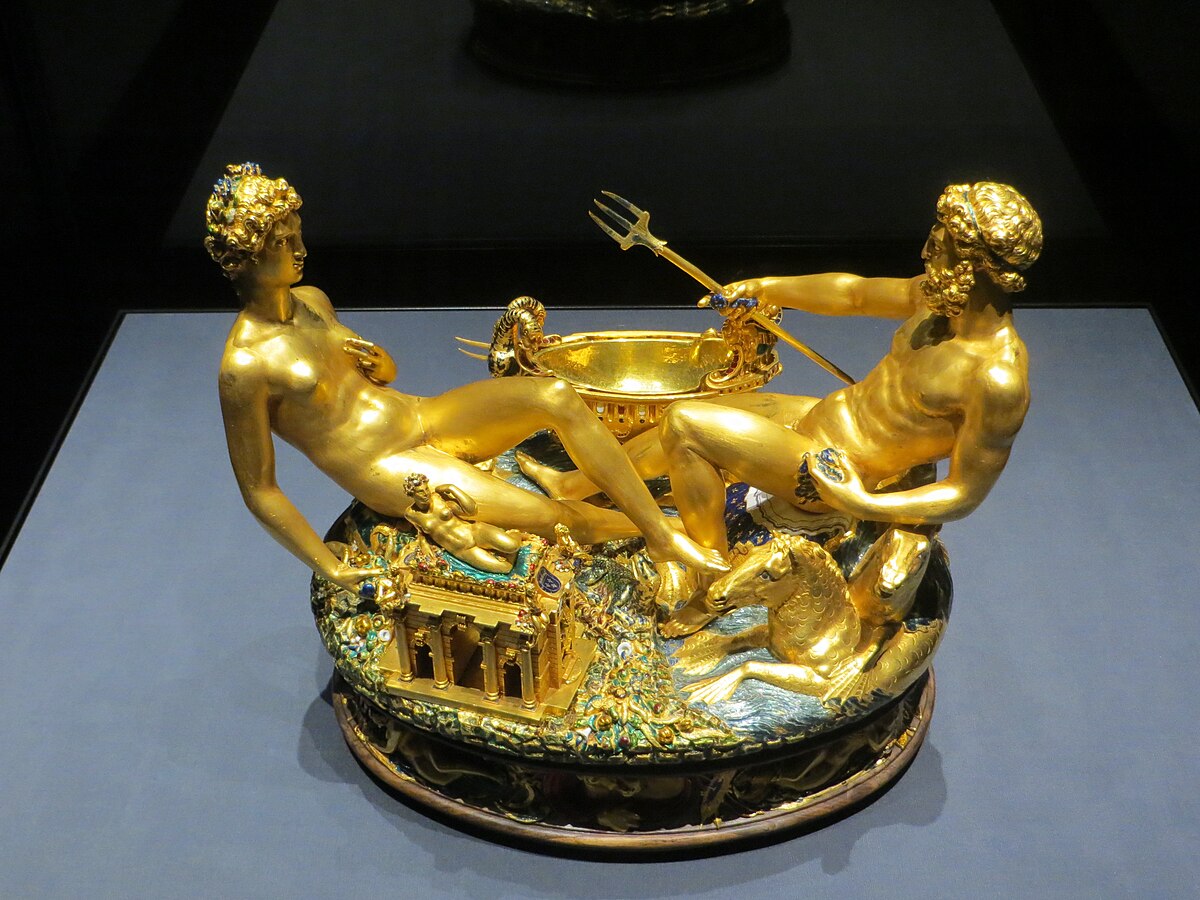
Image of Benvenuto Cellini’s Salt Cellar
The Anatomy of a Masterpiece
Crafted primarily from gold, the Salt Cellar is an astonishing feat of technical mastery. Cellini, renowned for his flamboyant personality and equally impressive skill, eschewed traditional casting methods, instead meticulously hammering the gold into its delicate, flowing form by hand. The base is elegantly fashioned from ebony, providing a striking contrast to the radiant gold, while ivory bearings allow the sculpture to gracefully roll across a banquet table – a deliberate feature designed for display and conversation. But it’s the enameling that truly elevates the piece; intricate scenes depicting figures representing the four seasons and the four winds are painstakingly applied, adding layers of visual complexity and narrative depth. The sheer scale of detail—from the meticulously rendered folds of clothing to the lifelike expressions on the faces of Neptune and Tellus – speaks volumes about Cellini’s dedication and unparalleled skill.
- Material: Gold, Ebony, Ivory, Enamel
- Dimensions: Approximately 10.5 inches (267 mm) tall, 13.1 inches (333 mm) wide
- Technique: Hand-hammered gold, intricate enamel work
A Dialogue with the Divine
The Salt Cellar’s symbolism is as captivating as its aesthetic beauty. At its heart lies a potent allegory of Terra e Mare – Earth and Sea – embodied by the figures of Neptune, god of the ocean, and Tellus, goddess of the earth. These two powerful deities are depicted in an intimate embrace, their legs intertwined, suggesting a harmonious connection between the terrestrial and aquatic realms. The sculpture is further enriched with symbolic details: a small boat carries the salt, representing the flow of commerce and sustenance; a temple dedicated to peppercorns stands alongside Tellus, signifying the pleasures of earthly life. The inclusion of animals—horses, dogs, dolphins—adds another layer of meaning, drawing upon classical iconography and reinforcing the sculpture’s connection to mythology and antiquity.
A Legacy Forged in Ambition
Cellini's autobiography, *Vita*, offers invaluable insight into the creation of this extraordinary piece. He recounts his initial reluctance to accept the commission from Cardinal Ippolito d’Este, dismissing the cardinal’s suggestions with characteristic arrogance and asserting sole credit for the design. The story is rife with anecdotes about Cellini’s daring exploits—including a dramatic escape from bandits while transporting the gold—further cementing his image as a larger-than-life figure of Renaissance Italy. The Salt Cellar, therefore, isn't just an artistic achievement; it’s a reflection of Cellini’s own complex and often contradictory personality – a testament to ambition, skill, and a profound appreciation for beauty. It remains one of the most celebrated examples of Renaissance goldsmithing, captivating viewers with its exquisite detail and enduring symbolism.
प्रश्न और उत्तर
होम डेकोर में बेनुवेनतो सेलिनि द्वारा "Salt Cellar" का उपयोग कैसे किया जा सकता है?
बेनुवेनतो सेलिनि द्वारा "Salt Cellar" को Statement के लिए अनुशंसित किया जाता है, जो Living Room में रखने के लिए आदर्श है। उपयोग और स्थान मिलकर यह तय करने में मदद करते हैं कि एक प्रतिकृति (reproduction) कहाँ सटीक बैठेगी।
बेनुवेनतो सेलिनि द्वारा "Salt Cellar" में क्या दर्शाया गया है, और इसका भाव कैसा है?
"Salt Cellar" में gold, salt cellar, renaissance, sculpture, mythology, allegory, cellini को दर्शाया गया है, और इसका भाव Elegant है।
मैं बेनुवेनतो सेलिनि द्वारा "Salt Cellar" की डिजिटल इमेज कहाँ से खरीद सकता हूँ?
"Salt Cellar" एक उच्च-रिज़ॉल्यूशन वाली डिजिटल इमेज डाउनलोड के रूप में उपलब्ध है, जिसे सीधे इसके डिजिटल छवि पेज से खरीदा जा सकता है।
कलाकार का परिचय
बेनुवेनतो सेलिनि: पुनर्जागरण के बहुमुखी प्रतिभा संपन्न कलाकार
फ्लोरेंस, इटली में 1500 में जन्मे बेनुवेनतो सेलिनि पुनर्जागरण काल के एक असाधारण व्यक्तित्व थे। वे केवल एक कुशल सुनार नहीं थे, बल्कि एक मूर्तिकार, चित्रकार, सैनिक, संगीतकार और लेखक भी थे। उनकी बहुमुखी प्रतिभा और जीवंत व्यक्तित्व उनकी प्रसिद्ध आत्मकथा में खूबसूरती से चित्रित है, जिसे उनकी कलात्मक उपलब्धियों के साथ-साथ एक महत्वपूर्ण साहित्यिक कृति माना जाता है। सेलिनि उस युग की भावना का प्रतीक हैं, जो नाटकीयता और जटिल शैली की विशेषता रखते हैं। उनका जीवन रोमांचक घटनाओं, कलात्मक संघर्षों और असाधारण प्रतिभा का मिश्रण था।
प्रारंभिक जीवन और कलात्मक प्रशिक्षण
सेलिनि एक ऐसे परिवार में पैदा हुए थे जहाँ संगीत को महत्व दिया जाता था – उनके पिता एक संगीतकार और वाद्य यंत्र निर्माता थे। शुरू में, उन्होंने संगीत में रुचि दिखाई, लेकिन पंद्रह वर्ष की आयु में, उन्होंने सुनार बनने का दृढ़ निश्चय किया और अपने अनिच्छुक पिता को एंटोनियो डि सैंड्रो (जिसे मार्कोन के नाम से जाना जाता है) के यहाँ प्रशिक्षुता दिलाने के लिए मना लिया। यह उनकी औपचारिक कलात्मक प्रशिक्षण की शुरुआत थी। उनके शुरुआती वर्षों में कई उतार-चढ़ाव आए; सोलह वर्ष की आयु में, वे साथियों के साथ एक झगड़े में शामिल हो गए, जिसके परिणामस्वरूप उन्हें फ्लोरेंस से निष्कासित कर दिया गया और सिएना में सुनार फ्राकास्टोरो के अधीन काम करने का समय बिताया। इस दौरान उन्होंने कलात्मक कौशल विकसित किया और विभिन्न तकनीकों को सीखा।
प्रमुख कलात्मक रचनाएँ और शैली
सेलिनि की सबसे प्रसिद्ध रचनाओं में से एक ‘सॉल्ट सेलर’ है, जो फ्रांस के राजा फ्रांस्वा प्रथम द्वारा कमीशन किया गया था। यह विस्तृत चांदी का उत्कृष्ट नमूना जटिल विवरणों और गतिशील आकृतियों को दर्शाता है, जो अब वियना के कुन्स्टहिस्टोरिशेस संग्रहालय में रखा गया है। उनकी दूसरी महत्वपूर्ण रचना ‘परसियस मेडुसा के सिर के साथ’ एक कांस्य मूर्तिकार है, जिसमें परसियस को मेडुसा के कटे हुए सिर को गर्व से पकड़े हुए दिखाया गया है। यह कृति सेलिनि की रूप और नाटकीय संरचना में महारत का प्रमाण है। उन्होंने ‘लेडा एंड द स्वान’ नामक एक स्वर्ण पदक भी बनाया, जो गोनफालोनिएरे गैब्रिएलो सेसारिनो के लिए बनाया गया था, और यह उनकी शास्त्रीय पौराणिक कथाओं को उत्कृष्ट शिल्प कौशल के साथ मिलाने की क्षमता को दर्शाता है। ब्रिटिश संग्रहालय में उनके डिजाइन का एक चित्र ‘सील के लिए परियोजना’ भी मौजूद है।
कला से परे जीवन: सैनिक, संगीतकार और आत्मकथा लेखक
सेलिनि का जीवन कार्यशाला तक सीमित नहीं था। उन्होंने घेराबंदी के दौरान एक सैनिक के रूप में सेवा की, दावा किया कि उन्होंने रोमन सेना को शाही ताकतों से बचाने में महत्वपूर्ण भूमिका निभाई थी। वे एक कुशल संगीतकार भी थे, जो पापल दरबार में कॉर्नेट और बांसुरी बजाते थे। हालांकि, उनकी आत्मकथा ही उन्हें सबसे अलग बनाती है। ‘द लाइफ ऑफ बेनुवेनतो सेलिनि’ यह स्पष्ट और अक्सर अभिमानी वृत्तांत पुनर्जागरण कला, संस्कृति और समाज के बारे में अमूल्य अंतर्दृष्टि प्रदान करता है। यह संरक्षकों, प्रतिद्वंद्वियों और व्यक्तिगत रोमांचों की कहानियों से भरी एक आकर्षक कथा है, जो उस युग का एक अनूठा दृष्टिकोण प्रस्तुत करती है। उनकी आत्मकथा केवल घटनाओं का वर्णन नहीं है; यह एक सावधानीपूर्वक निर्मित आत्म-चित्र है जिसे उनकी प्रतिभा दिखाने और उनके कार्यों को सही ठहराने के लिए डिज़ाइन किया गया है। सेलिनि के पूर्वाग्रहों के कारण कभी-कभी अविश्वसनीय होने के बावजूद, यह पुनर्जागरण जीवन को समझने के लिए एक आवश्यक प्राथमिक स्रोत बना हुआ है।
विरासत और ऐतिहासिक महत्व
बेनुवेनतो सेलिनि का 1571 में फ्लोरेंस में निधन हो गया, उन्होंने पुनर्जागरण कला के सबसे महत्वपूर्ण कलाकारों में से एक के रूप में अपनी विरासत छोड़ दी। उनका तकनीकी कौशल, कलात्मक नवाचार और आकर्षक आत्मकथा आज भी कलाकारों और कला प्रेमियों को प्रेरित करती है। वे एक बहुमुखी प्रतिभा संपन्न व्यक्ति का प्रतीक हैं जो कई विषयों में कुशल थे, महत्वाकांक्षा से प्रेरित थे, और अपनी व्यक्तित्व व्यक्त करने से डरते नहीं थे। उनकी कृतियाँ सुंदरता, शिल्प कौशल और नाटकीय शक्ति के लिए मनाई जाती हैं, जिससे पश्चिमी कला इतिहास में उनका स्थान मजबूत होता है। सेलिनि ने पुनर्जागरण काल की आदर्शों को साकार किया – एक ऐसा व्यक्ति जो कला, विज्ञान और साहित्य सहित विभिन्न क्षेत्रों में उत्कृष्टता प्राप्त करता था, और अपनी रचनात्मकता से दुनिया को प्रभावित करने का प्रयास करता था।

बेनुवेनतो सेलिनि
1500 - 1571 , इटली
संक्षिप्त जानकारी
- Artistic Movement Or Style: मैनरिज्म
- Artists Who Influenced This Artist: ['माइकल एंजेलो']
- Date Of Birth: 1 नवंबर 1500
- Date Of Death: 13 फरवरी 1571
- Full Name: बेनुवेनतो सेलिनि
- Nationality: इतालवी
- Notable Artworks (List Of Titles):
- पर्सेउस का सिर
- सेलिनि सॉल्ट सेलर
- Place Of Birth (City And Country): फ्लोरेंस, इटली
संबंधित लेखों की सूची

Golden Glow: How to Use Metallic Gold Artworks to Elevate Your Home Decor with Timeless Luxury
Discover how to elevate your home with the timeless elegance of metallic gold artworks. From sculptural metal pieces to gilded oil paintings, learn expert interior design tips for integrating luxurious gold accents into your space with sophistication and grace.

The Enduring Form: Sculpture Across History, Technique & Emotional Resonance
Explore the rich history of sculpture with OriginalUniqueArt. Discover key techniques, influential artists & investment potential for discerning collectors. Expert insights into valuing and collecting timeless masterpieces.

Benvenuto Cellini: Renaissance Goldsmith, Sculptor & Master of Self-Fashioning
Explore the life & art of Benvenuto Cellini, Renaissance goldsmith & sculptor. Discover his iconic 'Perseus,' masterful techniques, and enduring legacy – a collector's essential guide.

The Enduring Form: Exploring Themes & Techniques in Sculpture Across Historical Periods
Explore the rich history of sculpture from ancient masterpieces to contemporary innovations. Discover key techniques, influential artists & investment potential for discerning art collectors.

Bronze Sculptures That Defined Art History | OriginalUniqueArt
Journey through art history with our Top 10 bronze sculptures! Explore masterpieces by Rodin, Michelangelo & more. Discover stories behind iconic statues and find museum-quality reproductions for your home decor at OriginalUniqueArt.com.
