

 साझा करें
 साझा करें
 विस्तृत विवरण

 डाउनलोड करें
 समान कलाकृतियाँ
 स्लाइड शो देखें
Kasaï velvet


 पूरा देखें
गिक्ली / आर्ट प्रिंट
तेज़ उत्पादन और विभिन्न फिनिश विकल्पों के साथ म्यूजियम-क्वालिटी गिकली (giclée) या कैनवस प्रिंट। ( हाथ से बनी पेंटिंग खरीदें छवि खरीदें)




































कलाकृति के मूल अनुपात से मेल खाने वाले हमारे पूर्व निर्धारित आकारों में से चुनें।

आप किसी विशिष्ट फ्रेम या स्थान के अनुसार अपने स्वयं के आयाम (dimensions) दर्ज कर सकते हैं। यदि आपके द्वारा चुना गया आकार मूल छवि के अनुपात से मेल नहीं खाता है, तो हम कलाकृति को क्रॉप कर देंगे या मिरर किए गए या सॉलिड-फिल किनारे के साथ छवि का विस्तार करेंगे। उत्पादन शुरू होने से पहले आपकी स्वीकृति के लिए एक डिजिटल मॉकअप भेजा जाएगा।
कृपया ध्यान दें कि स्क्रीन पर दिखने वाला प्रीव्यू वास्तविक क्रॉपिंग या विस्तार को नहीं दर्शाता है। केवल मॉकअप ही अंतिम संरचना को सटीक रूप से दिखाएगा।
हालाँकि कस्टम आकार उपलब्ध हैं, फिर भी हम मूल अनुपात बनाए रखने के लिए पूर्व-निर्धारित सूची में से एक आयाम चुनने की सलाह देते हैं।
विश्वव्यापी डिलीवरी (), मानक 4/5 सप्ताह के बजाय मात्र 2 सप्ताह में। (22 अगस्त)

दुनिया भर में मुफ़्त एक्सप्रेस शिपिंग

उच्च गुणवत्ता वाला लिनेन कैनवास

पूर्ण शिपिंग बीमा

सीमा शुल्क और आयात कर वापसी की गारंटी

सटीक रंग मिलान की गारंटी

60-दिन की वापसी नीति (केवल दोषों के लिए)

100% पैसे वापसी की गारंटी

थोक छूट का लाभ
 ग्लास का विकल्प केवल 110 सेमी से कम आकार में ही उपलब्ध है।

Kasaï velvet
गिक्ली / आर्ट प्रिंट
प्रतिकृति का आकार
-


कुल देय राशि
$ 80
संग्रहणीय वस्तु का विवरण
The Intricate Language of Kasaï Velvet
In the heart of the Democratic Republic of Congo, there exists a textile tradition that transcends mere decoration, acting instead as a profound visual language of identity and prestige. The Kasaï velvet is not merely a fabric but a masterpiece of mathematical precision and tactile artistry. Created by the skilled hands of Bakuba Bushongo women, these textiles are characterized by their mesmerizing geometric complexity. As one gazes upon the surface, a rhythmic dance of diamonds, circles, and interlocking shapes emerges from a deep, earthy background. Each thread is woven with an intentionality that speaks to a lineage of craftsmanship where every motif carries the weight of cultural memory and social standing.
The technique behind this exquisite work is a testament to the patience and mastery of the Bushongo craftswomen. Unlike standard weaving, the creation of Kasaï velvet involves a sophisticated embroidery process that produces a raised, plush texture—a "velvet" effect achieved through meticulous needlework. This tactile dimension invites the viewer to not only see the art but to feel its structural depth. The interplay between the dark, grounding tones of the base fabric and the lighter, structured patterns creates a high-contrast aesthetic that is both ancient and strikingly modern. For the discerning collector, this piece offers a rare opportunity to possess a fragment of African textile heritage, where the complexity of the design serves as a window into a sophisticated social hierarchy.
A Legacy of Symbolism and Prestige
To understand Kasaï velvet is to understand the social fabric of the Bakuba people. Historically, these textiles were far more than domestic items; they were symbols of authority, used in ceremonial contexts to denote the status of leaders and priests. The geometric patterns are not random; they are carefully curated symbols that reflect the cosmological views and political structures of the Bushongo empire. The repetition of certain shapes can signify continuity, while the sudden shifts in orientation within the diamond motifs suggest the dynamic nature of life and leadership. This piece carries an emotional resonance of resilience and cultural pride, embodying a spirit that has endured through centuries of transformation.
For interior designers and connoisseurs of fine art, integrating a reproduction of Kasaï velvet into a contemporary space offers a sophisticated way to introduce texture and narrative depth. The organic yet structured nature of the design allows it to serve as a focal point in minimalist or maximalist settings alike. It brings an element of "soul" to a room, providing a conversation piece that bridges the gap between traditional African artistry and modern luxury. Owning such a work is an invitation to celebrate the enduring legacy of Congolese craftsmanship, ensuring that the intricate stories woven into these fibers continue to inspire generations to come.
कलाकार का जीवन परिचय
The Legacy of Empire Bakuba: Congolese Soul Music’s Enduring Influence
Empire Bakuba stands as a monumental figure in the history of Congolese music, embodying the spirit of innovation and cultural pride that defined the soukous genre during its golden age. Founded in 1972 by Pepe Kalle—a charismatic performer who became synonymous with Congolese musical identity—the band swiftly ascended to prominence, captivating audiences with its distinctive blend of traditional rhythms and contemporary instrumentation. More than just a band, Empire Bakuba represented a powerful symbol of resilience and artistic vision amidst turbulent political times.Origins and Early Years: A Fusion of Tradition and Innovation
The genesis of Empire Bakuba can be traced back to Lipua Lipua, a collective spearheaded by Pepe Kalle alongside Papy Tex and Dilu Dilumona—all seasoned musicians who had previously collaborated on African Choc. Recognizing the potential for blending Congolese musical heritage with global influences, Kalle envisioned a band that would not only entertain but also narrate the story of Congo’s cultural landscape. Their debut album, *Nazingi Maboto*, established this ethos immediately, showcasing a masterful fusion of tribal percussion and melodic guitar riffs—a stylistic hallmark that would characterize their entire oeuvre. The band's early performances were marked by elaborate stage productions featuring acrobats and dancers, reflecting the vibrant energy of Kinshasa’s musical scene during the 1970s and cementing Empire Bakuba’s reputation as a trailblazer.Musical Style and Artistic Identity
Empire Bakuba’s signature sound—often described as “Kwassa Kwassa”—was instantly recognizable for its infectious groove, driven by complex polyrhythms rooted in Bantu traditions. The band's instrumentation included guitars, keyboards, bass, drums, and percussion instruments sourced from across the DRC, creating a sonic tapestry that mirrored the country’s diverse cultural heritage. Pepe Kalle’s leadership was instrumental in shaping this artistic vision; he championed a theatrical approach to performance—incorporating acrobats, dancers, and elaborate costumes—that elevated Empire Bakuba beyond mere musical entertainment into a spectacle of Congolese culture. Notably, their music frequently tackled social themes, addressing issues of poverty, injustice, and political oppression with lyrical honesty and emotional depth.Notable Albums and Performances: Defining the Soukous Soundscape
Empire Bakuba’s discography boasts several albums that solidified its place in soukous history. *Chérie Ondi*, released in 1982, became a massive hit, propelling Empire Bakuba to international acclaim—particularly in Europe—where their music resonated with audiences eager for authentic African sounds. Albums like *Bonana 85* and *La Belle Etoile* continued to showcase the band’s musical prowess and cemented its status as one of Congo's most celebrated artists. Performances were equally impactful, captivating audiences worldwide with Kalle’s commanding stage presence and Empire Bakuba’s mesmerizing choreography. Their concerts became synonymous with Congolese cultural pride—a celebration of rhythm, dance, and storytelling that transcended linguistic barriers.Legacy and Influence: Shaping Congolese Music Forever
Despite facing challenges during the tumultuous years following Pepe Kalle's death in 1998—including logistical difficulties and a decline in album sales—Empire Bakuba endured as a symbol of Congolese musical tradition. The band’s enduring influence can be seen in subsequent generations of soukous artists who adopted its stylistic innovations and embraced its commitment to social commentary. Furthermore, Empire Bakuba's contribution to the broader cultural landscape extends beyond music; it represents an embodiment of Congo’s artistic spirit—a testament to creativity, resilience, and the power of musical expression to convey profound narratives about identity and heritage. Today, Empire Bakuba continues to perform sporadically, ensuring that Pepe Kalle’s legacy—and the band's distinctive sound—lives on for future generations of Congolese music lovers.
bakuba, bushongo
Democratic Republic of the Congo
मुख्य तथ्य
- Artistic Movement Or Style: Soukous
- Artists Or Movements Influenced By This Artist: ['Kwassa Kwassa']
- Artists Who Influenced This Artist: ['Grand Kalle']
- Date Of Death: 1998
- Full Name: Pepe Kalle
- Nationality: Congolese
- Notable Artworks:
- Nazingi Maboto
- Chérie Ondi
- Place Of Birth: Kinshasa, DRC
संबंधित लेख

The Enduring Appeal of Geometric Patterns in Art: A Historical & Contemporary Exploration
Explore the captivating history of geometric abstraction in art, from ancient roots to contemporary masters. Expert insights for collectors & enthusiasts. Discover key artists, movements & investment potential.

ज्यामितीय अमूर्तता: शीर्ष 10 उत्कृष्ट कृतियाँ जो कला को नया आकार देती हैं | OriginalUniqueArt.com
ज्यामितीय अमूर्तता की शीर्ष 10 उत्कृष्ट कृतियों का अन्वेषण करें! पिकासो, मोंड्रियन और अन्य कलाकारों के प्रेरणादायक कार्यों से कला इतिहास जानें। OriginalUniqueArt.com पर उच्च गुणवत्ता वाली कला प्रिंट और कैनवास खरीदें।
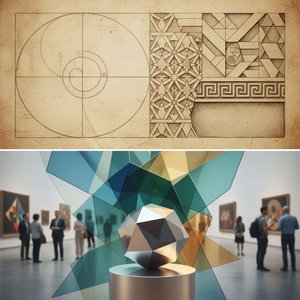
Geometric Design in Art: A Historical Survey & Contemporary Appeal for Collectors
Explore the enduring legacy of geometric abstraction! Discover key artists, historical movements & investment insights for discerning art collectors. Expert guidance from OriginalUniqueArt.

Beyond Form & Color: Geometric Abstraction's Evolution in 20th/21st Century Art
Explore the evolution of geometric abstraction from Cubism to contemporary art. Discover key artists like Malevich & Mondrian, investment insights, and expert collecting advice at OriginalUniqueArt.

The Power of Less: A Definitive Guide to the Minimalism Movement and Geometric Abstraction
Explore the profound impact of Minimalism and Geometric Abstraction. From Mondrian to Malevich, discover how stripping art to its essential forms revolutionized modern aesthetics through our expert-led historical guide.

