

 पूर्वावलोकन देखें
 भेजें
भेजें साझा करें
 विवरण देखें
 मार्गदर्शिका

 डाउनलोड करें
 समान वस्तुएं
 एक्स-रे
 स्लाइड शो देखें
 आंकड़े
Sandridge
 Oil On Canvas
- WallArt
- Australian Impressionism
 1888
1888- 19th Century
 233.0 x 128.0 cm
 नेशनल गैलरी ऑफ ऑस्ट्रेलिया
 और पढ़ें
गिक्ली / आर्ट प्रिंट
तेज़ उत्पादन और विभिन्न फिनिश विकल्पों के साथ म्यूजियम-क्वालिटी गिकली (giclée) या कैनवस प्रिंट। ( हाथ से बनी पेंटिंग खरीदें डिजिटल इमेज पर जाएँ)




P118B ₹10

P118H ₹10

P118W ₹10

P438Z ₹10

P508JH ₹12

P508YH ₹12

P805H ₹10

P805Z ₹10

P919BZ ₹10

P919G ₹10

P919XJ ₹10

P959ZH ₹10

P968JZ ₹12

W106C ₹8

W218G ₹10

W218JH ₹8

W218Y ₹10

W307PJ ₹10

W316G ₹10

W316PJ ₹8

W316Y ₹10

W398PJ ₹8

W4111J ₹10

W500HY ₹15

W500JH ₹15

W692G ₹12

W849H ₹8

W940BG ₹15

W953PJ ₹8




कलाकृति के मूल अनुपात से मेल खाने वाले हमारे पूर्व निर्धारित आकारों में से चुनें।

आप किसी विशिष्ट फ्रेम या स्थान के अनुसार अपने स्वयं के आयाम (dimensions) दर्ज कर सकते हैं। यदि आपके द्वारा चुना गया आकार मूल छवि के अनुपात से मेल नहीं खाता है, तो हम कलाकृति को क्रॉप कर देंगे या मिरर किए गए या सॉलिड-फिल किनारे के साथ छवि का विस्तार करेंगे। उत्पादन शुरू होने से पहले आपकी स्वीकृति के लिए एक डिजिटल मॉकअप भेजा जाएगा।
कृपया ध्यान दें कि स्क्रीन पर दिखने वाला प्रीव्यू वास्तविक क्रॉपिंग या विस्तार को नहीं दर्शाता है। केवल मॉकअप ही अंतिम संरचना को सटीक रूप से दिखाएगा।
हालाँकि कस्टम आकार उपलब्ध हैं, फिर भी हम मूल अनुपात बनाए रखने के लिए पूर्व-निर्धारित सूची में से एक आयाम चुनने की सलाह देते हैं।
विश्वव्यापी डिलीवरी (), मानक 4/5 सप्ताह के बजाय मात्र 2 सप्ताह में। (8 अक्टूबर)

दुनिया भर में मुफ़्त एक्सप्रेस शिपिंग

प्रीमियम ग्रेड लिनेन कैनवास

पूर्ण शिपिंग बीमा

सीमा शुल्क और आयात कर वापसी की गारंटी

सटीक रंग मिलान की गारंटी

100 दिनों की वापसी नीति (केवल निर्माण दोष होने पर)

100% पैसे वापसी की गारंटी

थोक छूट का अवसर
 ग्लास का विकल्प केवल 110 सेमी से कम आकार में ही उपलब्ध है।

Sandridge
गिक्ली / आर्ट प्रिंट
प्रतिकृति का आकार
-


कुल मूल्य
₹ 7610
A Moment Frozen in Time: The Drama of Sandridge
In the vast expanse of Australian Impressionism, few works capture the raw, unscripted tension of maritime life as poignantly as Arthur Streeton’s Sandridge. Painted in 1888, this monumental oil on canvas serves as a window into a bustling, high-stakes moment within a busy harbor. At first glance, the viewer is drawn into a scene of profound movement and uncertainty; the central focus is a vessel caught in a state of distress, appearing to sink or having just succumbed to the elements. This focal point acts as the emotional anchor of the composition, pulling the eye toward the center of a swirling maritime drama where the calm of the water meets the sudden chaos of an emergency.
Streeton, a pioneer of the Heidelberg School, was a master at capturing what his contemporaries called the "Australian Light." In Sandridge, he utilizes this expertise to paint not just a scene, and not just a location, but an atmosphere. The light dances across the hulls of various boats—ranging from large, dominating vessels to smaller, more agile craft—creating a sense of depth and shimmering heat. Through his brushwork, one can almost feel the humidity of the harbor and the frantic energy of the at least twelve figures scattered throughout the scene. Some onlookers stand in stunned proximity to the sinking boat, while others are mere silhouettes against the horizon, their presence adding to the collective weight of the unfolding tragedy.
Technique and the Impressionist Spirit
The technical execution of Sandridge is a testament to Streeton’s ability to blend large-scale composition with delicate, impressionistic touches. The sheer scale of the work, measuring an impressive 233 x 128 cm, allows the viewer to become immersed in the harbor's geography. Streeton employs a palette that reflects the gritty yet luminous reality of a working port. His use of oil on canvas provides a rich texture that gives weight to the wooden hulls and life to the churning water. The way he manages the interplay between light and shadow is crucial; it is through these subtle shifts in tone that the sense of "chaos" is communicated without relying on overt, messy strokes.
For the discerning collector or interior designer, this piece offers a sophisticated balance of narrative intensity and aesthetic harmony. The painting does not merely depict a disaster; it captures the structural beauty of a maritime landscape. The composition guides the eye through a rhythmic arrangement of masts, sails, and figures, making it a powerful statement piece for any grand space. It possesses that rare quality in fine art: the ability to command attention through its historical gravity while simultaneously complementing a modern or classical interior with its masterful use of color and light.
A Legacy of Australian Identity
To understand Sandridge is to understand the birth of a national artistic identity. During the late 19th century, Streeton and his peers were moving away from European traditions to find a way to paint the unique, harsh, yet beautiful Australian landscape. While much of his work focuses on the golden hues of the bush, Sandridge explores the industrial and social heartbeat of the coast. The painting symbolizes the vulnerability of human endeavor when faced with the unpredictable forces of nature, a theme that resonates deeply across generations.
Owning a high-quality reproduction of this masterpiece allows one to bring a piece of Australian history into the contemporary home. It is more than a decoration; it is an invitation to contemplate the fleeting nature of stability and the enduring strength of human observation. Whether placed in a library, a formal dining room, or a curated gallery space, Sandridge serves as a profound conversation starter, embodying the spirit of an era defined by discovery, struggle, and the breathtaking beauty of the Australian light.
प्रश्न और उत्तर
"Sandridge" कब और किन सामग्रियों से बनाया गया था?
"Sandridge" का निर्माण 1888 में, Oil On Canvas के माध्यम से किया गया था।
आर्थर स्ट्रीटन द्वारा "Sandridge" में क्या दर्शाया गया है, और इसका भाव कैसा है?
आर्थर स्ट्रीटन द्वारा "Sandridge", harbor scene, boats, maritime, australia, impressionism, water, drama को एक Dramatic वातावरण के साथ जोड़ता है।
मैं मूल आर्थर स्ट्रीटन द्वारा "Sandridge" कहाँ देख सकता हूँ?
आर्थर स्ट्रीटन द्वारा "Sandridge", नेशनल गैलरी ऑफ ऑस्ट्रेलिया, कैनबरा, ऑस्ट्रेलिया में प्रदर्शित है। संग्रहालय की इस सूची का संदर्भ मूल कृति से है, न कि उसकी प्रतिकृतियों से।
आर्थर स्ट्रीटन द्वारा "Sandridge" के निर्माण की तिथि क्या है?
आर्थर स्ट्रीटन द्वारा "Sandridge" का निर्माण 1888 में किया गया था।
"Sandridge" का विषय आर्थर स्ट्रीटन के सामान्य विषयों से किस प्रकार संबंधित है?
आर्थर स्ट्रीटन के दर्ज विषयों - heidelberg school style, australian light capture, maritime life depiction, pioneer of australian impressionism, defining australian landscape art - के बीच, "Sandridge" में harbor scene, boats, maritime, australia, impressionism, water, drama पर अपना स्वयं का विशेष ध्यान केंद्रित किया गया है।
"Sandridge" के पीछे के कलाकार कौन हैं?
"Sandridge" के पीछे के कलाकार आर्थर स्ट्रीटन हैं। यह कृति आर्थर स्ट्रीटन के नाम के अंतर्गत सूचीबद्ध है।
"Sandridge" के निर्माण के समय आर्थर स्ट्रीटन की आयु क्या थी?
आर्थर स्ट्रीटन ने 21 वर्ष की आयु में "Sandridge" बनाया था। कलाकार का जन्म 1867 में हुआ था और इस कृति का वर्ष 1888 है।
कलाकार का परिचय
ऑस्ट्रेलियाई प्रकाश के अग्रदूत: आर्थर स्ट्रीटन का जीवन और कला
आर्थर अर्नेस्ट स्ट्रीटन, जिन्हें उनके समकालीनों द्वारा प्यार से “स्माइके” कहा जाता था, ऑस्ट्रेलियाई कला इतिहास के एक महान व्यक्तित्व के रूप में प्रतिष्ठित हैं। 8 अप्रैल, 1867 को विक्टोरिया के माउंट ड्यूनीड में जन्मे, उनका जीवन उस राष्ट्र की विकसित होती पहचान से अटूट रूप से जुड़ा था जो परिदृश्य चित्रण (landscape painting) के माध्यम से अपनी आवाज़ खोज रहा था। एक विनम्र पृष्ठभूमि से आने वाले स्ट्रीटन—उनके माता-पिता अंग्रेजी प्रवासी थे जो ऑस्ट्रेलिया की यात्रा के दौरान मिले थे—की कलात्मक यात्रा 1882 से 1887 तक मेलबर्न के नेशनल गैलरी स्कूल में अध्ययन के साथ शुरू हुई, जिसने उस करियर की नींव रखी जिसने ऑस्ट्रेलियाई प्रभाववाद (Australian Impressionism) और हाइडलबर्ग स्कूल को परिभाषित किया। ये शुरुआती वर्ष केवल तकनीकी कौशल के बारे में नहीं थे; वे ऑस्ट्रेलियाई बुश की विशिष्ट प्रकाश और वातावरण की गुणवत्ता को पकड़ने का एक तरीका खोजने के बारे में थे—एक ऐसा प्रकाश जो यूरोप में देखी गई किसी भी चीज़ से अलग था, और एक ऐसी चुनौती जिसने स्ट्रीटन को उनके पूरे जीवन भर मंत्रमुग्ध कर रखा। उन्होंने अपने औपचारिक प्रशिक्षण को एक लिथोग्राफर के रूप में प्रशिक्षुता के साथ पूरा किया, ऐसे अनुभव जिन्होंने निस्संदेह रचना और टोनल मूल्यों की उनकी समझ को समृद्ध किया।हाइडलबर्ग स्कूल और ईगलमोंट कैंप
स्ट्रीटन का कलात्मक परिपक्वता काल हाइडलबर्ग स्कूल के उदय के साथ मेल खाता, जो कलाकारों का एक ऐसा समूह था जो एक प्रामाणिक ऑस्ट्रेलियाई शैली गढ़ने के लिए दृढ़ संकल्पित था। टॉम रॉबर्ट्स और फ्रेडरिक मैककुबिन के साथ उनकी मित्रता अत्यंत महत्वपूर्ण थी; साथ मिलकर उन्होंने प्रकृति से सीधे परिदृश्य का प्रतिनिधित्व करने के उद्देश्य से *plein air* (खुले आसमान के नीचे) पेंटिंग यात्राओं पर प्रस्थान किया। फ्रांसीसी प्रभाववाद से प्रेरित लेकिन विशिष्ट ऑस्ट्रेलियाई संदर्भ में अनुकूलित, बाहर काम करने की यह प्रतिबद्धता उनके कार्य की एक पहचान बन गई। 1888 में ईगलमोंट कैंप की स्थापना एक महत्वपूर्ण मोड़ साबित हुई। मेलबर्न के बाहरी इलाके में साथी कलाकारों के साथ एक फार्महाउस साझा करते हुए, स्ट्रीटन गहन रचनात्मकता के दौर में प्रवेश कर गए। यहीं उन्होंने अपनी कुछ सबसे प्रतिष्ठित कृतियों का निर्माण किया, जिसमें Golden Summer, Eaglemont (1889) और Still glides the stream, and shall for ever glide (1890) शामिल हैं। ये पेंटिंग्स केवल दृश्यों का चित्रण नहीं थीं; वे एक भावना का आह्वान थीं—सुनहरे खेतों के ऊपर झिलमिलाती गर्मी की धुंध, और गर्मियों की दोपहर की स्थिरता। इस कैंप ने साझा प्रयोगों और आपसी प्रोत्साहन के वातावरण को बढ़ावा दिया, जिससे ऑस्ट्रेलियाई कला जगत में हाइडलबर्ग स्कूल की प्रतिष्ठा एक शक्तिशाली शक्ति के रूप में स्थापित हुई। समूह के साहसी दृष्टिकोण का चरमोत्कर्ष 1889 में विवादास्पद “9 by 5 इम्प्रेशन प्रदर्शनी” में हुआ, जिसमें छोटी, तेजी से बनाई गई पेंटिंग्स प्रदर्शित की गईं जिन्होंने पारंपरिक कलात्मक मानदंडों को चुनौती दी।मान्यता की खोज और घर वापसी
महत्वाकांक्षा और व्यापक पहचान की इच्छा से प्रेरित होकर, स्ट्रीटन 1897 में *Polynesien* जहाज से लंदन के लिए रवाना हुए। हालांकि उन्होंने रॉयल एकेडमी में प्रदर्शनी के माध्यम से कुछ सफलता प्राप्त की, जिसमें 1900 में उनका प्रतिनिधित्व भी शामिल था, लेकिन उन्हें उस प्रशंसा को दोहराने में कठिनाई हुई जो उन्हें ऑस्ट्रेलिया में मिली थी। यूरोपीय कला परिदृश्य भीड़भाड़ वाला और प्रतिस्पर्धी था, और उनका विशिष्ट ऑस्ट्रेलियाई दृष्टिकोण हमेशा स्थापित रुचियों के साथ मेल नहीं खा पाया। उन्होंने पेंटिंग करना जारी रखा, विभिन्न विषयों की खोज की—Palazzo Labia, Venice (1908) जैसे वेनिस के दृश्य उनके ध्यान में आए बदलाव को दर्शाते हैं लेकिन प्रकाश और रंग के प्रति उनकी विशिष्ट संवेदनशीलता को बनाए रखते हैं। प्रथम विश्व युद्ध के प्रकोप के दौरान, स्ट्रीटन ने रॉयल आर्मी मेडिकल कोर के साथ एक व्यवस्थापक के रूप में सेवा के माध्यम से योगदान देने का प्रयास किया, और बाद में 1918 में एक आधिकारिक युद्ध कलाकार बने। उनके युद्धकालीन चित्रों ने, पश्चिमी मोर्चे की तबाही का दस्तावेजीकरण करते हुए भी, अक्सर परिदृश्य पर ही ध्यान केंद्रित किया, जो प्राकृतिक दुनिया के प्रति उनके स्थायी आकर्षण को दर्शाता है। वे 1923 में एक प्रतिष्ठित व्यक्तित्व के रूप में ऑस्ट्रेलिया लौटे और कला में उनके योगदान के लिए 1937 में उन्हें नाइटहुड से सम्मानित किया गया।विरासत और स्थायी प्रभाव
आर्थर स्ट्रीटन की विरासत उनकी व्यक्तिगत पेंटिंग्स से कहीं आगे तक फैली हुई है। उन्होंने एक अद्वितीय ऑस्ट्रेलियाई कलात्मक पहचान स्थापित करने में महत्वपूर्ण भूमिका निभाई, जिसने महाद्वीप की सुंदरता और विशालता का उत्सव मनाया। उनके काम ने यह परिभाषित करने में मदद की कि ऑस्ट्रेलियाई खुद को और अपनी भूमि को कैसे देखते हैं। उनका प्रभाव उन पीढ़ियों के परिदृश्य चित्रकारों में देखा जा सकता है जो उनके बाद आए, जो ऑस्ट्रेलियाई प्रकाश और वातावरण के सार को पकड़ने की उनकी क्षमता से प्रेरित थे। वे एक प्रचुर लेखक और कला समीक्षक भी थे, जिन्होंने ऑस्ट्रेलियाई कला के इर्द-गिर्द के विमर्श को और आकार दिया। हालांकि उन्होंने निराशा और आत्म-संदेह के दौर का अनुभव किया, लेकिन स्ट्रीटून 1 सितंबर, 1943 को ओलेंडा, विक्टोरिया में अपनी मृत्यु तक अपने कलात्मक दृष्टिकोण के प्रति प्रतिबद्ध रहे। उनकी पेंटिंग्स आज भी दर्शकों को मंत्रमुग्ध करती हैं, जो ऑस्ट्रेलिया के हृदय और आत्मा की एक कालातीत झलक पेश करती हैं।प्रमुख कार्य और विषय
- Golden Summer, Eaglemont (1889): शायद उनकी सबसे प्रसिद्ध कृति, जो ऑस्ट्रेलियाई गर्मियों की गर्मी और प्रकाश को साकार करती है।
- Still glides the stream, and shall for ever glide (1890): यारा नदी का एक गीतात्मक चित्रण, जो वायुमंडलीय परिप्रेक्ष्य में उनकी महारत को प्रदर्शित करता है।
- Fire’s on (1891): ऑस्ट्रेलियाई बुशफायर परिदृश्य का एक शक्तिशाली प्रतिनिधित्व, जो इसकी सुंदरता और खतरे दोनों को कैद करता है।
- Palazzo Labia, Venice (1908): यूरोपीय विषयों के साथ अपने प्रभाववादी शैली को अनुकूलित करने की उनकी क्षमता को प्रदर्शित करता है।
- Egyptian Drink Vendor (1897): एक जीवंत दृश्य जो उनकी यात्राओं और विभिन्न संस्कृतियों की खोज को दर्शाता है।

आर्थर स्ट्रीटन
1867 - 1943 , ऑस्ट्रेलिया
संक्षिप्त जानकारी
- इस कलाकार से प्रभावित कलाकार या आंदोलन: ऑस्ट्रेलियाई प्रभाववाद
- उल्लेखनीय कलाकृतियाँ:
- गोल्डन समर, ईगलमोंट
- स्टिल ग्लाइड्स द स्ट्रीम
- पलाज्जो लाबिया, वेनिस
- इजिप्शियन ड्रिंक वेंडर
- सिरियस कोव
- कलाकार जिन्होंने इस कलाकार को प्रभावित किया:
- लुई बुवेलोट
- जे.एम.डब्ल्यू. टर्नर
- कलात्मक आंदोलन या शैली: प्रभाववाद, हीडलबर्ग स्कूल
- जन्म तिथि: 8 अप्रैल, 1867
- जन्म स्थान: माउंट ड्यूनीड, ऑस्ट्रेलिया
- पूरा नाम: आर्थर अर्नेस्ट स्ट्रीटन
- मृत्यु तिथि: 1 सितंबर, 1943
- राष्ट्रीयता: ऑस्ट्रेलियाई
संबंधित लेखों की सूची

पॉल सेज़ान की शीर्ष 25 उत्कृष्ट कृतियाँ: कला और सजावट का अद्भुत संग्रह | OriginalUniqueArt
पॉल सेज़ान की शीर्ष 25 उत्कृष्ट कृतियों का अन्वेषण करें! प्रभाववाद और आधुनिक कला के जनक सेज़ान के जीवन, शैली और प्रसिद्ध चित्रों को जानें। OriginalUniqueArt पर उच्च गुणवत्ता वाले कैनवास प्रिंट और दीवार सजावट खरीदें।

Impressionism's Masterpieces: 10 Paintings That Defined a Movement | OriginalUniqueArt
Journey through Impressionism's heart with 10 iconic paintings by Monet, Renoir & Degas. Explore light, color & the stories behind these masterpieces. Find museum-quality art reproductions and elevate your home decor on OriginalUniqueArt.com.

Boats on Canvas: 10 Masterpieces of Maritime Art for Your Home Decor
Sail away with 10 iconic boat paintings! Explore masterpieces by Monet, Van Gogh & Turner. Discover the stories behind these timeless seascapes and find museum-quality art reproductions for your home decor at OriginalUniqueArt.com.
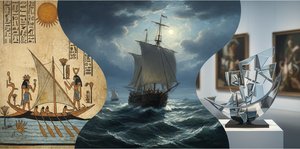
Navigating Symbolism & Sentiment: A Comprehensive Exploration of Boats in Art History
Explore the rich history of boats in art! Discover symbolism & style from ancient myths to Impressionist masterpieces. Expert insights for collectors at OriginalUniqueArt.

प्रकाश और रंग से परे: विवेकी संग्राहक के लिए प्रभाववाद बनाम उत्तर-प्रभाववाद
प्रभाववाद और उत्तर-प्रभाववाद कला में निवेश के अवसरों का अन्वेषण करें। OriginalUniqueArt.com पर उच्च गुणवत्ता वाले पुनरुत्पादन, विशेषज्ञ परामर्श और विवेकी संग्राहकों के लिए अद्वितीय संग्रह खोजें।
