

 भेजें
भेजें साझा करें
 विवरण देखें
 मार्गदर्शिका

 डाउनलोड करें
 समान वस्तुएं
 स्लाइड शो देखें
 आंकड़े
Venus
 Bronze
- Sculpture
- Classical Modern Sculpture
 1928
1928 174.0 x 57.0 cm
 Kunsthalle Bremen
 और पढ़ें
गिक्ली / आर्ट प्रिंट
तेज़ उत्पादन और विभिन्न फिनिश विकल्पों के साथ म्यूजियम-क्वालिटी गिकली (giclée) या कैनवस प्रिंट। ( हाथ से बनी पेंटिंग खरीदें डिजिटल इमेज पर जाएँ)




































कलाकृति के मूल अनुपात से मेल खाने वाले हमारे पूर्व निर्धारित आकारों में से चुनें।

अपने फ्रेम या अपनी दीवार के अनुसार आवश्यक चौड़ाई और ऊंचाई दर्ज करें। प्रिंट को केवल काटा जा सकता है, चित्र से बड़ा कभी नहीं बनाया जा सकता, इसलिए अलग आकार का साइज चित्र का एक हिस्सा खो देता है। किसी भी चीज़ को प्रिंट करने से पहले हम आपकी स्वीकृति के लिए आपको एक डिजिटल मॉकअप भेजते हैं। इस पृष्ठ पर दिखाया गया चित्र वास्तविक कटिंग नहीं दिखाता है — केवल मॉकअप ही इसे दर्शाता है।
विश्वव्यापी डिलीवरी (), मानक 4/5 सप्ताह के बजाय मात्र 2 सप्ताह में। (27 अक्टूबर)

दुनिया भर में मुफ़्त एक्सप्रेस शिपिंग

प्रीमियम ग्रेड लिनेन कैनवास

पूर्ण शिपिंग बीमा

सीमा शुल्क और आयात कर वापसी की गारंटी

सटीक रंग मिलान की गारंटी

100 दिनों की वापसी नीति (केवल निर्माण दोष होने पर)

100% पैसे वापसी की गारंटी

थोक छूट का अवसर
 ग्लास का विकल्प केवल 110 सेमी से कम आकार में ही उपलब्ध है।

Venus
गिक्ली / आर्ट प्रिंट
प्रतिकृति का आकार
-


कुल मूल्य
₹ 7686
The Serene Majesty of Aristide Maillol’s Venus
Aristide Maillol's "Venus," sculpted in 1928, isn’t merely a depiction of the Roman goddess; it’s an embodiment of timeless beauty and a profound meditation on form and stillness. Emerging from the post-World War I artistic landscape—a period marked by both disillusionment and a fervent return to classical ideals—Maillol sought to distill the essence of the female nude, stripping away extraneous detail in favor of a powerfully reductive aesthetic. This particular iteration, often referred to as “Venus sans collier” (Venus without necklace), exemplifies his signature style: a deliberate embrace of geometric simplicity coupled with an undeniable sense of grace and dignity.
The sculpture’s genesis lies within Maillol's deep fascination with Antiquity. He wasn’t interested in replicating ancient statues with photographic accuracy, but rather in understanding the underlying principles of their design—the balanced contrapposto stance, the carefully considered proportions, and the subtle articulation of musculature. This study informed his approach to creating a modern Venus, one that felt both familiar and utterly new. The smooth, polished bronze surface reflects light subtly, enhancing the figure’s sculptural presence and lending it an almost luminous quality. Maillol's meticulous attention to detail is evident in the precise rendering of her torso, the delicate curve of her hips, and the relaxed tension of her limbs—elements that contribute to a remarkable sense of realism despite the sculpture’s simplified form.
A Return to Order: Maillol and the Post-War Aesthetic
Following the turbulent years of World War I, many artists felt compelled to seek refuge in the stability and order offered by classical antiquity. Maillol was a key figure in this movement, aligning himself with the philosophy articulated by Jean Cocteau’s “Le Rappel à l’ordre,” which championed a return to the values of ancient Greece and Rome as a counterpoint to the perceived excesses of modernism. This wasn't simply a nostalgic yearning for the past; it was a deliberate attempt to establish a new artistic language rooted in enduring principles of beauty and harmony. Maillol’s Venus, therefore, represents a conscious rejection of the fragmented, emotionally charged styles that dominated much of the early 20th century—a resolute assertion of clarity, balance, and restraint.
Interestingly, Maillol initially conceived of the sculpture with a pearl necklace adorning her neck. However, he ultimately decided to remove this embellishment, believing it detracted from the figure’s inherent simplicity and elegance. This decision highlights Maillol's commitment to reducing his subjects to their essential forms—to stripping away anything that might distract from the core beauty of the human body. The absence of the necklace allows the viewer to focus entirely on the sculpture’s monumental presence, its powerful stillness, and its profound sense of timelessness.
Symbolism and Emotional Resonance
While Maillol avoided overt symbolism in his work, "Venus" undeniably evokes a range of emotions. The figure's serene expression, her relaxed posture, and the gentle curve of her body all contribute to a feeling of profound tranquility and contemplation. She isn’t presented as a passionate lover or a seductive temptress; rather, she embodies an idealized state of grace and composure—a symbol of feminine beauty in its purest form. The sculpture invites viewers to engage with their own understanding of beauty, desire, and the enduring power of the human spirit.
The deliberate lack of facial expression is particularly significant. Maillol believed that a face could be overly expressive, distracting from the overall composition. By omitting details of the face, he forces the viewer to engage with the sculpture on a purely visual level, focusing on its form and its relationship to space. This approach creates a sense of mystery and invites viewers to project their own emotions and interpretations onto the figure—making "Venus" a profoundly personal experience.
A Timeless Masterpiece for Art & Design
Aristide Maillol’s “Venus” remains a captivating work of art, admired for its elegant simplicity, its masterful execution, and its enduring appeal. Its influence can be seen in the works of numerous sculptors who followed in his footsteps—artists who sought to recapture the spirit of classical antiquity while forging their own unique artistic voices. Today, reproductions of this iconic sculpture continue to grace homes and galleries worldwide, offering a timeless reminder of the beauty and serenity that can be found in the pursuit of form and stillness. Its clean lines and balanced composition also make it an ideal choice for interior design, adding a touch of sophisticated elegance to any space.
प्रश्न और उत्तर
मैं एरिस्टाइड मैयोल द्वारा "Venus" की डिजिटल इमेज कहाँ से खरीद सकता हूँ?
एरिस्टाइड मैयोल द्वारा "Venus" की डिजिटल फ़ाइल प्राप्त करने के लिए, इसके डिजिटल छवि पेज पर एक उच्च-रिज़ॉल्यूशन वाली डिजिटल इमेज डाउनलोड करें।
एरिस्टाइड मैयोल द्वारा "Venus" के रंग किस तरह की भावना पैदा करते हैं?
एरिस्टाइड मैयोल द्वारा "Venus" का Neutrals पैलेट इसके Tranquil भावनात्मक स्वर के साथ पूरी तरह मेल खाता है। रंग उन तरीकों में से एक है जिससे कोई कलाकृति भावनाओं को व्यक्त करती है।
"Venus" में कौन सा रंग सबसे प्रमुखता से उभर कर आता है?
Rosy Brown (#bbb5a2), एरिस्टाइड मैयोल द्वारा "Venus" का प्रमुख रंग है।
कलाकार का परिचय
पत्थर में तराशा गया एक जीवन: अरिस्टाइड मायोल की दुनिया
अरिस्टाइड जोसेफ बोनावेंचर मायोल, एक ऐसा नाम जो बीसवीं सदी की शुरुआत की मूर्तिकला की शांत शक्ति और शास्त्रीय सुंदरता का पर्याय बन गया, फ्रांस के बान्यूल्स-सुर-मेर के एक छोटे से मछली पकड़ने वाले गाँव की साधारण पृष्ठभूमि से उभरा। 1861 में जन्मे, उनकी कलात्मक यात्रा तत्काल पहचान की नहीं, बल्कि एक क्रमिक प्रकटीकरण की कहानी थी—एक दृष्टि का सुविचारित परिष्करण जिसने अंततः उन्हें प्रतीकवाद (Symbolism) और आधुनिक मूर्तिकला की उभरती दुनिया के बीच एक सेतु के रूप में स्थापित किया। प्रारंभ में चित्रकला की ओर आकर्षित, पेरिस के एकोल डेस ब्यूक्स-आर्ट्स में मायोल के शुरुआती अध्ययन ने उन्हें तत्कालीन शैक्षणिक शैलियों से परिचित कराया, फिर भी पियरे पुविस डी चावेनेस और विशेष रूप से पॉल गोगुइन जैसे समकालीनों के प्रभाव ने ही उनकी कलात्मक आत्मा को वास्तव में प्रज्वलित किया। गोगुइन ने उन्हें कठोर यथार्थवाद से अलग होने के लिए प्रोत्साहित किया, जिससे सजावटी कलाओं के प्रति प्रशंसा और अधिक गहन, प्रतीकात्मक अभिव्यक्ति की खोज का मार्ग प्रशस्त हुआ—एक ऐसा बीज जो मायोल के बाद के कार्यों में पुष्पित हुआ। इसी प्रोत्साहन ने उन्हें 1893 में बान्यूल्स में एक टेपेस्ट्री कार्यशाला स्थापित करने के लिए प्रेरित किया, जो गहन तकनीकी सीखने और सौंदर्य अन्वेषण का एक ऐसा काल था जिसने उनके कौशल को निखारा और रूप पर उनकी अंतिम महारत की नींव रखी।टेपेस्ट्री से कालातीत आकृतियों तक
चित्रकला और टेपेस्ट्री डिजाइन से मूर्तिकला की ओर संक्रमण तात्कालिक नहीं था, बल्कि लगभग चालीस वर्ष की आयु के आसपास होने वाला एक धीमा और सुविचारित विकास था। मायोल ने छोटी टेराकोटा आकृतियों के साथ प्रयोग करना शुरू किया, और जैसे-जैसे उनका आत्मविश्वास और तकनीकी दक्षता बढ़ी, उन्होंने धीरे-धीरे अपनी महत्वाकांक्षाओं का विस्तार किया। यह परिवर्तन उस समय के प्रचलित कलात्मक रुझानों, विशेष रूप से ऑगस्टे रोडां द्वारा समर्थित नाटकीय यथार्थवाद के प्रति बढ़ती असंतोष के साथ मेल खाता था। रोडां की प्रतिभा को स्वीकार करते हुए भी, मायोल ने एक अलग मार्ग चुना—जो सुंदरता, संतुलन और स्थायी रूप के शास्त्रीय आदर्शों में निहित था। उन्होंने क्षणभंगुर भावुकता को त्यागकर एक अधिक कालातीत, स्मारकीय गुणवत्ता को अपनाया, जिसमें मानव शरीर की अंतर्निहित संरचना और स्थिरता पर जोर दिया गया था। यह केवल एक सौंदर्यपरक विकल्प नहीं था; यह एक दार्शनिक चुनाव था, जो कला की उस शक्ति में विश्वास को दर्शाता था जो क्षणभंगुरता से परे जाकर सार्वभौमिक सत्यों से जुड़ सके। उनकी मूर्तियाँ व्यक्तियों के चित्र मात्र नहीं थीं, बल्कि वे आदिम आकृतियों का साकार रूप थीं—मानवता का ही प्रतिनिधित्व।विरासत और स्थायी प्रभाव
आधुनिक मूर्तिकला के विकास पर अरिस्टाइड मायोल का प्रभाव निर्विवाद है। रोडां के नाटकीय यथार्थवाद के उनके सचेत त्याग और शास्त्रीय सिद्धांतों के उनके अंगीकरण ने मूर्तिकारों की एक नई पीढ़ी के लिए मार्ग प्रशस्त किया, जिसमें हेनरी मूर भी शामिल थे, जो सरल रूपों और स्मारकीय पैमाने पर उनके जोर से प्रेरित थे। उन्होंने प्रतीकवाद और उभरते आधुनिकतावादी आंदोलनों के बीच एक महत्वपूर्ण कड़ी का प्रतिनिधित्व किया, जिससे यूरोपीय कला में शास्त्रीय आकृतियों का एक ऐसा मानक स्थापित हुआ जो दशकों तक गूंजता रहा। उनके उत्तरार्द्ध के वर्ष दिना विर्नी के साथ घनिष्ठ संबंधों द्वारा चिह्नित थे, जिन्होंने न केवल उनकी मॉडल के रूप में बल्कि उनकी संपत्ति के एक समर्पित प्रशासक के रूप में भी कार्य किया, जिससे उनके कार्य का संरक्षण और प्रचार सुनिश्चित हुआ। द्वितीय विश्व युद्ध की उथल-पुथल के दौरान भी, मायोल ने बान्यूल्स-सुर-मेर में सापेक्ष अलगाव में मूर्तिकला जारी रखी, और 1944 में एक कार दुर्घटना में असामयिक मृत्यु तक अपने कलात्मक दृष्टिकोण के प्रति प्रतिबद्ध रहे। आज, पेरिस का म्यूजी मायोल उनकी स्थायी विरासत के प्रमाण के रूप में खड़ा है, जिसमें उनकी मूर्तियों और रेखाचित्रों का एक व्यापक संग्रह सुरक्षित है—एक ऐसा स्थान जहाँ आगंतुक उनकी कला की शांत सुंदरता और कालातीत शक्ति में खुद को सराबोर कर सकते हैं। उनका कार्य आज भी विस्मय और प्रशंसा पैदा करता रहता है, जो हमें मानव रूप और आत्मा के सार को पकड़ने की मूर्तिकला की गहन क्षमता की याद दिलाता है।
एरिस्टाइड मैयोल
1861 - 1944 , फ्रांस
संक्षिप्त जानकारी
- Artistic Movement Or Style: शास्त्रीय मूर्तिकला, प्रतीकवाद
- Artists Or Movements Influenced By This Artist: ['हेनरी मूर']
- Artists Who Influenced This Artist:
- प्यूविस डी चावेनेस
- पॉल गोगुइन
- Date Of Birth: 1861
- Date Of Death: 1944
- Full Name: एरिस्टाइड जोसेफ बोनावेंचर मैयोल
- Nationality: फ्रांसीसी
- Notable Artworks:
- ला मेडिटेरेनियन
- एक्शन एनचेनी
- ल'इल-डी-फ्रांस
- Place Of Birth (City And Country): बान्युल्स-सुर-मेर, फ्रांस
संबंधित लेखों की सूची
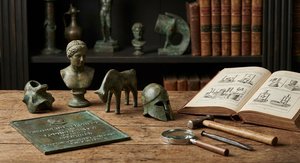
The Enduring Legacy of Bronze: History, Technique & Artistic Expression for the Collector
Explore the rich history & enduring appeal of bronze sculpture with expert insights for collectors at OriginalUniqueArt. Learn about casting techniques, iconic artists, and collecting tips.

The Enduring Legacy of Bronze Sculpture: A Collector's Guide to Form & Cultural Significance
Explore the rich history & enduring appeal of bronze sculpture with expert insights for collectors at OriginalUniqueArt. Learn about casting techniques, iconic artists, and collecting tips to build a discerning art collection.

Bronze Age to Modern Masters: 10 Sculptures That Redefined Art | OriginalUniqueArt
Journey through art history with 10 legendary bronze sculptures – from Michelangelo's David to Rodin’s Thinker. Explore the stories, techniques & timeless beauty of these masterpieces. Find museum-quality reproductions & elevate your home decor on OriginalUniqueArt.com.

Bronze Sculptures That Defined Art History | OriginalUniqueArt
Journey through art history with our Top 10 bronze sculptures! Explore masterpieces by Rodin, Michelangelo & more. Discover stories behind iconic statues and find museum-quality reproductions for your home decor at OriginalUniqueArt.com.

The Enduring Legacy of Bronze: A Historical & Artistic Exploration for the Collector
Explore the rich history & enduring appeal of bronze sculpture with expert insights for collectors at OriginalUniqueArt. Learn about casting techniques, iconic artists, collecting tips & contemporary interpretations.
