

 पूर्वावलोकन देखें
 भेजें
भेजें साझा करें
 विवरण देखें
 मार्गदर्शिका

 डाउनलोड करें
 समान वस्तुएं
 एक्स-रे
 स्लाइड शो देखें
 आंकड़े
Self-Portrait
 Oil On Canvas
- WallArt
- Neoclassical Style
 1790
1790- Early Modern
 68.0 x 55.0 cm
 गैलरिया डेगली उफिज़ी
 और पढ़ें
गिक्ली / आर्ट प्रिंट
तेज़ उत्पादन और विभिन्न फिनिश विकल्पों के साथ म्यूजियम-क्वालिटी गिकली (giclée) या कैनवस प्रिंट। ( हाथ से बनी पेंटिंग खरीदें डिजिटल इमेज पर जाएँ)




































कलाकृति के मूल अनुपात से मेल खाने वाले हमारे पूर्व निर्धारित आकारों में से चुनें।

अपने फ्रेम या अपनी दीवार के अनुसार आवश्यक चौड़ाई और ऊंचाई दर्ज करें। प्रिंट को केवल काटा जा सकता है, चित्र से बड़ा कभी नहीं बनाया जा सकता, इसलिए अलग आकार का साइज चित्र का एक हिस्सा खो देता है। किसी भी चीज़ को प्रिंट करने से पहले हम आपकी स्वीकृति के लिए आपको एक डिजिटल मॉकअप भेजते हैं। इस पृष्ठ पर दिखाया गया चित्र वास्तविक कटिंग नहीं दिखाता है — केवल मॉकअप ही इसे दर्शाता है।
विश्वव्यापी डिलीवरी (), मानक 4/5 सप्ताह के बजाय मात्र 2 सप्ताह में। (25 अक्टूबर)

दुनिया भर में मुफ़्त एक्सप्रेस शिपिंग

प्रीमियम ग्रेड लिनेन कैनवास

पूर्ण शिपिंग बीमा

सीमा शुल्क और आयात कर वापसी की गारंटी

सटीक रंग मिलान की गारंटी

100 दिनों की वापसी नीति (केवल निर्माण दोष होने पर)

100% पैसे वापसी की गारंटी

थोक छूट का अवसर
 ग्लास का विकल्प केवल 110 सेमी से कम आकार में ही उपलब्ध है।

Self-Portrait
गिक्ली / आर्ट प्रिंट
प्रतिकृति का आकार
-


कुल मूल्य
₹ 7673
A Mirror of the Soul: The Introspective Genius of Antonio Canova
In the quietude of 1790, before he became the undisputed titan of Neoclassical sculpture, a young Antonio Canova captured something far more elusive than marble or stone. His Self-Portrait is not merely a record of a face, but a profound window into the burgeoning consciousness of an artist destined to reshape Western aesthetics. While history remembers him for the smooth, ethereal surfaces of his monumental statues, this oil on canvas reveals a different facet of his mastery—a moment of intense, private contemplation. The painting presents a man caught in the sacred act of creation, his gaze directed inward even as his hand holds the tools of his trade. It is a work that breathes with the intellectual rigor of the Enlightenment, inviting the viewer to witness the very genesis of a creative spirit.
The composition is a masterclass in the use of chiaroscuro, where the dramatic interplay of light and shadow does more than just define form; it sculpts emotion. Emerging from a deep, velvety darkness, the subject’s face and attire are illuminated with a focused intensity that directs all attention to his concentrated expression. This technique creates a sense of three-dimensionality that mirrors Canova's later sculptural achievements, treating pigment as if it were malleable clay. The subtle gradations of light across his brow and the crisp white of his collar provide a stark, elegant contrast against the somber background, lending the portrait an air of timeless dignity and classical gravity.
The Neoclassical Ideal and the Weight of Antiquity
To look upon this self-portrait is to encounter the very heartbeat of the Neoclassical movement. During this era, artists sought to strip away the ornate frivolity of the Rococo in favor of a renewed reverence for the clarity and moral purpose found in Greek and Roman antiquity. Canova embodies this transition perfectly. His pose, reminiscent of the stoic philosophers of the ancient world, suggests a mind preoccupied with reason, beauty, and the pursuit of perfection. There is a deliberate stillness in the work, an absence of unnecessary movement that allows the viewer to focus on the intellectual weight of the artist's gaze. It is a portrait of intellect as much as identity.
For the discerning collector or interior designer, this piece offers more than mere decoration; it provides a focal point of profound character. The painting’s ability to command a room through its quiet strength makes it an ideal centerpiece for spaces dedicated to study, reflection, or sophisticated curation. Whether placed in a library surrounded by leather-bound volumes or as a striking element in a modern, minimalist gallery, the Self-Portrait brings with it an aura of historical depth and artistic legitimacy. It serves as a constant reminder of the beauty found in introspection and the enduring power of the classical tradition.
प्रश्न और उत्तर
एंटोनियो कैनोवा द्वारा "Self-Portrait" किस ऐतिहासिक काल का है?
"Self-Portrait" Early Modern युग से संबंधित है।
एंटोनियो कैनोवा द्वारा "Self-Portrait" की प्रतिकृति को कहाँ लटकाया जाना चाहिए?
एंटोनियो कैनोवा द्वारा "Self-Portrait" का Portrait प्रारूप Living Room के लिए अनुशंसित है। प्रारूप और स्थान मिलकर एक पुनरुत्पादन (reproduction) की स्थापना में मार्गदर्शन करते हैं।
एंटोनियो कैनोवा द्वारा "Self-Portrait" किस विषय और वातावरण का मेल है?
एंटोनियो कैनोवा द्वारा "Self-Portrait" में sculpture, portraiture, classicalart, renaissanceinfluence, artistselfreflection, oilpaintingtechnique, italianarthistory का चित्रण एक Elegant भाव के साथ किया गया है। विषय और वातावरण मिलकर इस कृति का वर्णन करते हैं।
कलाकार का परिचय
एंटोनियो कैनोवा: संगमरमर में जीवंत एक जीवन
- जन्म: पोसाग्नो, इटली (1757)
- मृत्यु: 1822
पश्चिमी कला के इतिहास में एंटोनियो कैनोवा एक दैदीप्यमान नक्षत्र की तरह हैं, जिन्हें सर्वविदित रूप से सबसे प्रमुख नवशास्त्रीय (Neoclassical) मूर्तिकार माना जाता है। संगमरमर को तराशने की उनकी बेजोड़ महारत और शास्त्रीय आकृतियों में गहरी भावनाओं को पिरोने की उनकी अद्भुत क्षमता ने उन्हें युगों के महानतम कलाकारों की श्रेणी में स्थापित कर दिया। इटली के पोसाग्नो में एक राजमिस्त्री, पिएत्रो कैनोवा के पुत्र के रूप में जन्मे, कैनोवा का प्रारंभिक जीवन उनके चारों ओर व्याप्त कलात्मक वातावरण से गहराई से प्रभावित था।
प्रारंभिक जीवन और प्रशिक्षण
कैनोवा की कलात्मक यात्रा उनके पारिवारिक परिवेश से ही शुरू हो गई थी; उनके पिता के पेशे ने उन्हें पत्थर की नक्काशी से प्रारंभिक परिचय कराया, जबकि उनके दादा, पासिनो कैनोवा, जो वेदियों और निम्न राहत (low reliefs) के विशेषज्ञ मूर्तिकार थे, ने उनकी प्रतिभा को निखारने में एक निर्णायक भूमिका निभाई। दस वर्ष की आयु से भी पहले, कैनोत्ता ने असाधारण कौशल का प्रदर्शन किया था, जब उन्होंने छोटे संगमरमर के मंदिर बनाए जो उनकी जन्मजात क्षमता का प्रमाण थे। उन्होंने ग्यूसेप बर्नार्डी ('टोरेट्टो') और जियोवानी फेरारी के मार्गदर्शन में प्रशिक्षण प्राप्त कर अपनी कला को और अधिक परिष्कृत किया। वेनेशिया के 'एकेडेमिया डि बेले आर्टी' में उनके अध्ययन ने उन्हें कई पुरस्कार दिलाए, जिससे एक उभरते हुए युवा कलाकार के रूप में उनकी प्रतिष्ठा सुदृढ़ हुई। एक मठ के भीतर कार्यशाला ने उन्हें अपनी शिल्प कौशल विकसित करने के लिए आवश्यक स्थान प्रदान किया। उनके शुरुआती कार्यों, जैसे सीनेटर जियोवानी फालिएर के लिए ऑर्फ़ियस और यूरीडिस की मूर्तियाँ, में उभरती हुई रोकोको शैली दिखाई देती थी, जो भविष्य में उनकी नवशास्त्रीय परिष्कृत शैली का संकेत दे रही थीं।
प्रसिद्धि का उदय और नवशास्त्रीय शैली
कैनोवा के कार्य की पहचान उनकी सुरुचिपूर्ण आकृतियों, आदर्शवादी पात्रों और प्राचीन ग्रीस एवं रोम के सौंदर्य सिद्धांतों की ओर वापसी से होती है। उन्होंने बड़ी कुशलता से बारोक कला के अतिरंजित नाटकीयता से परहेज किया, साथ ही शास्त्रीय पुनरुद्धार के शुरुआती प्रयासों में अक्सर देखी जाने वाली शीतलता का भी विरोध किया। क्युपिड एंड साइकी (लगभग 1787-1793), पेनिटेंट मैगडालीन, और हर्कुलिस एंड लिकास जैसी मूर्तियों ने पूरे यूरोप में उनकी ख्याति स्थापित की। उनके कार्यों की मांग राजघरानों और कुलीनों के बीच अत्यधिक थी। कैनोवा ने अपनी कला का व्यापक प्रसार सुनिश्चित करने के लिए रणनीतिक रूप से अपने करियर को बढ़ावा दिया; उन्होंने अपनी कृतियों के उत्कीर्णन (engravings) प्रकाशित किए और प्लास्टर कास्ट के संगमरमर संस्करण तैयार किए। यूरोप भर से प्राप्त कमीशन, जिसमें रोम के वेनेटियन राजदूत जियोलारमो ज़ुलियन के लिए 'थीसियस और मिनोटौर' की मूर्ति शामिल थी, ने उन्हें यूरोप के सबसे प्रतिष्ठित कलाकारों में से एक के रूप में स्थापित कर दिया।
प्रमुख कृतियाँ और विरासत
कैनोवा की महत्वपूर्ण कृतियों में पहले से उल्लेखित मूर्तियों के अलावा वीनस इटालिका, ला म्यूसा पॉलीहिम्निया, द थ्री ग्रेस डांसिंग, और यूरीडिस का उनका मार्मिक चित्रण शामिल है। उन्होंने मकबरों के लिए भी प्रतिष्ठित कार्य प्राप्त किए, जिनमें रोम के सेंट पीटर्स बेसिलिका में स्थित पोप क्लेमेंट XIII का मकबरा सबसे उल्लेखनीय है—जो मूर्तिकला और स्थापत्य डिजाइन दोनों में उनके कौशल का प्रमाण है। 'गिप्सोटिका एंटोनियो कैनोवा' संग्रहालय उनकी कृतियों का सबसे महत्वपूर्ण संग्रह संजोए हुए है, जो उनकी रचनात्मक प्रक्रिया और कलात्मक विकास की अमूल्य अंतर्दृष्टि प्रदान करता है। कैनोवा का प्रभाव उनके जीवनकाल से कहीं आगे तक फैला हुआ, जिसने नवशास्त्रीय मूर्तिकला के मार्ग को आकार दिया और अपनी तकनीकी महारत एवं अभिव्यंजक शक्ति से कलाकारों की पीढ़ियों को प्रेरित किया।
ऐतिहासिक महत्व
एंटोनियो कैनोवा नवशास्त्रीय आंदोलन के पर्याय बन गए, जो व्यवस्था, स्पष्टता और शास्त्रीय पुरातनता की ओर वापसी के आदर्शों को साकार करते थे। कई यूरोपीय शासकों के दरबारी मूर्तिकार के रूप में उनके पद ने उन्हें महत्वपूर्ण राजनीतिक प्रभाव दिया और उन्हें पूरे महाद्वीप में कलात्मक रुचियों को आकार देने की अनुमति दी। संगमरमर तराशने के उनके अद्वितीय कौशल ने उन सीमाओं को आगे बढ़ाया जिन्हें संभव माना जाता था, जिससे मूर्तिकला उत्कृष्टता का एक नया मानक स्थापित हुआ। उनकी मूर्तियाँ आज भी दुनिया भर के दर्शकों को मंत्रमुग्ध करती हैं, जो इतिहास के सबसे महत्वपूर्ण और प्रभावशाली कलाकारों में से एक के रूप में उनके स्थान को सुदृढ़ करती हैं।

एंटोनियो कैनोवा
1757 - 1822 , इटली
संक्षिप्त जानकारी
- Artistic Movement Or Style: नवशास्त्रीयवाद (Neoclassicism)
- Artists Or Movements Influenced By This Artist: ['बाद के नवशास्त्रीय कलाकार']
- Artists Who Influenced This Artist: ['उत्तर बारोक मूर्तिकार']
- Date Of Birth: 1757
- Date Of Death: 1822
- Full Name: एंटोनियो कैनोवा
- Nationality: इतालवी
- Notable Artworks:
- क्युपिड और साइकी
- पश्चाताप करती मैगडालेन
- हर्कुलिस और लिचास
- थीसियस और मिनोटौर
- नृत्य करती तीन ग्रेस
- यूरिडिस
- वेनेरे इटालिका
- Place Of Birth (City And Country): पोसैग्नो, इटली
संबंधित लेखों की सूची
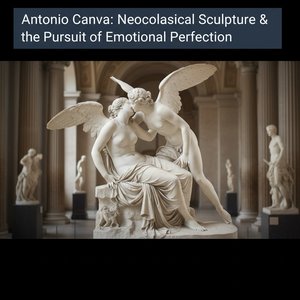
Antonio Canova: Neoclassical Sculpture & the Pursuit of Emotional Perfection
Explore the life & art of Antonio Canova, the greatest Neoclassical sculptor. Discover his masterpieces, innovative techniques, and lasting influence on fine art collecting. Expert insights for discerning investors.

Bronze Sculptures That Defined Art History | OriginalUniqueArt
Journey through art history with our Top 10 bronze sculptures! Explore masterpieces by Rodin, Michelangelo & more. Discover stories behind iconic statues and find museum-quality reproductions for your home decor at OriginalUniqueArt.com.

The Enduring Form: Exploring Themes & Techniques in Sculpture Across Historical Periods
Explore the rich history of sculpture from ancient masterpieces to contemporary innovations. Discover key techniques, influential artists & investment potential for discerning art collectors.

The Enduring Form: Sculpture Across History, Technique & Emotional Resonance
Explore the rich history of sculpture with OriginalUniqueArt. Discover key techniques, influential artists & investment potential for discerning collectors. Expert insights into valuing and collecting timeless masterpieces.

Bronze Age to Modern Masters: 10 Sculptures That Redefined Art | OriginalUniqueArt
Journey through art history with 10 legendary bronze sculptures – from Michelangelo's David to Rodin’s Thinker. Explore the stories, techniques & timeless beauty of these masterpieces. Find museum-quality reproductions & elevate your home decor on OriginalUniqueArt.com.
