

 भेजें
भेजें साझा करें
 विवरण देखें
 मार्गदर्शिका

 डाउनलोड करें
 समान वस्तुएं
 स्लाइड शो देखें
 आंकड़े
Orpheus


 और पढ़ें
गिक्ली / आर्ट प्रिंट
तेज़ उत्पादन और विभिन्न फिनिश विकल्पों के साथ म्यूजियम-क्वालिटी गिकली (giclée) या कैनवस प्रिंट। ( हाथ से बनी पेंटिंग खरीदें डिजिटल इमेज पर जाएँ)




































कलाकृति के मूल अनुपात से मेल खाने वाले हमारे पूर्व निर्धारित आकारों में से चुनें।

अपने फ्रेम या अपनी दीवार के अनुसार आवश्यक चौड़ाई और ऊंचाई दर्ज करें। प्रिंट को केवल काटा जा सकता है, चित्र से बड़ा कभी नहीं बनाया जा सकता, इसलिए अलग आकार का साइज चित्र का एक हिस्सा खो देता है। किसी भी चीज़ को प्रिंट करने से पहले हम आपकी स्वीकृति के लिए आपको एक डिजिटल मॉकअप भेजते हैं। इस पृष्ठ पर दिखाया गया चित्र वास्तविक कटिंग नहीं दिखाता है — केवल मॉकअप ही इसे दर्शाता है।
विश्वव्यापी डिलीवरी (), मानक 4/5 सप्ताह के बजाय मात्र 2 सप्ताह में। (24 अक्टूबर)

दुनिया भर में मुफ़्त एक्सप्रेस शिपिंग

प्रीमियम ग्रेड लिनेन कैनवास

पूर्ण शिपिंग बीमा

सीमा शुल्क और आयात कर वापसी की गारंटी

सटीक रंग मिलान की गारंटी

100 दिनों की वापसी नीति (केवल निर्माण दोष होने पर)

100% पैसे वापसी की गारंटी

थोक छूट का अवसर
 ग्लास का विकल्प केवल 110 सेमी से कम आकार में ही उपलब्ध है।

Orpheus
गिक्ली / आर्ट प्रिंट
प्रतिकृति का आकार
-


कुल मूल्य
₹ 7673
A Symphony in Marble: Unveiling Antonio Canova’s Orpheus
Antonio Canova's "Orpheus," completed in 1776, isn’t merely a sculpture; it’s an immersive experience. This monumental work, originally intended for the garden of Villa Falier at Asolo, transports us to a realm where myth and emotion converge with breathtaking artistry. The piece captures the legendary musician's poignant descent into the underworld to retrieve his lost love, Eurydice, a narrative steeped in grief, longing, and ultimately, the enduring power of music.
Canova’s genius lies not just in replicating the classical form but in imbuing it with an astonishing depth of feeling. The figure of Orpheus is rendered with a remarkable dynamism—one arm raised as if conducting an invisible orchestra, his body leaning forward with a palpable sense of urgency and despair. The subtle shifts in musculature, the delicate curve of his lips, and the anguished expression on his face all speak to the profound sorrow he carries within him. The sculpture’s placement within a rocky base subtly grounds this ethereal figure, anchoring it to the earthly realm from which he's venturing into the shadowy depths.
Neoclassical Mastery: Technique and Materials
Crafted entirely from Carrara marble—a material renowned for its purity and luminosity—"Orpheus" exemplifies Canova’s unparalleled technical skill. The surface is polished to a breathtaking sheen, reflecting light in a way that highlights the intricate details of the drapery and the musculature of the body. Note the masterful rendering of folds and creases in the fabric, suggesting both movement and weight. Canova's technique demonstrates an almost obsessive attention to detail; every line, every shadow, contributes to the sculpture’s overall sense of realism and emotional intensity. The use of contrasting textures—the smooth, polished marble against the rougher texture of the base—further enhances the visual impact.
The work's scale is also significant – a monumental piece designed to command attention and evoke contemplation. Canova’s decision to create such a large-scale sculpture speaks to his ambition and his desire to capture not just a likeness but an entire emotional state. The sheer size of the figure invites viewers to step closer, to lose themselves in its details, and to feel the weight of Orpheus's sorrow.
Mythic Resonance: Symbolism and Interpretation
Beyond the literal depiction of the myth, “Orpheus” is rich with symbolic meaning. The raised arm, often interpreted as a gesture of pleading or lamentation, underscores Orpheus’s desperate attempt to sway Hades and Eurydice back to him. The laurel wreath, a symbol of victory and honor, subtly juxtaposes the tragedy of his loss with the enduring power of his music—a testament to his artistic legacy. The setting itself – a rocky outcrop reminiscent of the underworld – reinforces the sculpture’s themes of death, mourning, and the journey beyond earthly boundaries.
The story of Orpheus and Eurydice has resonated throughout Western art and literature for centuries, serving as a potent metaphor for love, loss, and the transformative power of creativity. Canova's "Orpheus" captures this enduring resonance with remarkable sensitivity and skill, offering viewers a timeless meditation on the human condition.
A Legacy in Stone: Context and Influence
Created during the height of the Neoclassical period (late 18th century), “Orpheus” reflects the movement’s emphasis on classical ideals—harmony, balance, and idealized beauty. Canova was a leading figure in this artistic revival, drawing inspiration from ancient Greek and Roman sculpture while imbuing his work with a distinctly modern sensibility. His ability to capture human emotion with such precision and grace cemented his reputation as one of the greatest sculptors of all time.
Today, Canova’s “Orpheus” continues to captivate audiences worldwide. Reproductions offer an accessible way to experience this masterpiece, bringing its profound beauty and emotional depth into homes and galleries. It stands as a powerful reminder of the enduring legacy of classical mythology and the transformative power of art.
प्रश्न और उत्तर
कुल मिलाकर "Orpheus" कितना उज्ज्वल है?
कुल मिलाकर, "Orpheus" की चमक shadow दर्ज की गई है। परोक्ष चमक (Perceived brightness) यह बताती है कि कलाकृति कितनी उज्ज्वल या गहरी दिखाई देती है।
एंटोनियो कैनोवा द्वारा "Orpheus" की एक प्रतिकृति (reproduction) कमरे में कैसा वातावरण लाएगी?
अपने Calm भाव के साथ, "Orpheus" को Living Room के लिए सुझाया गया है।
एंटोनियो कैनोवा द्वारा "Orpheus" किस माध्यम में बनाया गया है?
एंटोनियो कैनोवा ने "Orpheus" के लिए Marble तकनीक का उपयोग किया है। यह तकनीक मूल कृति की भौतिक प्रकृति को परिभाषित करती है।
कलाकार का परिचय
एंटोनियो कैनोवा: संगमरमर में जीवंत एक जीवन
- जन्म: पोसाग्नो, इटली (1757)
- मृत्यु: 1822
पश्चिमी कला के इतिहास में एंटोनियो कैनोवा एक दैदीप्यमान नक्षत्र की तरह हैं, जिन्हें सर्वविदित रूप से सबसे प्रमुख नवशास्त्रीय (Neoclassical) मूर्तिकार माना जाता है। संगमरमर को तराशने की उनकी बेजोड़ महारत और शास्त्रीय आकृतियों में गहरी भावनाओं को पिरोने की उनकी अद्भुत क्षमता ने उन्हें युगों के महानतम कलाकारों की श्रेणी में स्थापित कर दिया। इटली के पोसाग्नो में एक राजमिस्त्री, पिएत्रो कैनोवा के पुत्र के रूप में जन्मे, कैनोवा का प्रारंभिक जीवन उनके चारों ओर व्याप्त कलात्मक वातावरण से गहराई से प्रभावित था।
प्रारंभिक जीवन और प्रशिक्षण
कैनोवा की कलात्मक यात्रा उनके पारिवारिक परिवेश से ही शुरू हो गई थी; उनके पिता के पेशे ने उन्हें पत्थर की नक्काशी से प्रारंभिक परिचय कराया, जबकि उनके दादा, पासिनो कैनोवा, जो वेदियों और निम्न राहत (low reliefs) के विशेषज्ञ मूर्तिकार थे, ने उनकी प्रतिभा को निखारने में एक निर्णायक भूमिका निभाई। दस वर्ष की आयु से भी पहले, कैनोत्ता ने असाधारण कौशल का प्रदर्शन किया था, जब उन्होंने छोटे संगमरमर के मंदिर बनाए जो उनकी जन्मजात क्षमता का प्रमाण थे। उन्होंने ग्यूसेप बर्नार्डी ('टोरेट्टो') और जियोवानी फेरारी के मार्गदर्शन में प्रशिक्षण प्राप्त कर अपनी कला को और अधिक परिष्कृत किया। वेनेशिया के 'एकेडेमिया डि बेले आर्टी' में उनके अध्ययन ने उन्हें कई पुरस्कार दिलाए, जिससे एक उभरते हुए युवा कलाकार के रूप में उनकी प्रतिष्ठा सुदृढ़ हुई। एक मठ के भीतर कार्यशाला ने उन्हें अपनी शिल्प कौशल विकसित करने के लिए आवश्यक स्थान प्रदान किया। उनके शुरुआती कार्यों, जैसे सीनेटर जियोवानी फालिएर के लिए ऑर्फ़ियस और यूरीडिस की मूर्तियाँ, में उभरती हुई रोकोको शैली दिखाई देती थी, जो भविष्य में उनकी नवशास्त्रीय परिष्कृत शैली का संकेत दे रही थीं।
प्रसिद्धि का उदय और नवशास्त्रीय शैली
कैनोवा के कार्य की पहचान उनकी सुरुचिपूर्ण आकृतियों, आदर्शवादी पात्रों और प्राचीन ग्रीस एवं रोम के सौंदर्य सिद्धांतों की ओर वापसी से होती है। उन्होंने बड़ी कुशलता से बारोक कला के अतिरंजित नाटकीयता से परहेज किया, साथ ही शास्त्रीय पुनरुद्धार के शुरुआती प्रयासों में अक्सर देखी जाने वाली शीतलता का भी विरोध किया। क्युपिड एंड साइकी (लगभग 1787-1793), पेनिटेंट मैगडालीन, और हर्कुलिस एंड लिकास जैसी मूर्तियों ने पूरे यूरोप में उनकी ख्याति स्थापित की। उनके कार्यों की मांग राजघरानों और कुलीनों के बीच अत्यधिक थी। कैनोवा ने अपनी कला का व्यापक प्रसार सुनिश्चित करने के लिए रणनीतिक रूप से अपने करियर को बढ़ावा दिया; उन्होंने अपनी कृतियों के उत्कीर्णन (engravings) प्रकाशित किए और प्लास्टर कास्ट के संगमरमर संस्करण तैयार किए। यूरोप भर से प्राप्त कमीशन, जिसमें रोम के वेनेटियन राजदूत जियोलारमो ज़ुलियन के लिए 'थीसियस और मिनोटौर' की मूर्ति शामिल थी, ने उन्हें यूरोप के सबसे प्रतिष्ठित कलाकारों में से एक के रूप में स्थापित कर दिया।
प्रमुख कृतियाँ और विरासत
कैनोवा की महत्वपूर्ण कृतियों में पहले से उल्लेखित मूर्तियों के अलावा वीनस इटालिका, ला म्यूसा पॉलीहिम्निया, द थ्री ग्रेस डांसिंग, और यूरीडिस का उनका मार्मिक चित्रण शामिल है। उन्होंने मकबरों के लिए भी प्रतिष्ठित कार्य प्राप्त किए, जिनमें रोम के सेंट पीटर्स बेसिलिका में स्थित पोप क्लेमेंट XIII का मकबरा सबसे उल्लेखनीय है—जो मूर्तिकला और स्थापत्य डिजाइन दोनों में उनके कौशल का प्रमाण है। 'गिप्सोटिका एंटोनियो कैनोवा' संग्रहालय उनकी कृतियों का सबसे महत्वपूर्ण संग्रह संजोए हुए है, जो उनकी रचनात्मक प्रक्रिया और कलात्मक विकास की अमूल्य अंतर्दृष्टि प्रदान करता है। कैनोवा का प्रभाव उनके जीवनकाल से कहीं आगे तक फैला हुआ, जिसने नवशास्त्रीय मूर्तिकला के मार्ग को आकार दिया और अपनी तकनीकी महारत एवं अभिव्यंजक शक्ति से कलाकारों की पीढ़ियों को प्रेरित किया।
ऐतिहासिक महत्व
एंटोनियो कैनोवा नवशास्त्रीय आंदोलन के पर्याय बन गए, जो व्यवस्था, स्पष्टता और शास्त्रीय पुरातनता की ओर वापसी के आदर्शों को साकार करते थे। कई यूरोपीय शासकों के दरबारी मूर्तिकार के रूप में उनके पद ने उन्हें महत्वपूर्ण राजनीतिक प्रभाव दिया और उन्हें पूरे महाद्वीप में कलात्मक रुचियों को आकार देने की अनुमति दी। संगमरमर तराशने के उनके अद्वितीय कौशल ने उन सीमाओं को आगे बढ़ाया जिन्हें संभव माना जाता था, जिससे मूर्तिकला उत्कृष्टता का एक नया मानक स्थापित हुआ। उनकी मूर्तियाँ आज भी दुनिया भर के दर्शकों को मंत्रमुग्ध करती हैं, जो इतिहास के सबसे महत्वपूर्ण और प्रभावशाली कलाकारों में से एक के रूप में उनके स्थान को सुदृढ़ करती हैं।

एंटोनियो कैनोवा
1757 - 1822 , इटली
संक्षिप्त जानकारी
- Artistic Movement Or Style: नवशास्त्रीयवाद (Neoclassicism)
- Artists Or Movements Influenced By This Artist: ['बाद के नवशास्त्रीय कलाकार']
- Artists Who Influenced This Artist: ['उत्तर बारोक मूर्तिकार']
- Date Of Birth: 1757
- Date Of Death: 1822
- Full Name: एंटोनियो कैनोवा
- Nationality: इतालवी
- Notable Artworks:
- क्युपिड और साइकी
- पश्चाताप करती मैगडालेन
- हर्कुलिस और लिचास
- थीसियस और मिनोटौर
- नृत्य करती तीन ग्रेस
- यूरिडिस
- वेनेरे इटालिका
- Place Of Birth (City And Country): पोसैग्नो, इटली
संबंधित लेखों की सूची

Bronze Sculptures That Defined Art History | OriginalUniqueArt
Journey through art history with our Top 10 bronze sculptures! Explore masterpieces by Rodin, Michelangelo & more. Discover stories behind iconic statues and find museum-quality reproductions for your home decor at OriginalUniqueArt.com.

The Enduring Form: Exploring Themes & Techniques in Sculpture Across Historical Periods
Explore the rich history of sculpture from ancient masterpieces to contemporary innovations. Discover key techniques, influential artists & investment potential for discerning art collectors.
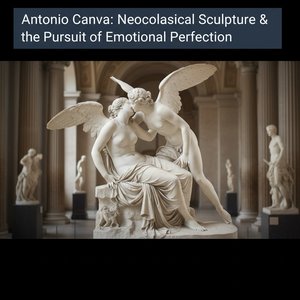
Antonio Canova: Neoclassical Sculpture & the Pursuit of Emotional Perfection
Explore the life & art of Antonio Canova, the greatest Neoclassical sculptor. Discover his masterpieces, innovative techniques, and lasting influence on fine art collecting. Expert insights for discerning investors.

The Enduring Allure of Marble in Art History: From Classical Sculpture to Modern Abstraction
Explore the captivating history of marble sculpture from ancient Greece to modern art. Discover renowned artists like Canova & Michelangelo, carving techniques, and investment insights at OriginalUniqueArt.
Timeless Elegance: A Complete Guide to the Sublime Beauty and Artistry of Marble Sculpture
Discover the sublime beauty of marble art through an expert exploration of Renaissance and Neoclassical masterpieces. From the delicate textures of Carpeaux to the grandeur of Sansovino, immerse yourself in a guide to timeless elegance and sculptural perfection.
