

 पूर्वावलोकन देखें
 भेजें
भेजें साझा करें
 विवरण देखें
 मार्गदर्शिका

 डाउनलोड करें
 समान वस्तुएं
 एक्स-रे
 स्लाइड शो देखें
 आंकड़े
Feed the Hungry


 और पढ़ें
गिक्ली / आर्ट प्रिंट
तेज़ उत्पादन और विभिन्न फिनिश विकल्पों के साथ म्यूजियम-क्वालिटी गिकली (giclée) या कैनवस प्रिंट। ( हाथ से बनी पेंटिंग खरीदें डिजिटल इमेज पर जाएँ)




P118B ₹10

P118H ₹10

P118W ₹10

P438Z ₹10

P508JH ₹12

P508YH ₹12

P805H ₹10

P805Z ₹10

P919BZ ₹10

P919G ₹10

P919XJ ₹10

P959ZH ₹10

P968JZ ₹12

W106C ₹8

W218G ₹10

W218JH ₹8

W218Y ₹10

W307PJ ₹10

W316G ₹10

W316PJ ₹8

W316Y ₹10

W398PJ ₹8

W4111J ₹10

W500HY ₹15

W500JH ₹15

W692G ₹12

W849H ₹8

W940BG ₹15

W953PJ ₹8




कलाकृति के मूल अनुपात से मेल खाने वाले हमारे पूर्व निर्धारित आकारों में से चुनें।

आप किसी विशिष्ट फ्रेम या स्थान के अनुसार अपने स्वयं के आयाम (dimensions) दर्ज कर सकते हैं। यदि आपके द्वारा चुना गया आकार मूल छवि के अनुपात से मेल नहीं खाता है, तो हम कलाकृति को क्रॉप कर देंगे या मिरर किए गए या सॉलिड-फिल किनारे के साथ छवि का विस्तार करेंगे। उत्पादन शुरू होने से पहले आपकी स्वीकृति के लिए एक डिजिटल मॉकअप भेजा जाएगा।
कृपया ध्यान दें कि स्क्रीन पर दिखने वाला प्रीव्यू वास्तविक क्रॉपिंग या विस्तार को नहीं दर्शाता है। केवल मॉकअप ही अंतिम संरचना को सटीक रूप से दिखाएगा।
हालाँकि कस्टम आकार उपलब्ध हैं, फिर भी हम मूल अनुपात बनाए रखने के लिए पूर्व-निर्धारित सूची में से एक आयाम चुनने की सलाह देते हैं।
विश्वव्यापी डिलीवरी (), मानक 4/5 सप्ताह के बजाय मात्र 2 सप्ताह में। (13 अक्टूबर)

दुनिया भर में मुफ़्त एक्सप्रेस शिपिंग

प्रीमियम ग्रेड लिनेन कैनवास

पूर्ण शिपिंग बीमा

सीमा शुल्क और आयात कर वापसी की गारंटी

सटीक रंग मिलान की गारंटी

100 दिनों की वापसी नीति (केवल निर्माण दोष होने पर)

100% पैसे वापसी की गारंटी

थोक छूट का अवसर
 ग्लास का विकल्प केवल 110 सेमी से कम आकार में ही उपलब्ध है।

Feed the Hungry
गिक्ली / आर्ट प्रिंट
प्रतिकृति का आकार
-


कुल मूल्य
₹ 7652
Antonio Canova’s “Feed the Hungry”: A Testament to Compassion and Neoclassical Grace
“Feed the Hungry,” created in 1795 by the Italian sculptor Antonio Canova, is more than just a depiction of a mother nurturing her child; it's a profound meditation on charity, vulnerability, and the enduring power of human connection. Executed as a plaster relief – a technique favored by Canova for its delicate texture and ability to capture subtle nuances of expression – the work embodies the core tenets of Neoclassical sculpture: idealized beauty, rational composition, and an emphasis on moral virtue. The scene unfolds with remarkable serenity; a woman, her face etched with gentle concern, offers nourishment to her infant, while a man stands beside them, seemingly observing with quiet dignity. This isn’t a dramatic tableau of suffering, but rather a quietly powerful statement about the fundamental act of caring for the most vulnerable.
Canova's mastery of marble and plaster is immediately evident in the work’s exquisite detail. Note the softness of the mother’s garments, rendered with an almost tactile quality; the delicate curve of the baby’s arm reaching out to receive sustenance; and the subtle play of light and shadow across their faces. The figures are sculpted with a remarkable sense of realism, yet they possess an undeniable grace and elegance characteristic of Canova's style. He meticulously studied classical sculpture, particularly the works of Greek artists like Phidias, striving to achieve a harmonious balance between form and emotion. This influence is palpable in the work’s balanced composition, its idealized figures, and its restrained emotional expression.
The Context of Revolutionary Italy
“Feed the Hungry” was commissioned by Abbondio Rezzonico, a wealthy Venetian nobleman with a deep commitment to social welfare. This commission occurred during a period of significant political and social upheaval in Italy – the tumultuous years following the French Revolution and the rise of Napoleon’s empire. The ideals of liberty, equality, and fraternity, championed by the revolutionaries, were spreading throughout Europe, prompting a renewed interest in humanitarianism and charitable works. Rezzonico's decision to commission Canova’s work reflects this burgeoning concern for the poor and marginalized within Venetian society. The relief served as part of a larger collection intended to adorn his villa, showcasing not only artistic beauty but also a commitment to ethical principles.
Interestingly, the choice of depicting a mother feeding her child was particularly resonant during this era. It invoked images of Roman motherhood and the nurturing role traditionally associated with women – a powerful symbol of continuity and hope amidst political instability. Canova skillfully utilized these classical associations to imbue his work with a timeless message of compassion and resilience.
Symbolism and Emotional Resonance
Beyond its historical context, “Feed the Hungry” is rich in symbolic meaning. The act of feeding represents not just physical sustenance but also spiritual nourishment – a connection between generations and a reaffirmation of human values. The man’s presence suggests a broader community responsibility; he embodies the role of protectors and providers, reinforcing the idea that caring for others is a shared duty. The overall mood is one of quiet dignity and understated tenderness, avoiding overt sentimentality. Canova masterfully conveys a sense of profound empathy without resorting to melodrama.
The work’s emotional impact lies in its ability to evoke a feeling of warmth and connection. It reminds us of the simple yet powerful act of kindness – an act that can transcend social boundaries and offer solace in times of hardship. It's a testament to the enduring human capacity for compassion, rendered with exquisite beauty and technical skill.
Reproductions and Collecting
Today, “Feed the Hungry” continues to resonate with audiences worldwide. High-quality reproductions, such as those offered by OriginalUniqueArt.com, allow art lovers to experience Canova’s masterpiece in their own homes or offices. When selecting a reproduction, consider the medium – a fine art print on archival paper will best capture the original's delicate textures and subtle tonal variations. The work’s timeless themes of charity, family, and human connection make it an ideal addition to any collection, serving as a constant reminder of our shared humanity.
प्रश्न और उत्तर
एंटोनियो कैनोवा द्वारा "Feed the Hungry" का भावनात्मक स्वर क्या है?
एंटोनियो कैनोवा द्वारा "Feed the Hungry" के लिए दर्ज किया गया भावनात्मक स्वर Nostalgic है। यह उस भावना का सार प्रस्तुत करता है जो यह कृति व्यक्त करती है।
एंटोनियो कैनोवा द्वारा "Feed the Hungry" में कौन सा मुख्य रंग प्रमुखता से दिखाई देता है?
एंटोनियो कैनोवा द्वारा "Feed the Hungry" का प्रमुख रंग Warm Sunset Tones है। यह रंग पैलेट का आधारभूत स्वर है।
"Feed the Hungry" के पीछे कौन से कलाकार और कौन सी शैली है?
"Feed the Hungry" की रचना एंटोनियो कैनोवा द्वारा Neoclassical Sculpture शैली में की गई थी। कलाकार और कला आंदोलन इस कृति की परंपरा की पहचान कराते हैं।
एंटोनियो कैनोवा द्वारा "Feed the Hungry" की विशेषता बताने वाली तकनीक और शैली क्या है?
"Feed the Hungry" में, Acrylic On Canvas तकनीक और Neoclassical Sculpture आंदोलन का संगम देखने को मिलता है।
एंटोनियो कैनोवा द्वारा "Feed the Hungry" किस कला आंदोलन (art movement) से संबंधित है?
एंटोनियो कैनोवा द्वारा "Feed the Hungry" Neoclassical Sculpture आंदोलन से संबंधित है। यह आंदोलन इस कृति के शैलीगत संदर्भ को स्पष्ट करता है।
एंटोनियो कैनोवा द्वारा "Feed the Hungry" के प्रिंट के लिए किस आकार और ओरिएंटेशन (orientation) की सिफारिश की जाती है?
Medium आकार, Square ओरिएंटेशन: यह एंटोनियो कैनोवा द्वारा "Feed the Hungry" के लिए सुझाई गई प्रिंट सेटिंग है।
क्या मुसेओ कोरेर में रखी गई एंटोनियो कैनोवा द्वारा "Feed the Hungry" का कानूनी रूप से पुनरुत्पादन किया जा सकता है?
मूल "Feed the Hungry" मुसेओ कोरेर में है, और यह कृति सार्वजनिक डोमेन में - इसका कॉपीराइट समाप्त हो चुका है है।
एंटोनियो कैनोवा द्वारा "Feed the Hungry" का समग्र भाव क्या है?
"Feed the Hungry" का वातावरण Elegant है।
कलाकार का परिचय
एंटोनियो कैनोवा: संगमरमर में जीवंत एक जीवन
- जन्म: पोसाग्नो, इटली (1757)
- मृत्यु: 1822
पश्चिमी कला के इतिहास में एंटोनियो कैनोवा एक दैदीप्यमान नक्षत्र की तरह हैं, जिन्हें सर्वविदित रूप से सबसे प्रमुख नवशास्त्रीय (Neoclassical) मूर्तिकार माना जाता है। संगमरमर को तराशने की उनकी बेजोड़ महारत और शास्त्रीय आकृतियों में गहरी भावनाओं को पिरोने की उनकी अद्भुत क्षमता ने उन्हें युगों के महानतम कलाकारों की श्रेणी में स्थापित कर दिया। इटली के पोसाग्नो में एक राजमिस्त्री, पिएत्रो कैनोवा के पुत्र के रूप में जन्मे, कैनोवा का प्रारंभिक जीवन उनके चारों ओर व्याप्त कलात्मक वातावरण से गहराई से प्रभावित था।
प्रारंभिक जीवन और प्रशिक्षण
कैनोवा की कलात्मक यात्रा उनके पारिवारिक परिवेश से ही शुरू हो गई थी; उनके पिता के पेशे ने उन्हें पत्थर की नक्काशी से प्रारंभिक परिचय कराया, जबकि उनके दादा, पासिनो कैनोवा, जो वेदियों और निम्न राहत (low reliefs) के विशेषज्ञ मूर्तिकार थे, ने उनकी प्रतिभा को निखारने में एक निर्णायक भूमिका निभाई। दस वर्ष की आयु से भी पहले, कैनोत्ता ने असाधारण कौशल का प्रदर्शन किया था, जब उन्होंने छोटे संगमरमर के मंदिर बनाए जो उनकी जन्मजात क्षमता का प्रमाण थे। उन्होंने ग्यूसेप बर्नार्डी ('टोरेट्टो') और जियोवानी फेरारी के मार्गदर्शन में प्रशिक्षण प्राप्त कर अपनी कला को और अधिक परिष्कृत किया। वेनेशिया के 'एकेडेमिया डि बेले आर्टी' में उनके अध्ययन ने उन्हें कई पुरस्कार दिलाए, जिससे एक उभरते हुए युवा कलाकार के रूप में उनकी प्रतिष्ठा सुदृढ़ हुई। एक मठ के भीतर कार्यशाला ने उन्हें अपनी शिल्प कौशल विकसित करने के लिए आवश्यक स्थान प्रदान किया। उनके शुरुआती कार्यों, जैसे सीनेटर जियोवानी फालिएर के लिए ऑर्फ़ियस और यूरीडिस की मूर्तियाँ, में उभरती हुई रोकोको शैली दिखाई देती थी, जो भविष्य में उनकी नवशास्त्रीय परिष्कृत शैली का संकेत दे रही थीं।
प्रसिद्धि का उदय और नवशास्त्रीय शैली
कैनोवा के कार्य की पहचान उनकी सुरुचिपूर्ण आकृतियों, आदर्शवादी पात्रों और प्राचीन ग्रीस एवं रोम के सौंदर्य सिद्धांतों की ओर वापसी से होती है। उन्होंने बड़ी कुशलता से बारोक कला के अतिरंजित नाटकीयता से परहेज किया, साथ ही शास्त्रीय पुनरुद्धार के शुरुआती प्रयासों में अक्सर देखी जाने वाली शीतलता का भी विरोध किया। क्युपिड एंड साइकी (लगभग 1787-1793), पेनिटेंट मैगडालीन, और हर्कुलिस एंड लिकास जैसी मूर्तियों ने पूरे यूरोप में उनकी ख्याति स्थापित की। उनके कार्यों की मांग राजघरानों और कुलीनों के बीच अत्यधिक थी। कैनोवा ने अपनी कला का व्यापक प्रसार सुनिश्चित करने के लिए रणनीतिक रूप से अपने करियर को बढ़ावा दिया; उन्होंने अपनी कृतियों के उत्कीर्णन (engravings) प्रकाशित किए और प्लास्टर कास्ट के संगमरमर संस्करण तैयार किए। यूरोप भर से प्राप्त कमीशन, जिसमें रोम के वेनेटियन राजदूत जियोलारमो ज़ुलियन के लिए 'थीसियस और मिनोटौर' की मूर्ति शामिल थी, ने उन्हें यूरोप के सबसे प्रतिष्ठित कलाकारों में से एक के रूप में स्थापित कर दिया।
प्रमुख कृतियाँ और विरासत
कैनोवा की महत्वपूर्ण कृतियों में पहले से उल्लेखित मूर्तियों के अलावा वीनस इटालिका, ला म्यूसा पॉलीहिम्निया, द थ्री ग्रेस डांसिंग, और यूरीडिस का उनका मार्मिक चित्रण शामिल है। उन्होंने मकबरों के लिए भी प्रतिष्ठित कार्य प्राप्त किए, जिनमें रोम के सेंट पीटर्स बेसिलिका में स्थित पोप क्लेमेंट XIII का मकबरा सबसे उल्लेखनीय है—जो मूर्तिकला और स्थापत्य डिजाइन दोनों में उनके कौशल का प्रमाण है। 'गिप्सोटिका एंटोनियो कैनोवा' संग्रहालय उनकी कृतियों का सबसे महत्वपूर्ण संग्रह संजोए हुए है, जो उनकी रचनात्मक प्रक्रिया और कलात्मक विकास की अमूल्य अंतर्दृष्टि प्रदान करता है। कैनोवा का प्रभाव उनके जीवनकाल से कहीं आगे तक फैला हुआ, जिसने नवशास्त्रीय मूर्तिकला के मार्ग को आकार दिया और अपनी तकनीकी महारत एवं अभिव्यंजक शक्ति से कलाकारों की पीढ़ियों को प्रेरित किया।
ऐतिहासिक महत्व
एंटोनियो कैनोवा नवशास्त्रीय आंदोलन के पर्याय बन गए, जो व्यवस्था, स्पष्टता और शास्त्रीय पुरातनता की ओर वापसी के आदर्शों को साकार करते थे। कई यूरोपीय शासकों के दरबारी मूर्तिकार के रूप में उनके पद ने उन्हें महत्वपूर्ण राजनीतिक प्रभाव दिया और उन्हें पूरे महाद्वीप में कलात्मक रुचियों को आकार देने की अनुमति दी। संगमरमर तराशने के उनके अद्वितीय कौशल ने उन सीमाओं को आगे बढ़ाया जिन्हें संभव माना जाता था, जिससे मूर्तिकला उत्कृष्टता का एक नया मानक स्थापित हुआ। उनकी मूर्तियाँ आज भी दुनिया भर के दर्शकों को मंत्रमुग्ध करती हैं, जो इतिहास के सबसे महत्वपूर्ण और प्रभावशाली कलाकारों में से एक के रूप में उनके स्थान को सुदृढ़ करती हैं।

एंटोनियो कैनोवा
1757 - 1822 , इटली
संक्षिप्त जानकारी
- Artistic Movement Or Style: नवशास्त्रीयवाद (Neoclassicism)
- Artists Or Movements Influenced By This Artist: ['बाद के नवशास्त्रीय कलाकार']
- Artists Who Influenced This Artist: ['उत्तर बारोक मूर्तिकार']
- Date Of Birth: 1757
- Date Of Death: 1822
- Full Name: एंटोनियो कैनोवा
- Nationality: इतालवी
- Notable Artworks:
- क्युपिड और साइकी
- पश्चाताप करती मैगडालेन
- हर्कुलिस और लिचास
- थीसियस और मिनोटौर
- नृत्य करती तीन ग्रेस
- यूरिडिस
- वेनेरे इटालिका
- Place Of Birth (City And Country): पोसैग्नो, इटली
संबंधित लेखों की सूची

The Enduring Allure of Marble in Art History: From Classical Sculpture to Modern Abstraction
Explore the captivating history of marble sculpture from ancient Greece to modern art. Discover renowned artists like Canova & Michelangelo, carving techniques, and investment insights at OriginalUniqueArt.

The Enduring Form: Sculpture Across History, Technique & Emotional Resonance
Explore the rich history of sculpture with OriginalUniqueArt. Discover key techniques, influential artists & investment potential for discerning collectors. Expert insights into valuing and collecting timeless masterpieces.
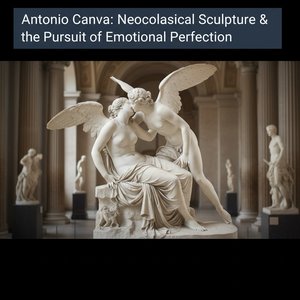
Antonio Canova: Neoclassical Sculpture & the Pursuit of Emotional Perfection
Explore the life & art of Antonio Canova, the greatest Neoclassical sculptor. Discover his masterpieces, innovative techniques, and lasting influence on fine art collecting. Expert insights for discerning investors.

Bronze Sculptures That Defined Art History | OriginalUniqueArt
Journey through art history with our Top 10 bronze sculptures! Explore masterpieces by Rodin, Michelangelo & more. Discover stories behind iconic statues and find museum-quality reproductions for your home decor at OriginalUniqueArt.com.

The Enduring Form: Exploring Themes & Techniques in Sculpture Across Historical Periods
Explore the rich history of sculpture from ancient masterpieces to contemporary innovations. Discover key techniques, influential artists & investment potential for discerning art collectors.
