

 पूर्वावलोकन देखें
 भेजें
भेजें साझा करें
 विवरण देखें
 मार्गदर्शिका

 डाउनलोड करें
 समान वस्तुएं
 एक्स-रे
 स्लाइड शो देखें
 आंकड़े
Cupid and Psyche
 Acrylic On Canvas
- WallArt
- Neoclassical Sculpture
 1796
1796- 19th Century
 150.0 x 68.0 cm
 लौवर संग्रहालय
 और पढ़ें
गिक्ली / आर्ट प्रिंट
तेज़ उत्पादन और विभिन्न फिनिश विकल्पों के साथ म्यूजियम-क्वालिटी गिकली (giclée) या कैनवस प्रिंट। ( हाथ से बनी पेंटिंग खरीदें डिजिटल इमेज पर जाएँ)




P118B $10

P118H $10

P118W $10

P438Z $10

P508JH $12

P508YH $12

P805H $10

P805Z $10

P919BZ $10

P919G $10

P919XJ $10

P959ZH $10

P968JZ $12

W106C $8

W218G $10

W218JH $8

W218Y $10

W307PJ $10

W316G $10

W316PJ $8

W316Y $10

W398PJ $8

W4111J $10

W500HY $15

W500JH $15

W692G $12

W849H $8

W940BG $15

W953PJ $8




कलाकृति के मूल अनुपात से मेल खाने वाले हमारे पूर्व निर्धारित आकारों में से चुनें।

आप किसी विशिष्ट फ्रेम या स्थान के अनुसार अपने स्वयं के आयाम (dimensions) दर्ज कर सकते हैं। यदि आपके द्वारा चुना गया आकार मूल छवि के अनुपात से मेल नहीं खाता है, तो हम कलाकृति को क्रॉप कर देंगे या मिरर किए गए या सॉलिड-फिल किनारे के साथ छवि का विस्तार करेंगे। उत्पादन शुरू होने से पहले आपकी स्वीकृति के लिए एक डिजिटल मॉकअप भेजा जाएगा।
कृपया ध्यान दें कि स्क्रीन पर दिखने वाला प्रीव्यू वास्तविक क्रॉपिंग या विस्तार को नहीं दर्शाता है। केवल मॉकअप ही अंतिम संरचना को सटीक रूप से दिखाएगा।
हालाँकि कस्टम आकार उपलब्ध हैं, फिर भी हम मूल अनुपात बनाए रखने के लिए पूर्व-निर्धारित सूची में से एक आयाम चुनने की सलाह देते हैं।
विश्वव्यापी डिलीवरी (), मानक 4/5 सप्ताह के बजाय मात्र 2 सप्ताह में। (26 सितमबर)

दुनिया भर में मुफ़्त एक्सप्रेस शिपिंग

प्रीमियम ग्रेड लिनेन कैनवास

पूर्ण शिपिंग बीमा

सीमा शुल्क और आयात कर वापसी की गारंटी

सटीक रंग मिलान की गारंटी

100 दिनों की वापसी नीति (केवल निर्माण दोष होने पर)

100% पैसे वापसी की गारंटी

थोक छूट का अवसर
 ग्लास का विकल्प केवल 110 सेमी से कम आकार में ही उपलब्ध है।

Cupid and Psyche
गिक्ली / आर्ट प्रिंट
प्रतिकृति का आकार
-


कुल मूल्य
$ 80
The Mythic Heart of Antonio Canova’s Masterpiece
Antonio Canova's "Cupid and Psyche" isn’t merely a sculpture; it’s a frozen moment of profound yearning, a testament to the enduring power of love against the backdrop of classical mythology. Completed in 1796, this marble masterpiece transcends its subject matter, offering a glimpse into the burgeoning Romantic sensibility while firmly rooted in the elegant formalism of Neoclassicism. The story itself—the tale of Cupid’s obsessive pursuit and Psyche's arduous journey to earn his love—resonates with universal themes of devotion, sacrifice, and ultimately, triumph over adversity. Canova masterfully captures this narrative through a dynamic composition that balances poised elegance with palpable emotion.

The sculpture depicts the pivotal moment when Cupid, having overcome the wrath of Venus, descends upon Psyche, bestowing upon her a kiss that awakens her from a deathlike slumber. Canova’s genius lies in his ability to convey this intense exchange with subtle gestures and exquisitely rendered anatomy. The figures are not rigidly posed; instead, they move within a single, fluid action—a delicate balance between anticipation and fulfillment. Psyche, bathed in an ethereal light, reaches out towards Cupid, her hand poised to receive the kiss, while Cupid himself is captured mid-motion, his wings partially unfurled as he gently touches her breast. The sculpture’s diagonal composition draws the eye directly into this intimate tableau, creating a powerful sense of immediacy.
Neoclassical Form and Romantic Emotion
“Cupid and Psyche” stands at the fascinating intersection of two artistic movements: Neoclassicism and Romanticism. Canova, deeply influenced by the classical ideals of balance, harmony, and proportion, meticulously adheres to the formal conventions of Neoclassicism. The smooth surfaces of the marble, the idealized forms of the figures, and the carefully controlled drapery all reflect this commitment to classical aesthetics. However, beneath this surface lies a profound emotional depth that anticipates the Romantic emphasis on feeling, passion, and individualism. Canova doesn’t simply depict a mythological scene; he captures the very essence of love—its intensity, its vulnerability, and its transformative power.
The choice of marble itself is significant. Marble was considered the material of gods and heroes in antiquity, lending an air of timelessness and reverence to the sculpture. Canova’s masterful manipulation of the stone – the subtle gradations of light and shadow, the delicate textures of skin and fabric – elevates the work beyond mere representation, imbuing it with a remarkable sense of realism and vitality.
Symbolism and Artistic Technique
The sculpture is rich in symbolic detail. Cupid’s quiver, filled with arrows, represents his role as the god of love, while Psyche's veiled face suggests her initial state of unconsciousness and vulnerability. The vase that caused Psyche to faint symbolizes the obstacles she had to overcome to earn Cupid’s affection. Canova’s technical skill is equally impressive. He employed a technique known as *contrapposto*, where the figures are slightly off-balance, creating a sense of naturalism and movement. This subtle shift in weight adds dynamism to the composition and draws attention to the emotional core of the scene.
Furthermore, Canova’s meticulous study of human anatomy is evident in every detail—the delicate curve of Psyche's neck, the muscular tension in Cupid’s arm, the flowing folds of their garments. He achieved this level of realism through countless hours of observation and dissection, demonstrating a profound understanding of the human form.
A Timeless Legacy
“Cupid and Psyche” remains one of Antonio Canova's most celebrated works, admired for its beauty, emotional depth, and technical mastery. It’s a sculpture that continues to captivate viewers centuries after its creation, reminding us of the enduring power of love—a force capable of overcoming even the greatest obstacles. Reproductions of this iconic piece offer an opportunity to bring this timeless masterpiece into your home or studio, allowing you to experience firsthand the artistry and emotion that define Canova’s legacy.
कलाकार का परिचय
एंटोनियो कैनोवा: संगमरमर में जीवंत एक जीवन
- जन्म: पोसाग्नो, इटली (1757)
- मृत्यु: 1822
पश्चिमी कला के इतिहास में एंटोनियो कैनोवा एक दैदीप्यमान नक्षत्र की तरह हैं, जिन्हें सर्वविदित रूप से सबसे प्रमुख नवशास्त्रीय (Neoclassical) मूर्तिकार माना जाता है। संगमरमर को तराशने की उनकी बेजोड़ महारत और शास्त्रीय आकृतियों में गहरी भावनाओं को पिरोने की उनकी अद्भुत क्षमता ने उन्हें युगों के महानतम कलाकारों की श्रेणी में स्थापित कर दिया। इटली के पोसाग्नो में एक राजमिस्त्री, पिएत्रो कैनोवा के पुत्र के रूप में जन्मे, कैनोवा का प्रारंभिक जीवन उनके चारों ओर व्याप्त कलात्मक वातावरण से गहराई से प्रभावित था।
प्रारंभिक जीवन और प्रशिक्षण
कैनोवा की कलात्मक यात्रा उनके पारिवारिक परिवेश से ही शुरू हो गई थी; उनके पिता के पेशे ने उन्हें पत्थर की नक्काशी से प्रारंभिक परिचय कराया, जबकि उनके दादा, पासिनो कैनोवा, जो वेदियों और निम्न राहत (low reliefs) के विशेषज्ञ मूर्तिकार थे, ने उनकी प्रतिभा को निखारने में एक निर्णायक भूमिका निभाई। दस वर्ष की आयु से भी पहले, कैनोत्ता ने असाधारण कौशल का प्रदर्शन किया था, जब उन्होंने छोटे संगमरमर के मंदिर बनाए जो उनकी जन्मजात क्षमता का प्रमाण थे। उन्होंने ग्यूसेप बर्नार्डी ('टोरेट्टो') और जियोवानी फेरारी के मार्गदर्शन में प्रशिक्षण प्राप्त कर अपनी कला को और अधिक परिष्कृत किया। वेनेशिया के 'एकेडेमिया डि बेले आर्टी' में उनके अध्ययन ने उन्हें कई पुरस्कार दिलाए, जिससे एक उभरते हुए युवा कलाकार के रूप में उनकी प्रतिष्ठा सुदृढ़ हुई। एक मठ के भीतर कार्यशाला ने उन्हें अपनी शिल्प कौशल विकसित करने के लिए आवश्यक स्थान प्रदान किया। उनके शुरुआती कार्यों, जैसे सीनेटर जियोवानी फालिएर के लिए ऑर्फ़ियस और यूरीडिस की मूर्तियाँ, में उभरती हुई रोकोको शैली दिखाई देती थी, जो भविष्य में उनकी नवशास्त्रीय परिष्कृत शैली का संकेत दे रही थीं।
प्रसिद्धि का उदय और नवशास्त्रीय शैली
कैनोवा के कार्य की पहचान उनकी सुरुचिपूर्ण आकृतियों, आदर्शवादी पात्रों और प्राचीन ग्रीस एवं रोम के सौंदर्य सिद्धांतों की ओर वापसी से होती है। उन्होंने बड़ी कुशलता से बारोक कला के अतिरंजित नाटकीयता से परहेज किया, साथ ही शास्त्रीय पुनरुद्धार के शुरुआती प्रयासों में अक्सर देखी जाने वाली शीतलता का भी विरोध किया। क्युपिड एंड साइकी (लगभग 1787-1793), पेनिटेंट मैगडालीन, और हर्कुलिस एंड लिकास जैसी मूर्तियों ने पूरे यूरोप में उनकी ख्याति स्थापित की। उनके कार्यों की मांग राजघरानों और कुलीनों के बीच अत्यधिक थी। कैनोवा ने अपनी कला का व्यापक प्रसार सुनिश्चित करने के लिए रणनीतिक रूप से अपने करियर को बढ़ावा दिया; उन्होंने अपनी कृतियों के उत्कीर्णन (engravings) प्रकाशित किए और प्लास्टर कास्ट के संगमरमर संस्करण तैयार किए। यूरोप भर से प्राप्त कमीशन, जिसमें रोम के वेनेटियन राजदूत जियोलारमो ज़ुलियन के लिए 'थीसियस और मिनोटौर' की मूर्ति शामिल थी, ने उन्हें यूरोप के सबसे प्रतिष्ठित कलाकारों में से एक के रूप में स्थापित कर दिया।
प्रमुख कृतियाँ और विरासत
कैनोवा की महत्वपूर्ण कृतियों में पहले से उल्लेखित मूर्तियों के अलावा वीनस इटालिका, ला म्यूसा पॉलीहिम्निया, द थ्री ग्रेस डांसिंग, और यूरीडिस का उनका मार्मिक चित्रण शामिल है। उन्होंने मकबरों के लिए भी प्रतिष्ठित कार्य प्राप्त किए, जिनमें रोम के सेंट पीटर्स बेसिलिका में स्थित पोप क्लेमेंट XIII का मकबरा सबसे उल्लेखनीय है—जो मूर्तिकला और स्थापत्य डिजाइन दोनों में उनके कौशल का प्रमाण है। 'गिप्सोटिका एंटोनियो कैनोवा' संग्रहालय उनकी कृतियों का सबसे महत्वपूर्ण संग्रह संजोए हुए है, जो उनकी रचनात्मक प्रक्रिया और कलात्मक विकास की अमूल्य अंतर्दृष्टि प्रदान करता है। कैनोवा का प्रभाव उनके जीवनकाल से कहीं आगे तक फैला हुआ, जिसने नवशास्त्रीय मूर्तिकला के मार्ग को आकार दिया और अपनी तकनीकी महारत एवं अभिव्यंजक शक्ति से कलाकारों की पीढ़ियों को प्रेरित किया।
ऐतिहासिक महत्व
एंटोनियो कैनोवा नवशास्त्रीय आंदोलन के पर्याय बन गए, जो व्यवस्था, स्पष्टता और शास्त्रीय पुरातनता की ओर वापसी के आदर्शों को साकार करते थे। कई यूरोपीय शासकों के दरबारी मूर्तिकार के रूप में उनके पद ने उन्हें महत्वपूर्ण राजनीतिक प्रभाव दिया और उन्हें पूरे महाद्वीप में कलात्मक रुचियों को आकार देने की अनुमति दी। संगमरमर तराशने के उनके अद्वितीय कौशल ने उन सीमाओं को आगे बढ़ाया जिन्हें संभव माना जाता था, जिससे मूर्तिकला उत्कृष्टता का एक नया मानक स्थापित हुआ। उनकी मूर्तियाँ आज भी दुनिया भर के दर्शकों को मंत्रमुग्ध करती हैं, जो इतिहास के सबसे महत्वपूर्ण और प्रभावशाली कलाकारों में से एक के रूप में उनके स्थान को सुदृढ़ करती हैं।

एंटोनियो कैनोवा
1757 - 1822 , इटली
संक्षिप्त जानकारी
- Artistic Movement Or Style: नवशास्त्रीयवाद (Neoclassicism)
- Artists Or Movements Influenced By This Artist: ['बाद के नवशास्त्रीय कलाकार']
- Artists Who Influenced This Artist: ['उत्तर बारोक मूर्तिकार']
- Date Of Birth: 1757
- Date Of Death: 1822
- Full Name: एंटोनियो कैनोवा
- Nationality: इतालवी
- Notable Artworks:
- क्युपिड और साइकी
- पश्चाताप करती मैगडालेन
- हर्कुलिस और लिचास
- थीसियस और मिनोटौर
- नृत्य करती तीन ग्रेस
- यूरिडिस
- वेनेरे इटालिका
- Place Of Birth (City And Country): पोसैग्नो, इटली
संबंधित लेखों की सूची

The Enduring Allure of Marble in Art History: From Classical Sculpture to Modern Abstraction
Explore the captivating history of marble sculpture from ancient Greece to modern art. Discover renowned artists like Canova & Michelangelo, carving techniques, and investment insights at OriginalUniqueArt.
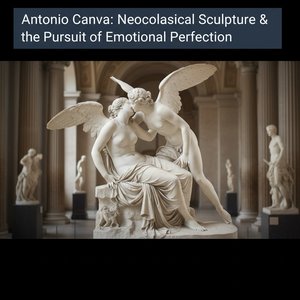
Antonio Canova: Neoclassical Sculpture & the Pursuit of Emotional Perfection
Explore the life & art of Antonio Canova, the greatest Neoclassical sculptor. Discover his masterpieces, innovative techniques, and lasting influence on fine art collecting. Expert insights for discerning investors.

The Enduring Form: Sculpture Across History, Technique & Emotional Resonance
Explore the rich history of sculpture with OriginalUniqueArt. Discover key techniques, influential artists & investment potential for discerning collectors. Expert insights into valuing and collecting timeless masterpieces.

The Enduring Form: Exploring Themes & Techniques in Sculpture Across Historical Periods
Explore the rich history of sculpture from ancient masterpieces to contemporary innovations. Discover key techniques, influential artists & investment potential for discerning art collectors.

Bronze Sculptures That Defined Art History | OriginalUniqueArt
Journey through art history with our Top 10 bronze sculptures! Explore masterpieces by Rodin, Michelangelo & more. Discover stories behind iconic statues and find museum-quality reproductions for your home decor at OriginalUniqueArt.com.
