पूर्वावलोकन देखें
 भेजें
भेजें साझा करें
 विवरण देखें
 मार्गदर्शिका

 डाउनलोड करें
 समान वस्तुएं
 एक्स-रे
 स्लाइड शो देखें
 आंकड़े
Self Portrait
 Acrylic On Canvas
- WallArt
- Neoclassical Painting
 1774
1774 562.0 x 735.0 cm
 वॉकर आर्ट गैलरी
 और पढ़ें
हस्तनिर्मित ऑयल रिप्रोडक्शन
आपके आकार और फ्रेम के अनुसार कैनवास पर हाथ से बनी ऑयल पेंटिंग, हमारे कलाकारों द्वारा विशेष रूप से ऑर्डर पर तैयार। ( प्रिंट विकल्प पर जाएँ डिजिटल इमेज पर जाएँ)




P118B ₹10

P118H ₹10

P118W ₹10

P438Z ₹10

P508JH ₹12

P508YH ₹12

P805H ₹10

P805Z ₹10

P919BZ ₹10

P919G ₹10

P919XJ ₹10

P959ZH ₹10

P968JZ ₹12

W106C ₹8

W218G ₹10

W218JH ₹8

W218Y ₹10

W307PJ ₹10

W316G ₹10

W316PJ ₹8

W316Y ₹10

W398PJ ₹8

W4111J ₹10

W500HY ₹15

W500JH ₹15

W692G ₹12

W849H ₹8

W940BG ₹15

W953PJ ₹8




कलाकृति के मूल अनुपात से मेल खाने वाले हमारे पूर्व निर्धारित आकारों में से चुनें।

अपने फ्रेम या अपनी दीवार के अनुसार आवश्यक चौड़ाई और ऊंचाई दर्ज करें। यह हाथ से पेंट किया गया है, इसलिए अलग आकार के लिए कलाकार चित्र के चारों ओर थोड़ा अधिक पेंट कर सकता है, या थोड़ा काट सकता है — चुनाव आपका है। पेंटिंग शुरू होने से पहले हम आपकी स्वीकृति के लिए एक डिजिटल मॉकअप भेजते हैं। इस पृष्ठ पर दिखाई गई तस्वीर वास्तविक परिणाम नहीं दिखाती है — केवल मॉकअप ही वास्तविक रूप दिखाता है।
ऑर्डर देने के बाद, OriginalUniqueArt.com टीम निर्देशों के लिए क्लाइंट को ईमेल करेगी और एक मॉकअप प्रीव्यू प्रदान करेगी
विश्वव्यापी वितरण () मानक 5 सप्ताह के बजाय मात्र 3/4 सप्ताह में। (23 अक्टूबर)। गुणवत्ता से कोई समझौता नहीं।

दुनिया भर में मुफ़्त एक्सप्रेस शिपिंग

प्रीमियम ग्रेड लिनेन कैनवास

पूर्ण शिपिंग बीमा

सीमा शुल्क और आयात कर वापसी की गारंटी

सटीक रंग मिलान की गारंटी

100 दिनों की वापसी नीति (केवल निर्माण दोष होने पर)

100% पैसे वापसी की गारंटी

थोक छूट का अवसर
 ग्लास का विकल्प केवल 110 सेमी से कम आकार में ही उपलब्ध है।

Self Portrait
प्रतिकृति की सामग्री
प्रतिकृति का आकार
-


कुल मूल्य
₹ 28805
The Enigmatic Gaze: Unpacking Anton Raphael Mengs’ “Self Portrait”
Anton Raphael Mengs' "Self Portrait," painted in 1774, isn’t merely a likeness; it’s a carefully constructed tableau of intellectual ambition and introspective melancholy. Captured with the precision characteristic of the Neoclassical movement, this painting offers a rare glimpse into the mind of an artist grappling with his burgeoning fame and the weighty expectations placed upon him. The image immediately draws the eye to the subject's face – a man in his mid-forties, rendered with a remarkable sensitivity that belies the formality of the attire. His mouth is slightly open, a subtle gesture hinting at contemplation or perhaps even a quiet sadness; it’s an expression that invites prolonged observation and fuels speculation about the thoughts swirling within him.
The composition itself speaks volumes. Mengs sits three-quarters to his right, a pose favored by portrait painters of the era, suggesting both dignity and engagement with the viewer. The rich brown coat, meticulously detailed, anchors him in a world of established artistic circles, while the scarf draped loosely around his neck adds a touch of understated elegance. Yet, it’s the lighting – masterful chiaroscuro reminiscent of Rembrandt – that truly elevates the piece. Dark shadows pool beneath his eyes and across his shoulders, creating a sense of depth and drawing attention to the delicate lines of his face. The light catches the texture of his clothing and highlights the subtle nuances of his expression, transforming a simple portrait into a study in mood and atmosphere.
A Bridge Between Worlds: Mengs’ Artistic Genesis
Mengs' journey to this moment was profoundly shaped by his lineage and the intellectual currents of the Enlightenment. Born in 1728 in Ústí nad Labem, Bohemia – a region now part of the Czech Republic – he inherited a legacy of artistic talent from his father, Ismael Mengs, a Danish painter who found patronage at the Dresden court. This early exposure to the refined tastes and exacting standards of the German aristocracy instilled within young Anton a deep appreciation for classical ideals and meticulous technique. Crucially, in 1741, he was sent to Rome – a pivotal decision that irrevocably shaped his artistic development.
Immersed in the heart of the Roman art world, Mengs spent years studying the masterpieces of Raphael, Michelangelo, and other Renaissance giants. He meticulously copied their works, absorbing not just their technical skill but also their profound understanding of human anatomy, perspective, and composition. This immersion in classical antiquity would become the bedrock of his artistic style – a commitment to clarity, balance, and idealized beauty that defined Neoclassicism. The influence is immediately apparent in “Self Portrait,” where Mengs consciously adopts a pose reminiscent of ancient Roman portraiture, signaling his ambition to emulate the masters and establish himself as a leading figure in the revival of classical art.
Symbolism and Context: The Weight of Ambition
Beyond its technical brilliance, “Self Portrait” is laden with symbolic meaning. The open mouth, as previously noted, suggests introspection – perhaps a moment of self-doubt amidst the pressures of his career. The carefully chosen attire—the brown coat, the scarf—reflects his position within European artistic circles, signaling both his status and his adherence to established conventions. However, there’s also an underlying sense of weariness in Mengs' gaze, hinting at the sacrifices required to achieve success and the loneliness inherent in a life devoted to art.
Painted just three years before his untimely death at the age of 51, the portrait captures a man on the cusp of greatness but also burdened by mortality. Mengs was a celebrated artist throughout Europe, a key figure in the creation of Neoclassicism, yet he faced constant challenges – financial difficulties, professional rivalries, and the relentless demands of his patrons. “Self Portrait” offers a poignant glimpse into the inner life of an artist grappling with these complexities, reminding us that even the most accomplished figures are subject to human vulnerability and uncertainty.
A Timeless Reflection: Reproduction and Artistic Legacy
Reproductions of Mengs’ “Self Portrait” continue to resonate today, offering a window into the artistic sensibilities of the 18th century. The painting's masterful use of light and shadow, combined with its psychologically astute portrayal of the subject, ensures its enduring appeal. Whether displayed in a grand salon or a contemporary art space, this work serves as a powerful reminder of the transformative power of art – its ability to capture not just likeness but also essence, emotion, and the complexities of the human experience. Consider commissioning a hand-painted reproduction to bring this captivating piece into your own home, preserving Mengs’ legacy for generations to come.
प्रश्न और उत्तर
क्या "Self Portrait" का हाई-रिज़ॉल्यूशन डाउनलोड उपलब्ध है?
एंटोन राफेल मेंग्स द्वारा "Self Portrait" की डिजिटल फ़ाइल प्राप्त करने के लिए, इसके डिजिटल छवि पेज पर एक उच्च-रिज़ॉल्यूशन वाली डिजिटल इमेज डाउनलोड करें।
एंटोन राफेल मेंग्स द्वारा "Self Portrait" की रचना में कौन सा रंग प्रमुख है?
Espresso (#372623), एंटोन राफेल मेंग्स द्वारा "Self Portrait" का प्रमुख रंग है।
एंटोन राफेल मेंग्स द्वारा "Self Portrait" किस माध्यम में बनाया गया है?
एंटोन राफेल मेंग्स ने "Self Portrait" के लिए Acrylic On Canvas तकनीक का उपयोग किया है। यह तकनीक मूल कृति की भौतिक प्रकृति को परिभाषित करती है।
कलाकार का परिचय
एक युग परिवर्तनकारी: एंटोन राफेल मेंग्स का जीवन और कला
एंटोन राफेल मेंग्स यूरोपीय कला के एक आकर्षक काल में उभरे, जब रोकोको की अलंकृत भव्यता शास्त्रीय आदर्शों के प्रति नए सिरे से सराहना के लिए रास्ता बना रही थी। 1728 में बोहेमिया (वर्तमान चेक गणराज्य) के Ústí nad Labem में जन्मे, उनकी कलात्मक यात्रा उनके वंश और ज्ञानोदय की बौद्धिक धाराओं दोनों से गहराई से प्रभावित हुई थी। उनके पिता, इसाएल मेंग्स, एक डेनिश चित्रकार थे जिन्होंने ड्रेसडेन दरबार में संरक्षण पाया था, उन्होंने एंटोन की असाधारण प्रतिभा को जल्दी पहचान लिया। इस मान्यता के कारण 1741 में एक महत्वपूर्ण कदम उठाया गया: रोम जाने का निर्णय, जहाँ युवा कलाकार प्राचीन उत्कृष्ट कृतियों और राफेल जैसे पुनर्जागरण के गुरुओं के कार्यों में डूब गए। यह अनुभव उनकी सौंदर्य संवेदनशीलता पर अमिट छाप छोड़ेगा, जिसमें शास्त्रीय रूप, स्पष्टता और रचना के प्रति गहरा सम्मान पैदा होगा - ये गुण उनकी परिपक्व शैली की पहचान बन जाएंगे। शुरुआती वर्षों को सावधानीपूर्वक नकल करने के लिए समर्पित किया गया था, न कि केवल एक तकनीक के अभ्यास के रूप में बल्कि कलात्मक तीर्थयात्रा के एक गहन कार्य के रूप में, राफेल की प्रतिभा का सार आत्मसात करना।ड्रेसडेन से मैड्रिड: विभिन्न दरबारों में करियर
मेंग्स का करियर कई प्रमुख यूरोपीय दरबारों में फैला, जिनमें से प्रत्येक ने उनकी कलात्मक विकास पर अपनी अनूठी छाप छोड़ी। 1749 में, उन्होंने सैक्सोनी के इलेक्टर फ्रेडरिक ऑगस्टस के दरबार में दरबारी चित्रकार का प्रतिष्ठित पद हासिल किया, एक ऐसी भूमिका जिसने उन्हें वित्तीय स्थिरता और रोम - उनकी कलात्मक प्रेरणा के केंद्र में आधार बनाए रखने की स्वतंत्रता प्रदान की। हालाँकि, उनके भित्तिचित्रों ने वास्तव में उनकी प्रतिष्ठा स्थापित की। 1761 के आसपास रोम में अल्बानी विला में *पर्नासुस* पूरा हुआ, जो तुरंत सनसनी बन गया, इसकी सामंजस्यपूर्ण रचना, सुरुचिपूर्ण आकृतियों और शास्त्रीय पौराणिक कथाओं के सूक्ष्म लेकिन शक्तिशाली आह्वान के लिए प्रशंसा की गई। यह कार्य केवल एक सजावटी अलंकरण नहीं था; यह एक बयान था - बारोक भव्यता को उभरते नवशास्त्रीय सिद्धांतों के साथ संश्लेषित करने का जानबूझकर प्रयास। इसके बाद आगे भी कमीशन प्राप्त हुए, जिसमें रोम में सेंट'यूसेबियो चर्च के गुंबद को सुशोभित करने वाला आश्चर्यजनक भित्तिचित्र शामिल है, जो स्मारकीय सजावट और स्थानिक भ्रम में उनकी महारत दर्शाता है। शायद उनका सबसे महत्वाकांक्षी कार्य 1761 में स्पेनिश दरबार से निमंत्रण के साथ आया। वे मैड्रिड गए, जहाँ उन्हें कई शाही महलों को सजाने का काम सौंपा गया था, जिसका समापन रॉयल पैलेस के भोज कक्ष की शानदार छत पर हुआ - यह कार्य उनकी बेहतरीन उपलब्धियों में से एक माना जाता है, जो इतालवी सुंदरता को स्पेनिश संवेदनशीलता के साथ मिलाने की उल्लेखनीय क्षमता प्रदर्शित करता है।विंकलमान कनेक्शन: नवशास्त्रीय विचार को आकार देना
मेंग्स का कलात्मक विकास केवल दृश्य अध्ययन से प्रेरित नहीं था; यह बौद्धिक प्रवचन के साथ गहराई से जुड़ा हुआ था। एक महत्वपूर्ण मोड़ उनकी करीबी दोस्ती और जोहान जोआकिम विंकलमान के साथ सहयोग के साथ आया, जो अग्रणी कला इतिहासकार थे जिनकी रचनाएँ नवशास्त्रीय आंदोलन की नींव बन गईं। विंकलमान ने प्राचीन ग्रीक कला की कथित शुद्धता और सादगी पर लौटने का समर्थन किया, एक सौंदर्यशास्त्र की वकालत की जो तर्क, व्यवस्था और आदर्श रूपों पर आधारित थी। मेंग्स केवल विंकलमान के सिद्धांतों को चित्रित नहीं कर रहे थे; वे सक्रिय रूप से उन्हें आकार दे रहे थे, अमूर्त अवधारणाओं को मूर्त कलात्मक अभिव्यक्तियों में अनुवादित कर रहे थे। साथ मिलकर, उन्होंने माना कि सच्ची सुंदरता सतही अलंकरण में नहीं बल्कि शास्त्रीय प्राचीनता में पाई जाने वाले सामंजस्य और अनुपात के अंतर्निहित सिद्धांतों में निहित है। यह साझेदारी सैद्धांतिक चर्चाओं से परे फैली हुई थी; यह मेंग्स की पेंटिंग में प्रकट हुआ, जो तेजी से विंकलमान के महान सादगी और संयमित भावना पर जोर देती है। प्रभाव पारस्परिक था: विंकलमान की रचनाओं ने मेंग्स के कलात्मक प्रयासों के लिए एक दार्शनिक ढांचा प्रदान किया, जबकि मेंग्स की कला नवशास्त्रीय आदर्शों की व्यवहार्यता - और सुंदरता - का दृश्य प्रमाण के रूप में कार्य करती थी।विरासत और प्रभाव: अपने समय के अग्रणी
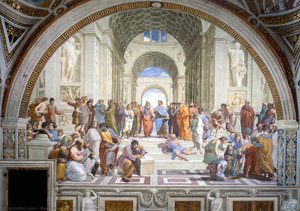
एंटोन राफेल मेंग्स 1779 में रोम में निधन हो गए, उन्होंने एक विरासत छोड़ी जो उनकी प्रभावशाली कृति से कहीं आगे तक फैली हुई है। वह केवल एक चित्रकार नहीं थे; वे एक कलात्मक युग के संक्रमण में एक महत्वपूर्ण व्यक्ति थे। बारोक परंपरा में निहित - उनके नाटकीय प्रकाश और छाया के उपयोग और भ्रम की तकनीकों में महारत स्पष्ट है - मेंग्स ने साहसपूर्वक उभरते नवशास्त्रीय सिद्धांतों को अपनाया, जैक्स-लुई डेविड और एंटोनियो कैनोवा जैसे कलाकारों के लिए मार्ग प्रशस्त किया। शास्त्रीय आदर्शों पर उनका जोर, उनकी तकनीकी प्रतिभा के साथ संयुक्त, उन्हें 18 वीं शताब्दी की कला को आकार देने वाली एक प्रमुख शक्ति के रूप में स्थापित किया। *द स्कूल ऑफ एथेंस*, ड्यूक ऑफ नॉर्थम्बरलैंड के लिए चित्रित, ऐतिहासिक पूर्ववर्ती के साथ समकालीन कलात्मक संवेदनशीलता को संश्लेषित करने की उनकी क्षमता का प्रमाण है। अपनी पेंटिंग और भित्तिचित्रों से परे, मेंग्स का प्रभाव शिक्षा तक फैला हुआ था; उन्होंने वेटिकन पेंटिंग स्कूल के निदेशक के रूप में कार्य किया, शास्त्रीय सिद्धांतों में डूबे कलाकारों की एक नई पीढ़ी का पोषण किया। वह एक जटिल व्यक्ति थे - एक भक्त कैथोलिक जो ज्ञानोदय के विचारों के साथ भी जुड़े हुए थे, एक कलाकार जिसने परंपरा और नवाचार को संतुलित किया। उनका जीवन और कार्य कलात्मक कौशल, बौद्धिक जिज्ञासा और ऐतिहासिक परिस्थितियों के एक आकर्षक चौराहे का प्रतिनिधित्व करते हैं, जिससे नवशास्त्रीय कला के सच्चे अग्रणी के रूप में उनकी जगह मजबूत होती है। उनका प्रभाव आज भी गूंजता है, जो हमें शास्त्रीय आदर्शों की स्थायी शक्ति की याद दिलाता है ताकि कलात्मक अभिव्यक्ति को प्रेरित किया जा सके और रूपांतरित किया जा सके।
एंटोन राफेल मेंग्स
1728 - 1779 , चेक गणराज्य
संक्षिप्त जानकारी
- कला आंदोलन/शैली: नवशास्त्रीय चित्रकला
- जन्म तिथि: 22 मार्च 1728
- जन्म स्थान: Ústí nad Labem, चेक गणराज्य
- जिन कलाकारों को प्रभावित किया: ['नवशास्त्रीयवाद']
- पूरा नाम: एंटोन राफेल मेंग्स
- प्रभावित कलाकार:
- राफेल
- टिटियन
- कोरेगियो
- प्रमुख कलाकृतियाँ:
- पार्नासस
- एथेंस का विद्यालय
- मृत्यु तिथि: 29 जून 1779
- राष्ट्रीयता: जर्मन-बोहेमियन
संबंधित लेखों की सूची

रेम्ब्रांद्ट की शीर्ष 25 कलाकृतियाँ: इतिहास, कहानी और दृश्य वैभव | OriginalUniqueArt
रेम्ब्रांद्ट की शीर्ष 25 कलाकृतियों का अन्वेषण करें! डच गोल्डन एज के इस महान चित्रकार की कहानियाँ, तकनीक और दृश्य वैभव जानें। घर की सजावट के लिए उच्च गुणवत्ता वाले कला प्रिंट खरीदें - OriginalUniqueArt.com पर संपूर्ण संग्रह देखें।
Reflecting the Self: A History of Portraiture & Psychological Insight
Explore the fascinating history of self-portraiture from Renaissance masters like Dürer & Rembrandt to modern interpretations. Discover the psychological insights and artistic techniques behind these iconic works. Expert analysis for art enthusiasts.
Adriaen van Ostade: A Master of Dutch Genre Painting & Social Commentary
Explore the life & work of Adriaen van Ostade, a leading Dutch Golden Age painter. Discover his realistic genre scenes, social commentary, and lasting influence on art history. Learn more at OriginalUniqueArt.
Decoding Van Gogh's Turmoil: OriginalUniqueArt’s Masterful Reproductions of Emotional Depth
Discover exquisite Van Gogh reproductions from OriginalUniqueArt – expert art specialists offering museum-quality prints & custom paintings. Trust our authentic process and elevate your collection today.

पोस्ट-इंप्रेशनिज्म: दस उत्कृष्ट कृतियाँ जिन्होंने कला को परिभाषित किया | OriginalUniqueArt
पोस्ट-इंप्रेशनिज्म की 10 उत्कृष्ट कृतियाँ जानें! वान गाग, सेज़ान और गौगुइन जैसे कलाकारों के अद्भुत कार्यों का अन्वेषण करें। कला इतिहास, रंग और प्रेरणादायक डिज़ाइन खोजें। OriginalUniqueArt.com पर पूरा संग्रह देखें!