

 पूर्वावलोकन देखें
 भेजें
भेजें साझा करें
 विवरण देखें
 मार्गदर्शिका

 डाउनलोड करें
 समान वस्तुएं
 एक्स-रे
 स्लाइड शो देखें
 आंकड़े
Pan
 Oil On Canvas
- WallArt
- Baroque
 1592
1592 109.0 x 135.0 cm
 नेशनल गैलरी ऑफ़ विक्टोरिया
 और पढ़ें
हस्तनिर्मित ऑयल रिप्रोडक्शन
आपके आकार और फ्रेम के अनुसार कैनवास पर हाथ से बनी ऑयल पेंटिंग, हमारे कलाकारों द्वारा विशेष रूप से ऑर्डर पर तैयार। ( प्रिंट विकल्प पर जाएँ डिजिटल इमेज पर जाएँ)




P118B ₹10

P118H ₹10

P118W ₹10

P438Z ₹10

P508JH ₹12

P508YH ₹12

P805H ₹10

P805Z ₹10

P919BZ ₹10

P919G ₹10

P919XJ ₹10

P959ZH ₹10

P968JZ ₹12

W106C ₹8

W218G ₹10

W218JH ₹8

W218Y ₹10

W307PJ ₹10

W316G ₹10

W316PJ ₹8

W316Y ₹10

W398PJ ₹8

W4111J ₹10

W500HY ₹15

W500JH ₹15

W692G ₹12

W849H ₹8

W940BG ₹15

W953PJ ₹8




कलाकृति के मूल अनुपात से मेल खाने वाले हमारे पूर्व निर्धारित आकारों में से चुनें।

अपने फ्रेम या अपनी दीवार के अनुसार आवश्यक चौड़ाई और ऊंचाई दर्ज करें। यह हाथ से पेंट किया गया है, इसलिए अलग आकार के लिए कलाकार चित्र के चारों ओर थोड़ा अधिक पेंट कर सकता है, या थोड़ा काट सकता है — चुनाव आपका है। पेंटिंग शुरू होने से पहले हम आपकी स्वीकृति के लिए एक डिजिटल मॉकअप भेजते हैं। इस पृष्ठ पर दिखाई गई तस्वीर वास्तविक परिणाम नहीं दिखाती है — केवल मॉकअप ही वास्तविक रूप दिखाता है।
ऑर्डर देने के बाद, OriginalUniqueArt.com टीम निर्देशों के लिए क्लाइंट को ईमेल करेगी और एक मॉकअप प्रीव्यू प्रदान करेगी
विश्वव्यापी वितरण () मानक 5 सप्ताह के बजाय मात्र 3/4 सप्ताह में। (19 अक्टूबर)। गुणवत्ता से कोई समझौता नहीं।

दुनिया भर में मुफ़्त एक्सप्रेस शिपिंग

प्रीमियम ग्रेड लिनेन कैनवास

पूर्ण शिपिंग बीमा

सीमा शुल्क और आयात कर वापसी की गारंटी

सटीक रंग मिलान की गारंटी

100 दिनों की वापसी नीति (केवल निर्माण दोष होने पर)

100% पैसे वापसी की गारंटी

थोक छूट का अवसर
 ग्लास का विकल्प केवल 110 सेमी से कम आकार में ही उपलब्ध है।

Pan
प्रतिकृति की सामग्री
प्रतिकृति का आकार
-


कुल मूल्य
₹ 28815
A Vision of Rustic Divinity: Annibale Carracci’s Pan
Annibale Carracci's "Pan," painted circa 1592, is not merely a depiction of the Greek god; it’s an embodiment of primal nature, a vibrant assertion of earthly delight rendered with breathtaking technical skill and imbued with the burgeoning spirit of the Bolognese school. This painting transcends simple portraiture, offering instead a glimpse into a world teeming with instinct, fertility, and the intoxicating allure of the wild. Commissioned by Cesare d'Este for his opulent Palazzo dei Diamanti in Ferrara – a palace itself reflecting the lavish tastes of the Renaissance court – “Pan” was intended to be part of a larger decorative scheme, a carefully orchestrated symphony of classical mythology designed to evoke grandeur and celebrate the power of the Este family.
Carracci’s genius lies in his masterful manipulation of perspective and color. The scene unfolds with a dramatic *di sotto in sù* foreshortening – a technique borrowed from earlier Renaissance masters but perfected by Carracci – that draws the viewer into the god's immediate presence. Pan, seated atop a ram or goat (the animal’s identity deliberately ambiguous), is presented not as an imposing deity, but as a youthful, almost mischievous figure. His pose is relaxed, his expression playful, and his limbs are rendered with a remarkable sense of naturalism that distinguishes this work from the more idealized depictions prevalent at the time. The rich palette – dominated by earthy reds, ochres, and greens – creates a tactile quality, inviting the viewer to almost feel the warmth of the Italian sun on Pan’s skin and the rough texture of his attire.
The Language of Symbolism
Pan, in Greek mythology, is the god of shepherds, flocks, wild animals, music, and revelry. He embodies the untamed spirit of nature, a force both alluring and potentially dangerous. Carracci’s portrayal captures this duality perfectly. The ram or goat beneath Pan isn't simply an animal; it represents fertility, abundance, and the cyclical rhythms of life and death – essential themes within the context of the Renaissance fascination with classical antiquity. The inclusion of the pipe, a traditional instrument associated with Pan, further reinforces his role as the patron of music and dance, suggesting a celebration of earthly pleasures.
Notably, the presence of the book or scroll in Pan’s hand hints at a deeper layer of meaning. While often depicted as a wild god, Pan was also associated with prophecy and knowledge – a connection that aligns with the intellectual climate of Renaissance Italy. The object could represent his ability to interpret the signs of nature, offering a glimpse into the mysteries of the world.
A Bridge Between Eras
“Pan” stands as a pivotal work in the transition from the High Renaissance to the Baroque period. Carracci’s embrace of naturalism and dramatic perspective – hallmarks of the Bolognese school – paved the way for the heightened emotional intensity and dynamic compositions that would characterize the Baroque style. His meticulous attention to detail, combined with his innovative use of *di sotto in sù* foreshortening, demonstrates a profound understanding of both classical principles and contemporary artistic trends. The painting’s placement within a larger decorative scheme further highlights its significance as a key element in the revival of classical art during the late 16th century.
A Timeless Appeal
More than four centuries after its creation, “Pan” continues to captivate viewers with its vibrant energy and evocative imagery. It’s a painting that speaks to our enduring fascination with nature, mythology, and the primal instincts that lie at the heart of human experience. Reproductions of this masterpiece offer an opportunity to bring this extraordinary vision into any setting, adding a touch of rustic divinity and timeless beauty to your home or office.
प्रश्न और उत्तर
अन्नीबाले कैरैची द्वारा "Pan" का आकार और अनुपात कैसा है, और यह कितना बड़ा है?
अन्नीबाले कैरैची द्वारा "Pan" एक Landscape रचना है, जिसका मूल आकार 109 x 135 cm है।
"Pan" में कौन सा रंग सबसे प्रमुखता से उभर कर आता है?
Espresso (#655234), अन्नीबाले कैरैची द्वारा "Pan" का प्रमुख रंग है।
"Pan" में प्रकाश और छाया का संतुलन कैसे बनाया गया है?
अन्नीबाले कैरैची द्वारा "Pan" की चमक deep_shadow दर्ज की गई है, जिसमें Dark का ल्यूमिनेंस (luminance) है।
कलाकार का परिचय
प्रारंभिक जीवन और बोलोग्नीज़ जड़ें
अन्निबले कैरैची का जन्म 3 नवंबर, 1560 को बोलोग्ना में हुआ था। वे एक ऐसे परिवार से थे जो कला की परंपराओं में गहराई से डूबा हुआ था। उनकी प्रारंभिक शिक्षा संभवतः उनके पारिवारिक कार्यशाला के पोषण भरे वातावरण में हुई थी, जिसने एक ऐसे करियर की नींव रखी जो इतालवी चित्रकला के परिदृश्य को गहराई से बदल देगा। उस समय बोलोग्ना बौद्धिक और कलात्मक उथल-पुथल का जीवंत केंद्र था, फिर भी यह रोम और वेनिस से आने वाली प्रमुख धाराओं से कुछ दूरी पर महसूस होता था। इस प्रांतीयता की भावना ने युवा कलाकारों—अन्निबले, उनके भाई अगोस्टिनो और चचेरे भाई लुडोविको—को एक नया रास्ता बनाने की इच्छा जगाई, जो पुनर्जागरण के महान गुरुओं को देखते हुए इतालवी कला को फिर से जीवंत करेगा, साथ ही अधिक प्राकृतिक दृष्टिकोण अपनाएगा।
1582 में, इस महत्वाकांक्षा ने *अकाडेमिया देगली इंकामिनाटी* की स्थापना के रूप में साकार रूप लिया, जिसे शुरू में डेसीदेरोसी अकादमी के नाम से जाना जाता था। यह केवल एक कार्यशाला नहीं थी; यह कलात्मक नवाचार का एक क्रूसिबल था, जो कठोर जीवन रेखाचित्र, उत्साही बहस और कलात्मक उत्कृष्टता की सामूहिक खोज के लिए समर्पित स्थान था। अकादमी का नाम ही—"प्रगतिशील"—उनकी मंशा को दर्शाता है: मैनरिज्म की शैलीगत जटिलताओं से परे जाना और अभिव्यक्ति के अधिक जमीनी, भावनात्मक रूप में एक नया मार्ग प्रशस्त करना। इंकामिनाटी पूरे यूरोप में कला अकादमियों के लिए एक मॉडल बन गया, जिसने जीवन से अवलोकन को कलात्मक प्रशिक्षण के आधारशिला के रूप में जोर दिया।
शैलियों और प्रभावों का संश्लेषण
कैरैची की कलात्मक दृष्टि निर्वात में पैदा नहीं हुई थी; यह अतीत के गुरुओं की विरासत के साथ गहन जुड़ाव के माध्यम से सावधानीपूर्वक तैयार की गई थी। उनके पास विविध प्रभावों को संश्लेषित करने की असाधारण क्षमता थी, जो एक ऐसी शैली बनाती थी जो परंपरा में गहराई से निहित और आश्चर्यजनक रूप से मौलिक दोनों थी। उन्होंने राफेल और एंड्रिया डेल सार्टो के कार्यों में पाई जाने वाली रेखा की स्पष्टता और रचना संबंधी संतुलन की प्रशंसा की, उनकी कृपा और सद्भाव का अनुकरण करने की कोशिश की। फिर भी, उन्होंने वेनिस के चित्रकारों जैसे टिटियन द्वारा प्रचारित रंग और वायुमंडलीय प्रभावों की शक्ति को भी पहचाना, अपने स्वयं के काम को एक जीवंत चमक और भावनात्मक गहराई से भर दिया।
कोरेगियो का प्रभाव विशेष रूप से गहरा था, जो कैरैची की गतिशील रचनाओं और भ्रमपूर्ण तकनीकों में स्पष्ट है—विशेषकर उनके भित्ति चित्रों में प्रदर्शित। उन्होंने केवल इन गुरुओं की प्रतिलिपि नहीं बनाई; वे उनकी ताकत को अवशोषित कर रहे थे और उन्हें कुछ नया बना रहे थे। यह उदार मिश्रण बोलोग्नीज़ स्कूल का प्रतीक बन गया, जो बारोक कला की एक महत्वपूर्ण शाखा थी जिसने शास्त्रीय आदर्शों और प्राकृतिक अवलोकन दोनों पर जोर दिया। कैरैची की प्रतिभा विपरीत तत्वों को समेटने की उनकी क्षमता में निहित है, जो एक सामंजस्यपूर्ण संपूर्ण बनाती है जो बौद्धिक कठोरता और भावनात्मक शक्ति के साथ गूंजती है।
रोमन विजय: पलाज्जो फर्नसे और परे
पलाज्जो फर्नसे को सजाने के लिए आमंत्रण अन्निबले कैरैची के करियर में एक महत्वपूर्ण क्षण था। यह विशाल कमीशन—पौराणिक कथाओं से दृश्यों का एक विशाल भित्ति चित्र चक्र—उन्हें अपनी कलात्मक कौशल दिखाने और बड़े पैमाने पर अपनी प्रतिष्ठा स्थापित करने का अद्वितीय अवसर प्रदान किया। *बैकस और एरिएडने की विजय*, शायद उनकी उत्कृष्ट कृति, भ्रमपूर्ण तकनीक, गतिशील रचना और जीवंत रंग का एक आश्चर्यजनक प्रदर्शन है। भित्ति चित्र पेंटिंग और वास्तविकता के बीच की सीमाओं को भंग करते हुए प्रतीत होते हैं, दर्शक को पौराणिक भव्यता की दुनिया में खींचते हैं।
*ट्रायम्फ* के साथ, कैरैची ने पलाज्जो फर्नसे में *देवताओं का प्रेम* भी किया, जो शास्त्रीय आदर्शवाद और तीव्र अवलोकन के मिश्रण के साथ पौराणिक कथाओं और प्रेम के विषयों को आगे तलाशते हैं। ये कार्य केवल सजावटी नहीं थे; वे कला की शक्ति के बारे में बयान थे ताकि मानव आत्मा को ऊपर उठाया जा सके और प्राकृतिक दुनिया की सुंदरता का जश्न मनाया जा सके। रोम में उनकी सफलता ने उन्हें अपने समय के प्रमुख कलाकारों में से एक के रूप में स्थापित किया, जिससे कमीशन की धारा आकर्षित हुई और पीढ़ियों के चित्रकारों को प्रभावित किया गया।
विरासत और ऐतिहासिक महत्व
अन्निबले कैरैची का कला इतिहास पर प्रभाव अपार है। उन्होंने उच्च पुनर्जागरण और बारोक काल के बीच की खाई को पाटने में महत्वपूर्ण भूमिका निभाई, मैनरिज्म की शैलीगत जटिलताओं से दूर एक अधिक गतिशील, भावनात्मक रूप से आवेशित सौंदर्यशास्त्र की ओर बढ़ रहे हैं। प्राकृतिकता पर उनका जोर—आकृति को शारीरिक सटीकता और मनोवैज्ञानिक गहराई के साथ चित्रित करना—कैरावैगियो जैसे कलाकारों का मार्ग प्रशस्त किया, जिन्होंने प्रकाश और छाया के अपने नाटकीय उपयोग के साथ इतालवी चित्रकला में क्रांति ला दी।
अकाडेमिया देगली इंकामिनाटी, कैरैची और उनके सहयोगियों द्वारा स्थापित, पूरे यूरोप में कला अकादमियों के लिए एक मॉडल के रूप में कार्य करता था, जो अवलोकन और शास्त्रीय सिद्धांतों पर आधारित कलात्मक प्रशिक्षण को बढ़ावा देता था। पलाज्जो फर्नसे में उनके भित्ति चित्र बारोक भ्रमवाद और कलात्मक भव्यता के प्रतिष्ठित उदाहरण बने हुए हैं, जो उनकी रचना के कई सदियों बाद भी विस्मय और प्रशंसा जगाते हैं। कैरैची परिवार की सामूहिक विरासत—अन्निबले, अगोस्टिनो और लुडोविको—गहन नवाचार और स्थायी प्रभाव की है, जिसने बोलोग्ना को कलात्मक रचनात्मकता के एक प्रमुख केंद्र के रूप में स्थापित किया।
कैरैची का काम केवल तकनीकी कौशल के बारे में नहीं था; यह भावनाओं व्यक्त करने, कहानियाँ बताने और मानव अनुभव का जश्न मनाने के बारे में था। उन्होंने ऐसी कला बनाने की कोशिश की जो सुंदर और सार्थक दोनों हो, जो विस्मय पैदा करने और विचारोत्तेजक होने में सक्षम हो। उनकी विरासत न केवल उनकी शानदार पेंटिंग में है बल्कि उन स्थायी सिद्धांतों में भी है जिन्हें उन्होंने चैंपियन बनाया: अवलोकन के प्रति प्रतिबद्धता, परंपरा का सम्मान और दुनिया को बदलने की कला की अटूट विश्वास।
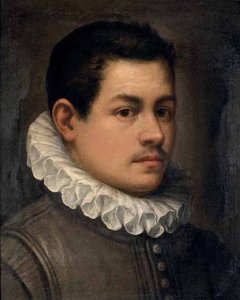
अन्नीबाले कैरैची
1560 - 1609 , इटली
संक्षिप्त जानकारी
- कला आंदोलन: बरोक कला
- किससे प्रभावित हुए:
- कारवागियो
- बोलोग्नीज़ स्कूल
- जन्म तिथि: 3 नवंबर 1560
- जन्म स्थान: बोलोग्ना, इटली
- पूरा नाम: एनिबाले कैरैची
- प्रभावित कलाकार:
- राफेल
- एंड्रिया डेल सार्टो
- प्रमुख कलाकृतियाँ:
- ट्रायम्फ ऑफ़ बैकस
- लव्स ऑफ़ द गॉड्स
- मृत्यु तिथि: 15 जुलाई 1609
- राष्ट्रीयता: इतालवी
संबंधित लेखों की सूची

बारोक वैभव: समकालीन आंतरिक सज्जा में नाटकीयता और भव्यता का समावेश
बारोक कला के वैभव को अपने घर में लाएं! OriginalUniqueArt.com पर नाटकीयता और भव्यता से भरपूर आंतरिक सज्जा के लिए विशेषज्ञ मार्गदर्शन, कस्टम पेंटिंग और उच्च गुणवत्ता वाली कला प्रजनन प्राप्त करें।

Italian Baroque Unlocked: High-Drama Art That Hits Hard
Dive into the high-drama world of Italian Baroque art. Discover how chiaroscuro, intense emotion, and theatrical lighting redefined aesthetics. Explore the visceral power of the Counter-Reformation through a modern lens with expert insights from OriginalUniqueArt.com.

Echoes of Olympus: Mythological Narratives in Western Art Through the Ages
Explore the captivating history of mythological narratives in Western art! From ancient Greece to modern masterpieces, discover iconic artworks & symbolism. Expert analysis and high-quality reproductions at OriginalUniqueArt.

The Visceral Stage: Exploring Dramatic Narratives & Emotional Intensity in Baroque Art
Explore the dramatic world of Baroque art! Discover iconic masters like Caravaggio & Rembrandt, their techniques, and the movement's lasting impact. Expert insights for collectors & enthusiasts at OriginalUniqueArt.
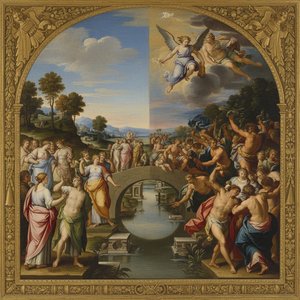
Annibale Carracci: Bridging Renaissance Ideals & Baroque Innovation
Explore the life & art of Annibale Carracci, a pivotal figure bridging Renaissance ideals with Baroque innovation. Discover his masterpieces and lasting influence on Italian painting.


